International guests arrived at Duanmen Gate to the north of Tian'anmen in Beijing on Wednesday morning for a grand gathering marking the 80th anniversary of the victory in the Chinese People's War of Resistance against Japanese Aggression and the World Anti-Fascist War.
At the invitation of Chinese President Xi Jinping, dozens of heads of state and government will attend the commemorations, which include a military parade at the Tian'anmen Square.
The Chinese government also invited heads of parliaments, deputy prime ministers, high-level representatives, and former dignitaries of foreign countries as well as heads of international organizations to the event.
President Xi, also general secretary of the Communist Party of China Central Committee and chairman of the Central Military Commission, later walked onto the Tian'anmen Rostrum together with the international guests.
China was the first to fight against fascist aggression and sustained the longest resistance. In the 14-year-long war, Chinese casualties exceeded 35 million. With huge national sacrifice, the Chinese people held ground in the main theater in the East of the World Anti-Fascist War.
Japan surrendered on Sept 2, 1945, signing the Instrument of Surrender to China and other Allied powers. China celebrated the victory the following day. In 2014, the country legislated to designate Sept 3 as the Victory Day of its War of Resistance.
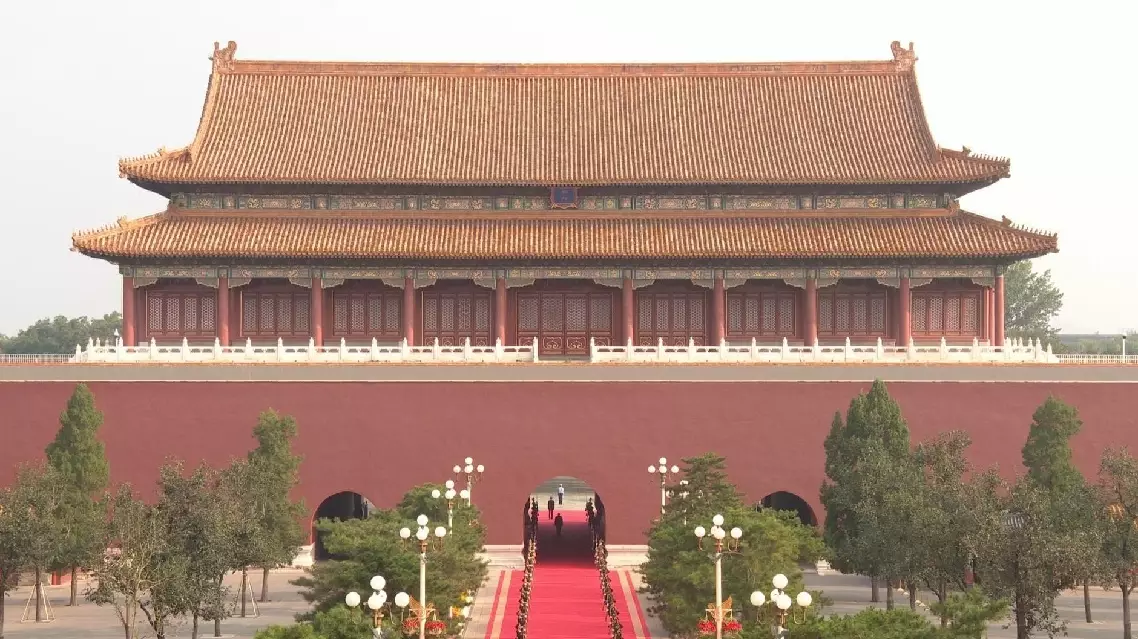
International guests arrive for China's V-Day gathering
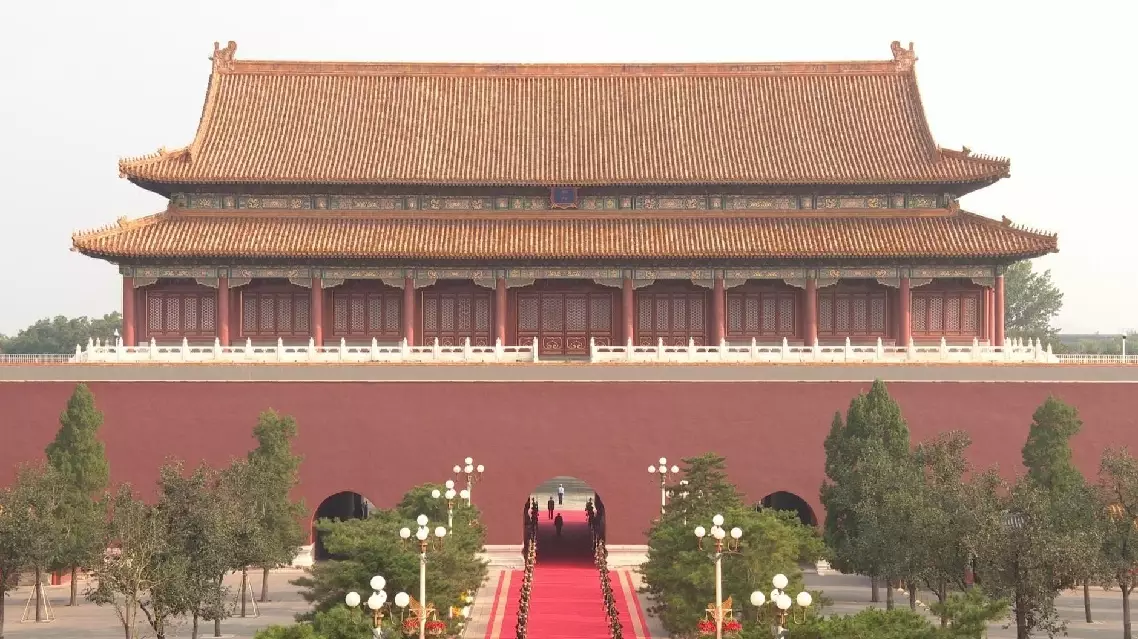
International guests arrive for China's V-Day gathering
Iraq has seen its aviation industry dealt a huge blow because of continued airspace closures and flight suspensions amid regional hostilities triggered by the recent Israeli-U.S. strikes on Iran.
As security concerns persist while tensions remain high, Iraq announced on Friday it would extend the closure of its airspace for one more week as uncertainty over the conflict continues to hang in the air.
It is estimated that the country's aviation industry has lost more than 43 million U.S. dollars over the past month since the crisis erupted, with the war causing huge disruption to air travel across the region.
"After the closure of Iraqi airspace, airport operations were halted, and revenue from both arriving and departing flights was lost. This includes income from passenger services as well as overflying aircraft, which has significantly impacted overall revenues," said Maytham al-Safi, director of media office of the Iraqi Ministry of Transport.
The impact is being felt across the board, from government revenues to private businesses, as some of the leading travel agencies say bookings have completely collapsed, with some reporting daily passenger numbers dropping from around 100 to just five.
"Our company has been directly affected. We have four branches and around 80 employees, and the impact has been significant. We still have rent and other expenses to cover, so we are trying to adapt to whatever limited business is still possible," said Ahmed Khalid, managing director of the Safari Trip travel and tourism company in Baghdad.
With air travel no longer an option, many Iraqis are turning to overland routes -- often traveling for hours, even days, to reach neighboring countries like Türkiye. But the journey is not only longer and more expensive, it can also be highly risky.
"This situation creates real anxiety for families. It's not only the travelers who are at risk, but also the vehicles transporting them. These journeys can be dangerous. There is always the risk of accidents or even drone strikes. At the same time, costs have doubled, so people are facing both financial and safety pressures," said Anwar al-Mousawi, a local resident.
For many, a sense of frustration is growing the longer the current situation drags on, as civilians bear the consequences of a conflict they are not part of, and with no clear timeline for reopening Iraqi airspace, economic losses and public frustration are expected to deepen.
"The reality is, we are in a country that is not part of this war and did not start it, yet we are the ones paying the price," said al-Mousawi.
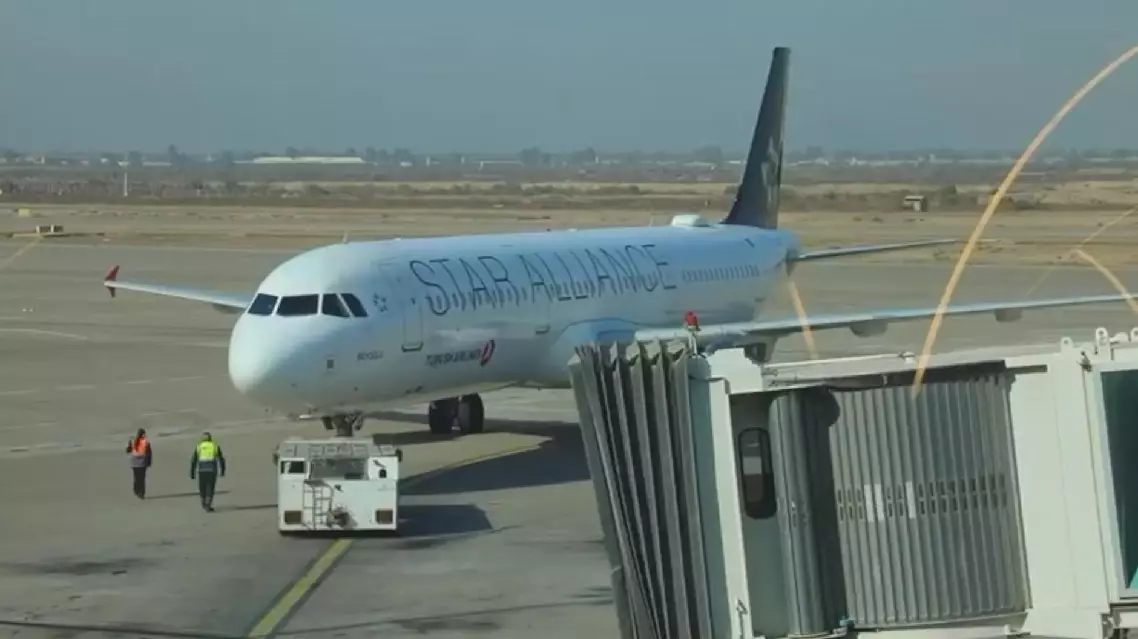
Iraq's aviation industry left grounded as Middle East crisis continues