DUESSELDORF, Germany--(BUSINESS WIRE)--Sep 3, 2025--
Japanese technology company Asahi Kasei will unveil its newest innovation in PFAS-free polyamides and recycling technology of continuous carbon fibers at K 2025 in Hall 8a, Booth E23. The company will also showcase its diversified material solutions for automotive applications, improved connectivity and lightweighting. K 2025 is considered the world's No. 1 trade fair for plastics and rubber and will take place from October 8-15, 2025, in Düsseldorf, Germany.
Click to Gallery
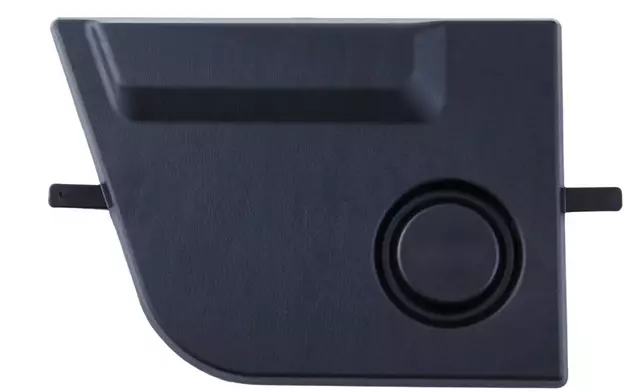
SEBS for automotive interior surfaces
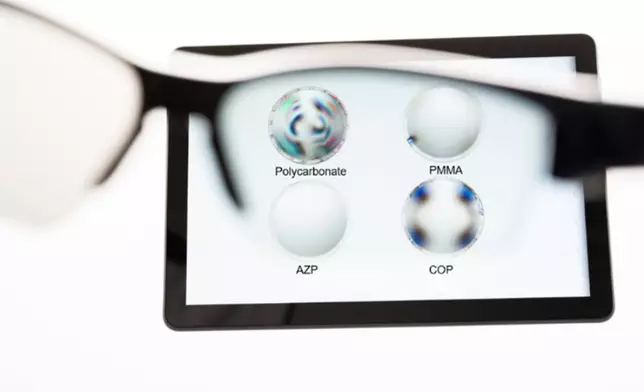
Comparison of optical performance of AZP and conventional optical polymers
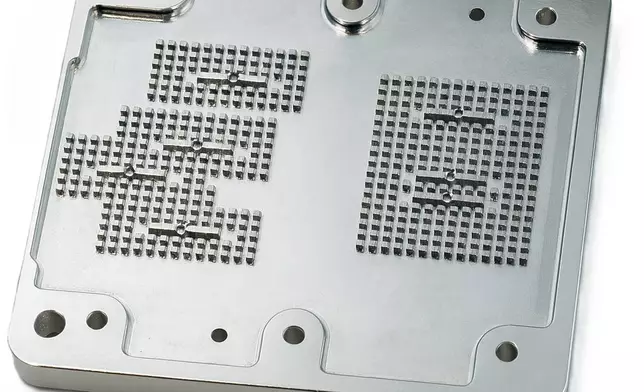
XYRON Slotted waveguide array antenna
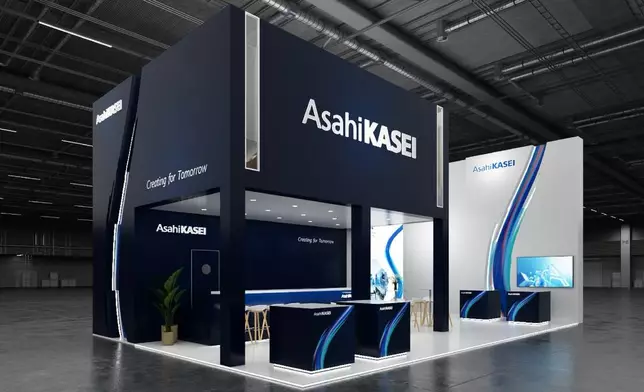
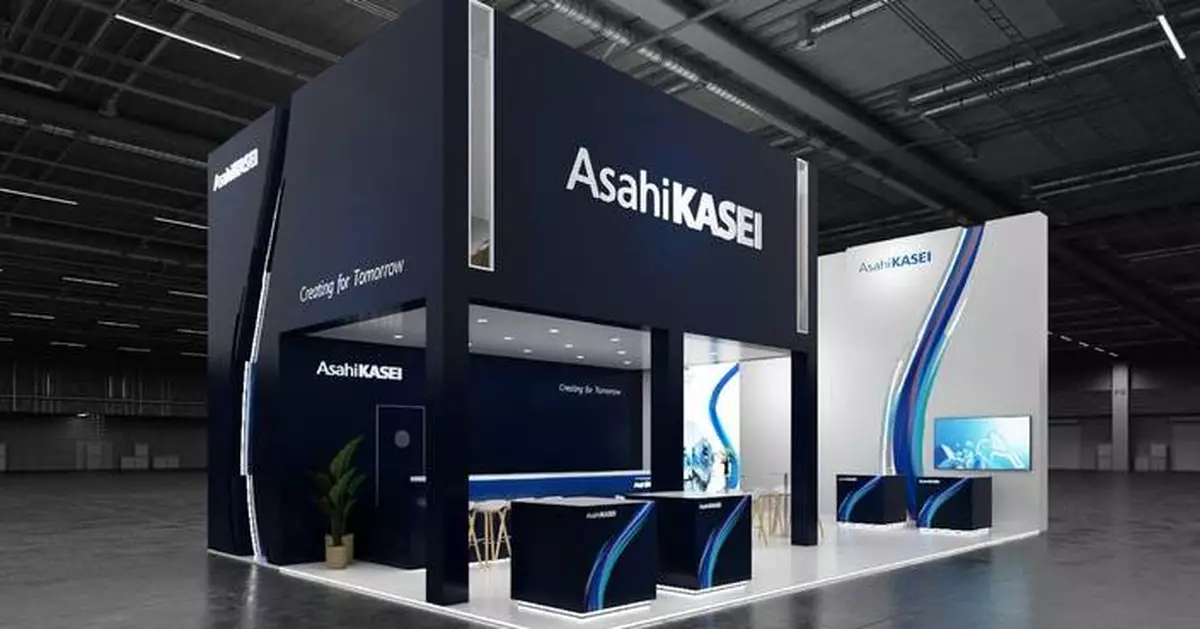
Asahi Kasei booth at K 2025
This press release features multimedia. View the full release here: https://www.businesswire.com/news/home/20250903979868/en/
Asahi Kasei has developed a groundbreaking recycling technology that enables the recovery of continuous carbon fibers from CFRP (carbon fiber reinforced plastics) pressure vessels used in automobiles. Utilizing electrolyzed sulfuric acid, the process completely decomposes the resin matrix while preserving the carbon fibers' original strength and continuous structure. Unlike conventional recycling methods that result in chopped fibers, this technology allows for the perpetual recycling of high-quality, cost-effective continuous carbon fibers from CFRP pressure vessels. At the K Show, Asahi Kasei will showcase over 200 meters of recycled continuous carbon fiber.
Asahi Kasei will also display PA and SEBS compounds utilizing a bio-based and biodegradable cellulose nano fiber (CNF). This material is made from cotton linter and has high heat resistance and network-forming ability. CNF-reinforced polyamide becomes less viscous when agitated, making it highly suitable for 3D printing applications for easy printing, dimensional accuracy, smooth appearance, and mechanical performance. CNF-reinforced SEBS features a unique softness, which can be adjusted by changing the internal structure of the molded product. In addition, it shows a very low warpage and shrinkage, and good hydrolysis resistance. These properties make this material suitable for a wide range of applications, for example, jigs & tooling or prosthetics & orthotics devices.
In response to the increasing demand for PFAS-free materials, Asahi Kasei is developing a PFAS-free low-friction LEONA™ polyamide and will introduce the new grade for the first time in Europe. Based on internal evaluations, the material has the same low-friction properties as fluororesins, making it suitable for sliding applications in various industries, including automotive, robot parts, OA parts, and sporting goods.
Materials for lightweighting and streamlined production of automotive parts
There has been a growing emphasis on reduced weight and improved design in automotive manufacturing. Asahi Kasei will display various technologies to address the most pressing concerns of automotive manufacturers at K 2025. One such solution is the transparent polymer, AZP™, which features an almost zero birefringence at a lightweight. It overcomes the challenges of conventional transparent polymers in applications with polarizing light, such as Virtual & Augmented Reality devices and automotive head-up displays (HUD), while maintaining superior processability for large-scale production of injection-molded optical components. The company will exhibit an interactive automotive demonstration at K 2025 to showcase how AZP™ contributes to next-generation HUD.
Conventional approaches to automotive instrument panels, door panels, armrests, or center consoles have used different materials and production technologies for skin, foam, and core layers. Asahi Kasei’s SEBS material is suitable for skin and foam layers, which can be molded in one step by utilizing a core back injection molding process and the strong chemical bonding between all layers eliminates the need for additional adhesive layers. SEBS contributes to reducing the total number of materials, simplifying the manufacturing process, and improving the recyclability of interior components.
Another solution to streamlining the manufacturing process for OEMs from Asahi Kasei is the mPPE (modified polyphenylene ether) particle foam, SunForce™. This material is well-suited for mass production of thin-walled, complex-shaped parts that require low tolerances, high heat stability, or UL94 V-0 flame retardancy. These properties make SunForce™ a perfect fit for thermal management solutions in electronic devices, transportation trays for Li-Ion battery cells, insulation parts for HVACs, and foam cores for FRP composite parts.
With the increasing number of radar applications across industries, the pressure to reduce material, production costs, and weight is rising. Slotted waveguide array antennas for automotive millimeter-wave radars are typically made of metal, requiring cost- and time-intensive milling processes. Asahi Kasei’s mPPE XYRON™ features proven wet-platability, omitting the milling process and allowing for mass production of resin antenna parts via injection moulding which lowers cost and increases scalability.
Asahi Kasei will exhibit in Hall 8a, Booth E23. For more information, visit the dedicated landing page: https://k-2025.asahi-kasei.eu/de.
About Asahi Kasei
The Asahi Kasei Group contributes to life and living for people around the world. Since its foundation in 1922 with ammonia and cellulose fiber business, Asahi Kasei has consistently grown through the proactive transformation of its business portfolio to meet the evolving needs of every age. With more than 50,000 employees worldwide, the company contributes to sustainable society by providing solutions to the world’s challenges through its three business sectors of Healthcare, Homes, and Material. For more information, visit www.asahi-kasei.com.
Asahi Kasei is also dedicated to sustainability initiatives and is contributing to reaching a carbon neutral society by 2050. To learn more, visit https://www.asahi-kasei.com/sustainability/.

SEBS for automotive interior surfaces

Comparison of optical performance of AZP and conventional optical polymers
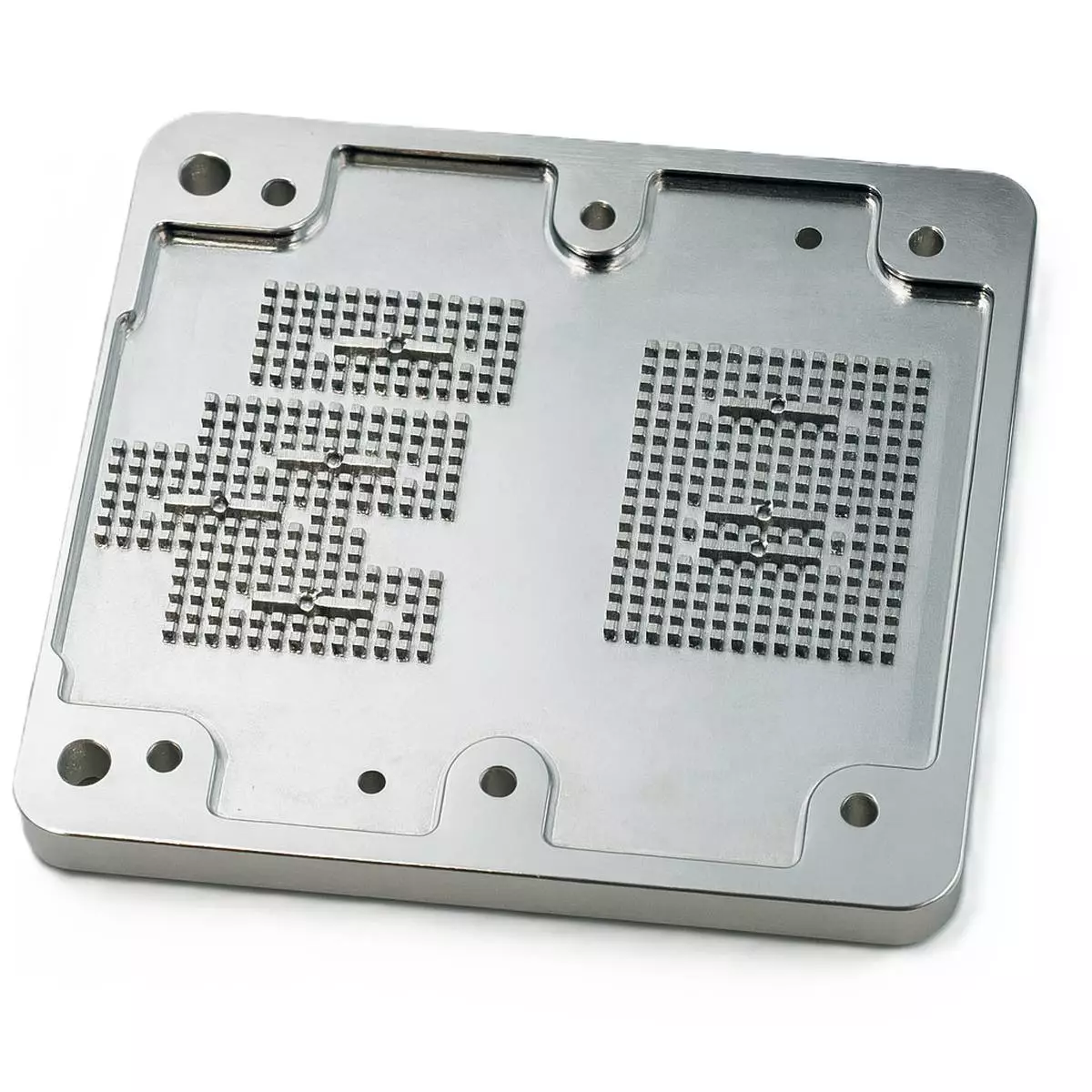
XYRON Slotted waveguide array antenna
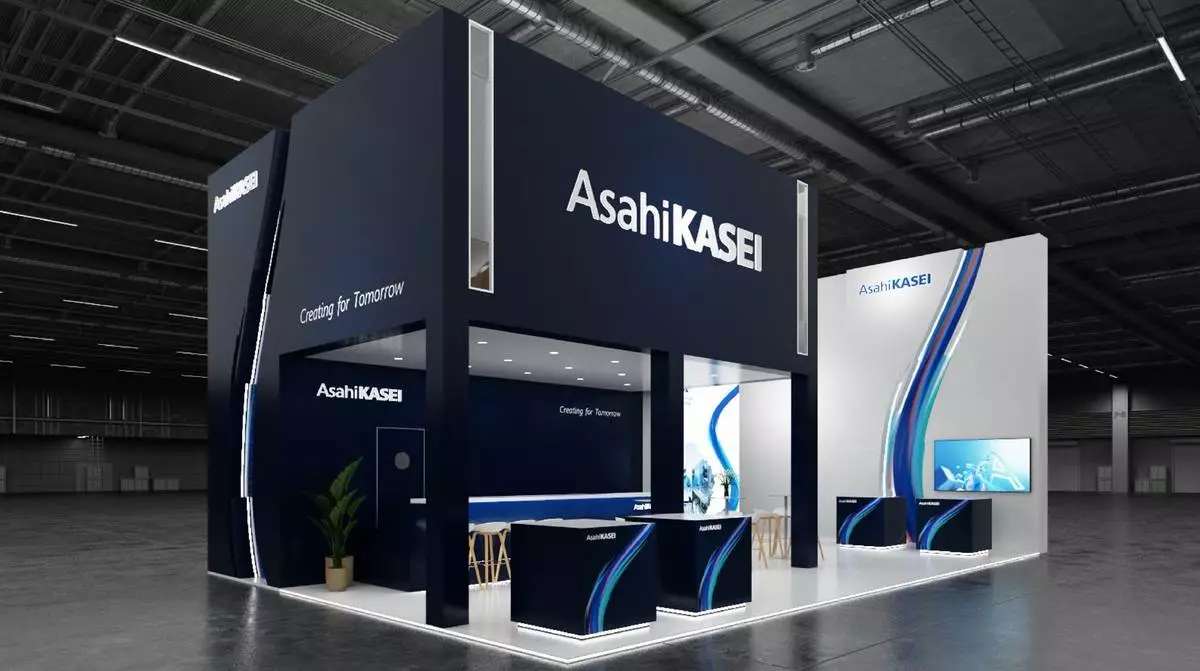
Asahi Kasei booth at K 2025