Skip to Content Facebook Feature Image

Kennedy tries to defend COVID-19 vaccine stance in raucous Senate hearing

News

Kennedy tries to defend COVID-19 vaccine stance in raucous Senate hearing
News

News

Kennedy tries to defend COVID-19 vaccine stance in raucous Senate hearing

2025-09-05 08:06 Last Updated At:08:11

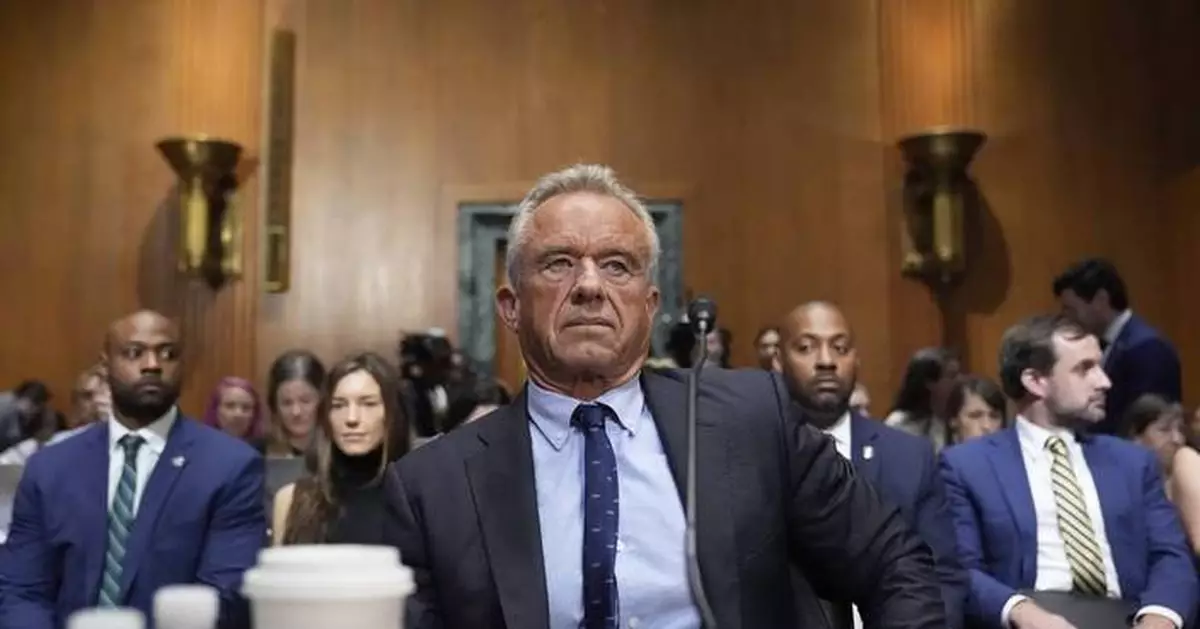
WASHINGTON (AP) — U.S. Health Secretary Robert F. Kennedy Jr., facing pointed bipartisan questioning at a rancorous three-hour Senate committee hearing on Thursday, tried to defend his efforts to pull back COVID-19 vaccine recommendations and explain the turmoil he has created at federal health agencies.

Kennedy said the fired CDC director was untrustworthy, stood by his past anti-vaccine rhetoric, and disputed reports of people saying they have had difficulty getting COVID-19 shots.

More Images
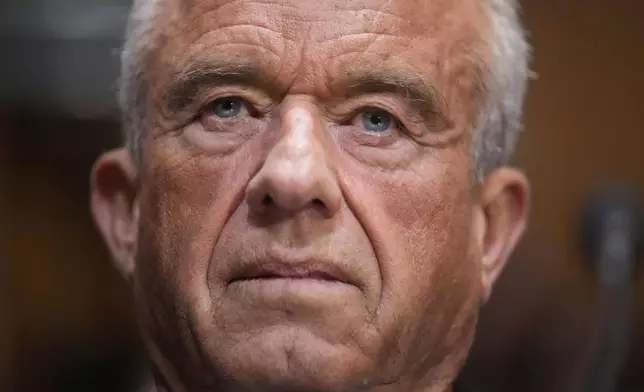
Secretary of Health and Human Services Robert F. Kennedy Jr., appears before the Senate Finance Committee, on Capitol Hill in Washington, Thursday, Sept. 4, 2025. (AP Photo/Mark Schiefelbein)

Secretary of Health and Human Services Robert F. Kennedy Jr., appears before the Senate Finance Committee, on Capitol Hill in Washington, Thursday, Sept. 4, 2025. (AP Photo/Mark Schiefelbein)
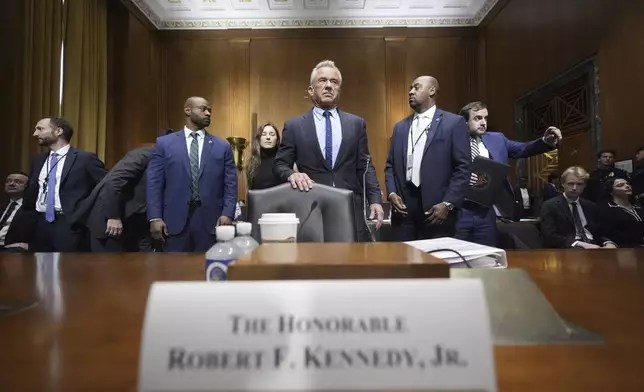
Secretary of Health and Human Services Robert F. Kennedy Jr., appears before the Senate Finance Committee, on Capitol Hill in Washington, Thursday, Sept. 4, 2025. (AP Photo/Mark Schiefelbein)
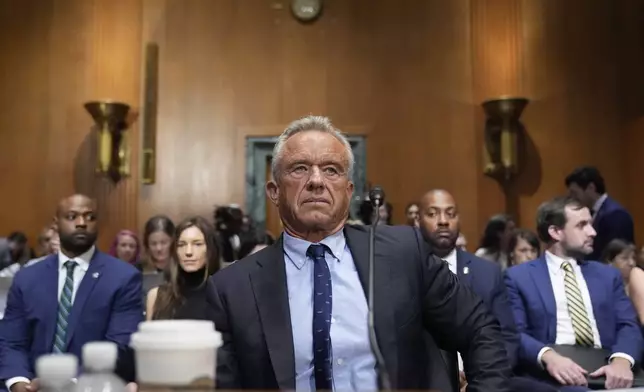
Secretary of Health and Human Services Robert F. Kennedy Jr., appears before the Senate Finance Committee, on Capitol Hill in Washington, Thursday, Sept. 4, 2025. (AP Photo/Mark Schiefelbein)

Secretary of Health and Human Services Robert F. Kennedy Jr., arrives to appear before the Senate Finance Committee, on Capitol Hill in Washington, Thursday, Sept. 4, 2025. (AP Photo/Mark Schiefelbein)

Secretary of Health and Human Services Robert F. Kennedy Jr., arrives to appear before the Senate Finance Committee, on Capitol Hill in Washington, Thursday, Sept. 4, 2025. (AP Photo/Mark Schiefelbein)

Secretary of Health and Human Services Robert F. Kennedy Jr., appears before the Senate Finance Committee, on Capitol Hill in Washington, Thursday, Sept. 4, 2025. (AP Photo/Mark Schiefelbein)

Secretary of Health and Human Services Robert F. Kennedy Jr., appears before the Senate Finance Committee, on Capitol Hill in Washington, Thursday, Sept. 4, 2025. (AP Photo/Mark Schiefelbein)

A longtime leader in the anti-vaccine movement, Kennedy has made sweeping changes to agencies tasked with public health policy and scientific research by laying off thousands of workers, firing science advisers and remaking vaccine guidelines. The moves — some of which contradict assurances he made during his confirmation hearings — have rattled medical groups and officials in several Democratic-led states, which have responded with their own vaccine advice.

Medical groups and several Democrats in Congress have called for Kennedy to be fired, and his exchanges with Democratic senators on the panel repeatedly devolved into shouting, from both sides.

But some Republican senators also expressed unease with his changes to COVID-19 policies.

The GOP senators noted that Kennedy said President Donald Trump deserved a Nobel Prize for the 2020 Operation Warp Speed initiative to quickly develop mRNA COVID-19 vaccines — and that he also had attacked the safety and continued use of those very shots.

“I can't tell where you are on Operation Warp Speed,” said Republican North Carolina Sen. Thom Tillis.

Tillis and others asked him why the director of the Centers for Disease Control and Prevention was fired last week, less than a month into her tenure.

Kennedy said she was dishonest, and that CDC leaders who left the agency last week in support of her deserved to be fired.

He also criticized CDC recommendations during the COVID-19 pandemic tied to lockdowns and masking policies, and claimed — wrongly — that they “failed to do anything about the disease itself.”

“The people at CDC who oversaw that process, who put masks on our children, who closed our schools, are the people who will be leaving,” Kennedy said. He later said they deserved to be fired for not doing enough to control chronic disease.

Trump was asked at a White House dinner with tech leaders on Thursday night if he has full confidence in what Kennedy is doing.

Trump said he didn’t watch the hearings but said of Kennedy, “he means very well.” Trump said Kennedy has “a different take, and we want to listen to all those takes.”

“It’s not your standard talk, I would say, and that has to do with medical and vaccines," Trump said. "But if you look at what’s going on in the world with health and look at this country also with regard to health, I like the fact that he’s different.”

The Senate Finance Committee had called Kennedy to a hearing about his plans to “Make America Healthy Again,” but Democratic senators pressed Kennedy on his actions around vaccines.

At the start of the hearing, Sen. Ron Wyden of Oregon tried to have Kennedy formally sworn in as a witness, saying the HHS secretary has a history of lying to the committee. The committee's chair, Sen. Mike Crapo of Idaho, denied the Democrat's request, saying “the bottom line is we will let the secretary make his own case.”

Wyden went on to attack Kennedy, saying he had “stacked the deck” of a vaccines advisory committee by replacing scientists with “skeptics and conspiracy theorists.”

Last week, the Trump administration fired the CDC's director — a Trump appointee who was confirmed by the Senate — less than a month into her tenure. Several top CDC leaders resigned in protest, leaving the agency in turmoil.

The ousted director, Susan Monarez, wrote in The Wall Street Journal on Thursday that Kennedy was trying to weaken public health protections.

“I was told to preapprove the recommendations of a vaccine advisory panel newly filled with people who have publicly expressed antivaccine rhetoric,” Monarez wrote. “It is imperative that the panel’s recommendations aren’t rubber-stamped but instead are rigorously and scientifically reviewed before being accepted or rejected.”

Kennedy told senators he didn't make such an ultimatum, though he did concede that he had ordered Monarez to fire career CDC scientists. Monarez's attorneys later responded that she stood by the op-ed and “would repeat it all under oath.”

Kennedy pushed back on concerns raised by multiple Republican senators, including Tillis and Sens. John Barrasso of Wyoming and Bill Cassidy of Louisiana. Both Barrasso and Cassidy are physicians.

The health secretary had animated comebacks as Democratic senators pressed him on the effects of his words and actions.

When Sen. Raphael Warnock, of Georgia, questioned Kennedy about his disparaging rhetoric about CDC employees before a deadly shooting at the agency this summer, Kennedy shot back: “Are you complicit in the assassination attempts on President Trump?”

Kennedy called Sen. Ben Ray Lujan of New Mexico “ridiculous,” said he was “talking gibberish” and accused him of “not understanding how the world works” when Lujan asked Kennedy to pledge to share protocols of any research Kennedy was commissioning into autism and vaccines.

He also engaged in a heated, loud exchanges with Sens. Elizabeth Warren of Massachusetts and Tina Smith of Minnesota.

“I didn’t even hear your question,” Kennedy replied to Sen. Catherine Cortez Masto as the Nevada Democrat repeatedly asked what the agency was doing to lower drug costs for seniors.

He also told Sen. Bernie Sanders that the Vermont independent was not “making any sense.”

Some senators had their own choice words.

“You’re interrupting me, and sir, you’re a charlatan. That’s what you are, ” said Sen. Maria Cantwell, a Washington Democrat. “The history on vaccines is very clear.”

As the hearing neared its end, Kennedy pulled his cellphone from his pocket and then tapped and scrolled as Wyden asked about mifepristone, a drug used for medication abortion.

In May, Kennedy announced COVID-19 vaccines would no longer be recommended for healthy children and pregnant women, a move opposed by medical and public health groups.

In June, he abruptly fired a panel of experts that had been advising the government on vaccine policy. He replaced them with a handpicked group that included several vaccine skeptics, and then shut the door to several doctors groups that had long helped form the committee's recommendations.

Kennedy has voiced distrust of research that showed the COVID-19 vaccines saved lives, and at Thursday's hearing even cast doubt on statistics about how people died during the pandemic and on estimates about how many deaths were averted — statistics produced by the agencies he oversees.

He said federal health policy would be based on gold standard science, but confessed that he wouldn’t necessarily wait for studies to be completed before taking action against, for example, potential causes of chronic illness.

“We are not waiting for everything to come in. We are starting now," he said.

A number of medical groups say Kennedy can’t be counted on to make decisions based on robust medical evidence. In a statement Wednesday, the Infectious Diseases Society of America and 20 other medical and public health organizations issued a joint statement calling on him to resign.

“Our country needs leadership that will promote open, honest dialogue, not disregard decades of lifesaving science, spread misinformation, reverse medical progress and decimate programs that keep us safe,” the statement said.

Many of the nation’s leading public health and medical societies, including the American Medical Association, American Public Health Association and the American Academy of Pediatrics have decried Kennedy’s policies and warn they will drive up rates of vaccine-preventable diseases.

Stobbe reported from New York. Associated Press writers Mary Clare Jalonick, Michelle L. Price and Chris Megerian contributed to this report.

The Associated Press Health and Science Department receives support from the Howard Hughes Medical Institute’s Department of Science Education and the Robert Wood Johnson Foundation. The AP is solely responsible for all content.
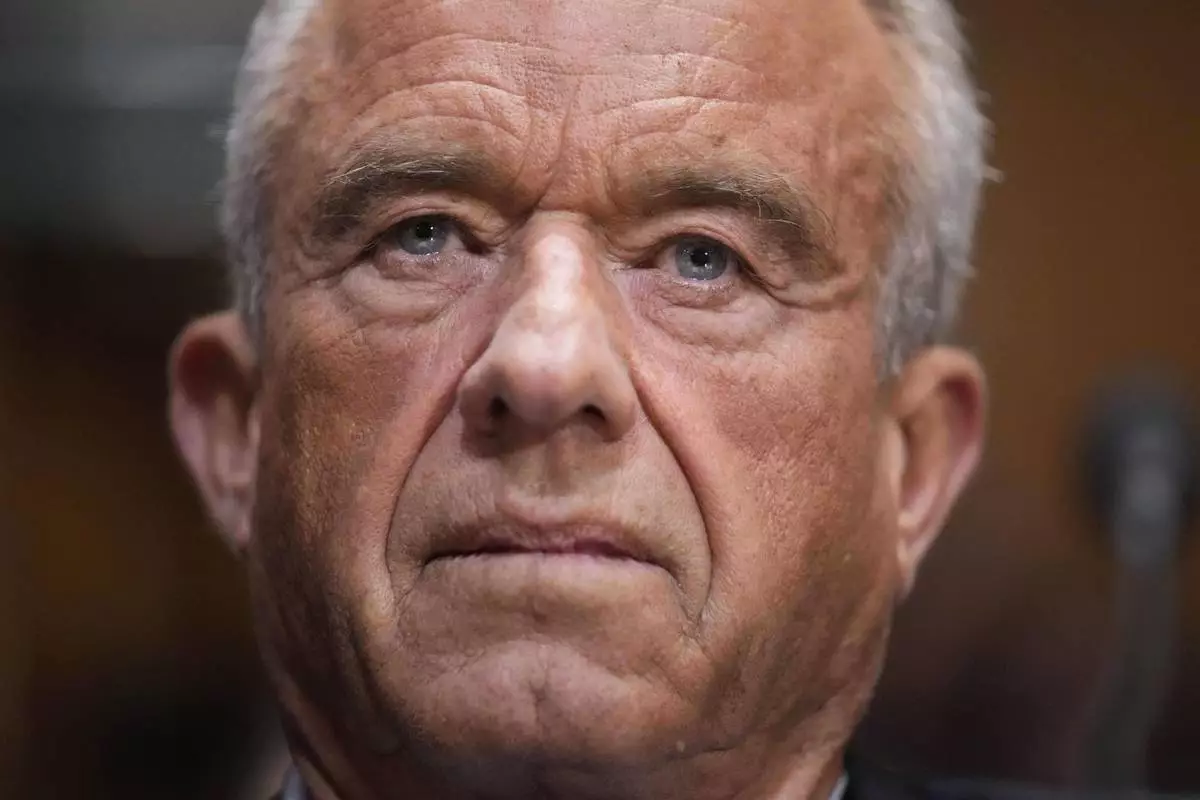
Secretary of Health and Human Services Robert F. Kennedy Jr., appears before the Senate Finance Committee, on Capitol Hill in Washington, Thursday, Sept. 4, 2025. (AP Photo/Mark Schiefelbein)
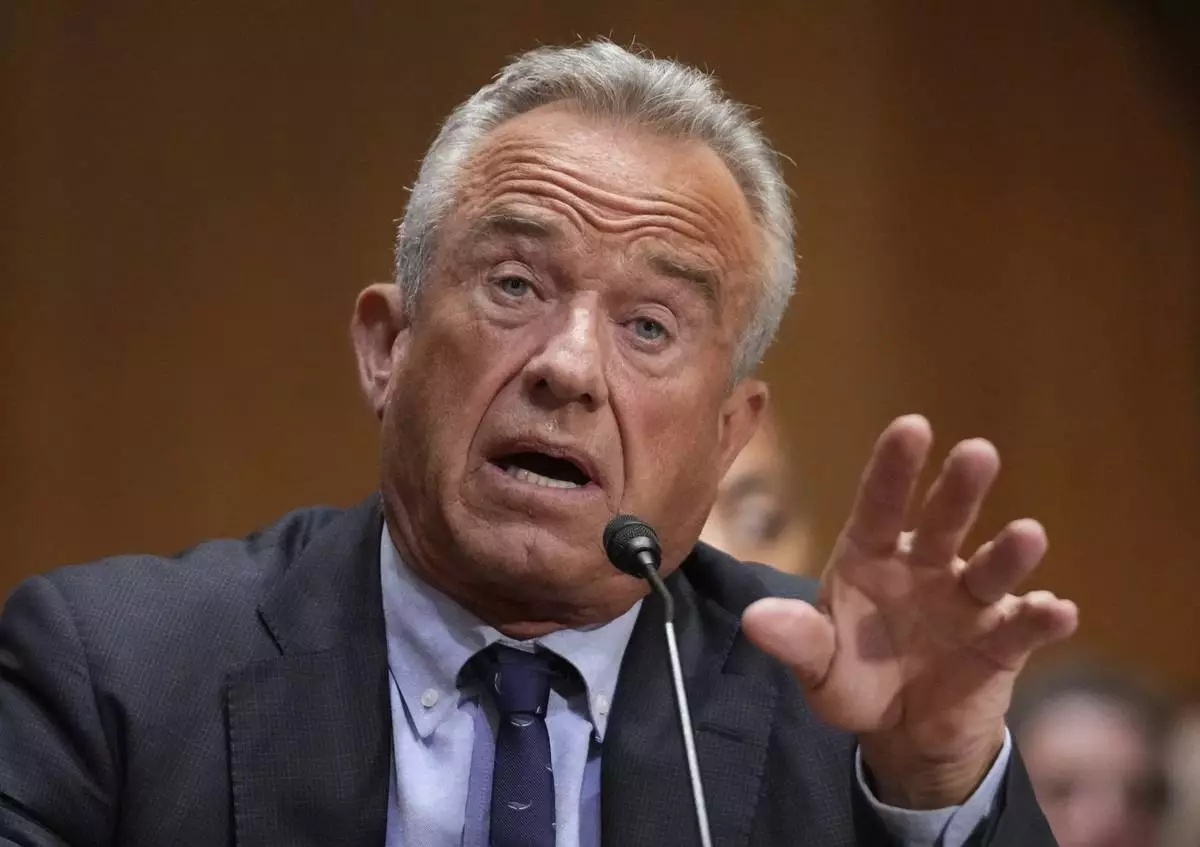
Secretary of Health and Human Services Robert F. Kennedy Jr., appears before the Senate Finance Committee, on Capitol Hill in Washington, Thursday, Sept. 4, 2025. (AP Photo/Mark Schiefelbein)
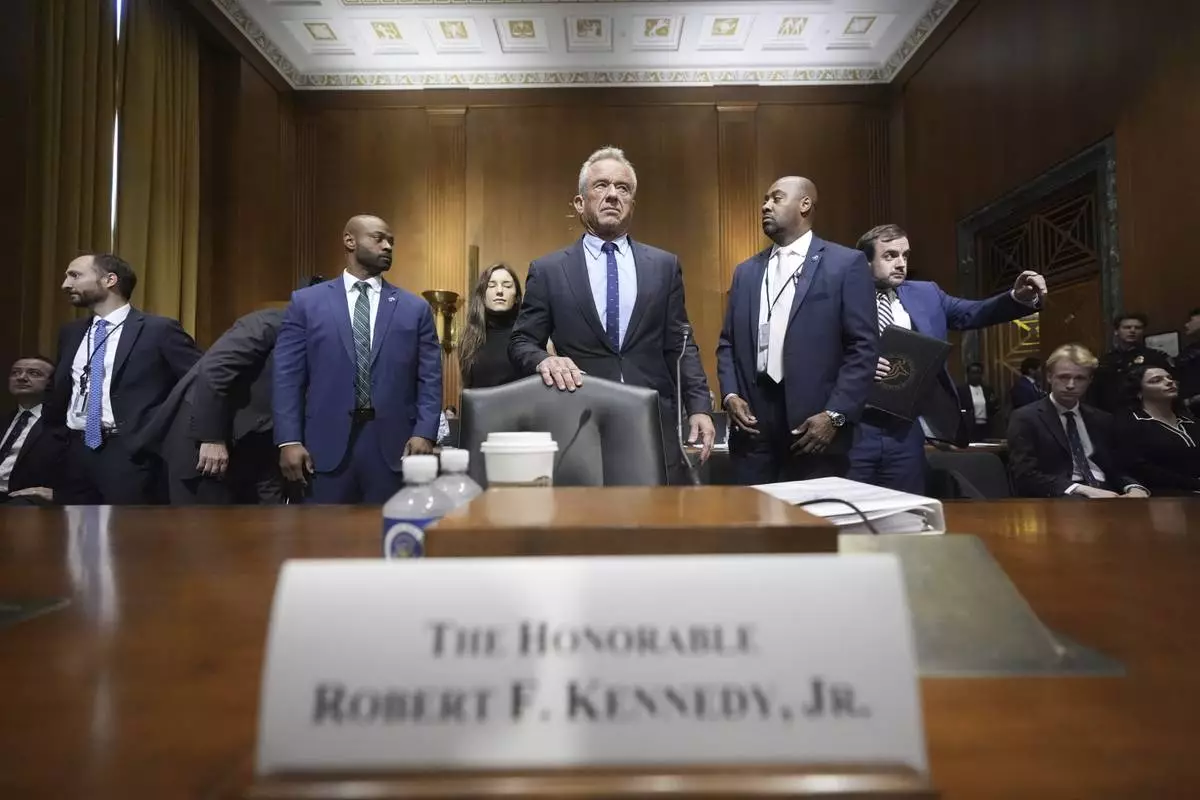
Secretary of Health and Human Services Robert F. Kennedy Jr., appears before the Senate Finance Committee, on Capitol Hill in Washington, Thursday, Sept. 4, 2025. (AP Photo/Mark Schiefelbein)
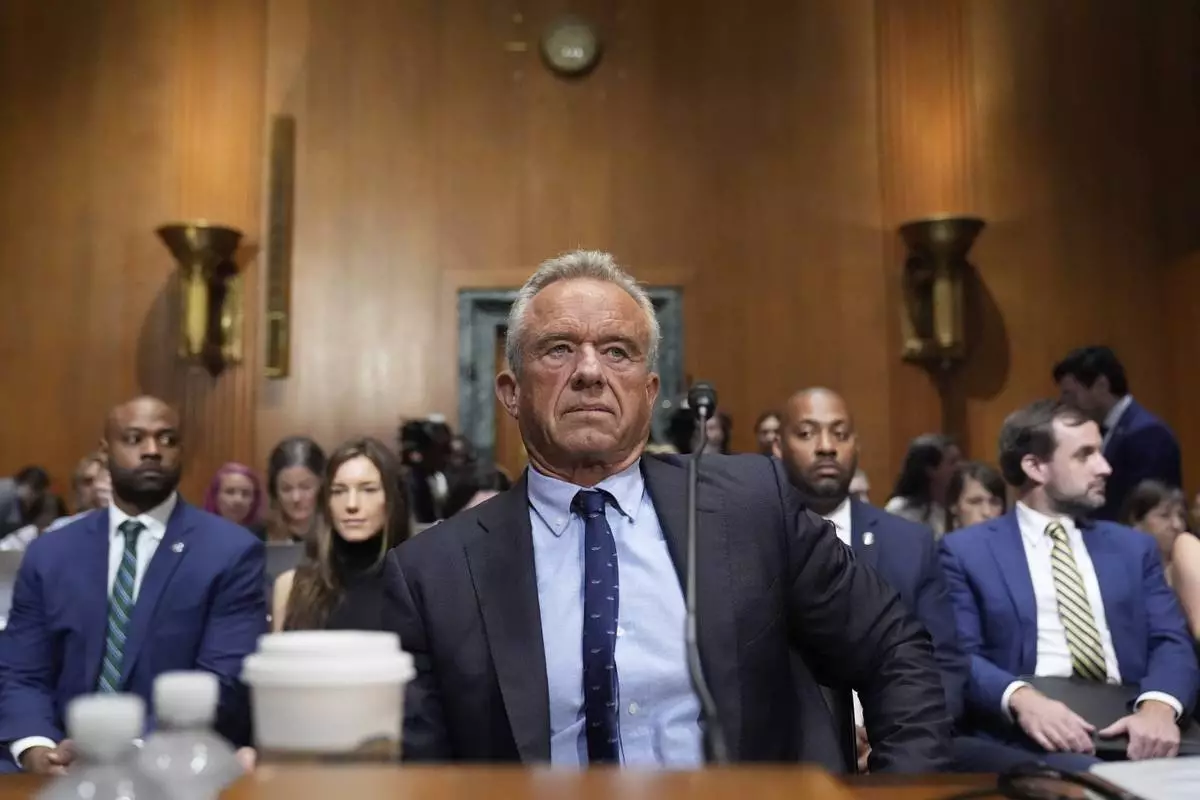
Secretary of Health and Human Services Robert F. Kennedy Jr., appears before the Senate Finance Committee, on Capitol Hill in Washington, Thursday, Sept. 4, 2025. (AP Photo/Mark Schiefelbein)
Secretary of Health and Human Services Robert F. Kennedy Jr., arrives to appear before the Senate Finance Committee, on Capitol Hill in Washington, Thursday, Sept. 4, 2025. (AP Photo/Mark Schiefelbein)
Secretary of Health and Human Services Robert F. Kennedy Jr., arrives to appear before the Senate Finance Committee, on Capitol Hill in Washington, Thursday, Sept. 4, 2025. (AP Photo/Mark Schiefelbein)

Secretary of Health and Human Services Robert F. Kennedy Jr., appears before the Senate Finance Committee, on Capitol Hill in Washington, Thursday, Sept. 4, 2025. (AP Photo/Mark Schiefelbein)
Secretary of Health and Human Services Robert F. Kennedy Jr., appears before the Senate Finance Committee, on Capitol Hill in Washington, Thursday, Sept. 4, 2025. (AP Photo/Mark Schiefelbein)
NUUK, Greenland (AP) — Troops from several European countries continued to arrive in Greenland on Thursday in a show of support for Denmark as talks between representatives of Denmark, Greenland and the U.S. highlighted “fundamental disagreement” over the future of the Arctic island.

Denmark announced it would increase its military presence in Greenland on Wednesday as foreign ministers from Denmark and Greenland were preparing to meet with White House representatives in Washington. Several European partners — including France, Germany, the U.K., Norway, Sweden and the Netherlands — started sending symbolic numbers of troops already on Wednesday or promised to do so in the following days.

The troop movements were intended to portray unity among Europeans and send a signal to President Donald Trump that an American takeover of Greenland is not necessary as NATO together can safeguard the security of the Arctic region amid rising Russian and Chinese interest.

“The first French military elements are already en route” and “others will follow,” French President Emmanuel Macron announced Wednesday, as French authorities said about 15 soldiers from the mountain infantry unit were already in Nuuk for a military exercise.

Germany will deploy a reconnaissance team of 13 personnel to Greenland on Thursday, the Defense Ministry said.

On Thursday, Danish Defense Minister Troels Lund Poulsen said the intention was “to establish a more permanent military presence with a larger Danish contribution,” according to Danish broadcaster DR. He said soldiers from several NATO countries will be in Greenland on a rotation system.

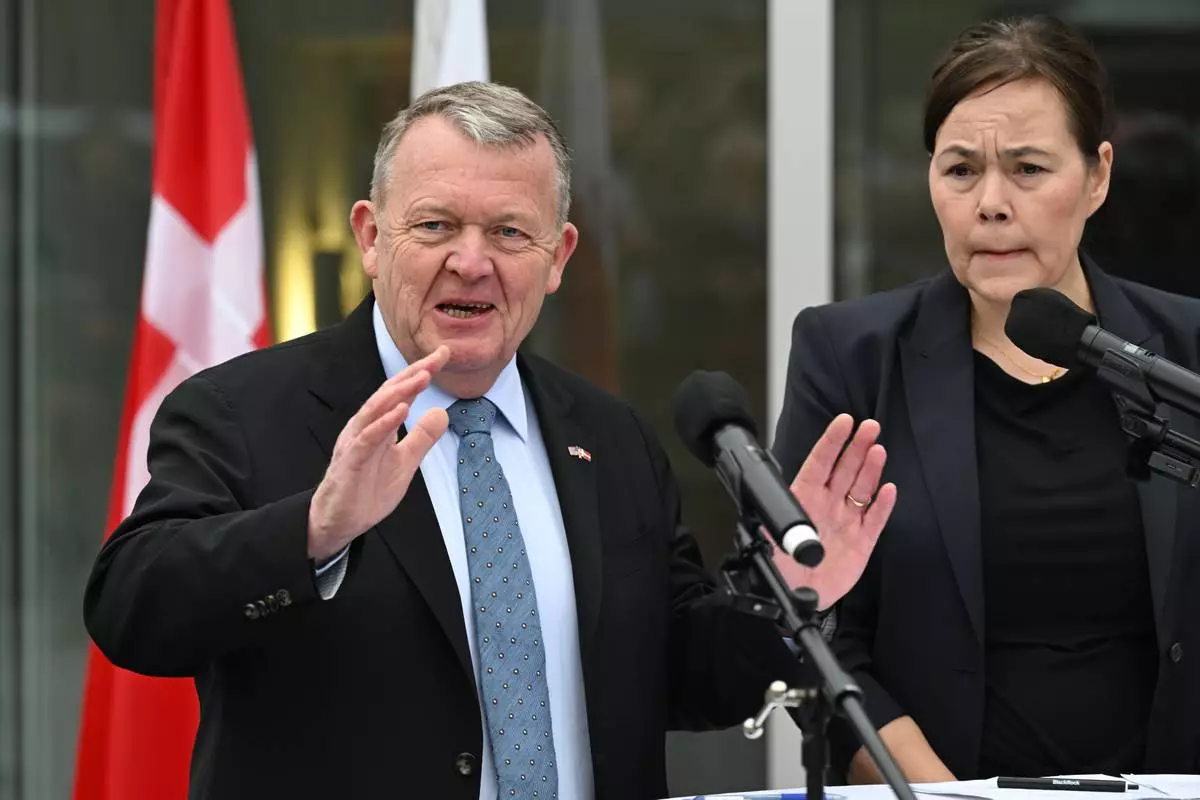
Danish Foreign Minister Lars Løkke Rasmussen, flanked by his Greenlandic counterpart Vivian Motzfeldt, said Wednesday that a “fundamental disagreement” over Greenland remains with Trump after they held highly anticipated talks at the White House with Vice President JD Vance and Secretary of State Marco Rubio.

Rasmussen added that it remains “clear that the president has this wish of conquering over Greenland” but that dialogue with the U.S. would continue at a high level over the following weeks.

Inhabitants of Greenland and Denmark reacted with anxiety but also some relief that negotiations with the U.S. would go on and European support was becoming visible.

Greenland's Prime Minister Jens-Frederik Nielsen welcomed the continuation of “dialogue and diplomacy.”

“Greenland is not for sale,” he said Thursday. “Greenland does not want to be owned by the United States. Greenland does not want to be governed from the United States. Greenland does not want to be part of the United States.”

In Greenland’s capital, Nuuk, local residents told The Associated Press they were glad the first meeting between Greenlandic, Danish and American officials had taken place but suggested it left more questions than answers.

Several people said they viewed Denmark’s decision to send more troops, and promises of support from other NATO allies, as protection against possible U.S. military action. But European military officials have not suggested the goal is to deter a U.S. move against the island.

Maya Martinsen, 21, said it was “comforting to know that the Nordic countries are sending reinforcements” because Greenland is a part of Denmark and NATO.

The dispute, she said, is not about “national security” but rather about “the oils and minerals that we have that are untouched.”

On Wednesday, Poulsen announced a stepped-up military presence in the Arctic “in close cooperation with our allies,” calling it a necessity in a security environment in which “no one can predict what will happen tomorrow.”

“This means that from today and in the coming time there will be an increased military presence in and around Greenland of aircraft, ships and soldiers, including from other NATO allies,” Poulsen said.

Asked whether the European troop movements were coordinated with NATO or what role the U.S.-led military alliance might play in the exercises, NATO referred all questions to the Danish authorities. However, NATO is currently studying ways to bolster security in the Arctic.

The Russian embassy in Brussels on Thursday lambasted what it called the West's “bellicose plans” in response to “phantom threats that they generate themselves”. It said the planned military actions were part of an “anti-Russian and anti-Chinese agenda” by NATO.

“Russia has consistently maintained that the Arctic should remain a territory of peace, dialogue and equal cooperation," the embassy said.

Rasmussen announced the creation of a working group with the Americans to discuss ways to work through differences.

“The group, in our view, should focus on how to address the American security concerns, while at the same time respecting the red lines of the Kingdom of Denmark,” he said.

Commenting on the outcome of the Washington meeting on Thursday, Poulsen said the working group was “better than no working group” and “a step in the right direction.” He added nevertheless that the dialogue with the U.S. did not mean “the danger has passed.”

Speaking on Thursday, Danish Prime Minister Mette Frederiksen said the American ambition to take over Greenland remains intact despite the Washington meeting, but she welcomed the creation of the working group.

The most important thing for Greenlanders is that they were directly represented at the meeting in the White House and that “the diplomatic dialogue has begun now,” Juno Berthelsen, a lawmaker for the pro-independence Naleraq opposition party, told AP.

A relationship with the U.S. is beneficial for Greenlanders and Americans and is “vital to the security and stability of the Arctic and the Western Alliance,” Berthelsen said. He suggested the U.S. could be involved in the creation of a coastguard for Greenland, providing funding and creating jobs for local people who can help to patrol the Arctic.

Line McGee, 38, from Copenhagen, told AP that she was glad to see some diplomatic progress. “I don’t think the threat has gone away,” she said. “But I feel slightly better than I did yesterday.”

Trump, in his Oval Office meeting with reporters, said: “We’ll see how it all works out. I think something will work out.”

Niemann reported from Copenhagen, Denmark, and Ciobanu from Warsaw, Poland.

Denmark's Foreign Minister Lars Løkke Rasmussen and Greenland's Foreign Minister Vivian Motzfeldt speak at a news conference at the Embassy of Denmark, Wednesday, Jan. 14, 2026, in Washington. (AP Photo/John McDonnell)

Denmark's Foreign Minister Lars Løkke Rasmussen and Greenland's Foreign Minister Vivian Motzfeldt speak at a news conference at the Embassy of Denmark, Wednesday, Jan. 14, 2026, in Washington. (AP Photo/John McDonnell)

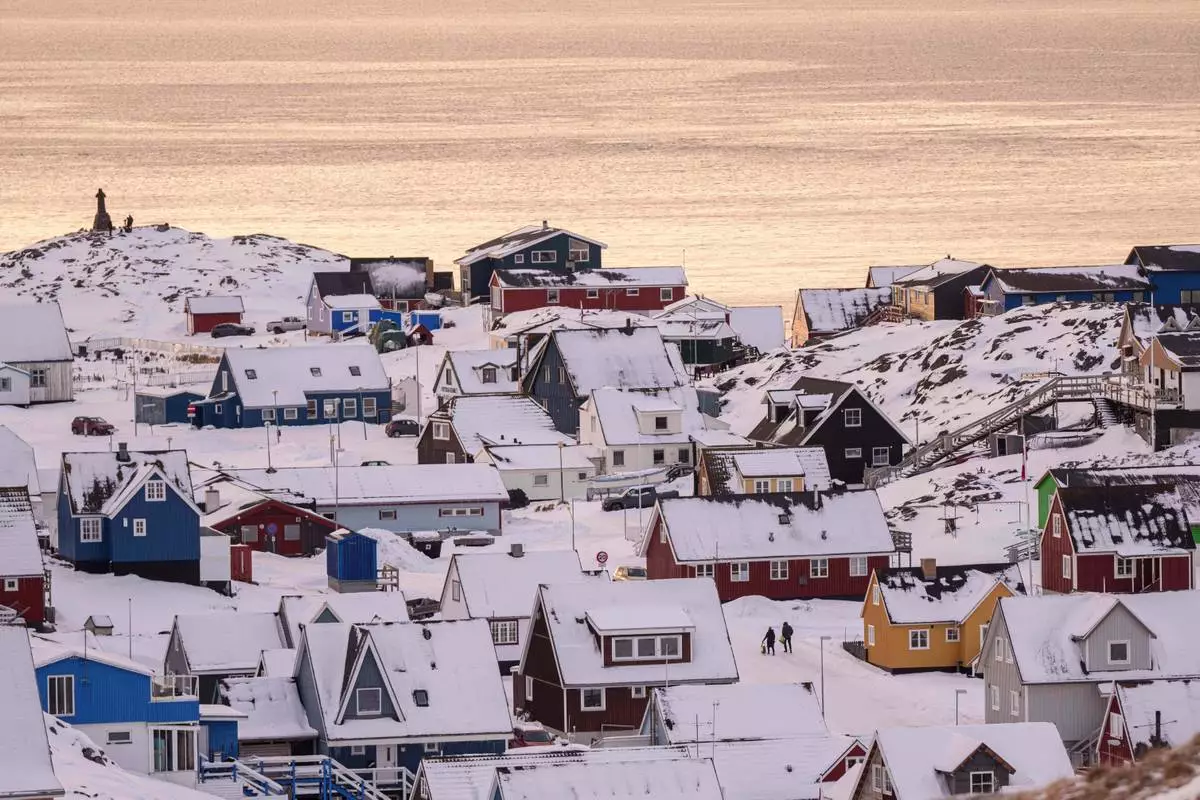
People walk on a street in Nuuk, Greenland, Wednesday, Jan. 14, 2026. (AP Photo/Evgeniy Maloletka)

People walk on a street in Nuuk, Greenland, Wednesday, Jan. 14, 2026. (AP Photo/Evgeniy Maloletka)

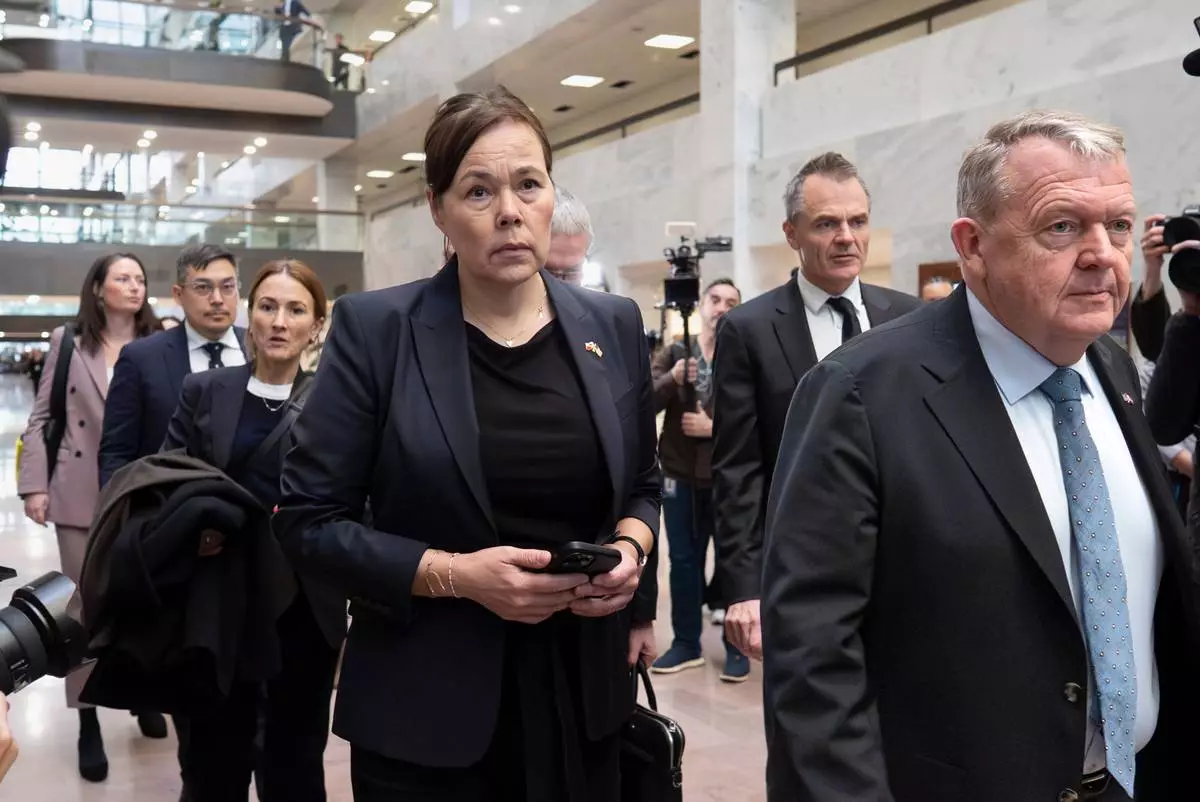
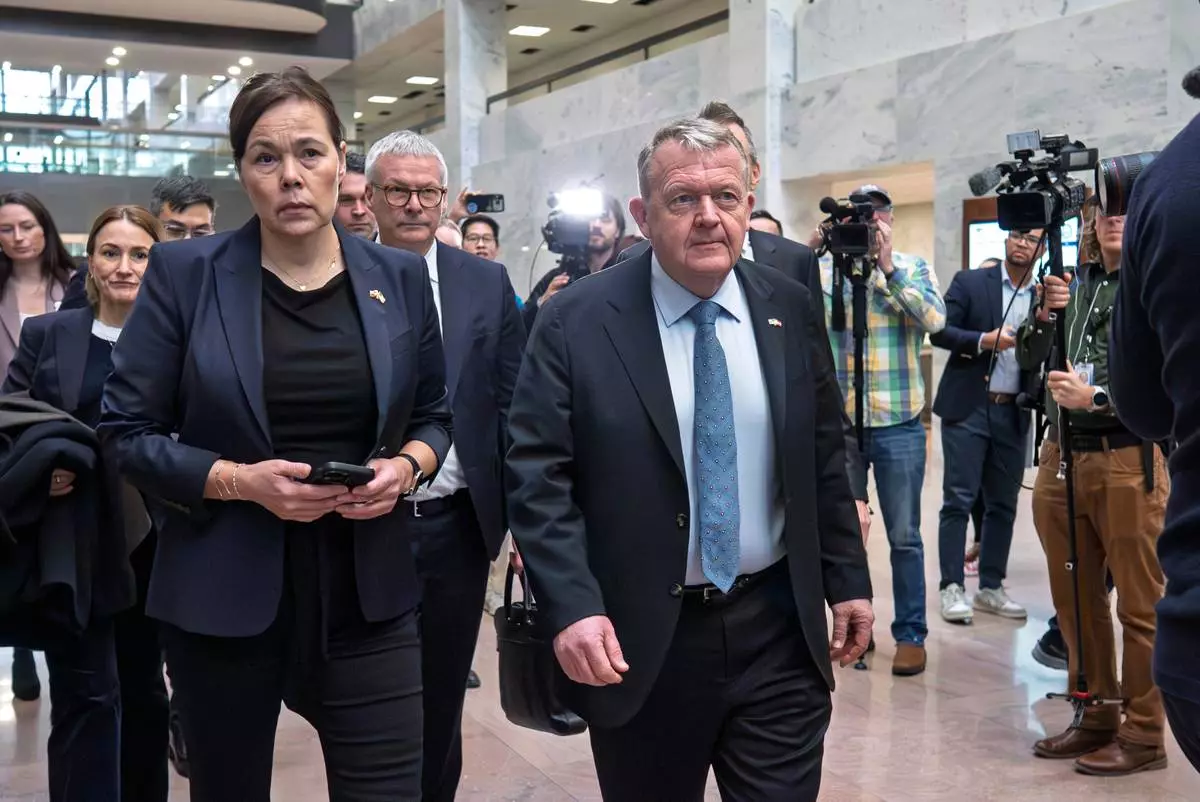
From center to right, Greenland Foreign Minister Vivian Motzfeldt, Denmark's Ambassador Jesper Møller Sørensen, rear, and Danish Foreign Minister Lars Løkke Rasmussen, right, arrive on Capitol Hill to meet with senators from the Arctic Caucus, in Washington, Wednesday, Jan. 14, 2026. (AP Photo/J. Scott Applewhite)

From center to right, Greenland Foreign Minister Vivian Motzfeldt, Denmark's Ambassador Jesper Møller Sørensen, rear, and Danish Foreign Minister Lars Løkke Rasmussen, right, arrive on Capitol Hill to meet with senators from the Arctic Caucus, in Washington, Wednesday, Jan. 14, 2026. (AP Photo/J. Scott Applewhite)

An Airbus A400M transport aircraft of the German Air Force taxis over the grounds at Wunstorf Air Base in the Hanover region, Germany, Thursday, Jan. 15, 2026 as troops from NATO countries, including France and Germany, are arriving in Greenland to boost security. (Moritz Frankenberg/dpa via AP)

An Airbus A400M transport aircraft of the German Air Force taxis over the grounds at Wunstorf Air Base in the Hanover region, Germany, Thursday, Jan. 15, 2026 as troops from NATO countries, including France and Germany, are arriving in Greenland to boost security. (Moritz Frankenberg/dpa via AP)

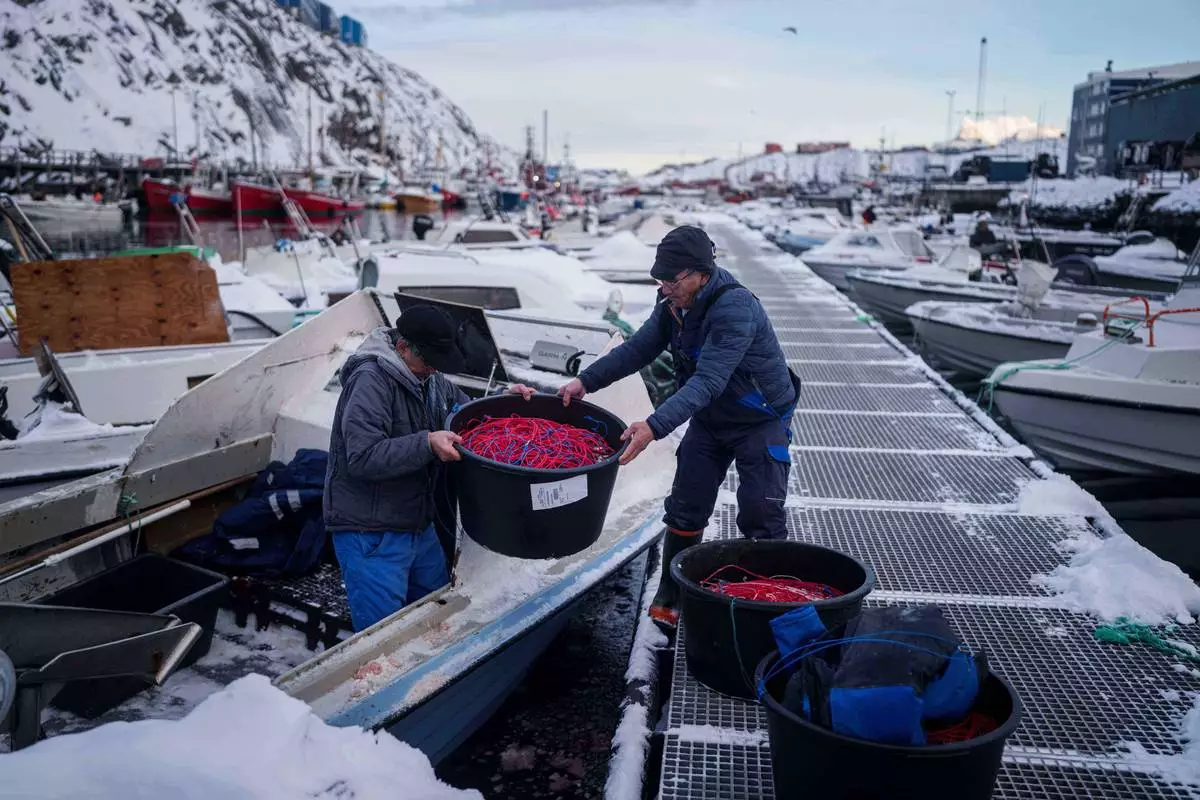
Fishermen load fishing lines into a boat in the harbor of Nuuk, Greenland, Wednesday, Jan. 14, 2026. (AP Photo/Evgeniy Maloletka)

Fishermen load fishing lines into a boat in the harbor of Nuuk, Greenland, Wednesday, Jan. 14, 2026. (AP Photo/Evgeniy Maloletka)

Greenland Foreign Minister Vivian Motzfeldt, left, and Danish Foreign Minister Lars Løkke Rasmussen, arrive on Capitol Hill to meet with members of the Senate Arctic Caucus, in Washington, Wednesday, Jan. 14, 2026. (AP Photo/J. Scott Applewhite)

Greenland Foreign Minister Vivian Motzfeldt, left, and Danish Foreign Minister Lars Løkke Rasmussen, arrive on Capitol Hill to meet with members of the Senate Arctic Caucus, in Washington, Wednesday, Jan. 14, 2026. (AP Photo/J. Scott Applewhite)

Recommended Articles