Skip to Content Facebook Feature Image

Congo has announced a new Ebola outbreak. Here's what to know

News

Congo has announced a new Ebola outbreak. Here's what to know
News

News

Congo has announced a new Ebola outbreak. Here's what to know

2025-09-07 00:55 Last Updated At:01:00

GOMA, Congo (AP) — Congo's authorities announced earlier this week a new Ebola outbreak, which has killed more than a dozen people in a southern province.

Samples analyzed at the National Institute for Biomedical Research in Kinshasa, the Congolese capital, confirmed the presence of the most virulent strain of the virus, known as “Zaire,” the earlier name of the country.

The announcement comes as the authorities are facing renewed, intensified fighting in the east and an already fragile health care system has been further impaired by U.S. aid cuts.

The Ebola virus is highly contagious and can be transmitted to people from wild animals. It then spreads in the human population through contact with bodily fluids such as vomit, blood or semen, and with surfaces and materials such as bedding and clothing, contaminated with these fluids.

The disease it causes is a rare but severe — and often fatal — illness in people. Symptoms include fever, vomiting, diarrhea, muscle pain and at times internal and external bleeding.

The virus was first discovered in 1976, near the lake of Ebola in what is now Congo. The first outbreaks occurred in remote villages in Central Africa, near tropical rainforests.

Congo's Health Ministry announced on Thursday a new Ebola outbreak after the first confirmed case of a 34-year-old pregnant woman in the locality of Boulapé, in Mweka territory, in southern Kasai province.

She was admitted to the hospital last month with symptoms of hemorrhagic fever, and died a few hours later from multiple organ failure.

The new outbreak is suspected of causing 15 deaths among 28 people with symptoms, including four health workers, the ministry said. It’s the 16th outbreak of Ebola in Congo, and Health Minister Samuel-Roger Kamba said the fatality rate, estimated at 53.6%, showed the gravity of the situation.

The World Health Organization said that the number of cases is likely to rise.

“Case numbers are likely to increase as the transmission is ongoing," it said in a statement. “Response teams and local teams will work to find the people who may be infected and need to receive care, to ensure everyone is protected as quickly as possible.”

Dr. Jean Paul Mikobi, the chief medical officer of the Boulapé health zone, also warned of a possible surge in infections, as many residents have fled their villages in fear of contamination, making it difficult to trace and monitor those who fall ill.

Dr. Amitié Bukidi, the head of the Mweka health zone, said Saturday that all the territory's four health zones had received suspected cases.

The last Ebola outbreak, in Congo's northeastern Equateur province in 2022, killed six people.

An earlier outbreak in eastern Congo between 2018 and 2020 killed more than 1,000 people, the most deaths after the 2014-2016 outbreak in the West African countries of Guinea, Sierra Leone and Liberia that killed more than 11,000 people.

A volatile security situation and deep community mistrust have hampered efforts to control the epidemic in eastern Congo. Ebola treatment centers have come under repeated attack, leaving government health officials to staff clinics in the hot spots of Butembo and Katwa.

Health officials have urged the population to strictly follow preventive measures, including social distancing and handwashing.

The WHO said it dispatched experts to Kasai province to strengthen disease surveillance, treatment and infection prevention in health facilities. It is also delivering supplies including personal protective equipment, mobile laboratory gear and medicines. Congo has a stockpile of treatments and of the Ervebo Ebola vaccine, WHO said.

A team of experts from the National Institute of Biomedical Research was also sent from Kinshasa to the Mweka health zone, and set up a mobile laboratory to test samples taken from patients on site, according to Bukidi.

“The main challenges we face involve the lack of personnel and the shortage of personal protective equipment,” Bukidi told The Associated Press. “Beyond that, our hospitals need to be supplied with medicines and special equipment capable of addressing this epidemic.”

In response to the spread of the virus, Francois Mingambengele, the administrator of Mweka territory, imposed partial confinement measures on Friday. They include the suspension of classes and graduation ceremonies and the closure of weekly markets.

——-

Pronczuk reported from Dakar, Senegal. Jean-Yves Kamale in Kinshasa, Congo contributed to this report.
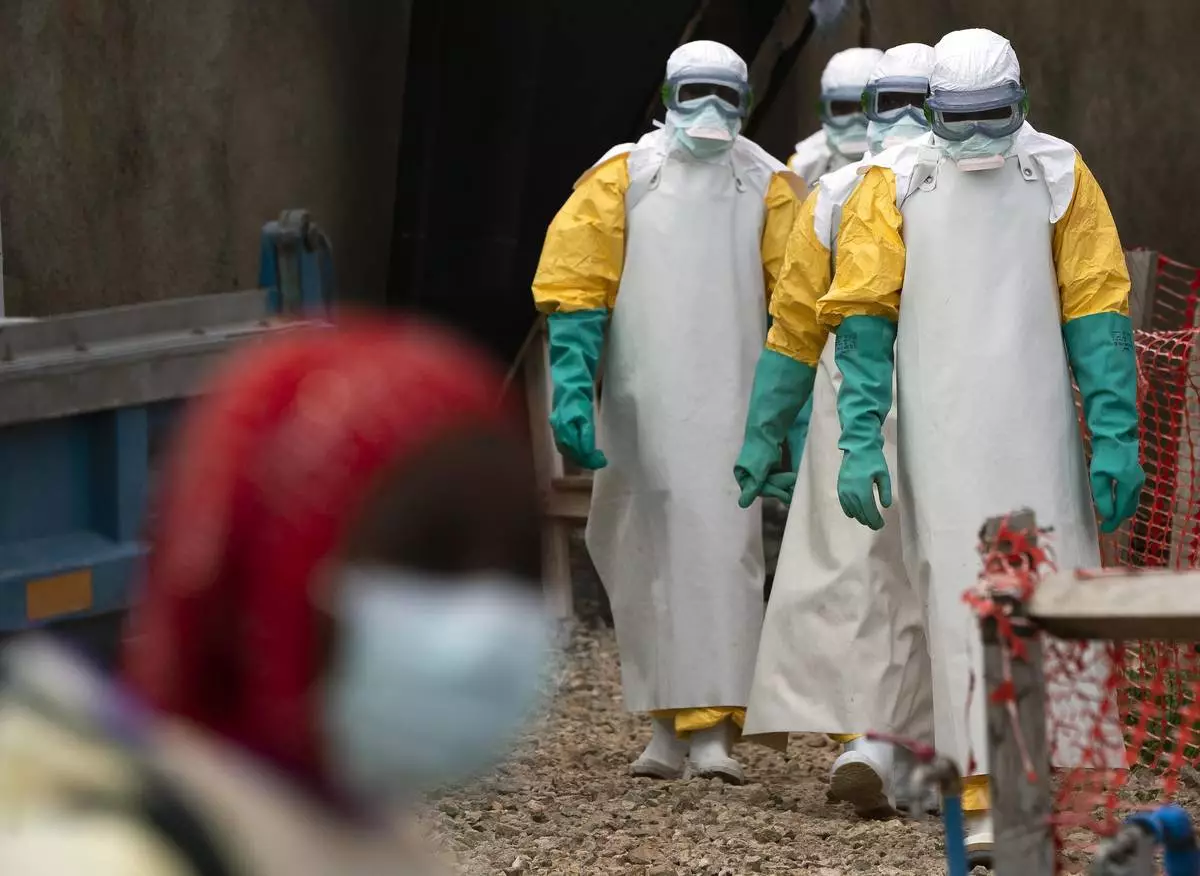
FILE - Health workers dressed in protective gear begin their shift at an Ebola treatment center in Beni, Congo DRC, Tuesday, July 16, 2019. (AP Photo/Jerome Delay, File)
FILE - Health workers dressed in protective gear begin their shift at an Ebola treatment center in Beni, Congo DRC, Tuesday, July 16, 2019. (AP Photo/Jerome Delay, File)
WASHINGTON (AP) — U.S. forces in the Caribbean Sea have seized another sanctioned oil tanker that the Trump administration says has ties to Venezuela, part of a broader U.S. effort to take control of the South American country’s oil.

Homeland Security Secretary Kristi Noem wrote on social media that the U.S. Coast Guard had boarded the Motor Tanker Veronica early Thursday. She said the ship had previously passed through Venezuelan waters and was operating in defiance of President Donald Trump’s "established quarantine of sanctioned vessels in the Caribbean.”

U.S. Southern Command said Marines and sailors launched from the aircraft carrier USS Gerald R. Ford to take part in the operation alongside a Coast Guard tactical team, which Noem said conducted the boarding as in previous raids. The military said the ship was seized “without incident.”

Noem posted a brief video that appeared to show part of the ship’s capture. The black-and-white footage showed helicopters hovering over the deck of a merchant vessel while armed troops dropped down on the deck by rope.

The Veronica is the sixth sanctioned tanker seized by U.S. forces as part of the effort by Trump’s administration to control the production, refining and global distribution of Venezuela’s oil products and the fourth since the U.S. ouster of Venezuela President Nicolás Maduro in a surprise nighttime raid almost two weeks ago.

The Veronica last transmitted its location on Jan. 3 as being at anchor off the coast of Aruba, just north of Venezuela’s main oil terminal. According to the data it transmitted at the time, it was partially filled with crude.

The ship is currently listed as flying the flag of Guyana and is considered part of the shadow fleet that moves cargoes of oil in violation of U.S. sanctions.

According to its registration data, the ship also has been known as the Galileo, owned and managed by a company in Russia. In addition, a tanker with the same registration number previously sailed under the name Pegas and was sanctioned by the U.S. Treasury Department for moving cargoes of illicit Russian oil.

As with prior posts about such raids, Noem and the military framed the seizure as part of an effort to enforce the law. Noem argued that the multiple captures show that “there is no outrunning or escaping American justice.”

However, other officials in Trump's Republican administration have made clear that they see the actions as a way to generate cash as they seek to rebuild Venezuela’s battered oil industry and restore its economy.

Trump met with executives from oil companies last week to discuss his goal of investing $100 billion in Venezuela to repair and upgrade its oil production and distribution. His administration has said it expects to sell at least 30 million to 50 million barrels of sanctioned Venezuelan oil.

This story has been corrected to show the Veronica is the fourth, not the third, tanker seized by U.S. forces since Maduro's capture.

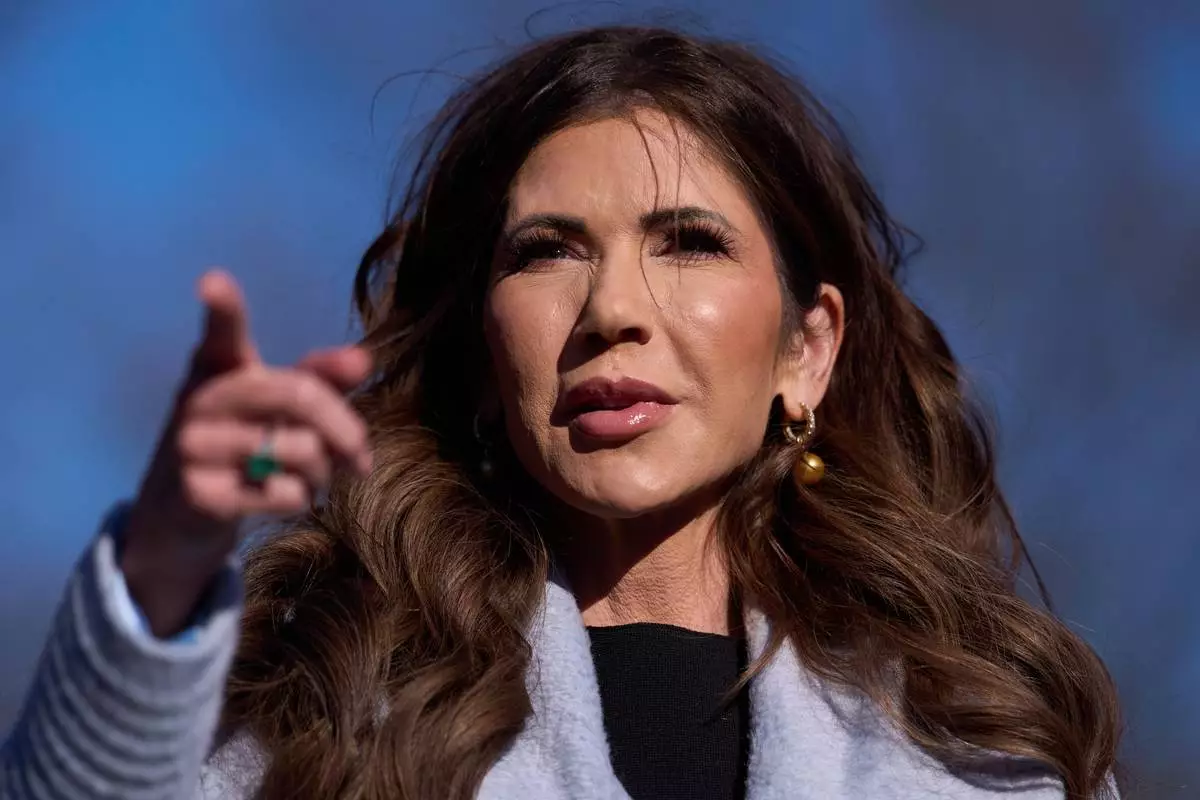
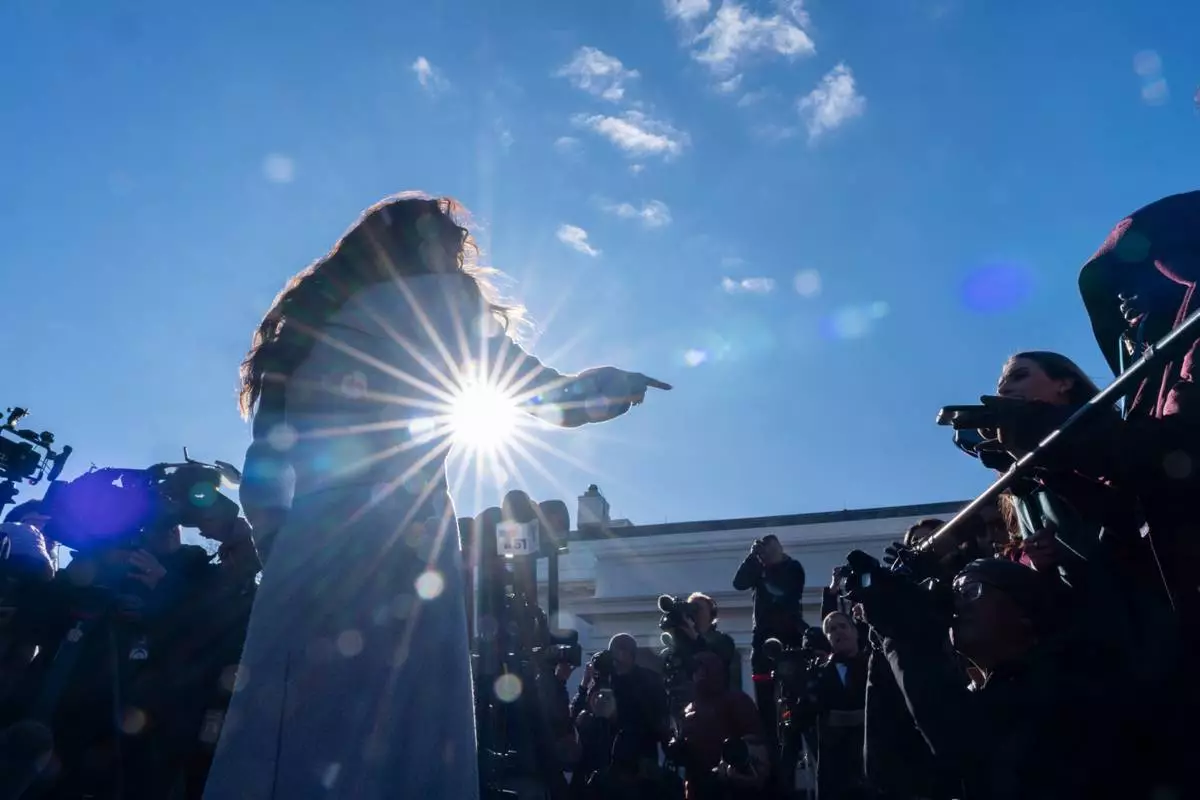
Homeland Security Secretary Kristi Noem speaks with reporters at the White House, Thursday, Jan. 15, 2026, in Washington. (AP Photo/Alex Brandon)

Homeland Security Secretary Kristi Noem speaks with reporters at the White House, Thursday, Jan. 15, 2026, in Washington. (AP Photo/Alex Brandon)

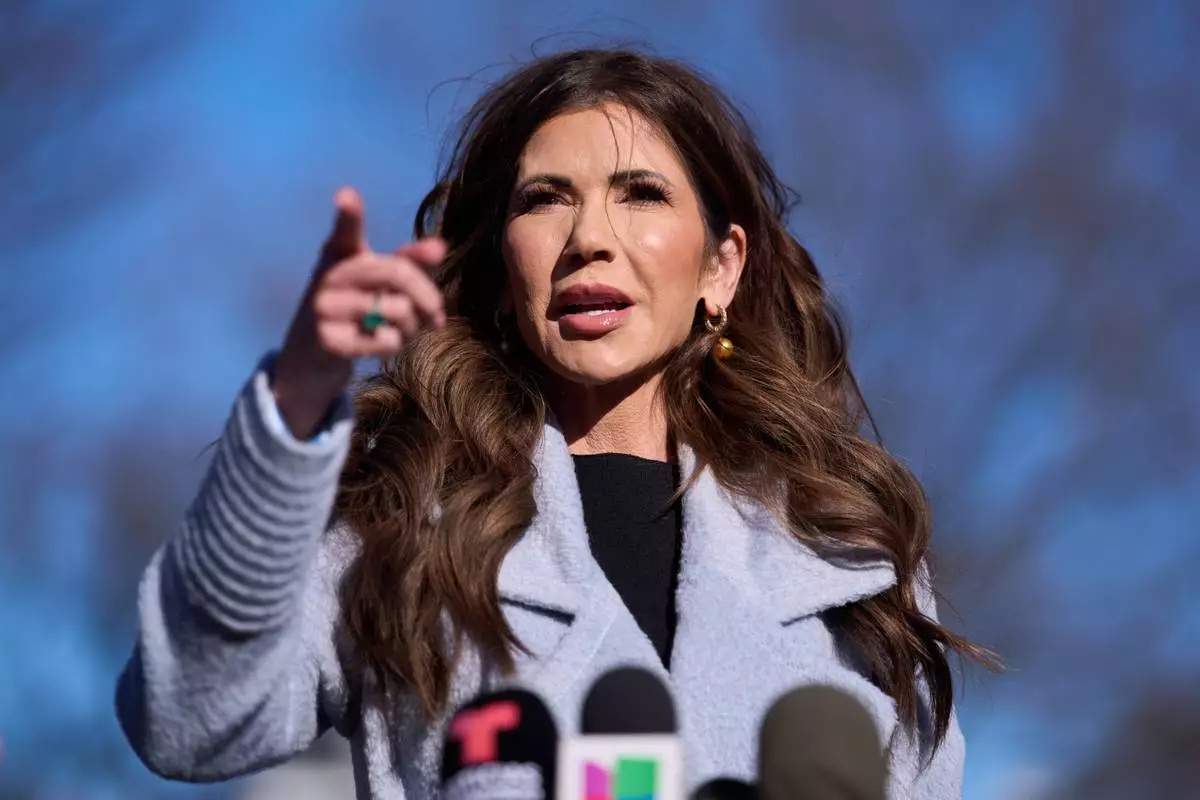
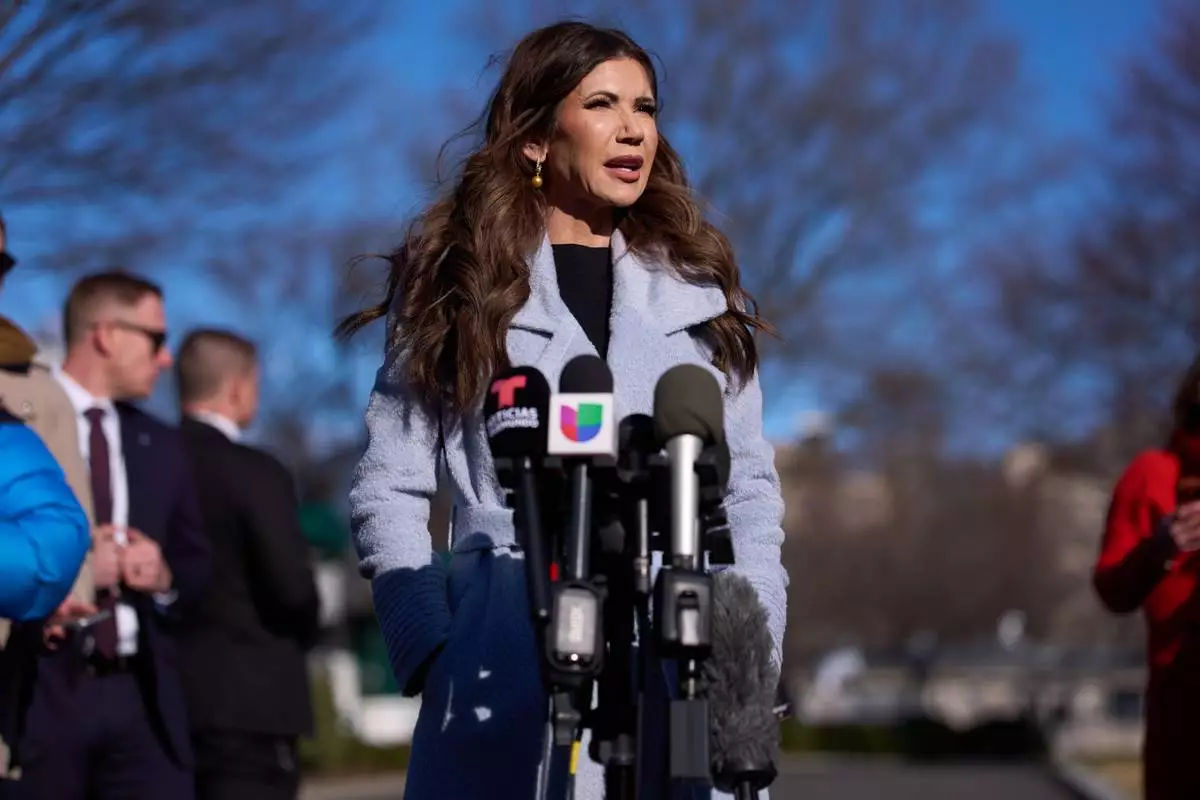
Homeland Security Secretary Kristi Noem speaks with reporters at the White House, Thursday, Jan. 15, 2026, in Washington. (AP Photo/Evan Vucci)

Homeland Security Secretary Kristi Noem speaks with reporters at the White House, Thursday, Jan. 15, 2026, in Washington. (AP Photo/Evan Vucci)

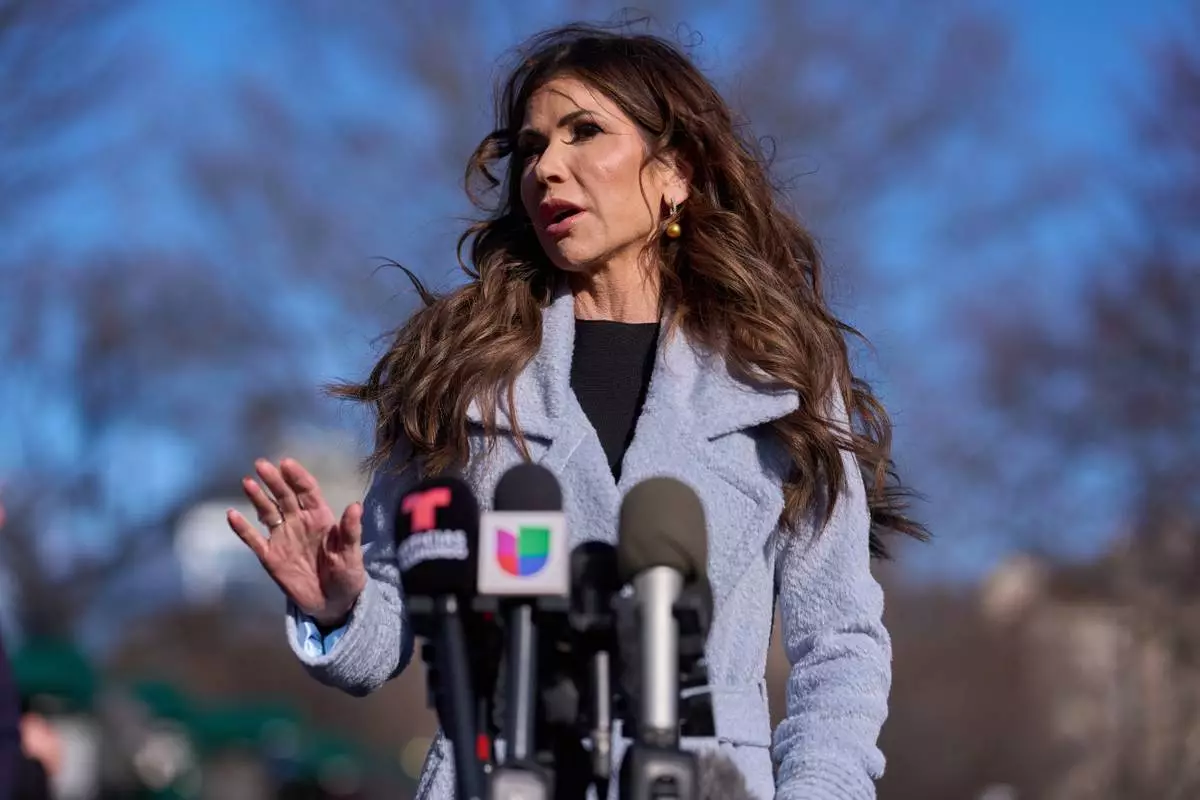
Homeland Security Secretary Kristi Noem speaks with reporters at the White House, Thursday, Jan. 15, 2026, in Washington. (AP Photo/Evan Vucci)

Homeland Security Secretary Kristi Noem speaks with reporters at the White House, Thursday, Jan. 15, 2026, in Washington. (AP Photo/Evan Vucci)

Homeland Security Secretary Kristi Noem speaks with reporters at the White House, Thursday, Jan. 15, 2026, in Washington. (AP Photo/Evan Vucci)

Homeland Security Secretary Kristi Noem speaks with reporters at the White House, Thursday, Jan. 15, 2026, in Washington. (AP Photo/Evan Vucci)

Homeland Security Secretary Kristi Noem speaks with reporters at the White House, Thursday, Jan. 15, 2026, in Washington. (AP Photo/Evan Vucci)

Homeland Security Secretary Kristi Noem speaks with reporters at the White House, Thursday, Jan. 15, 2026, in Washington. (AP Photo/Evan Vucci)

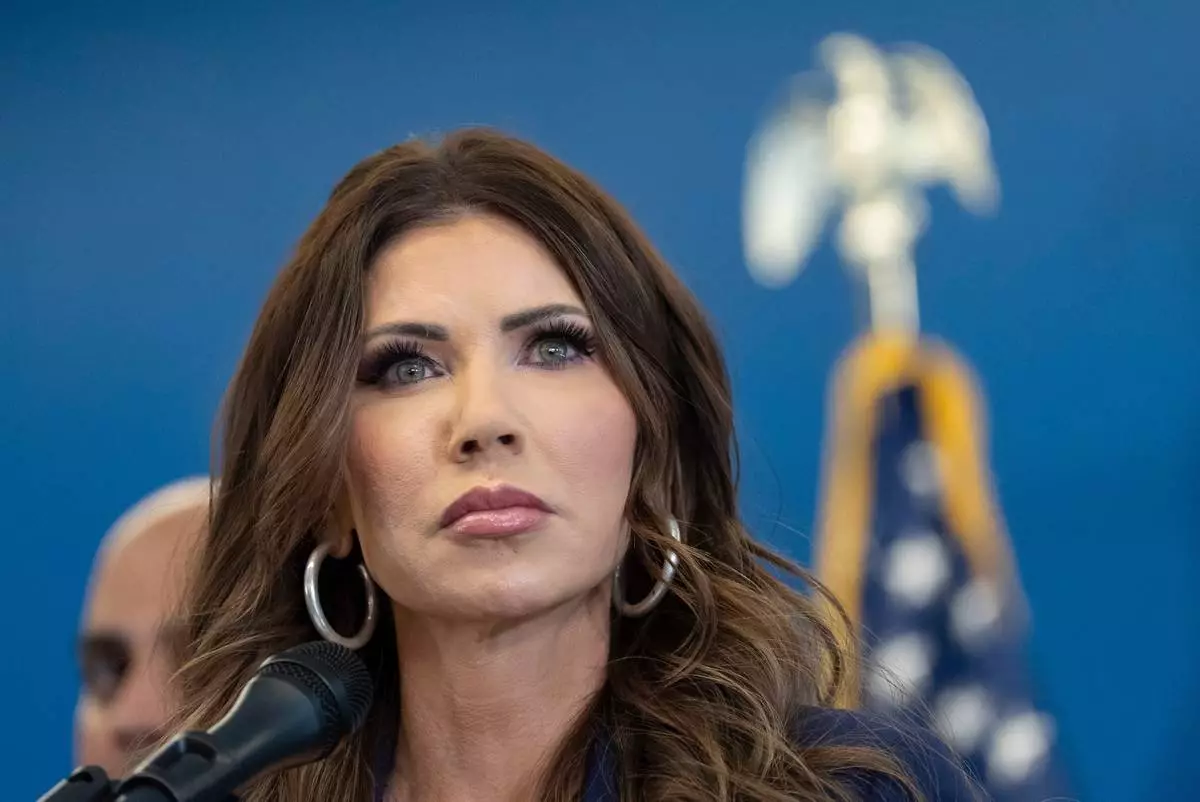
U.S. Homeland Security Secretary Kristi Noem speaks during a press conference, Thursday, Jan. 8, 2026, in New York. (AP Photo/Yuki Iwamura)

U.S. Homeland Security Secretary Kristi Noem speaks during a press conference, Thursday, Jan. 8, 2026, in New York. (AP Photo/Yuki Iwamura)

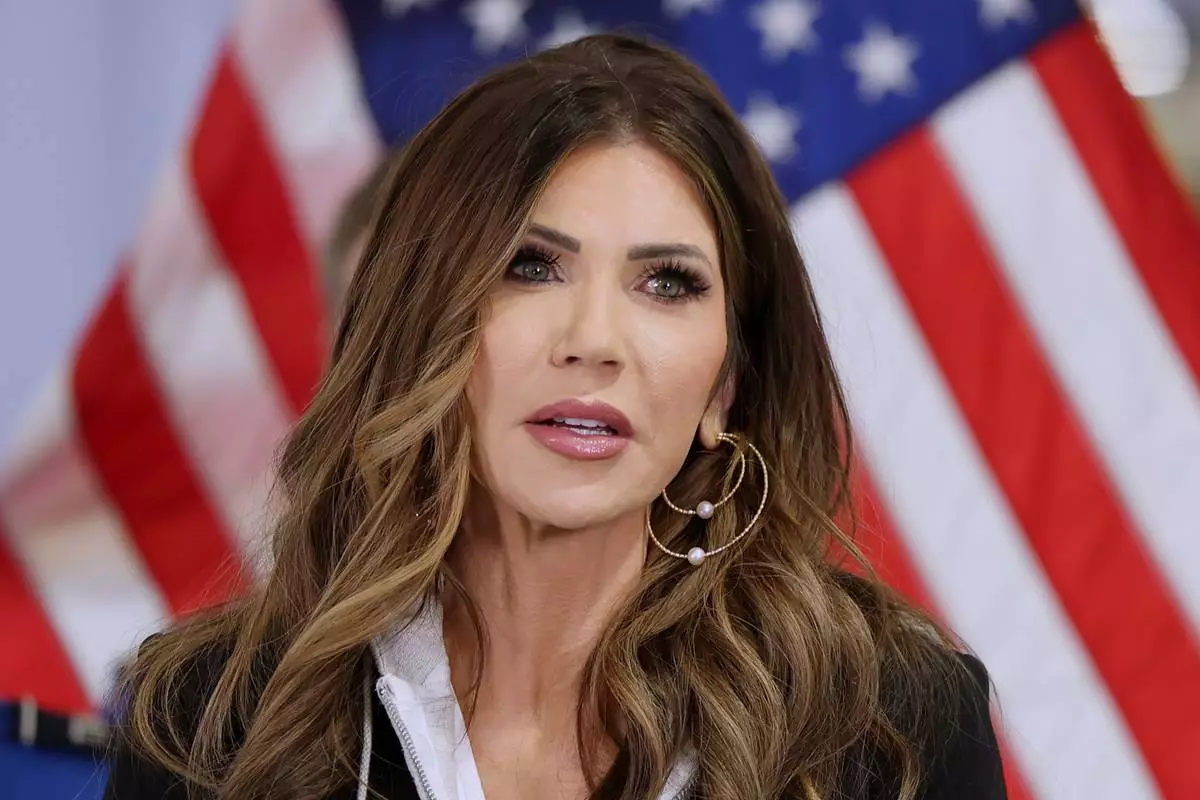
U.S. Homeland Security Secretary Kristi Noem speaks at a news conference at Harry Reid International Airport, Nov. 22, 2025, in Las Vegas. (AP Photo/Ronda Churchill, File)

U.S. Homeland Security Secretary Kristi Noem speaks at a news conference at Harry Reid International Airport, Nov. 22, 2025, in Las Vegas. (AP Photo/Ronda Churchill, File)

Recommended Articles