The scale of exchange-traded funds (ETFs) in China has expanded significantly this year, with the market value reaching 5.02 trillion yuan (about 772.31 billion U.S. dollars) as of the market close on Thursday, marking a 34 percent increase from the end of last year.
As of Thursday, ETF shares totaled 2.89 trillion, marking an increase of 239.72 billion shares compared from the end of last year.
The ETF is an open-end fund listed and traded on stock exchanges, and it invests in constituent securities of specified indices or other underlying assets according to the fund contract.
"The gradual stabilization and improvement of the stock market have significantly boosted fund net values, which is a key driver behind this year's growth in ETF scale. In addition, at the beginning of the year, the China Securities Regulatory Commission released the 'Action Plan for Promoting the High-Quality Development of Index Investments in the Capital Market,' providing institutional support for the industry. Moreover, with the continuous innovation and launch of various ETF products, there has been a noticeable increase in investors' awareness and recognition of ETFs," said Zhao Gege, chief macro analyst at Everbright Securities.
As a vital channel for capital entering the market, the substantial growth of the ETF market carries profound implications for both the capital market and the broader Chinese economy.
"ETF products are becoming increasingly diverse, and the investment ecosystem is continuously evolving. The 'investment toolbox,' which now includes over 1,200 products, is consistently expanding to cover a wide range of areas including broad-based, sector, and thematic ETFs. This diversity caters to the allocation needs of various types of investors and serves as an important support for the high-quality development of the capital market," said Tian Lihui, head of the Institute of Finance and Development at Nankai University.
The growth in ETF scale not only directly reflects market vitality, but also effectively attracts more patient and long-term capital into the market. This influx of capital further promotes the stable operation and healthy development of the capital market, enhancing overall market resilience and sustainability.
"This signifies that an increasing number of institutional and individual investors are choosing index-based investments to share in the country's development dividends. This positive cycle of 'long-term money for long-term investment' is injecting stability into the market, better aligning the capital market with the long-term development needs of the real economy," said Tian.
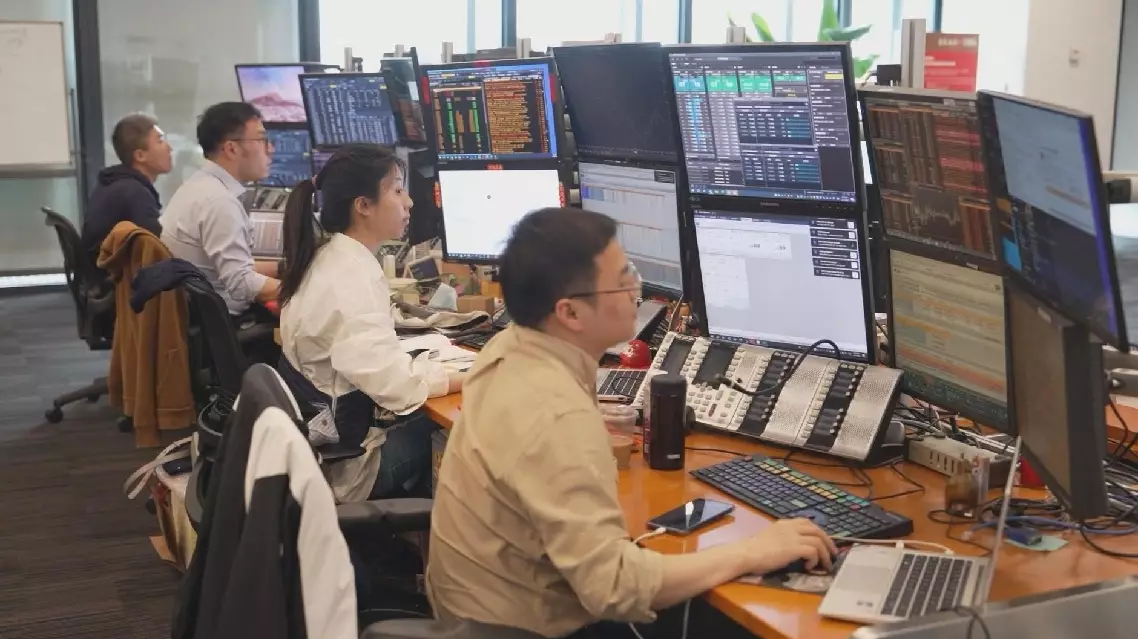
China sees significant expansion of ETFs
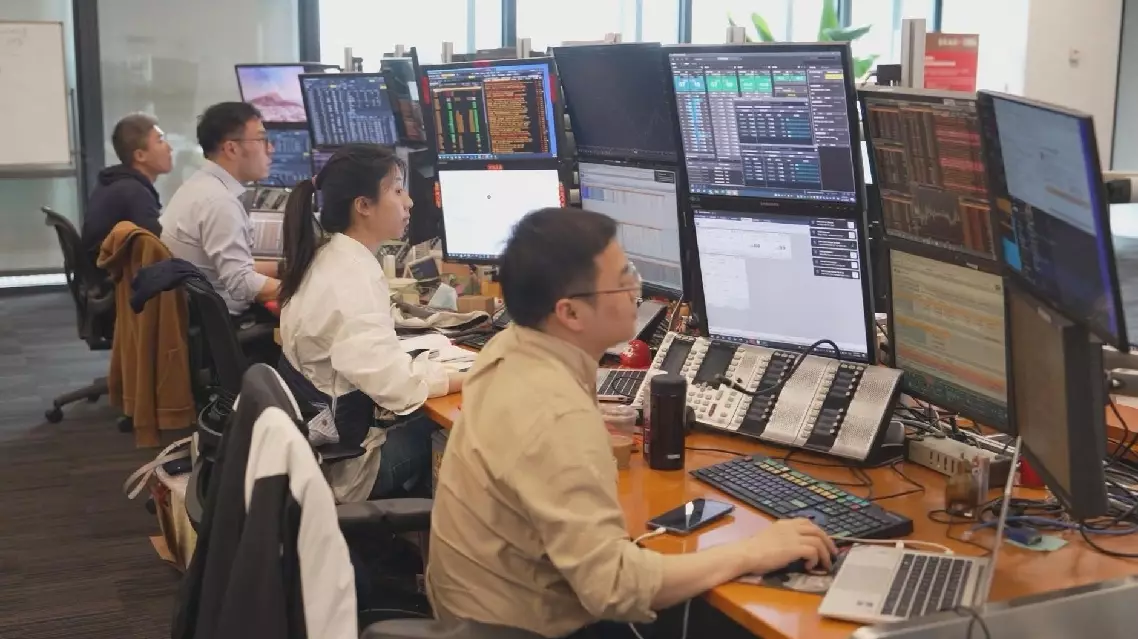
China sees significant expansion of ETFs