Chinese President Xi Jinping on Monday attended a virtual BRICS Summit and delivered an important statement, calling on BRICS countries to forge ahead in solidarity and cooperation.
The summit was chaired by Brazilian President Luiz Inacio Lula da Silva and also attended via video link by Russian President Vladimir Putin, South African President Cyril Ramaphosa, Egyptian President Abdel Fattah El-Sisi, Iranian President Masoud Pezeshkian, Indonesian President Prabowo Subianto, the Crown Prince of Abu Dhabi Sheikh Khaled bin Mohamed bin Zayed Al Nahyan, and the representatives of India and Ethiopia.
Click to Gallery
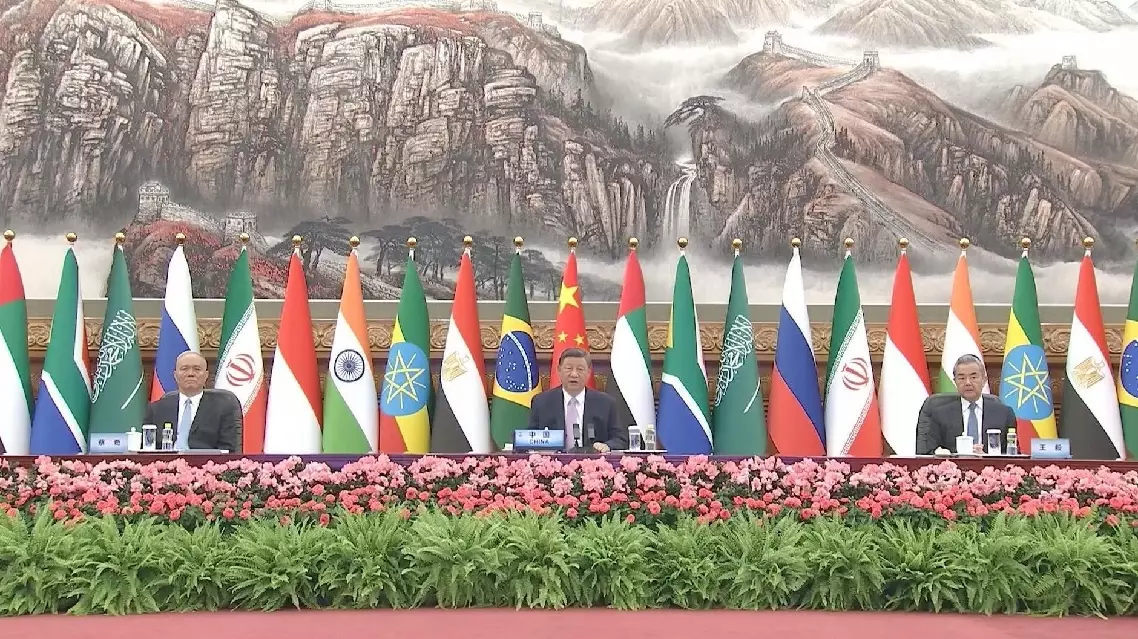
Xi makes three proposals at virtual BRICS Summit to cement solidarity, advance cooperation
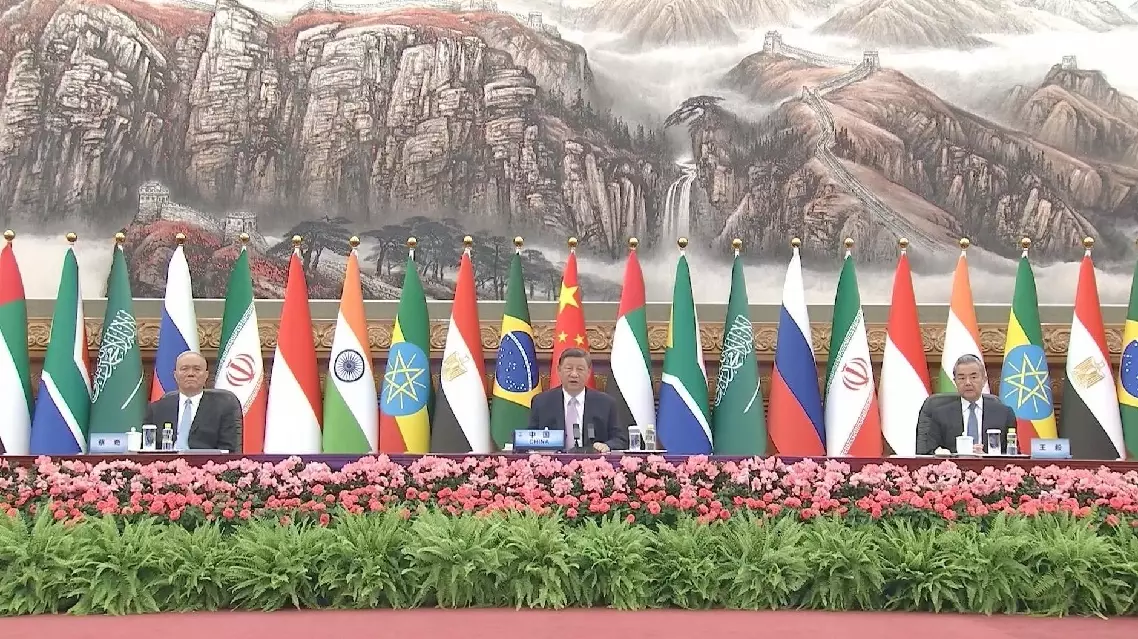
Xi makes three proposals at virtual BRICS Summit to cement solidarity, advance cooperation
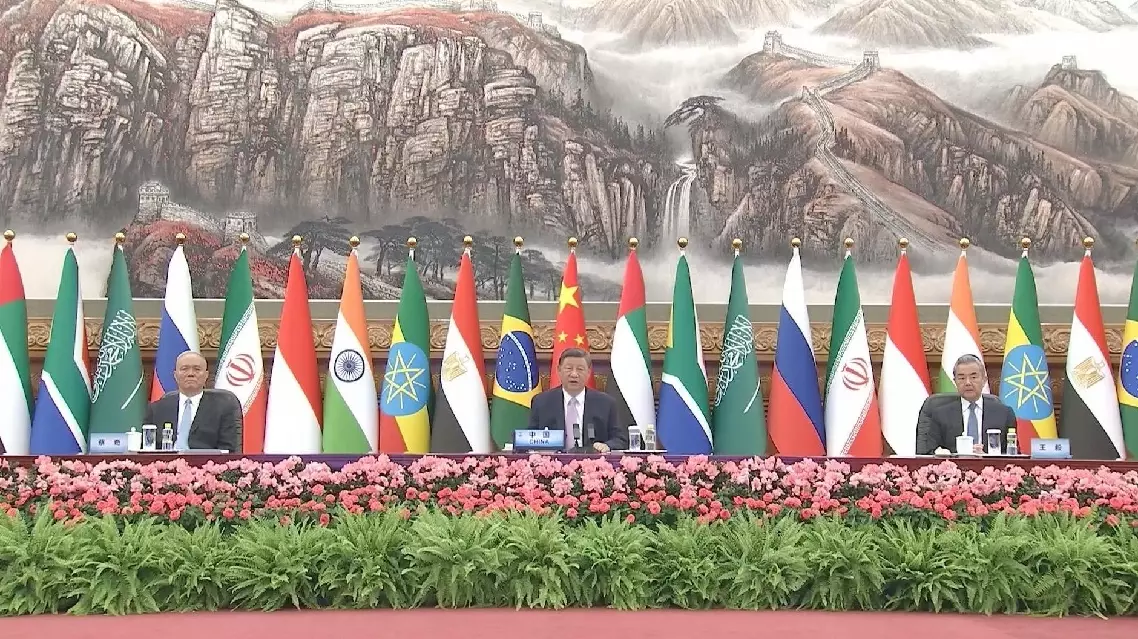
Xi makes three proposals at virtual BRICS Summit to cement solidarity, advance cooperation
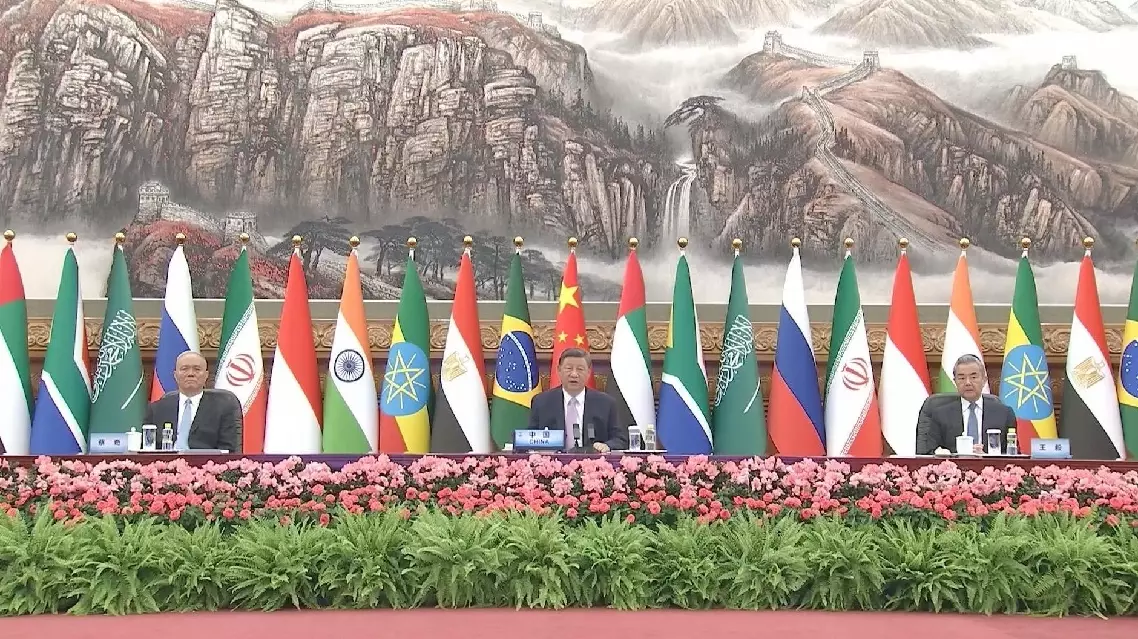
Xi calls on BRICS countries to jointly defend multilateralism, multilateral trading system
In his statement titled "Forging Ahead in Solidarity and Cooperation," Xi noted that transformation unseen in a century is accelerating across the world, and hegemonism, unilateralism, and protectionism are getting more and more rampant.
BRICS countries, standing at the forefront of the Global South, should act on the BRICS Spirit of openness, inclusiveness and win-win cooperation, jointly defend multilateralism and the multilateral trading system, advance greater BRICS cooperation, and build a community with a shared future for humanity, Xi said. He made three proposals to this end.
He firstly called on BRICS countries to uphold multilateralism to defend international fairness and justice. "Multilateralism is the shared aspiration of the people and the overarching trend of our time," Xi said, adding that it provides an important underpinning for world peace and development.
Xi said the Global Governance Initiative that he recently proposed is aimed at galvanizing joint global action for a more just and equitable global governance system.
It is important to follow the principle of extensive consultation and joint contribution for shared benefit, and safeguard the international system with the United Nations at its core and the international order based on international law, so as to cement the foundations of multilateralism, he said.
Xi said active efforts should be made to promote greater democracy in international relations and increase the representation and voice of Global South countries, adding that the global governance system should be improved through reform so as to fully mobilize resources from all quarters and tackle more effectively the common challenges for humanity.
His second proposal was upholding openness and win-win cooperation to safeguard the international economic and trade order. Noting economic globalization is an irresistible trend of history, Xi said countries cannot thrive without an international environment of open cooperation, and no country can afford to retreat to self-imposed isolation.
He said BRICS countries need to stay committed to building an open global economy, so as to share opportunities and achieve win-win outcomes in openness, adding that the multilateral trading system with the World Trade Organization at its core should be upheld and all forms of protectionism should be opposed.
BRICS countries should promote a universally beneficial and inclusive economic globalization, place development at the heart of the international agenda, and ensure that Global South countries participate in international cooperation as equals and share in the fruits of development, Xi said.
Thirdly, BRICS countries should uphold solidarity and cooperation to foster synergy for common development, Xi said.
BRICS countries account for nearly half of the world's population, around 30 percent of global economic output, and one-fifth of global trade.
Xi said the more closely BRICS countries work together, the more resilient, resourceful and effective they are in addressing external risks and challenges.
China is ready to work with fellow BRICS countries to implement the Global Development Initiative, advance high-quality Belt and Road cooperation, leverage respective strengths, deepen practical cooperation, and make business, financial, scientific and technological cooperation more productive, so as to strengthen the foundation, momentum and impact of greater BRICS cooperation and deliver more practical benefits to the peoples, he said.
Other participating leaders said that unilateralist and bullying acts are disrupting the international order, international law and international rules are under threat, and trade is being used as a tool to interfere in other countries' internal affairs, which severely jeopardize world peace and development.
They said BRICS countries need to strengthen solidarity and collaboration, jointly respond to crises and challenges, safeguard multilateralism, uphold the international system of free and open trade, and protect the common interests of the Global South.
The leaders noted that the Global Governance Initiative proposed by President Xi is pertinent and points the direction and path for improving global governance.
The parties agreed to maintain communication on hotspot issues such as the Ukraine crisis and the conflict in Gaza. They stressed the need to make good use of the Group of Friends for Peace on the Ukraine crisis and adhere to the two-State solution for resolving the Palestinian question and maintaining peace and stability in the Middle East.
Xi makes three proposals at virtual BRICS Summit to cement solidarity, advance cooperation
Xi makes three proposals at virtual BRICS Summit to cement solidarity, advance cooperation
Xi makes three proposals at virtual BRICS Summit to cement solidarity, advance cooperation
Xi calls on BRICS countries to jointly defend multilateralism, multilateral trading system