The governors of Arizona, Illinois, Maine and North Carolina on Friday joined the growing list of Democratic officials who have signed orders intended to ensure most residents can receive COVID-19 vaccines at pharmacies without individual prescriptions.
Unlike past years, access to COVID-19 vaccines has become complicated in 2025, largely because federal guidance does not recommend them for nearly everyone this year as it had in the past.
Here's a look at where things stand.
CVS Health, the biggest pharmacy chain in the U.S., says its stores are offering the shots without an individual prescription in 41 states as of midday Friday.
But the remaining states — Arizona, Florida, Georgia, Louisiana, Maine, North Carolina, Oregon, Utah and West Virginia, plus the District of Columbia — require individual prescriptions under the company's interpretation of state policies.
Arizona, Maine and North Carolina are likely to come off that list as the new orders take effect there.
“I will not stand idly by while the Trump Administration makes it harder for Maine people to get a vaccine that protects their health and could very well save their life,” Maine Gov. Janet Mills said in the statement. “Through this standing order, we are stepping up to knock down the barriers the Trump Administration is putting in the way of the health and welfare of Maine people.”
At least 14 states — 12 with Democratic governors, plus Virginia, where Republican Glenn Youngkin is governor — have announced policies this month to ease access.
In some of the states that have expanded access — including Delaware and New Jersey earlier in the week and Illinois on Friday — at least some pharmacies were already providing the shots broadly.
Friday's orders are expected to change the policy in all three states where they were put into place.
North Carolina's orders were narrower than most. They apply to everyone age 65 and over and people who are at least 18 and have a risk factor. Other adults would still need prescriptions. Officials said the order takes effect immediately, but that all pharmacies might not have supplies on hand right away.
While most Republican-controlled states have not changed vaccine policy this month, the inoculations are still available there under existing policies.
In addition to the round of orders from governors, boards of pharmacy and other officials, four states — California, Hawaii, Oregon and Washington — have announced an alliance to make their own vaccine recommendations. Of those, only Oregon doesn't currently allow the shots in pharmacies without individual prescriptions.
In past years, the federal government has recommended the vaccines to all Americans above the age of 6 months.
This year, the U.S. Food and Drug Administration approved them for people age 65 and over but said they should be used only for children and younger adults who have a risk factor such as asthma or obesity.
That change came as U.S. Health Secretary Robert F. Kennedy fired the entire Advisory Committee on Immunization Practices in June, accusing of them of being too closely aligned with the companies that make the vaccines. The replacements include vaccine skeptics.
Arizona Gov. Katie Hobbs, a Democrat, framed her order Friday as “protecting the health care freedom” of people in the state.
Florida's surgeon general, Dr. Joseph Ladapo, announced this month that the state could become the first to eliminate requirements that children have a list of vaccinations.
Since then, though, the state health department said that the change likely wouldn't take effect until December and that without legislative action, only some vaccines — including for chickenpox — would become optional. The measles and polio shots would remain mandatory.
Associated Press writer Patrick Whittle in Maine contributed to this report.
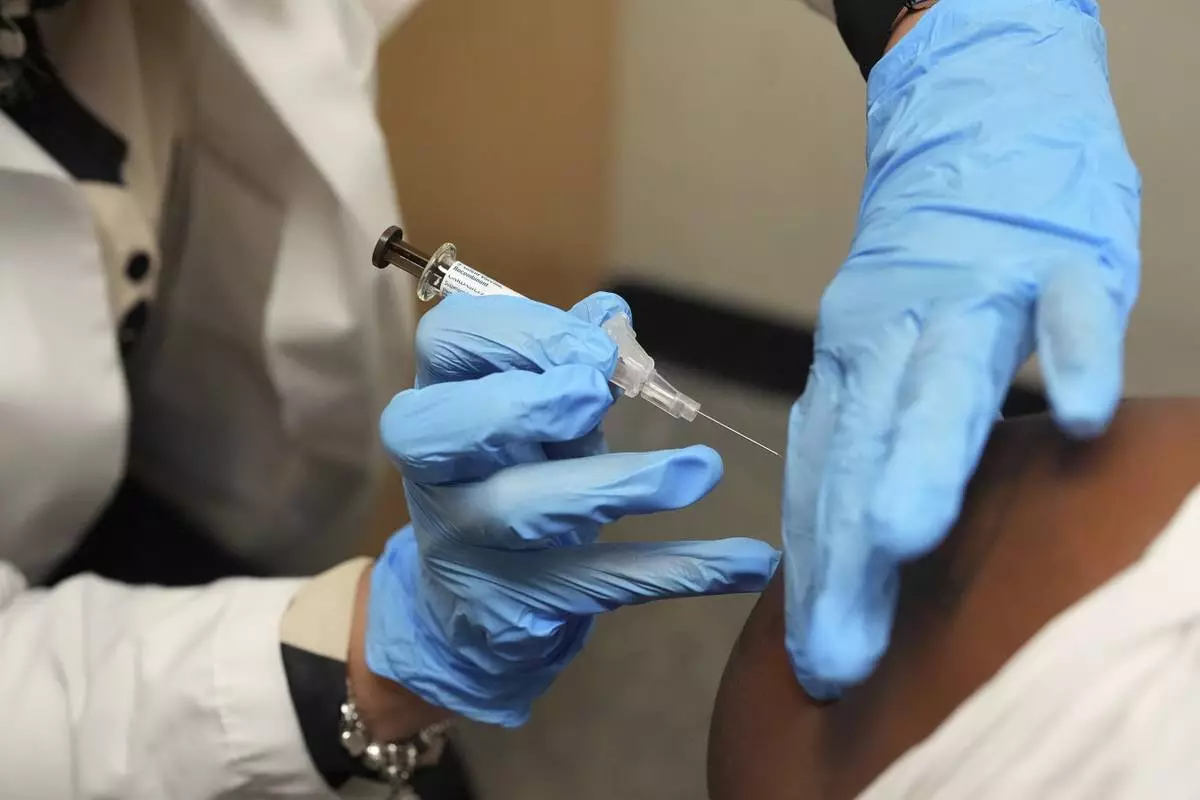
Pharmacy manager Aylen Amestoy administers a patient with a vaccine protecting against human papillomavirus (HPV), at a CVS Pharmacy in Miami, Tuesday, Sept. 9, 2025. (AP Photo/Rebecca Blackwell)

A sign advertises seasonal flu and COVID-19 vaccines at a CVS Pharmacy in Miami, Tuesday, Sept. 9, 2025. (AP Photo/Rebecca Blackwell)
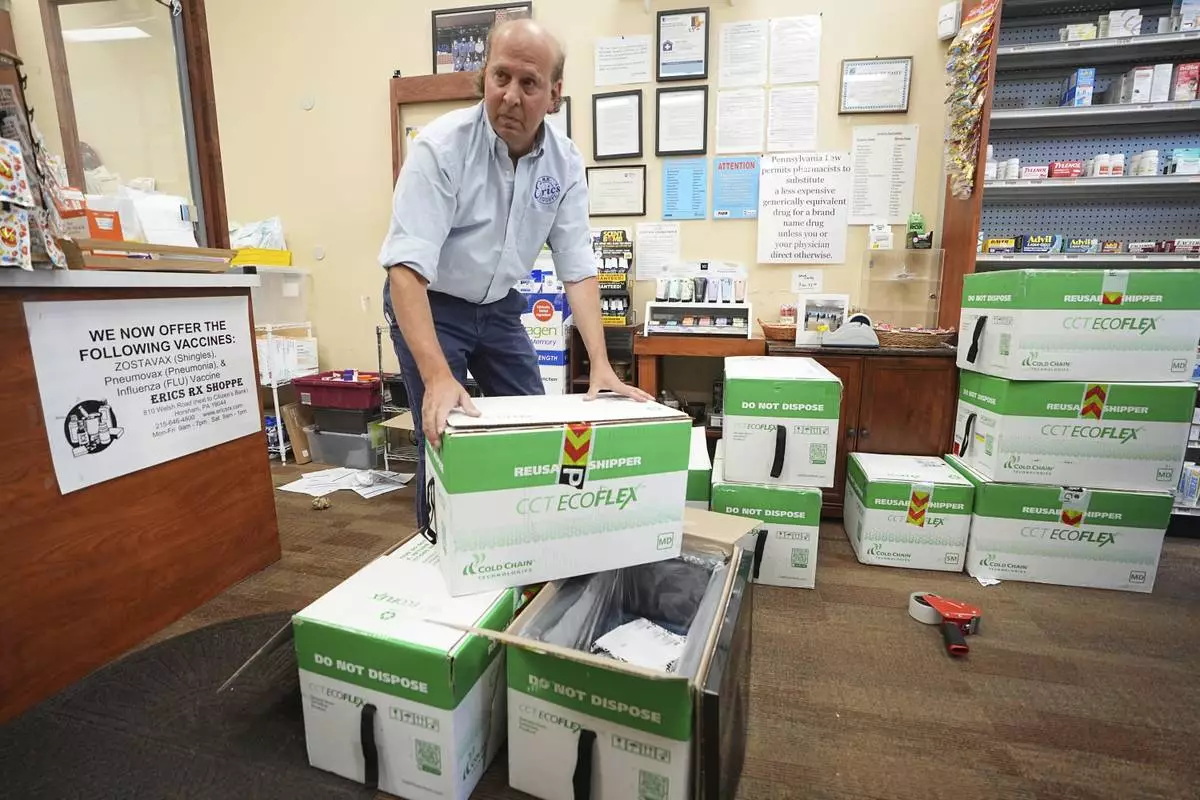
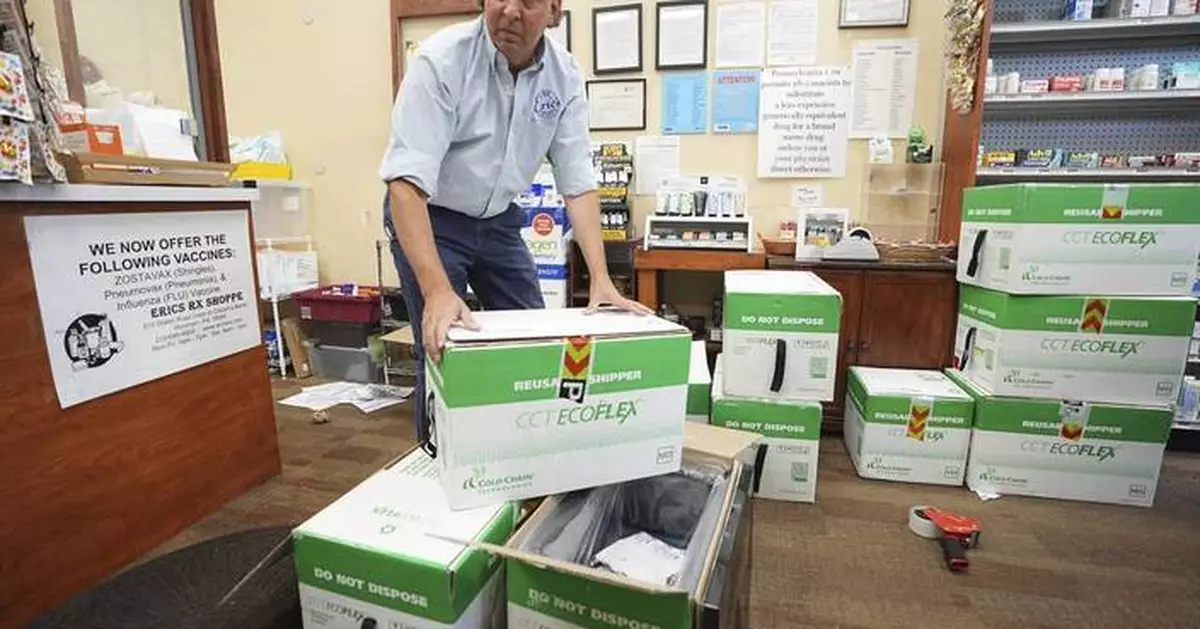
Co-owner Eric Abramowitz at Eric's Rx Shoppe unpacks a shipment of COVID-19 vaccines at the store in Horsham, Pa., Tuesday, Sept. 2, 2025. (AP Photo/Matt Rourke)
NAKHON RATCHASIMA, Thailand (AP) — A construction crane collapsed onto an elevated road near Bangkok, killing two people on Thursday, a day after another crane fell on a moving passenger train in northeastern Thailand and killed 32 people.
The work on an extension of the Rama 2 Road expressway — a major artery leading from Bangkok — has become notorious for construction accidents, some of them fatal.
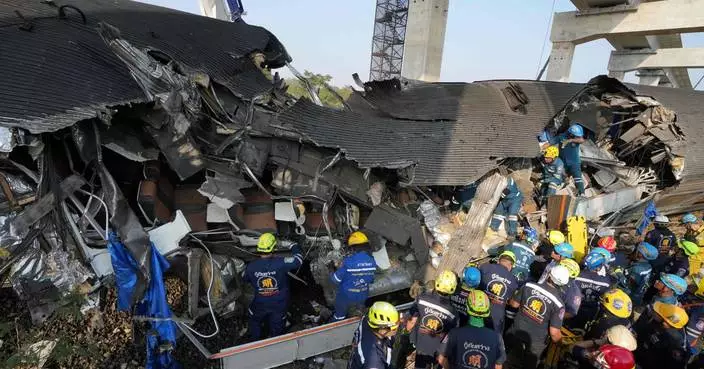
The crane collapsed at part of the road project in Samut Sakhon province, trapping two vehicles in the wreckage, according to the government’s Public Relations Department.
Transport Minister Phiphat Ratchakitprakarn said on Thai TV Channel 7 that two people had died. It was unclear if anyone else had been trapped in the wreckage.
There was uncertainty about the number of victims because the site is still considered too dangerous for search teams to enter, said Suchart Tongteng, a rescue worker with the Ruamkatanyu Foundation.
“At this moment, we still can’t say whether another collapse could happen,” he said, citing dangling steel plates. “That’s why there are no rescue personnel inside the scene, only teams conducting on-site safety assessments.”
At the site of Wednesday's train derailment, the search for survivors ended, Nakhon Ratchasima Gov. Anuphong Suksomnit said. Three passengers listed as missing were presumed to have gotten off the train earlier, but that was still being investigated.
Officials believed 171 people had been aboard the train’s three carriages, which were being removed from the scene Thursday.
The crane that fell, crushing part of the train, was a launching gantry crane, a mobile piece of equipment often used in building elevated roadways.
Police were still collecting evidence and interviewing witnesses and have not pressed charges, provincial Police Chief Narongsak Promta told reporters.
South Korea's Foreign Ministry reported a South Korean man in his late 30s, was among the dead.
The high-speed rail project where the accident occurred is associated with the plan to connect China with Southeast Asia under Beijing’s Belt and Road Initiative.
In August 2024, a railway tunnel on the planned route, also in Nakhon Ratchasima, collapsed, killing three workers.
Anan Phonimdaeng, acting governor of the State Railway of Thailand, said the project’s contractor is Italian-Thai Development, with a Chinese company responsible for design and construction supervision.
A statement posted on the website of the company, also known as Italthai, expressed condolences to the victims and said the company would pay compensation to the families of the dead and hospitalization expenses for the injured.
Transport Minister Phiphat said Italthai was also the lead contractor on the highway project where Thursday's accident took place, though several other companies are also involved.
The rail accident had already sparked outrage because Italthai was also the co-lead contractor for the State Audit Building in Bangkok that collapsed during construction last March during a major earthquake centered in Myanmar. The building's collapse was the worst quake damage in Thailand and about 100 people were killed.
Twenty-three individuals and companies have been indicted, including Italthai's president and the local director for the company China Railway No. 10, the project’s joint venture partner. The charges in the case include professional negligence and document forgery, and Thailand's Department of Special Investigation has recommended more indictments.
The involvement of Chinese companies in both projects has also drawn attention, as has Italthai and Chinese companies’ involvement in the construction of several expressway extensions in and around Bangkok where several accidents, some fatal, have occurred.
In Beijing, Chinese Foreign Ministry spokesperson Mao Ning said Wednesday the government was aware of the rail accident and had expressed condolences.
Associated Press writers Wasamon Audjarint in Bangkok and Hyung-jin Kim in Seoul, South Korea, contributed to this report.
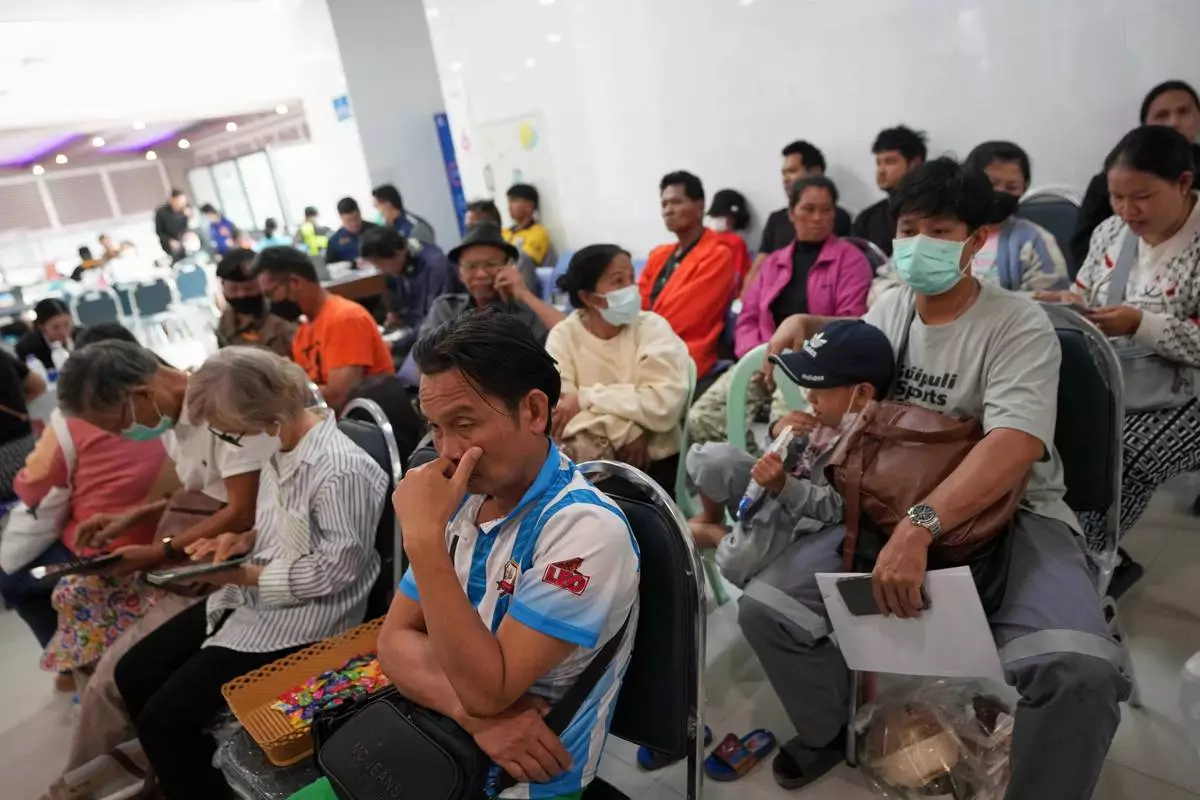
Relatives of victims and others wait at a hospital, a day after a construction crane fell into a passenger train in Nakhon Ratchasima province, Thailand, Thursday, Jan. 15, 2026. (AP Photo/Sakchai Lalit)
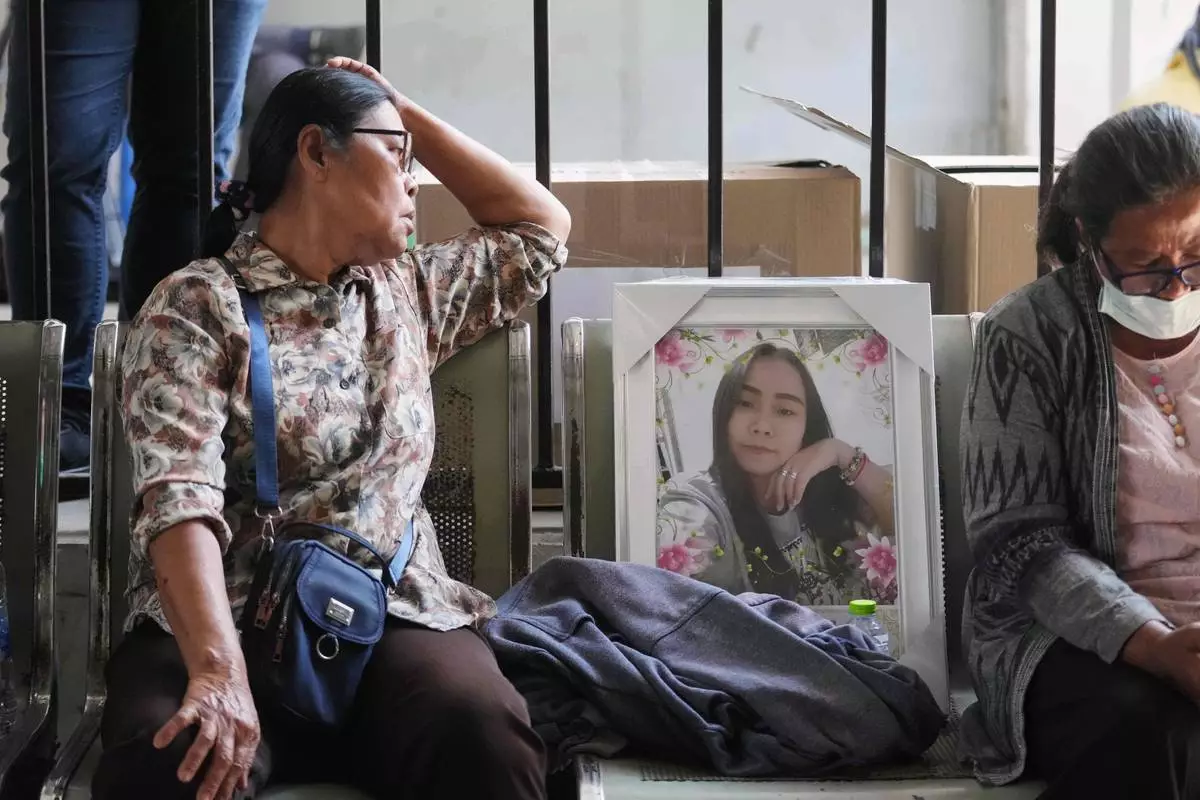
Relatives wait at a hospital to receive bodies of victims, a day after a construction crane fell into a passenger train in Nakhon Ratchasima province, Thailand, Thursday, Jan.15, 2026. (AP Photo/Sakchai Lalit)
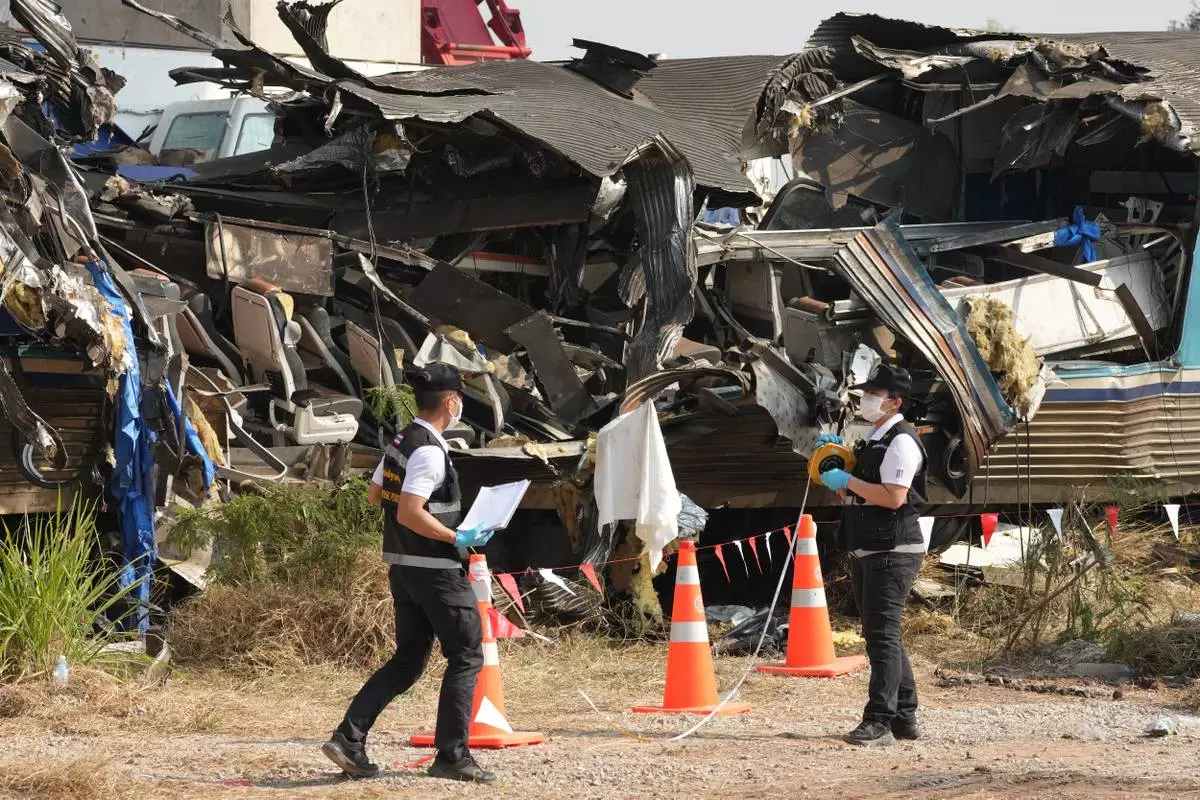
Forensic workers inspect the site of a train accident, a day after a construction crane fell into a passenger train in Nakhon Ratchasima province, Thailand, Thursday, Jan. 15, 2026. (AP Photo/Sakchai Lalit)
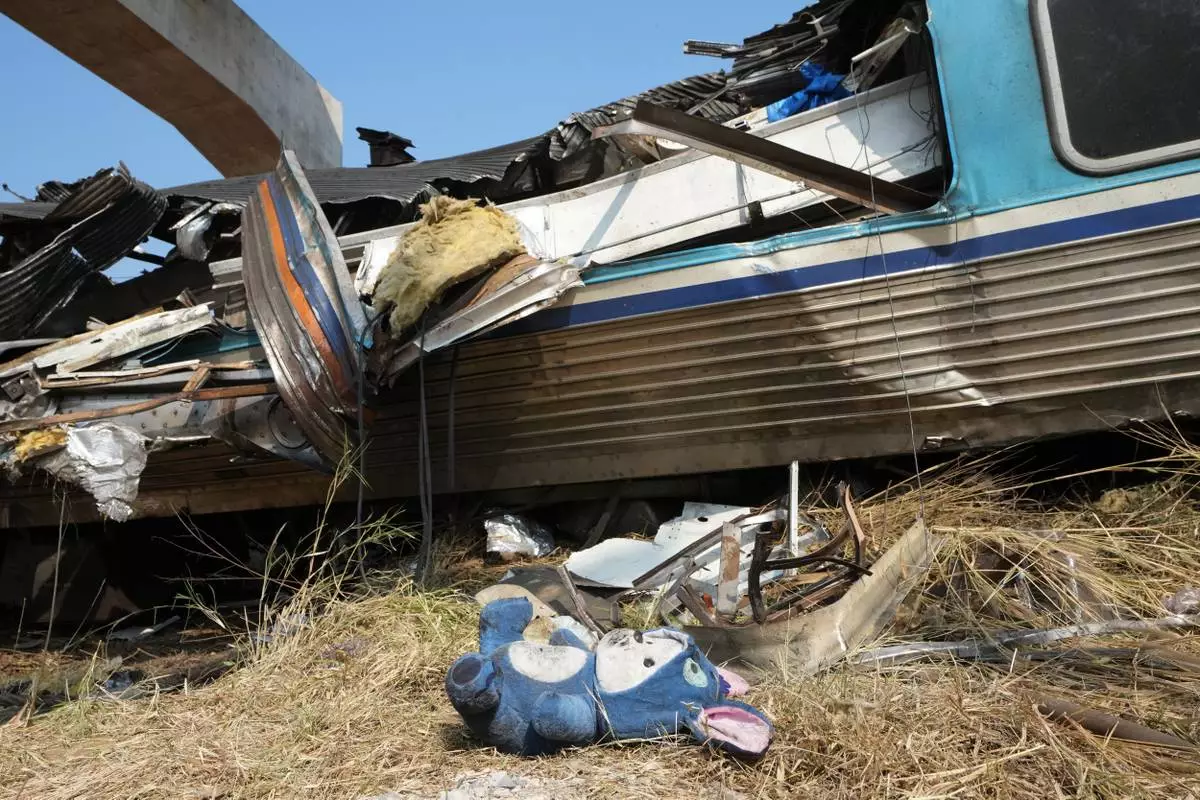
A cuddly toy lies on the ground at the site of a train accident, a day after a construction crane fell into a passenger train in Nakhon Ratchasima province, Thailand, Thursday, Jan. 15, 2026. (AP Photo/Sakchai Lalit)
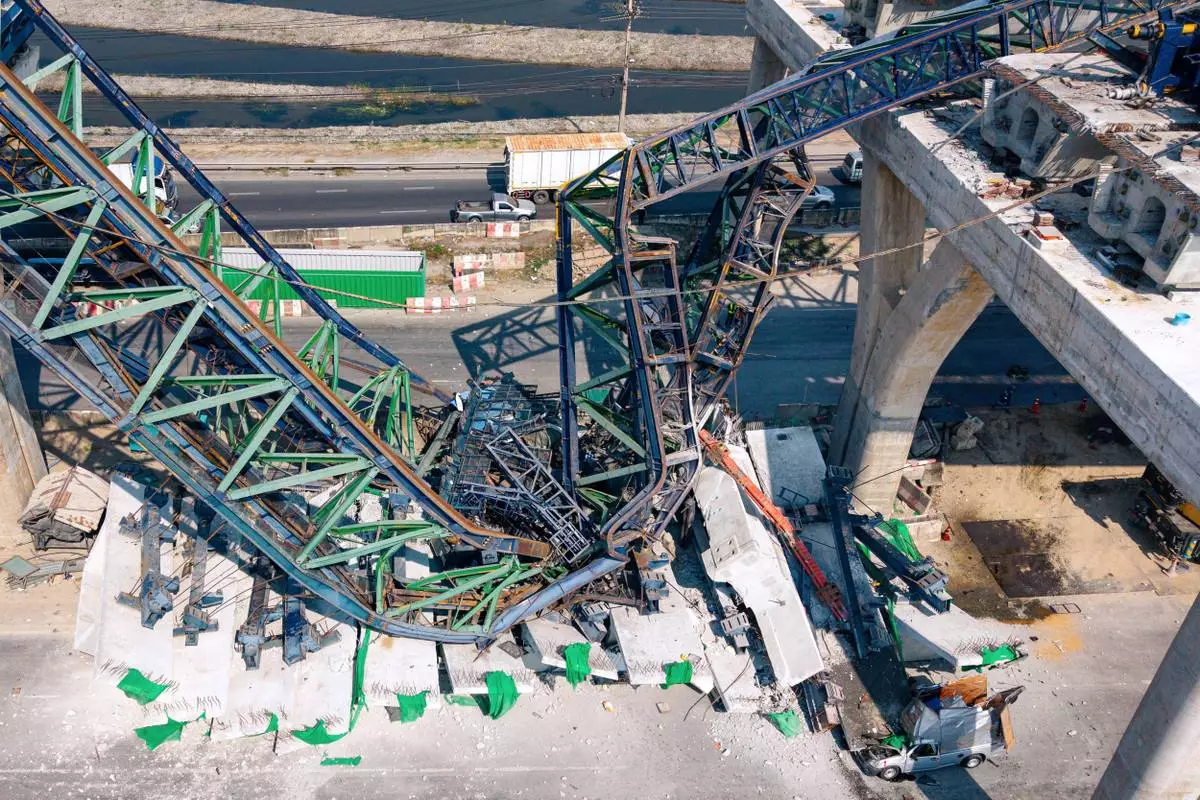
A construction crane that collapsed on the Rama 2 Road elevated expressway in Samut Sakhon province, Thailand on Thursday, Jan. 15, 2026. (AP Photo/Arnun Chonmahatrakool)
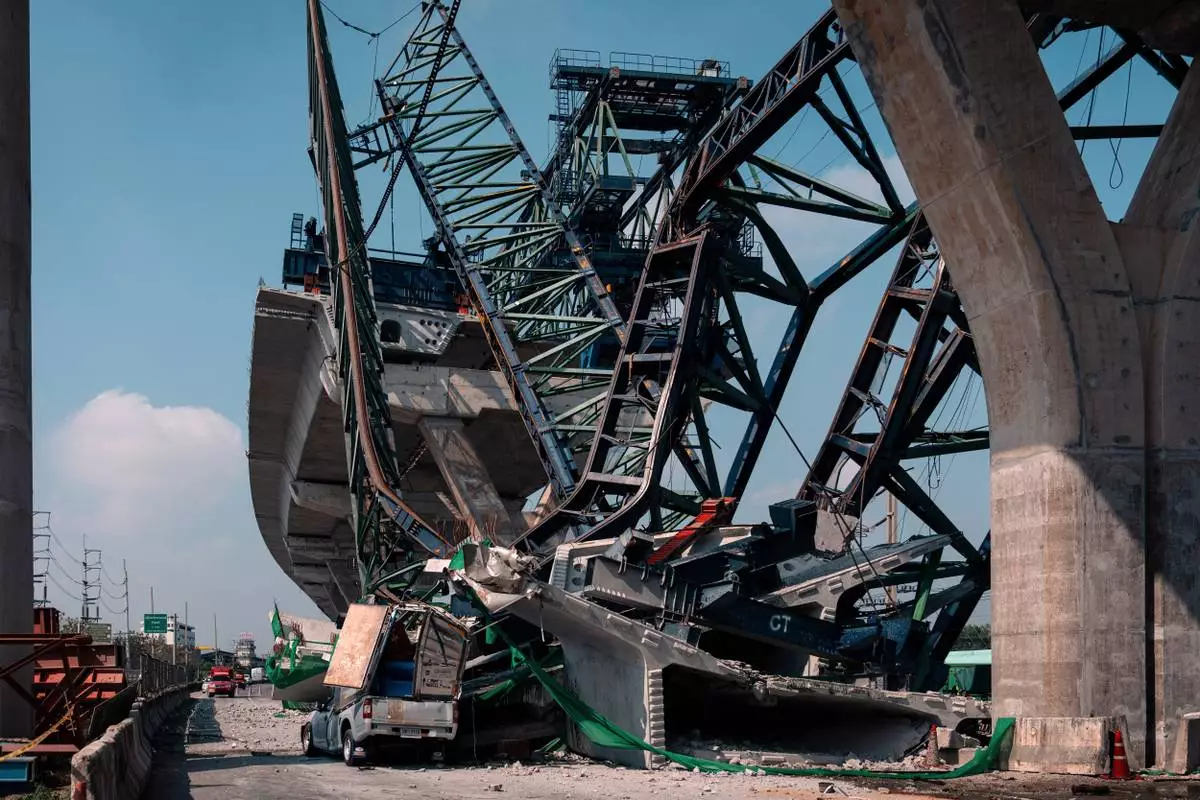
A construction crane that collapsed on the Rama 2 Road elevated expressway in Samut Sakhon province, Thailand on Thursday, Jan. 15, 2026. (AP Photo/Arnun Chonmahatrakool)
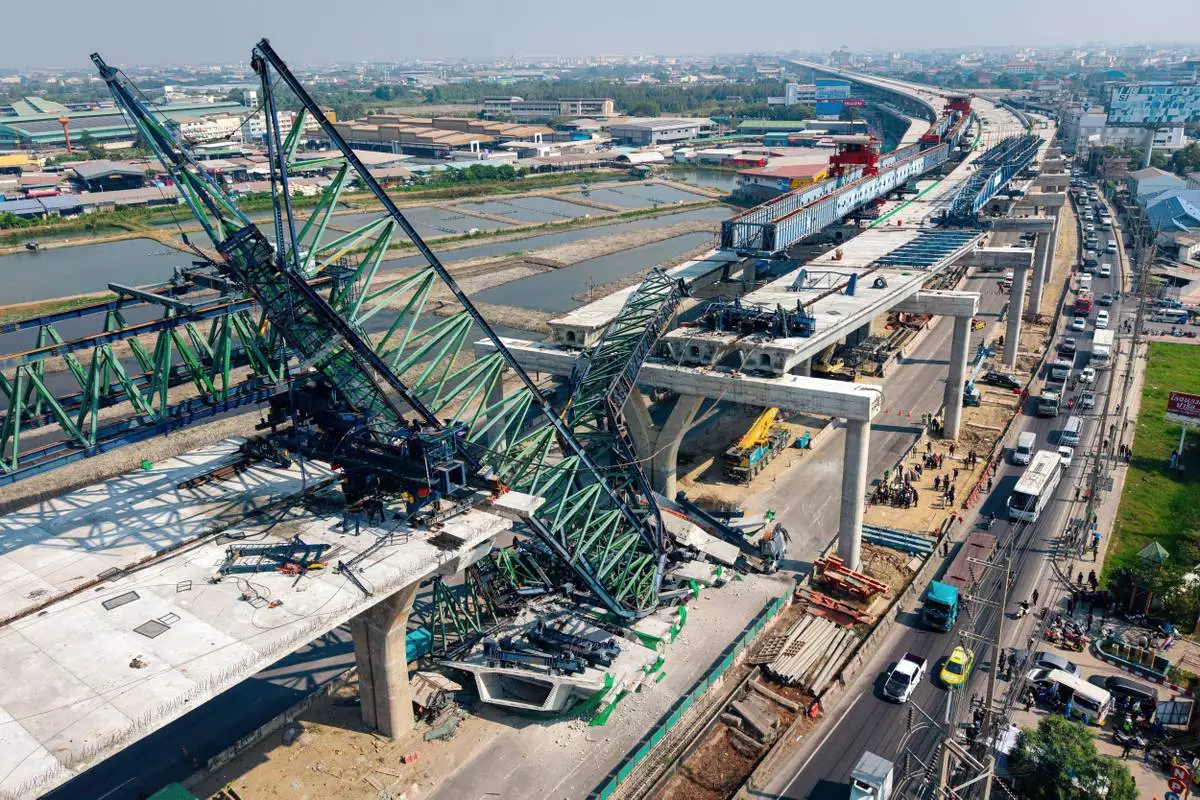
A construction crane that collapsed on the Rama 2 Road elevated expressway in Samut Sakhon province, Thailand on Thursday, Jan. 15, 2026. (AP Photo/Arnun Chonmahatrakool)