The scale of credit loans in China maintained a reasonable growth in the first eight months of this year, while the credit structure continued to improve, according to the latest data released by the People's Bank of China (PBOC), the country's central bank.
Data shows that the balance of loans reached 269.1 trillion yuan (about 37.8 trillion U.S. dollars) by the end of August, an increase of 6.8 percent year on year.
In terms of structure, the balance of inclusive finance loans for micro and small businesses nationwide and the balance of medium- to long-term loans to the manufacturing sector grew by 11.8 percent and 8.6 percent, respectively, surpassing the growth rate of overall loans during the same period.
"In the first eight months, advanced manufacturing industries, represented by high-tech manufacturing and equipment manufacturing, experienced strong performance. The increased financing demand from enterprises provided strong support for credit growth. Additionally, loans for technology, green loans, and inclusive loans to micro and small businesses consistently outpaced the growth rate of overall loans, with more resources being allocated to key areas and vulnerable sectors of the national economy," said Dong Ximiao, chief researcher at Merchants Union Consumer Finance Company Limited.
In addition, the growth of personal loan also saw a boost in the period. August, a traditional peak season for summer consumption, experienced an increase in personal consumption demand, further fueled by external factors such as consumer goods trade-in programs. As a result, consumer demand was further released, leading to an increase in loan demand.
"Improving people's lives and boosting consumption are the key focuses and the main direction of macroeconomic policy this year. The previously introduced trade-in policy has achieved positive results. Recently, new initiatives such as childcare subsidies, interest subsidies for personal consumer loans, and interest subsidies for service industry operators have been launched. The central bank has also established tools of re-lending for service consumption and elderly care. These measures will help boost consumer confidence and tap into effective consumption demand," said Wen Bin, chief economist at China Minsheng Bank.
Data shows that the weighted average interest rate for new enterprise loans and individuals' housing loans in August was approximately 3.1 percent, continuing to remain at historically low levels.
"Since the beginning of this year, the central bank has implemented various measures to reduce banks' capital costs and guide the loan prime rate (LPR) to decline steadily. Whether for new enterprise loans or individuals' housing loans, interest rates continue to decline from the low levels of the same period of last year. This further reduces interest expenses for enterprises and individuals, lowers the overall cost of social financing, thereby stimulating effective financing demand and promoting a faster recovery of the economy," Dong said.
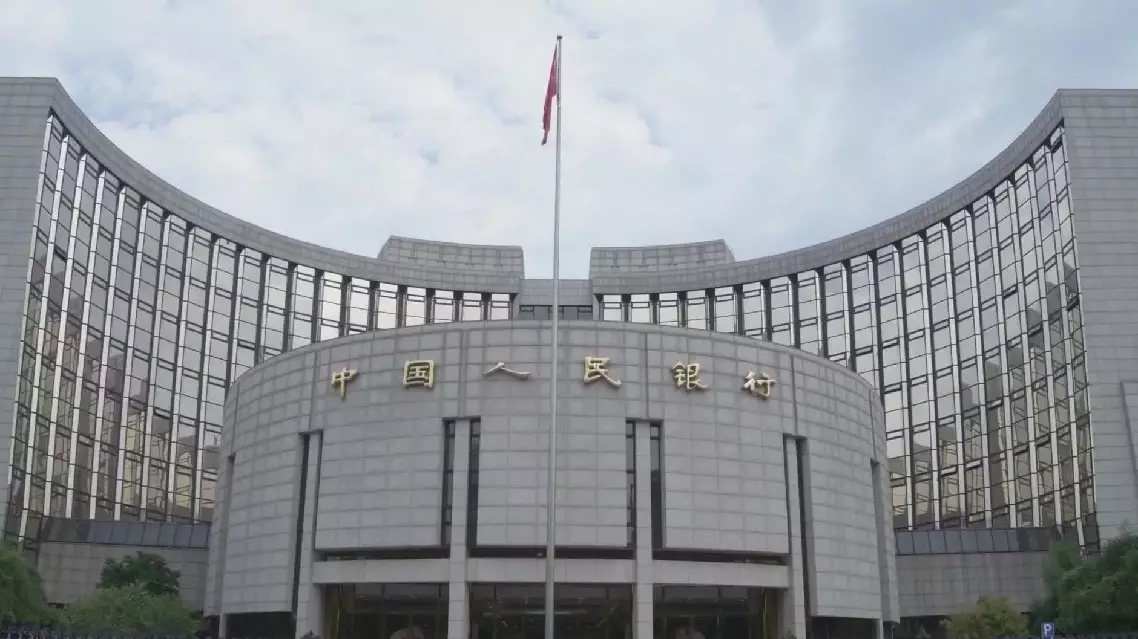
China's scale of credit loans maintains reasonable growth in first 8 months
The three astronauts of China's recently-returned Shenzhou-20 mission on Friday shared the experiences of their dramatic 204-day space mission, including detailing the emergency procedures which were implemented to bring them safely home after their return capsule was struck by space debris.
The trio -- Chen Dong, Chen Zhongrui, and Wang Jie -- met with the press in Beijing on Friday afternoon, marking their first public appearance since returning to Earth in November.
When detailing the emergency response mechanisms which were enacted prior to their scheduled return, the astronauts explained that upon discovering a triangular crack on the spacecraft's viewport window, they immediately took photos for documentation and transmitted them to the ground team, who swiftly activated an emergency plan to get the trio home safely.
Experienced mission commander Chen Dong explained how the crew had complete faith in their colleagues on the ground to find a solution to these unforeseen circumstances which led to their return being delayed.
"First, we must trust the ground team, who would anticipate everything and develop the safest return plan for us. Second, we must believe in ourselves; as well-trained astronauts, we have the ability to manage various unexpected failures. I believe that with the collaboration of astronauts and researchers on the ground, our space home will surely go farther, more steadily, and for a longer time," he said.
Following their extended stay in space as a result of the debris incident, the Shenzhou-20 crew spent a total 204 days in orbit, setting a new record for the longest duration by a single group of Chinese astronauts.
During their mission, they completed multiple payload operations, conducted extensive scientific experiments, and carried out four extravehicular activities.
"Our crew worked together with the ground team in unity and coordination, completing four extravehicular activities, several payload entry and exit tasks, and a large number of scientific experiments. It was a fulfilling yet challenging mission. The path to exploring the heavens is long and arduous, but I firmly believe that China's space missions will succeed," said Chen Zhongrui, a former air force pilot who was making his first spaceflight during the mission.
"From the ground to space, from learning to application, I have deeply felt the solid progress of Chinese space endeavors and the quiet dedication of countless personnel behind the scenes. In the future, I will accomplish each mission with full commitment, living up to the trust of the motherland and the people," said fellow astronaut Wang Jie, who was also making his debut spaceflight.
After returning to Earth on Nov 14, the trio successfully completed their isolation recovery and rehabilitation and will now resume normal training following health assessments.
The crew's return, originally scheduled for Nov 5, was postponed due to safety concerns, with the astronauts later using the return capsule belonging to their successor crew of the Shenzhou-21 mission to get back to Earth. China later launched the unmanned Shenzhou-22 spacecraft which will serve the future return of the crew now aboard the Tiangong Space Station.
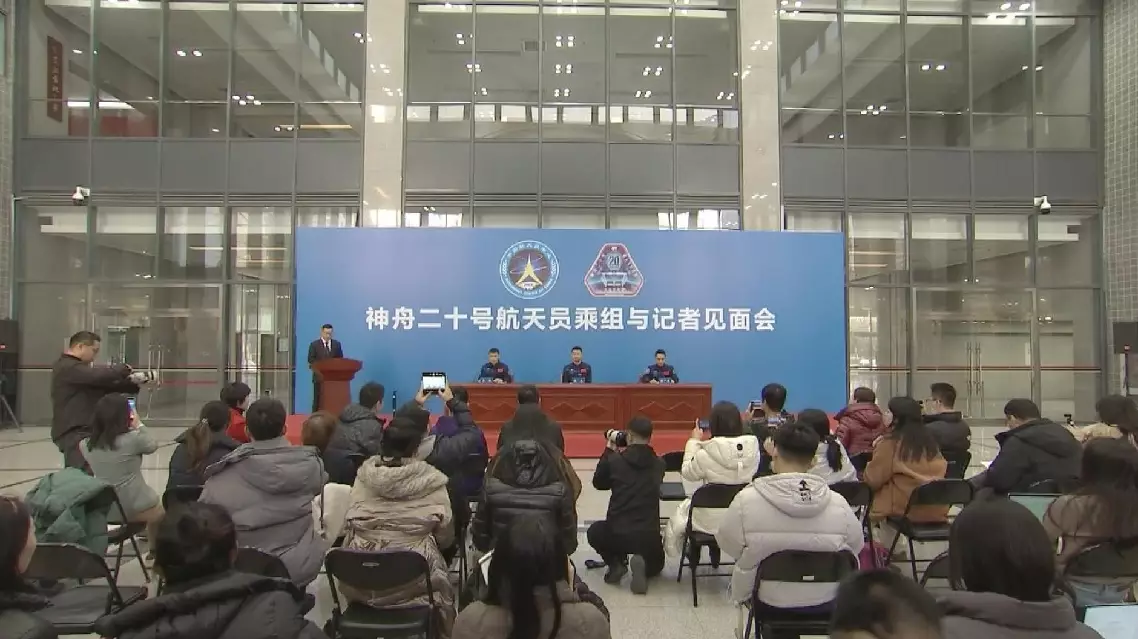
Shenzhou-20 astronauts share experiences after safely returning from debris incident