The Canal of Qapqal, a 200-year-old waterway, continues to nourish the vast farmland in Qapqal Xibe Autonomous County, northwest China's Xinjiang Autonomous Region, supporting modern agricultural and aquaculture development.
The Xibe ethnic group originally built the canal during the Qing Dynasty (1644-1911), diverting water from the Ili River. It continues to irrigate over 22,600 hectares of farmland today.
Regarded as the "mother canal" by locals, it has been delivering water continuously since the early 19th century, transforming the once desolate land into fertile farmland.
"It was once a desolate place, like the vast Gobi desert, but with this canal, it has become as fertile and green as the Yangtze River Delta," said An Su, a historian of Xibe culture.
Thanks to years of advancements in water conservation, the once parched land now not only sustains crops but also supports a thriving aquaculture industry. With smart control and evolving techniques, every stream of water contributes to greater harvests.
"This year, we've implemented a land-based recirculating system that allows water with fish waste to flow through paddy fields, fertilizing the crops before returning to the aquaculture system. This is a new model developed by us this year," said Guan Xiaoping, head of Yueran Ecological Aquaculture Base.
Since venturing into crab farming in 2014, Guan has expanded his business to include over a dozen aquatic varieties.
Some entrepreneurs are transforming rice paddies into living murals, attracting visitors to stroll through these artistic displays. As a result, restaurants and entertainment venues have also flourished.
"These stalls are seeing a big wave of tourists. And our sales have gone up quite a lot," said Gulmira Alxirjan, scenic site operator.
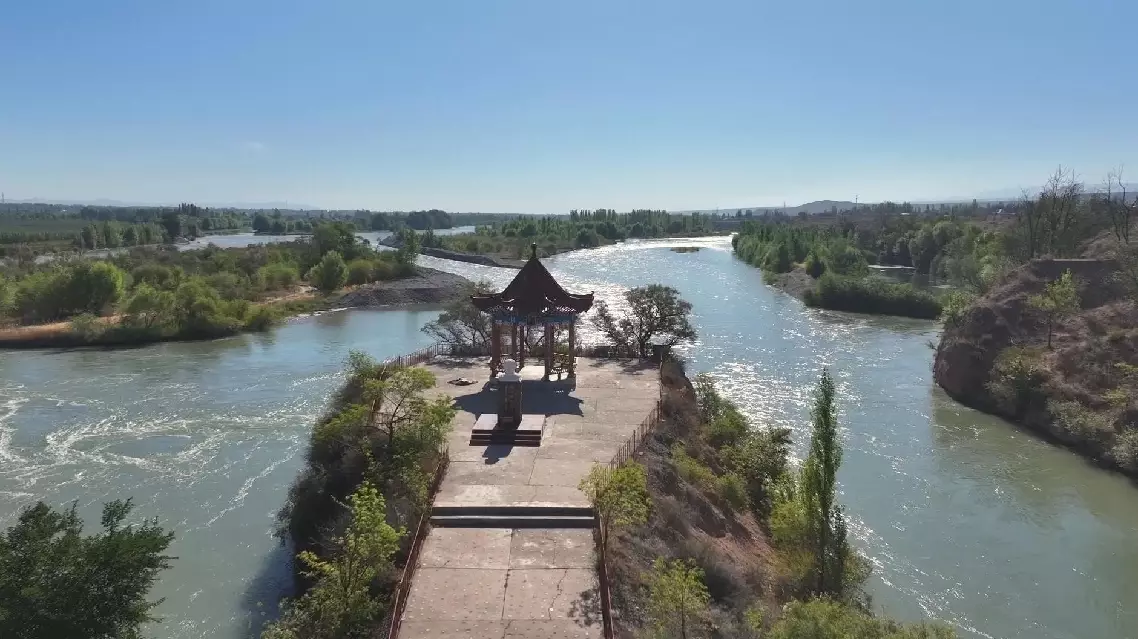
200-year-old canal continues to nourish vast farmland in Xinjiang