Chinese cultural elements took center stage at the 2025 China International Fashion Week (Autumn), where more than half of the runway shows and multiple exhibitions highlighted oriental aesthetics and innovations inspired by China's intangible cultural heritage.
Designers showcased their latest creative works by blending traditional craftsmanship with contemporary fashion.
From exquisite Miao embroidery and colorful dresses made of Etles silk to Tibetan robes edged with silky trims, 56 child models representing different ethnic groups walked the runway in their traditional attire, immediately captivating the audience.
"When they wear their ethnic costumes to perform on stage, they can truly find this cultural confidence and national pride," said audience member Lobsang Dolma.
Beyond traditional ethnic outfits, contemporary Chinese styles such as horse-face skirts, cheongsam and Sun Yat-sen Suit - which have gained popularity in recent years - also incorporated fresh Chinese elements.
Inspired by the landscapes of mountains and rivers, these designs presented a creative fusion of Chinese culture with modern fashion.
"The theme of our works displayed at the fashion week is mountains and rivers in our country. For men's clothing, I drew inspiration from the Kunlun Mountains, while for women's clothing, the inspiration came from the winding curves of the Yellow River," said designer Jin Meimei.
According to organizers, among the more than 100 shows staged this year, over half of the brands and designers have chosen to highlight Chinese cultural aesthetics, using fashion as a medium to tell the stories of the nation's diverse ethnic groups.
The 2025 China International Fashion Week (Autumn) was held in Beijing from Sept 5 to 14.
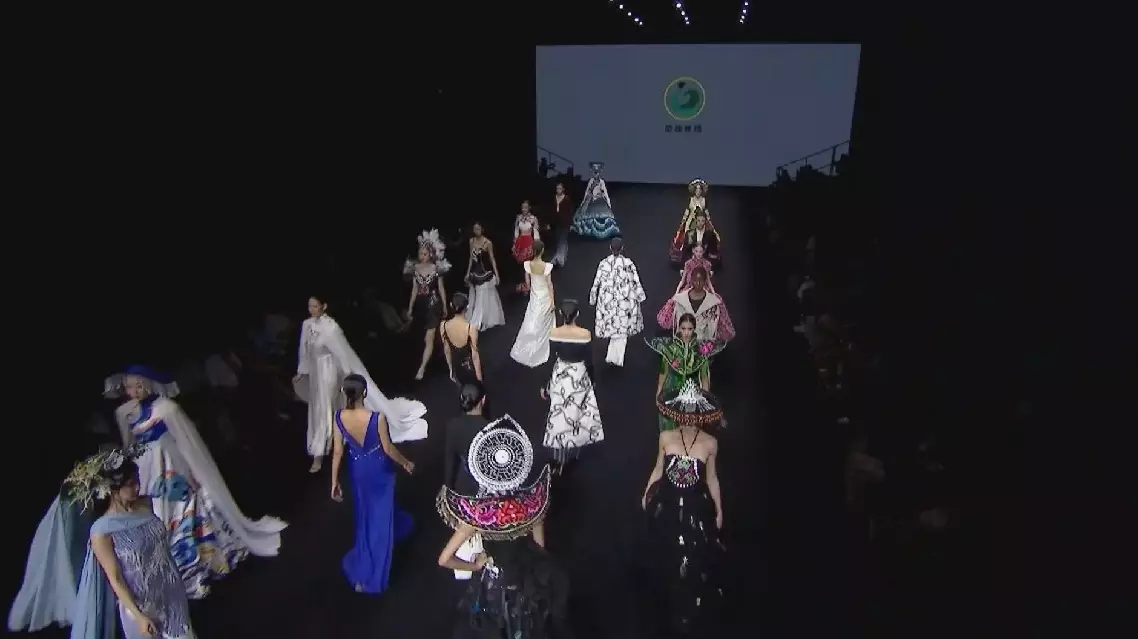
Chinese aesthetics shines at 2025 China International Fashion Week

China's inbound tourism is seeing strong growth, fueled by cultural offerings and easier visa policies, with viral attractions drawing international visitors ahead of the May Day holiday.
In Shanghai's North Bund, a glass elevator has gone viral overseas for its striking design. Nicknamed the ‘Silver Egg,’ the mirror‑finished capsule opens to a panoramic view of Pudong, with the Oriental Pearl Tower framed at center stage.
"It's very beautiful. We love it," said a tourist from Azerbaijan
"China in general is very good. It's very well organized, very clean, easy to travel, so we like it," said another tourist from Azerbaijan.
In Suifenhe, a border city in northeast China's Heilongjiang Province, the China-Russia mutual visa-free policy implemented last year, has given cross-border travel a sustained boost, leading to a marked increase in Russian tour group bookings for the upcoming May Day holiday.
"I've been here four times and I loved every visit. I really want to come again. Look, this city is so beautiful and amazing," said Yulia, a Russian tourist.
Dai Bin, president of the China Tourism Academy, believes that travel today has extended well beyond traditional sightseeing, but is more about cultural immersion.
"Inbound tourism today is no longer just about sightseeing -- mountains, rivers, and scenic spots. It's more about immersive and all-around experiences of a beautiful way of life, involving shopping, culture, and entertainment," said Dai.
China now offers unilateral visa exemption to 50 countries, and 240-hour transit privileges to travelers from 55 countries.
As a result, inbound visits under visa‑free programs reached 30.08 million in 2025, up 49.5 percent year on year and accounting for nearly 73 percent of all foreign arrivals.
China inbound travel climbs as viral attractions, visa policies boost appeal