Skip to Content Facebook Feature Image

The National Center for Civil and Human Rights expands at a critical moment in US history

News

The National Center for Civil and Human Rights expands at a critical moment in US history
News

News

The National Center for Civil and Human Rights expands at a critical moment in US history

2025-09-16 00:28 Last Updated At:00:30

ATLANTA (AP) — A popular museum in Atlanta is expanding at a critical moment in the United States. And unlike the Smithsonian Institution, the privately funded National Center for Civil and Human Rights is beyond the immediate reach of Trump administration efforts to control what Americans learn about their history.

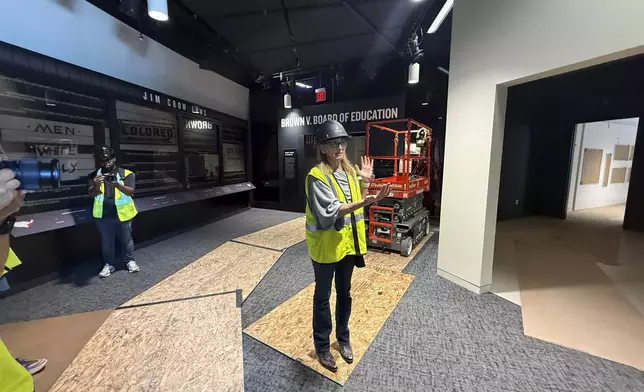
The monthslong renovation, which cost nearly $60 million, adds six new galleries as well as classrooms and interactive experiences, changing a relatively static museum into a dynamic place where people are encouraged to take action supporting civil and human rights, racial justice and the future of democracy, said Jill Savitt, the center's president and CEO.

More Images
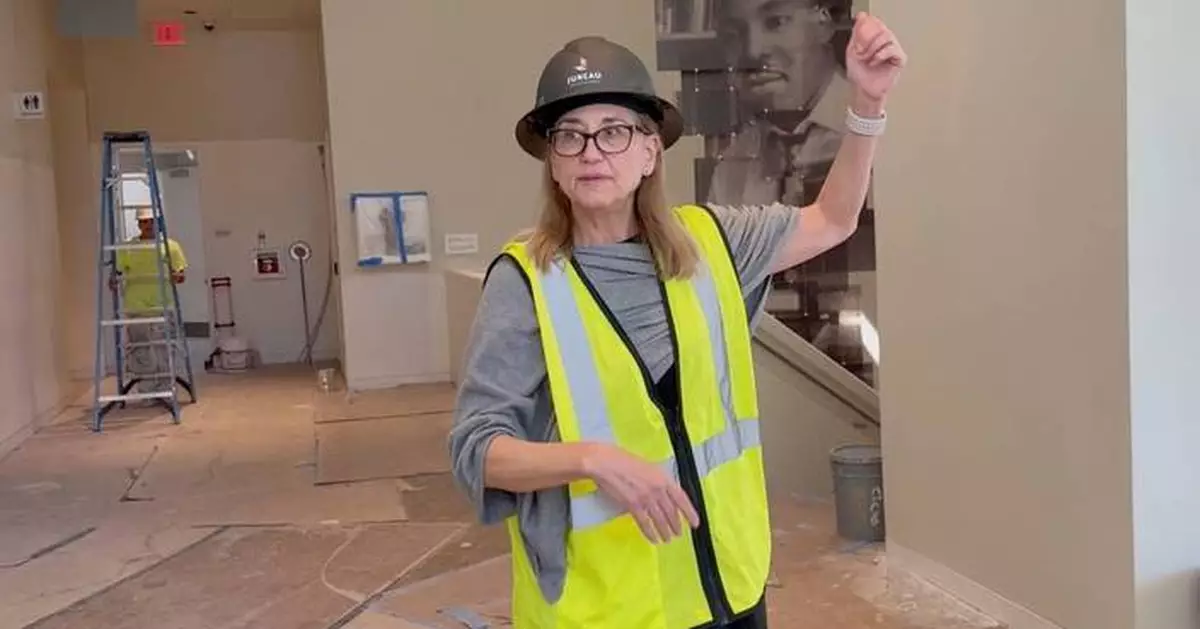
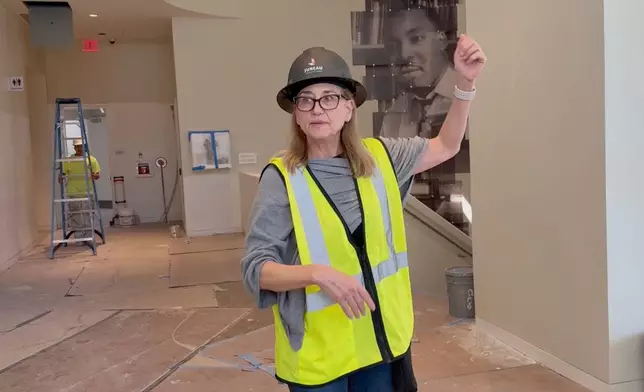
Jill Savitt, president and CEO of The National Center for Civil and Human Rights, describes the museum's expansion during a hard-hat tour, Wednesday, Sept. 10 in Atlanta. (AP Photo/Michael Warren)
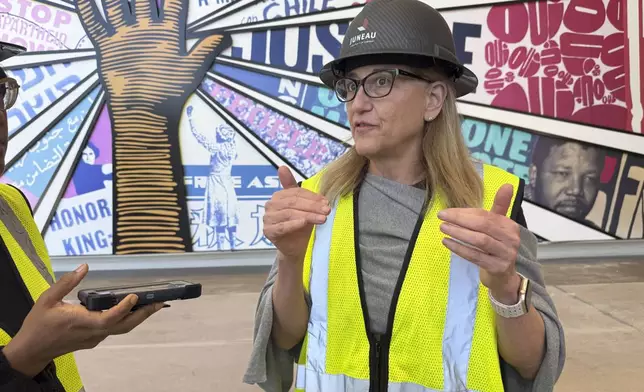
Jill Savitt, president and CEO of The National Center for Civil and Human Rights, describes the museum's expansion during a hard-hat tour, Wednesday, Sept. 10 in Atlanta. (AP Photo/Michael Warren)
Jill Savitt, president and CEO of The National Center for Civil and Human Rights, describes the museum's expansion during a hard-hat tour, Wednesday, Sept. 10 in Atlanta. (AP Photo/Michael Warren)

Jill Savitt, president and CEO of The National Center for Civil and Human Rights, describes the museum's expansion during a hard-hat tour, Wednesday, Sept. 10 in Atlanta. (AP Photo/Michael Warren)

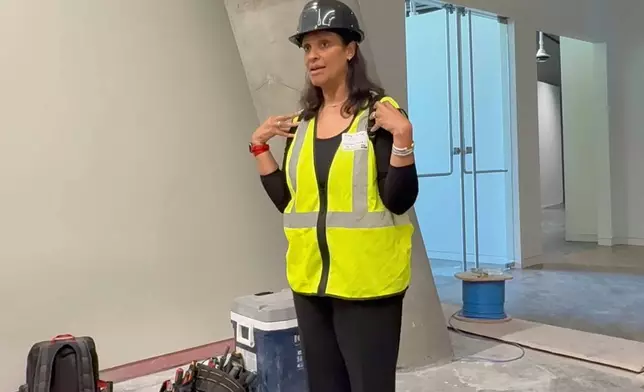
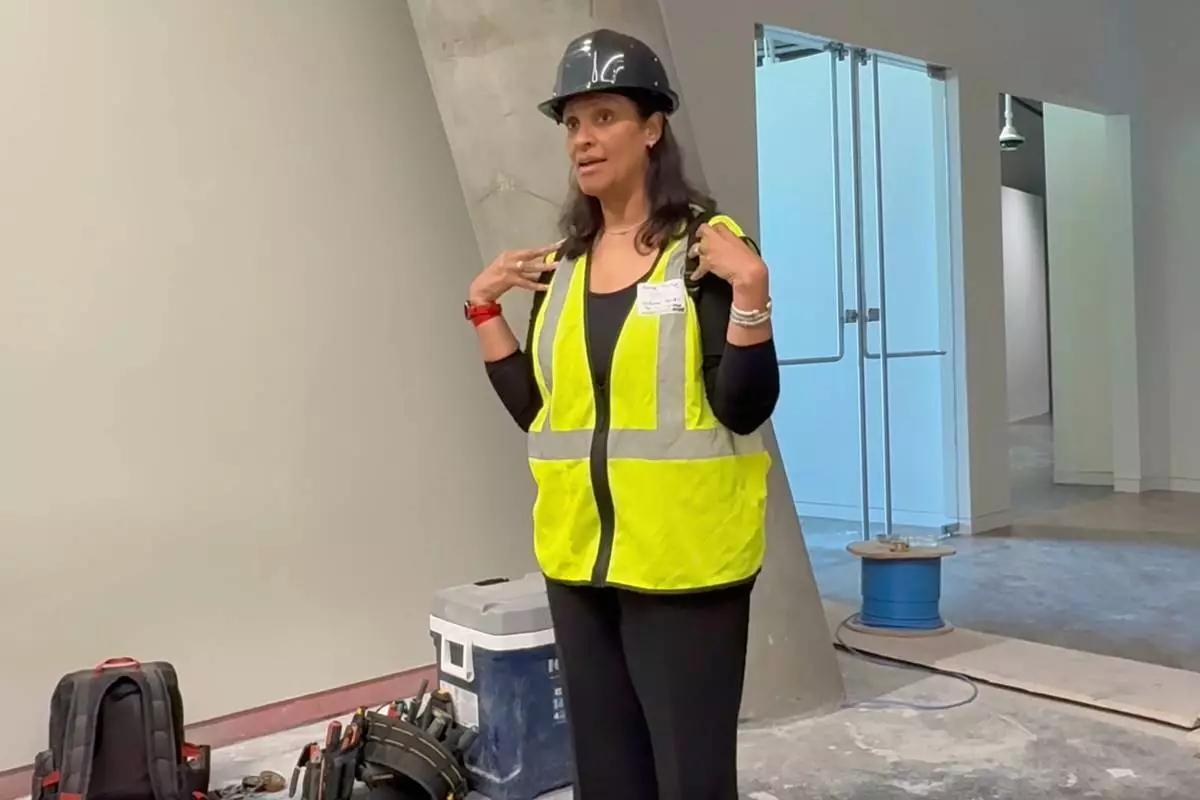
Kama Pierce, curator of a new g gallery on the Reconstruction Era at the National Center for Civil and Human Rights, describes the future exhibit's contents on Wednesday, Sept. 10, 2025 in Atlanta. (AP Photo/Michael Warren)
Kama Pierce, curator of a new g gallery on the Reconstruction Era at the National Center for Civil and Human Rights, describes the future exhibit's contents on Wednesday, Sept. 10, 2025 in Atlanta. (AP Photo/Michael Warren)

Jill Savitt, President and CEO of the National Center for Civil and Human Rights in Atlanta, leads a hard-hat tour of the expanded museum before its November reopening on Wednesday, Sept. 10, 2025. (AP Photo/Michael Warren)

Jill Savitt, President and CEO of the National Center for Civil and Human Rights in Atlanta, leads a hard-hat tour of the expanded museum before its November reopening on Wednesday, Sept. 10, 2025. (AP Photo/Michael Warren)

The center has stayed active ahead of its Nov. 8 reopening through K-12 education programs that include more than 300 online lesson plans; a LGBTQ+ Institute; training in diversity, equity and inclusion; human rights training for law enforcement; and its Truth & Transformation Initiative to spread awareness about forced labor, racial terror and other historic injustices.

These are the same aspects of American history, culture and society that the Trump administration is seeking to dismantle.

Dreamed up by civil rights icons Evelyn Lowery and Andrew Young, the center opened in 2014 on land donated by the Coca-Cola Company, next to the Georgia Aquarium and The World of Coca-Cola, and became a major tourist attraction. But ticket sales declined after the pandemic.

Now the center hopes to attract more repeat visitors with immersive experiences like “Change Agent Adventure,” aimed at children under 12. These “change agents” will be asked to pledge to do something — no matter how small — that “reflects the responsibility of each of us to play a role in the world: To have empathy. To call for justice. To be fair, be kind. And that’s the ethos of this gallery,” Savitt said. It opens next April.

“I think advocacy and change-making is kind of addictive. It’s contagious," Savitt explained. "When you do something, you see the success of it, you really want to do more. And our desire here is to whet the appetite of kids to see that they can be involved. They can do it.”

This ethos is sharply different from the idea that young people can't handle the truth and must be protected from unpleasant challenges but, Savitt said, "the history that we tell here is the most inspirational history."

"In fact, I think it’s what makes America great. It is something to be patriotically proud of. The way activists over time have worked together through nonviolence and changed democracy to expand human freedom — there’s nothing more American and nothing greater than that. That is the lesson that we teach here,” she said.

“Broken Promises,” opening in December, includes exhibits from the post-Civil War Reconstruction era, cut short when white mobs sought to brutally reverse advances by formerly enslaved people. “We want to start orienting you in the conversation that we believe we all kind of see, but we don’t say it outright: Progress. Backlash. Progress. Backlash. And that pattern that has been in our country since enslavement,” said its curator, Kama Pierce.

On display will be a Georgia historical marker from the site of the 1918 lynching of Mary Turner, pockmarked repeatedly with bullets, that Turner descendants donated to keep it from being vandalized again.

“There are 11 bullet holes and 11 grandchildren living,” and the family's words will be incorporated into the exhibit to show their resilience, Pierce said.

Items from the Morehouse College Martin Luther King Jr. collection will have a much more prominent place, in a room that recreates King's home office, with family photos contributed by the center's first guest curator: his daughter, the Rev. Bernice King. “We wanted to lift up King's role as a man, as a human being, not just as an icon,” Savitt explained.

Gone are the huge images of the world's most genocidal leaders — Hitler, Stalin and Mao among others — with explanatory text about the millions of people killed under their orders. In their place will be examples of human rights victories by groups working around the world.

“The research says that if you tell people things are really bad and how awful they are, you motivate people for a minute, and then apathy sets in because it’s too hard to do anything," Savitt said. "But if you give people something to hope for that’s positive, that they can see themselves doing, you're more likely to cultivate a sense of agency in people.”

And doubling in capacity is an experience many can't forget: Joining a 1960s sit-in against segregation. Wearing headphones as they take a lunch-counter stool, visitors can both hear and feel an angry, segregationist mob shouting they don't belong. Because this is “heavy content,” Savitt says, a new “reflection area” will allow people to pause afterward on a couch, with tissues if they need them, to consider what they've just been through.

The center's expansion was seeded by Home Depot co-founder and Atlanta philanthropist Arthur M. Blank, the Mellon Foundation and many other donors, for which Savitt expressed gratitude: “The corporate community is in a defensive crouch right now — they could get targeted,” she said.

But she said donors shared concerns about people’s understanding of citizenship, so supporting the teaching of civil and human rights makes a good investment.

“It is the story of democracy — Who gets to participate? Who has a say? Who gets to have a voice?” she said. “So our donors are very interested in a healthy, safe, vibrant, prosperous America, which you need a healthy democracy to have.”
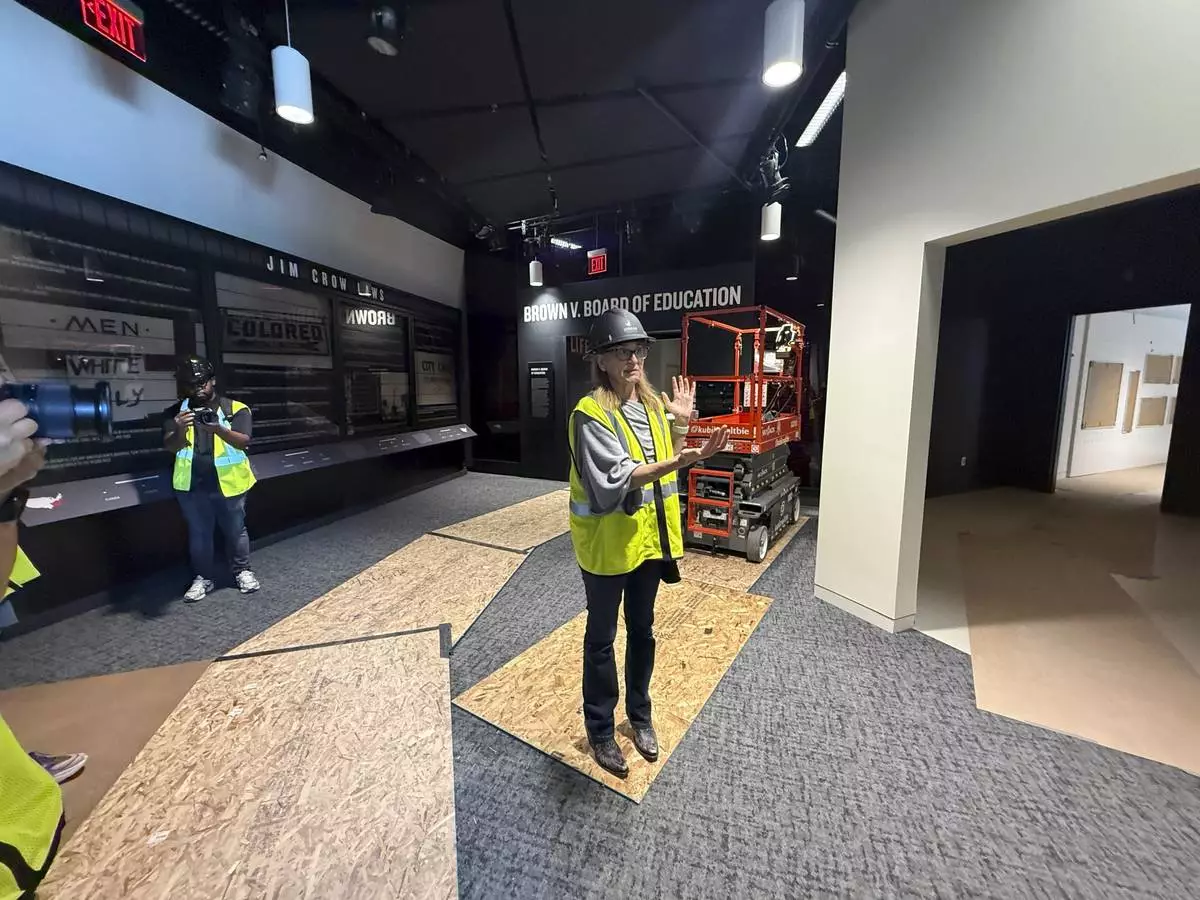
Jill Savitt, president and CEO of The National Center for Civil and Human Rights, describes the museum's expansion during a hard-hat tour, Wednesday, Sept. 10 in Atlanta. (AP Photo/Michael Warren)
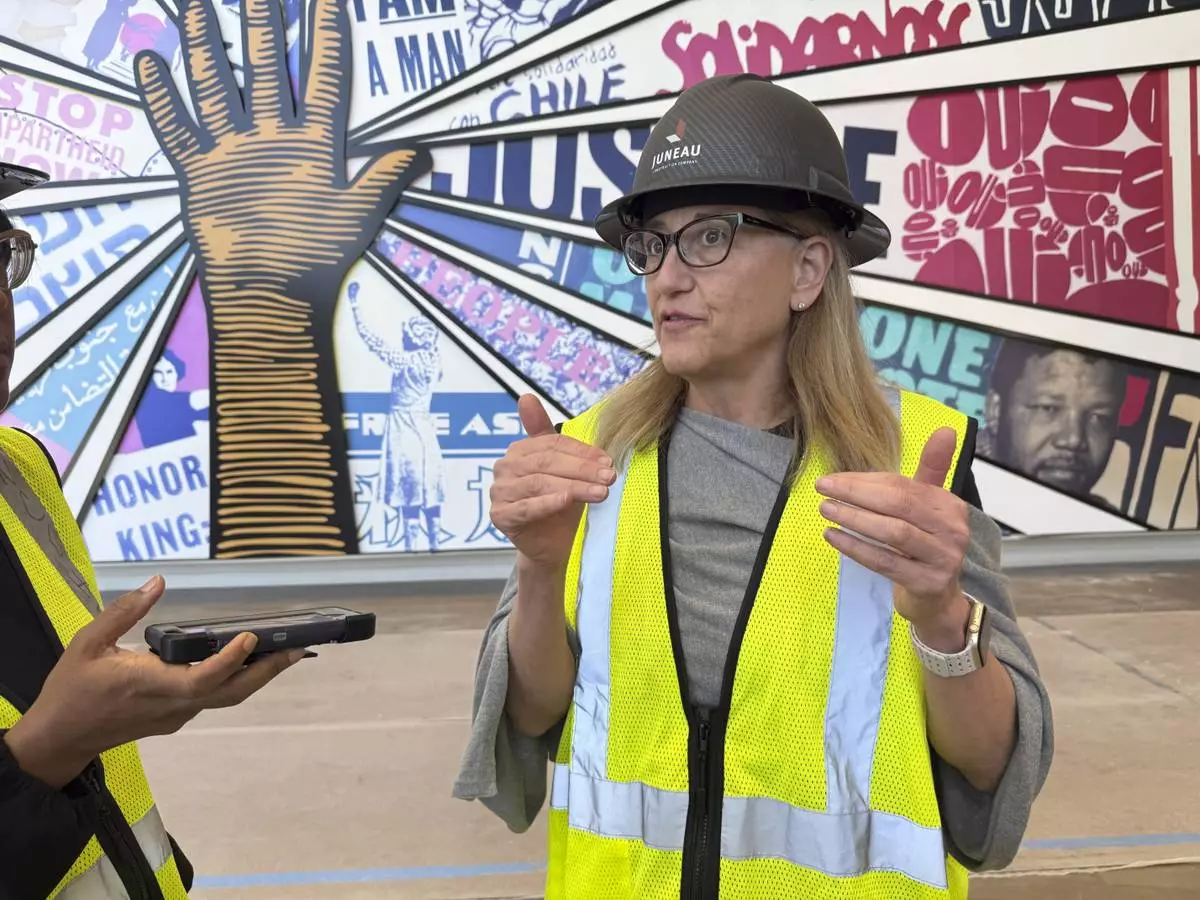
Jill Savitt, president and CEO of The National Center for Civil and Human Rights, describes the museum's expansion during a hard-hat tour, Wednesday, Sept. 10 in Atlanta. (AP Photo/Michael Warren)
Jill Savitt, president and CEO of The National Center for Civil and Human Rights, describes the museum's expansion during a hard-hat tour, Wednesday, Sept. 10 in Atlanta. (AP Photo/Michael Warren)

Jill Savitt, president and CEO of The National Center for Civil and Human Rights, describes the museum's expansion during a hard-hat tour, Wednesday, Sept. 10 in Atlanta. (AP Photo/Michael Warren)

Kama Pierce, curator of a new g gallery on the Reconstruction Era at the National Center for Civil and Human Rights, describes the future exhibit's contents on Wednesday, Sept. 10, 2025 in Atlanta. (AP Photo/Michael Warren)
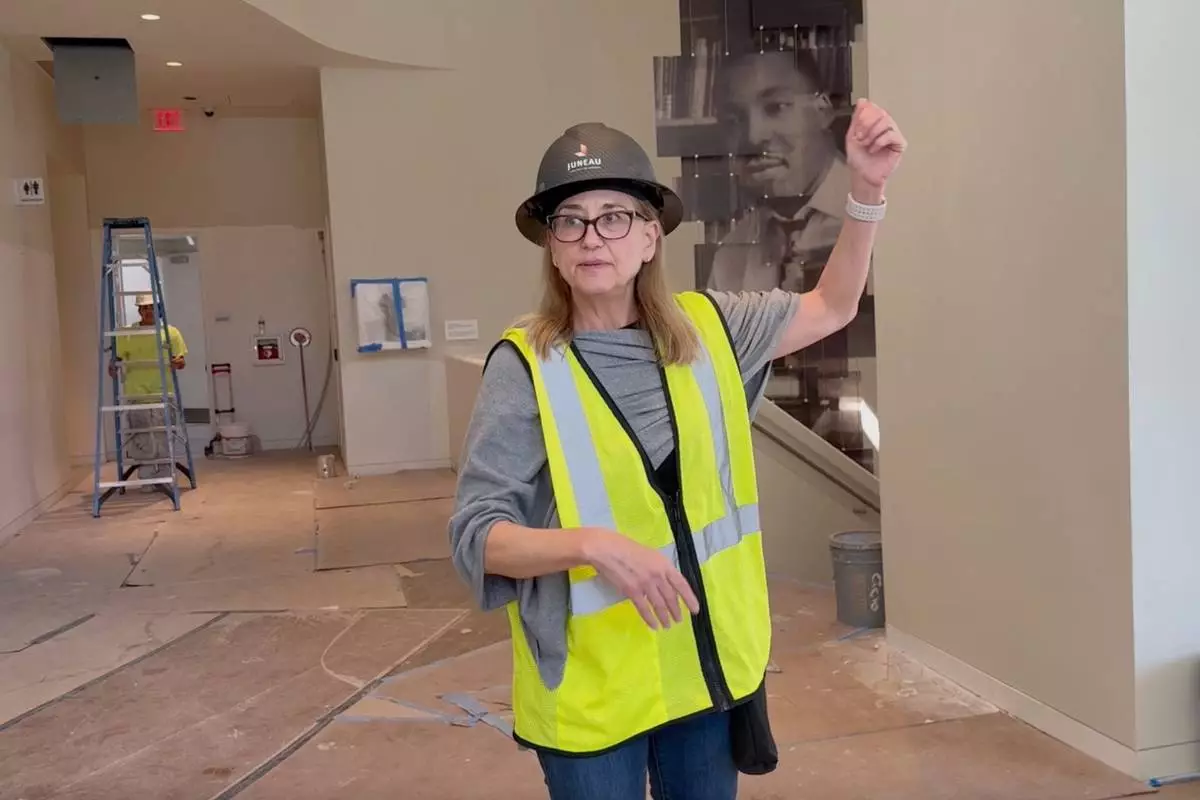
Kama Pierce, curator of a new g gallery on the Reconstruction Era at the National Center for Civil and Human Rights, describes the future exhibit's contents on Wednesday, Sept. 10, 2025 in Atlanta. (AP Photo/Michael Warren)

Jill Savitt, President and CEO of the National Center for Civil and Human Rights in Atlanta, leads a hard-hat tour of the expanded museum before its November reopening on Wednesday, Sept. 10, 2025. (AP Photo/Michael Warren)

Jill Savitt, President and CEO of the National Center for Civil and Human Rights in Atlanta, leads a hard-hat tour of the expanded museum before its November reopening on Wednesday, Sept. 10, 2025. (AP Photo/Michael Warren)

WASHINGTON (AP) — U.S. forces in the Caribbean Sea have seized another sanctioned oil tanker that the Trump administration says has ties to Venezuela, part of a broader U.S. effort to take control of the South American country’s oil.

The U.S. Coast Guard boarded the tanker, named Veronica, early Thursday, Homeland Security Secretary Kristi Noem wrote on social media. The ship had previously passed through Venezuelan waters and was operating in defiance of President Donald Trump’s "established quarantine of sanctioned vessels in the Caribbean,” she said.

U.S. Southern Command said Marines and sailors launched from the aircraft carrier USS Gerald R. Ford to take part in the operation alongside a Coast Guard tactical team, which Noem said conducted the boarding as in previous raids. The military said the ship was seized “without incident.”

Several U.S. government social media accounts posted brief videos that appeared to show various parts of the ship’s capture. Black-and-white footage showed at least four helicopters approaching the ship before hovering over the deck while armed troops dropped down by rope. At least nine people could be seen on the deck of the ship.

The Veronica is the sixth sanctioned tanker seized by U.S. forces as part of the effort by Trump’s administration to control the production, refining and global distribution of Venezuela’s oil products and the fourth since the U.S. ouster of Venezuela President Nicolás Maduro in a surprise nighttime raid almost two weeks ago.

The Veronica last transmitted its location on Jan. 3 as being at anchor off the coast of Aruba, just north of Venezuela’s main oil terminal. According to the data it transmitted at the time, the ship was partially filled with crude.

Days later, the Veronica became one of at least 16 tankers that left the Venezuelan coast in contravention of the quarantine that U.S. forces have set up to block sanctioned ships, according to Samir Madani, the co-founder of TankerTrackers.com. He said his organization used satellite imagery and surface-level photos to document the ship movements.

The ship is currently listed as flying the flag of Guyana and is considered part of the shadow fleet that moves cargoes of oil in violation of U.S. sanctions.

According to its registration data, the ship also has been known as the Gallileo, owned and managed by a company in Russia. In addition, a tanker with the same registration number previously sailed under the name Pegas and was sanctioned by the Treasury Department for being associated with a Russian company moving cargoes of illicit oil.

As with prior posts about such raids, Noem and the military framed the seizure as part of an effort to enforce the law. Noem argued that the multiple captures show that “there is no outrunning or escaping American justice.”

Speaking to reporters at the White House later Thursday, Noem declined to say how many sanctioned oil tankers the U.S. is tracking or whether the government is keeping tabs on freighters beyond the Caribbean Sea.

“I can’t speak to the specifics of the operation, although we are watching the entire shadow fleet and how they’re moving,” she told reporters.

But other officials in Trump's Republican administration have made clear they see the actions as a way to generate cash as they seek to rebuild Venezuela’s battered oil industry and restore its economy.

Trump met with executives from oil companies last week to discuss his goal of investing $100 billion in Venezuela to repair and upgrade its oil production and distribution. His administration has said it expects to sell at least 30 million to 50 million barrels of sanctioned Venezuelan oil.

Associated Press writer Ben Finley contributed to this report.

This story has been corrected to show the Veronica is the fourth, not the third, tanker seized by U.S. forces since Maduro’s capture and the ship also has been known as the Gallileo, not the Galileo.

Homeland Security Secretary Kristi Noem speaks with reporters at the White House, Thursday, Jan. 15, 2026, in Washington. (AP Photo/Alex Brandon)

Homeland Security Secretary Kristi Noem speaks with reporters at the White House, Thursday, Jan. 15, 2026, in Washington. (AP Photo/Alex Brandon)

Homeland Security Secretary Kristi Noem speaks with reporters at the White House, Thursday, Jan. 15, 2026, in Washington. (AP Photo/Evan Vucci)

Homeland Security Secretary Kristi Noem speaks with reporters at the White House, Thursday, Jan. 15, 2026, in Washington. (AP Photo/Evan Vucci)

Homeland Security Secretary Kristi Noem speaks with reporters at the White House, Thursday, Jan. 15, 2026, in Washington. (AP Photo/Evan Vucci)

Homeland Security Secretary Kristi Noem speaks with reporters at the White House, Thursday, Jan. 15, 2026, in Washington. (AP Photo/Evan Vucci)

Homeland Security Secretary Kristi Noem speaks with reporters at the White House, Thursday, Jan. 15, 2026, in Washington. (AP Photo/Evan Vucci)

Homeland Security Secretary Kristi Noem speaks with reporters at the White House, Thursday, Jan. 15, 2026, in Washington. (AP Photo/Evan Vucci)

Homeland Security Secretary Kristi Noem speaks with reporters at the White House, Thursday, Jan. 15, 2026, in Washington. (AP Photo/Evan Vucci)

Homeland Security Secretary Kristi Noem speaks with reporters at the White House, Thursday, Jan. 15, 2026, in Washington. (AP Photo/Evan Vucci)

U.S. Homeland Security Secretary Kristi Noem speaks during a press conference, Thursday, Jan. 8, 2026, in New York. (AP Photo/Yuki Iwamura)

U.S. Homeland Security Secretary Kristi Noem speaks during a press conference, Thursday, Jan. 8, 2026, in New York. (AP Photo/Yuki Iwamura)

U.S. Homeland Security Secretary Kristi Noem speaks at a news conference at Harry Reid International Airport, Nov. 22, 2025, in Las Vegas. (AP Photo/Ronda Churchill, File)

U.S. Homeland Security Secretary Kristi Noem speaks at a news conference at Harry Reid International Airport, Nov. 22, 2025, in Las Vegas. (AP Photo/Ronda Churchill, File)

Recommended Articles