KHAN YOUNIS, Gaza Strip (AP) — Exhaustion, despair and anger are grinding away at Ne'man Abu Jarad. Once again, for the 11th time, he and his family have been forced to uproot and move across the Gaza Strip.
“It’s a renewal of the torture. We’re not being displaced, we’re dying,” Ne'man said last week as the family packed up their possessions and tents in Gaza City to escape escalating Israel bombardment ahead of a planned invasion of the city.
Click to Gallery
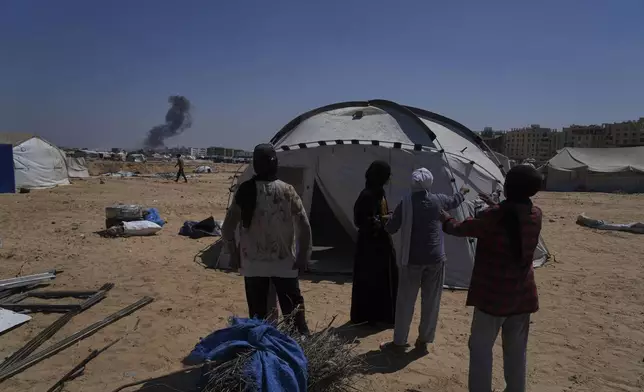
The Abu Jarad family stands in front of their tent in Khan Younis, Gaza Strip, following their displacement from Gaza City, Sept. 11, 2025. (AP Photo/Abdel Kareem Hana)
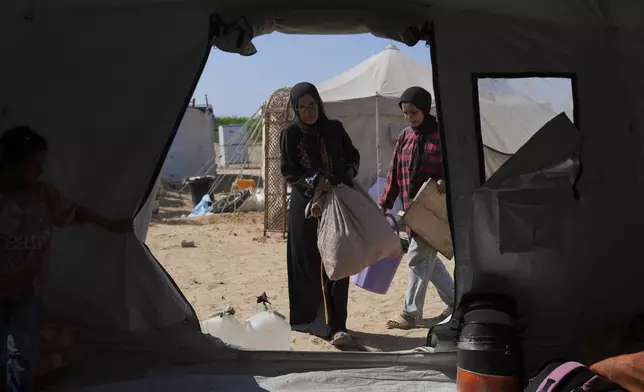
The Abu Jarad family moves their belongings into a newly built tent in Khan Younis, Gaza Strip, after being displaced from Gaza City, Sept. 11, 2025. (AP Photo/Abdel Kareem Hana)
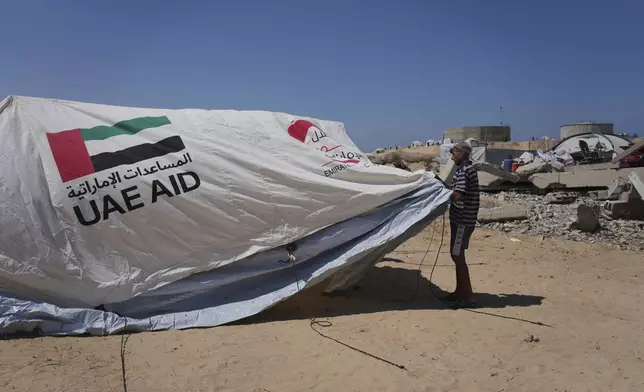
Ne'man Abu Jarad, 50, sets up his family's tent in Khan Younis, Gaza Strip, following their displacement from Gaza City, Sept. 11, 2025. (AP Photo/Abdel Kareem Hana)
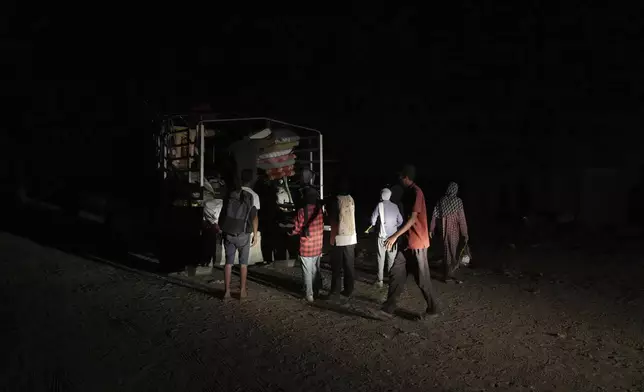
Members of the Abu Jarad family unload their belongings from a truck in Khan Younis, Gaza Strip, Sept. 10, 2025, after fleeing Gaza City following evacuation orders issued by the Israeli army. (AP Photo/Abdel Kareem Hana)
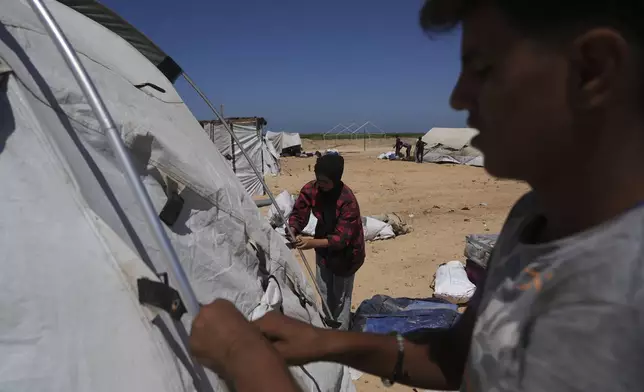
Members of the Abu Jarad family set up their tent in Khan Younis, Gaza Strip, following their displacement from Gaza City, Sept. 11, 2025. (AP Photo/Abdel Kareem Hana)
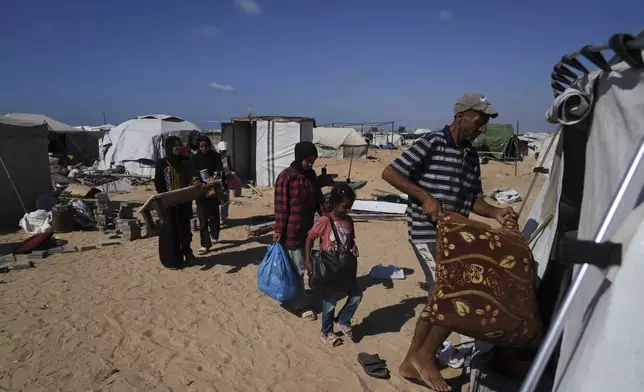
The Abu Jarad family moves their belongings into a newly built tent in Khan Younis, Gaza Strip, after being displaced from Gaza City, Sept. 11, 2025. (AP Photo/Abdel Kareem Hana)
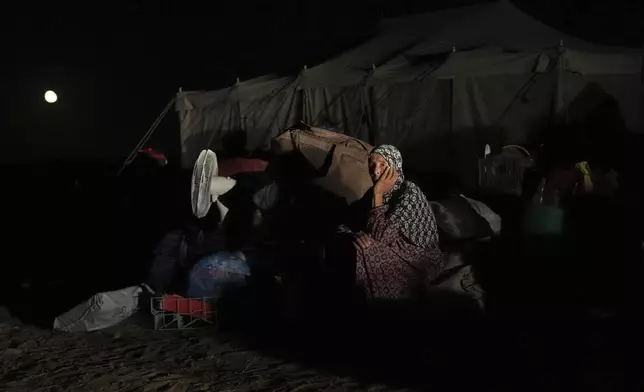
Awatif Abu Jarad, 57, sits beside her family's belongings in Khan Younis, Gaza Strip, Sept. 10, 2025, after fleeing Gaza City following evacuation orders issued by the Israeli army. (AP Photo/Abdel Kareem Hana)
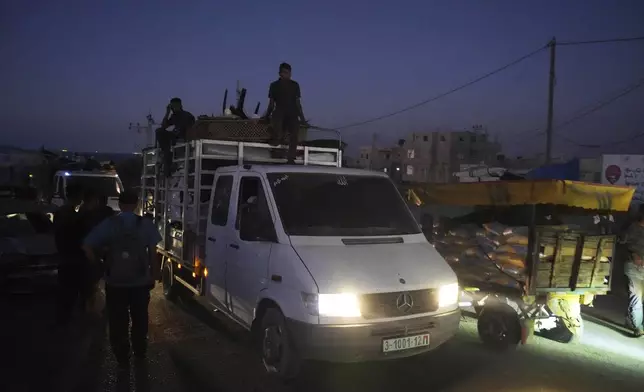
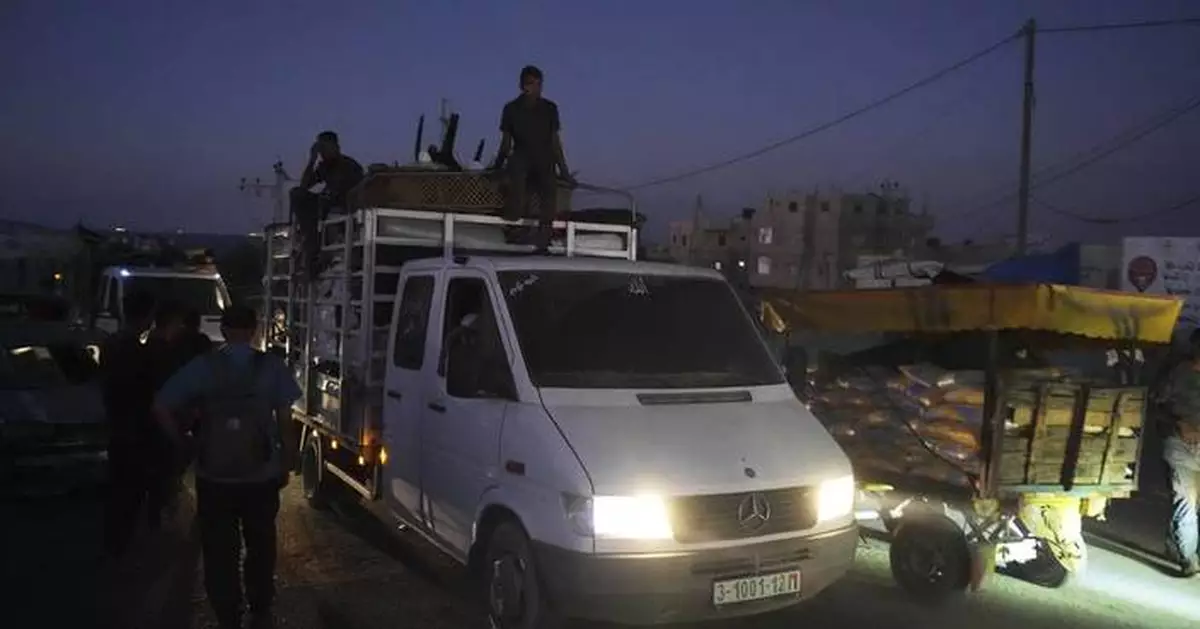
A truck transports the Abu Jarad family through Nuseirat, Gaza Strip, Sept. 10, 2025, after they were displaced from Gaza City following evacuation orders issued by the Israeli army. (AP Photo/Abdel Kareem Hana)
The next day, they unpacked in southern Gaza on barren former agricultural land outside the city of Khan Younis, unsure where they would now find food and water.
This has been the Abu Jarads’ life for nearly two years, since fleeing their home in the far north of Gaza days after Israel launched its onslaught in response to Hamas’ Oct. 7, 2023, attack. Like countless Palestinian families, they have fled the length of Gaza and back, forced to move every few months as Israel attacks each new shelter. The Associated Press has chronicled much of their journey.
During the ceasefire that began in January, they had a bittersweet return to their home, which was damaged but still standing. But within two months, Israel broke the ceasefire, and the Abu Jarads had to wrench themselves away.
With each move, Ne'man and his wife Majida try to preserve some stability for their six daughters and their 2-year-old granddaughter amid the misery of tent life. The youngest is 8-year-old Lana; the eldest is Balsam, in her 20s and married.
But the sense of futility is weighing heavier. No end is in sight and Ne'man fears it will get worse.
“What’s coming is dark,” he said. “We might be expelled (from Gaza). We might die … You feel like death is surrounding you. We just scurry from place to place, away from death.”
“It gets worse for the girls. It’s hard on them to change every time they get used to something,” Majida said.
Since May, the family’s refuge had been a tent in Gaza City. It wasn’t easy, but at least they got to know the neighborhood and their neighbors and figured out where to get water and medical care.
Their daughters could see friends from before the war, who were also displaced nearby. Another family in a neighboring building let their daughter Sarah come use their internet to study for online high school classes. The girls downloaded books onto their phones, to study or just to have something to do.
Food was more difficult, as Israeli restrictions on aid pushed Gaza City into famine. Ne'man joined hundreds of others waiting for aid trucks to enter from Israel. It was dangerous – Israeli troops regularly opened fire toward the crowds, and Ne'man saw people getting killed and wounded, Majida said. But he sometimes came back with food.
A few weeks ago, they found a school for Lana. “She was very excited. Her life would have some regularity,” Majida said.
But Israel had ordered the population to evacuate, preparing a new assault to seize Gaza City that it said aims to dismantle Hamas, free hostages and move towards taking security control of the strip. Bombardment came closer. One strike leveled an apartment tower a block away, sending shrapnel that pierced the Abu Jarads’ tent. Another destroyed a house across the street, killing members of the family sitting outside, Ne'man said.
Lana had only attended three days of classes. But it was time to go. Last Thursday, they joined a growing exodus of Palestinians fleeing south.
Dressed in pink pajamas and leaning against her father in their new camp the next day, Lana described her best friends Sila and Joudi bidding her farewell as they left Gaza City. They hugged her and told her they loved her — and they were crying, Lana said.
“But I did not cry," she added firmly. "I will not cry at all. I won’t be sad.”
Majida and Ne'man worry about Lana. Their other daughters had a grounding of normal lives. But Lana was only six when Israel’s campaign overturned their lives.
“She is gaining awareness in the middle of war, bombardment and life in the tents,” Majida said.
Lana can be stubborn and impatient.
“There’s things my sisters put up with that I don’t put up with,” Lana said. She can’t tolerate the discomforts of tent life. Having to use the makeshift bathroom upsets her. “Sitting and reading, I can’t get comfortable,” she said.
Over the months, everything pushes the family to a boil — boredom, lack of privacy, the daily toil of lugging water, gathering firewood, searching for food, cleaning the tent. Behind that lie darker thoughts: the feeling this could be their fate forever, the fear a strike could kill them.
Crammed together in the tent, the girls squabble and fight sometimes.
“We were a model family, understanding and loving,” Ne'man said. “I never imagined we’d reach this point. I get afraid the family will fragment from all the pressure.”
The latest move drained what little money they had — hundreds of dollars to buy a new tent and rent a truck to carry their belongings.
It also stripped them of everything that made life bearable. The new camp lies in a stretch of barren dirt and fields. There’s no market nearby, no schools. They have to walk 2 kilometers (1.2 miles) to get an internet connection. They are surrounded by strangers.
“We’re living in a desert,” Ne'man said.
Friday morning, their daughters walked more than a kilometer (half mile) to catch up with a passing water truck. It ran out before they could fill all their plastic jugs.
The family spent the day clearing their spot of land, assembling their two tents — one for the family, one for Ne'man’s sister. As they worked, an Israeli strike rang out in the distance. They watched the black smoke rise over Khan Younis. Exhausted by the end of the day, Ne'man still had to dig a latrine and set up the bathroom.
The area had been a closed Israeli military zone until a few weeks ago, when Israel announced displaced could move there. An Israeli military position is not far away. They can see tanks moving in and out.
“It’s not safe here,” Ne'man said.
Majida tried to focus on practicalities.
If someday water trucks start coming closer, she said, the girls won’t have to walk as far and will grumble less. Once they set aside a corner for a kitchen, where they can cook and do washing, that will start creating a daily routine.
“The more details of daily life that are in place, the more comfortable we will feel,” Majida said.
“Things will get better,” she said again and again, without a trace of optimism in her voice.
Four days later, on Tuesday, a voice message from Ne'man came to the AP.
“We’re sitting here unable to eat,” he said. They have almost no money to buy food. No aid is reaching them.
Worse, a man claiming to be the owner of the land had come, backed by armed men, and demanded they pay rent or leave. Ne'man can’t afford rent. He can’t afford the costs of moving, but may have no choice.
“Soon we’ll die of starvation,” he said. “Two years, all our energy has been drained, physically, mentally, financially. We can’t bear more than this.”
Keath reported from Cairo.
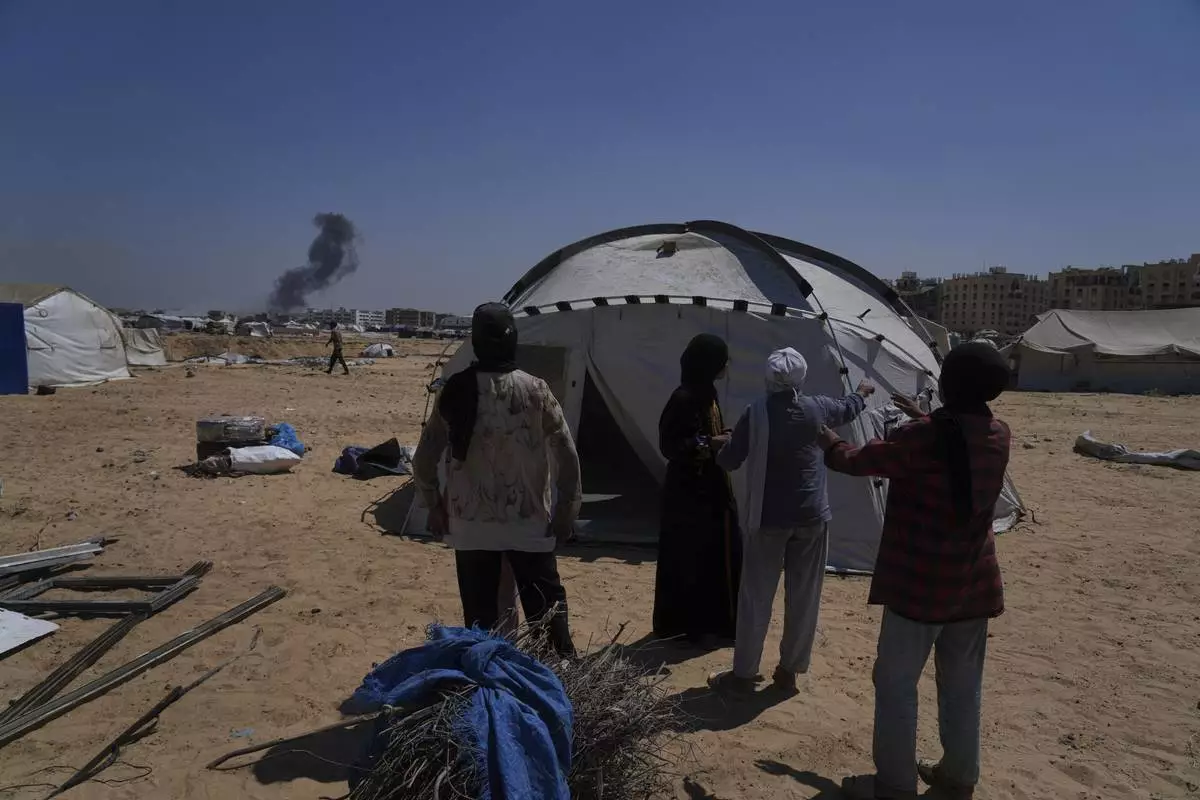
The Abu Jarad family stands in front of their tent in Khan Younis, Gaza Strip, following their displacement from Gaza City, Sept. 11, 2025. (AP Photo/Abdel Kareem Hana)
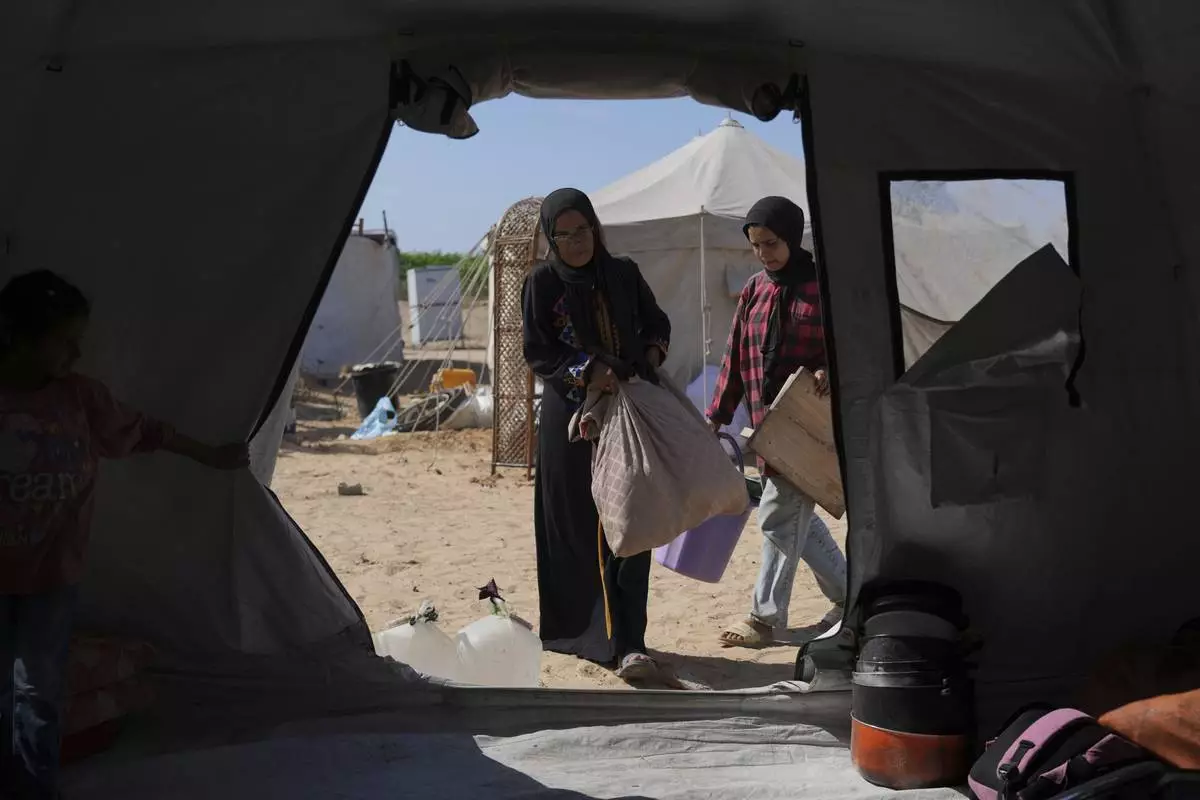
The Abu Jarad family moves their belongings into a newly built tent in Khan Younis, Gaza Strip, after being displaced from Gaza City, Sept. 11, 2025. (AP Photo/Abdel Kareem Hana)
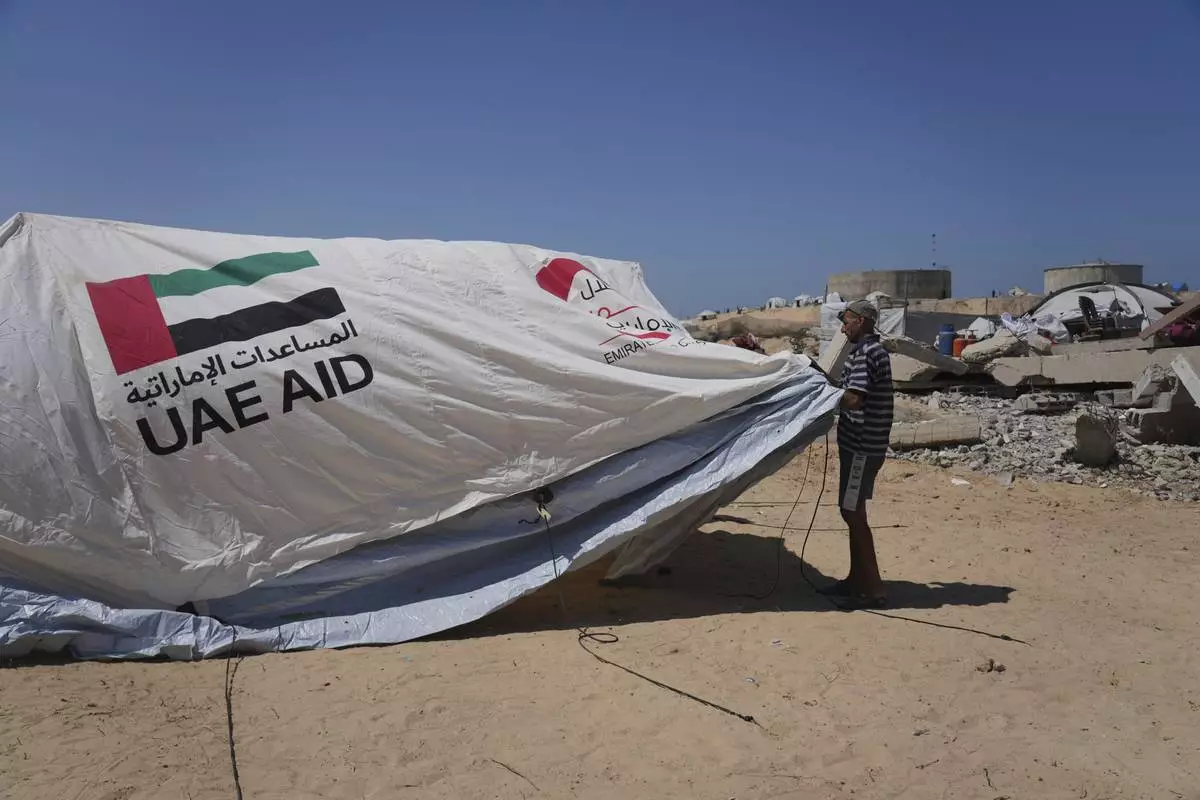
Ne'man Abu Jarad, 50, sets up his family's tent in Khan Younis, Gaza Strip, following their displacement from Gaza City, Sept. 11, 2025. (AP Photo/Abdel Kareem Hana)
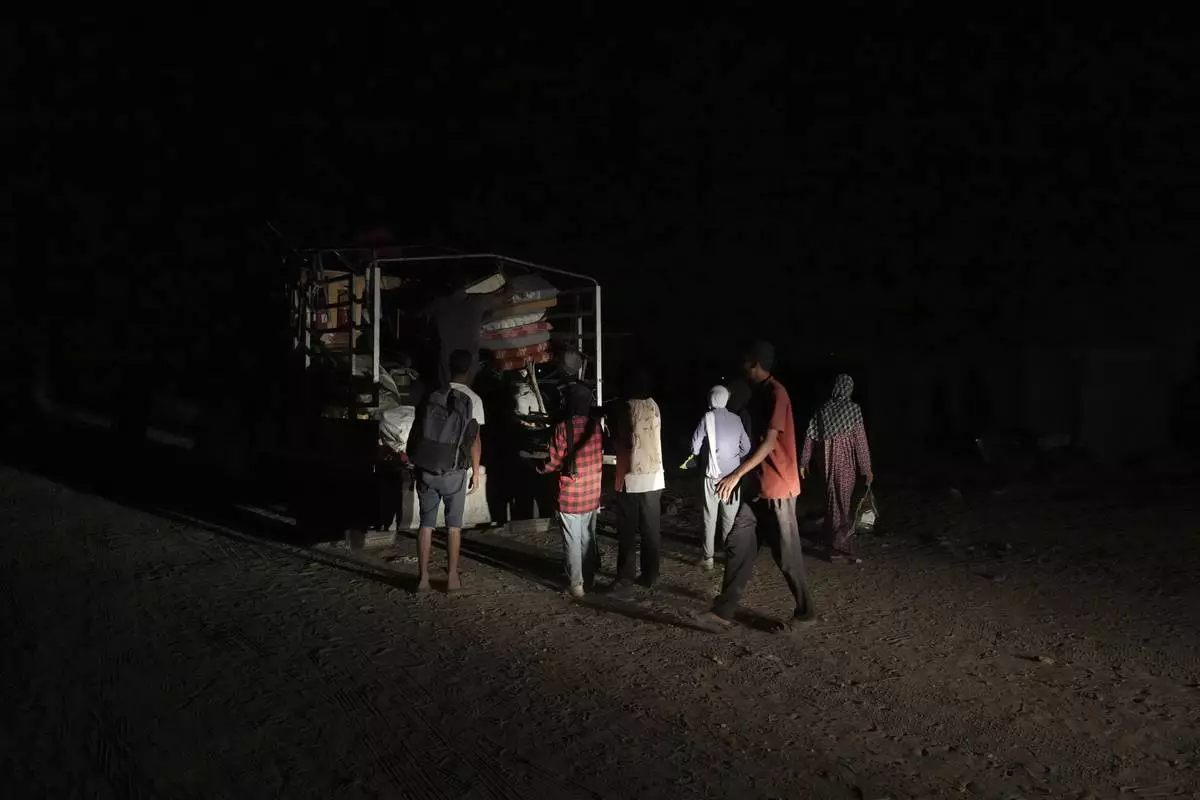
Members of the Abu Jarad family unload their belongings from a truck in Khan Younis, Gaza Strip, Sept. 10, 2025, after fleeing Gaza City following evacuation orders issued by the Israeli army. (AP Photo/Abdel Kareem Hana)
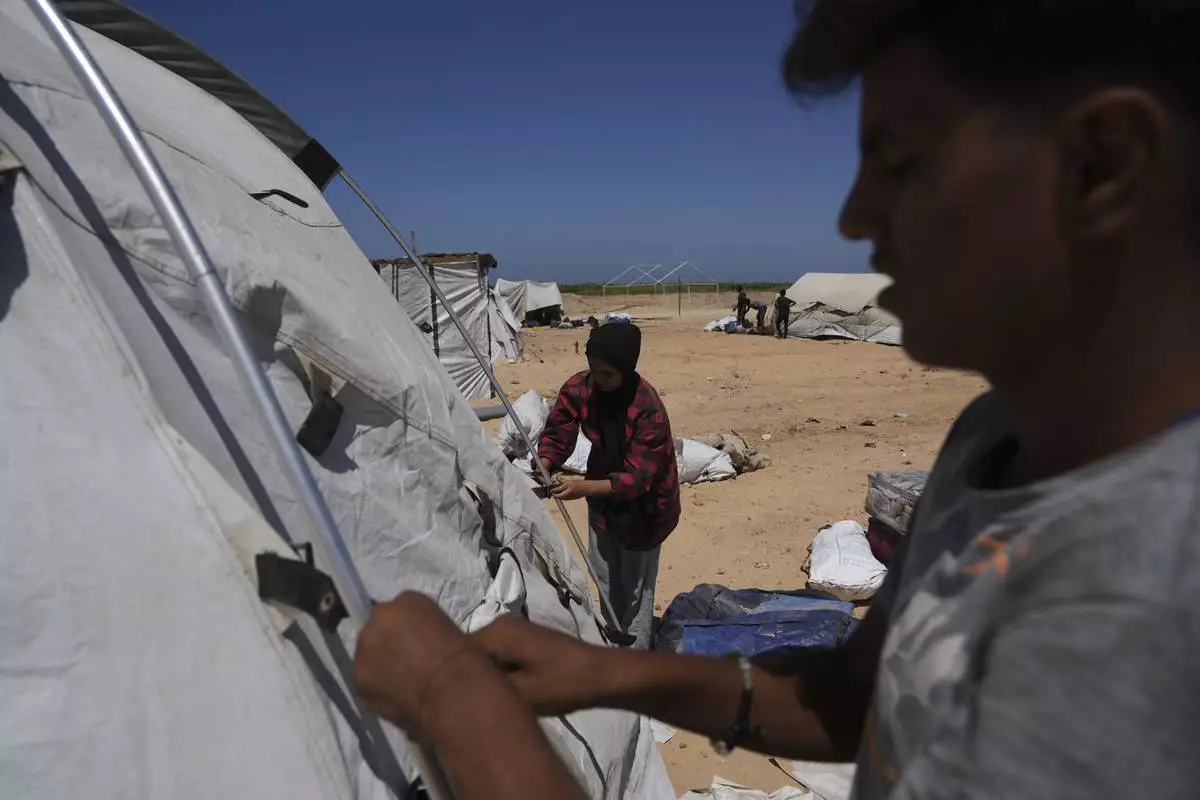
Members of the Abu Jarad family set up their tent in Khan Younis, Gaza Strip, following their displacement from Gaza City, Sept. 11, 2025. (AP Photo/Abdel Kareem Hana)
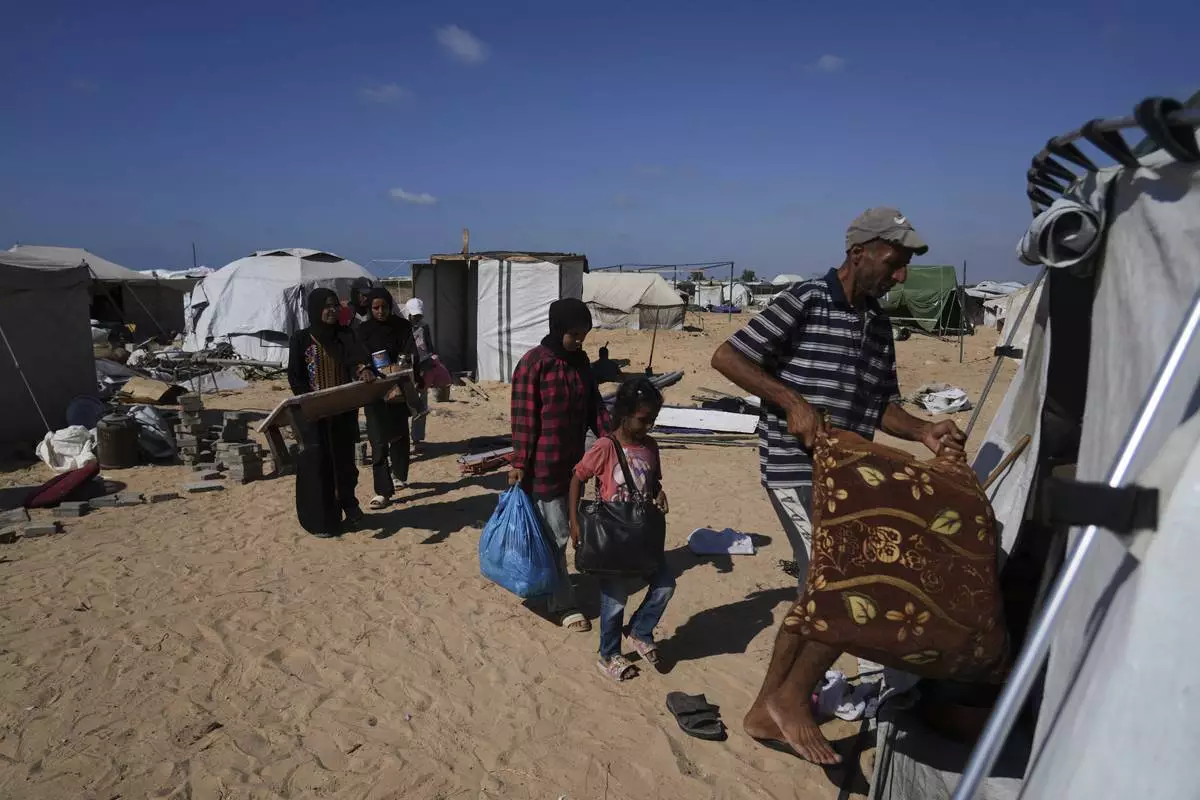
The Abu Jarad family moves their belongings into a newly built tent in Khan Younis, Gaza Strip, after being displaced from Gaza City, Sept. 11, 2025. (AP Photo/Abdel Kareem Hana)
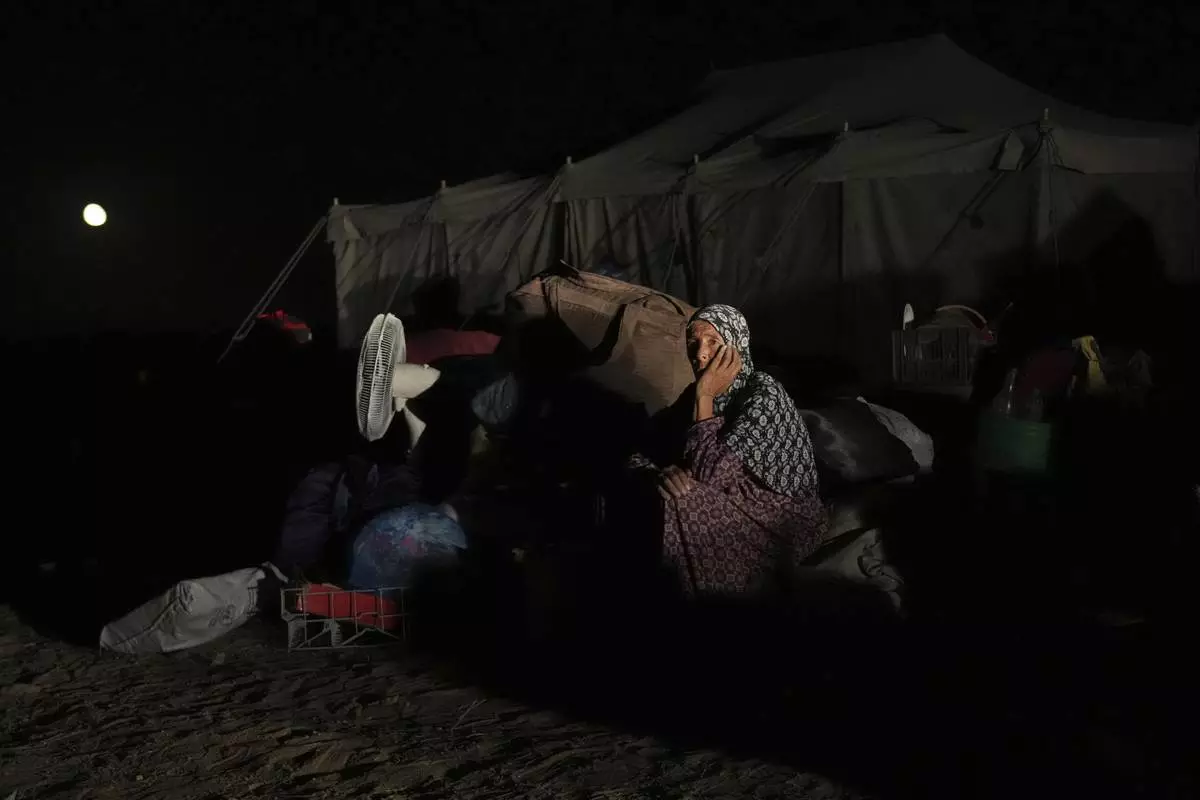
Awatif Abu Jarad, 57, sits beside her family's belongings in Khan Younis, Gaza Strip, Sept. 10, 2025, after fleeing Gaza City following evacuation orders issued by the Israeli army. (AP Photo/Abdel Kareem Hana)
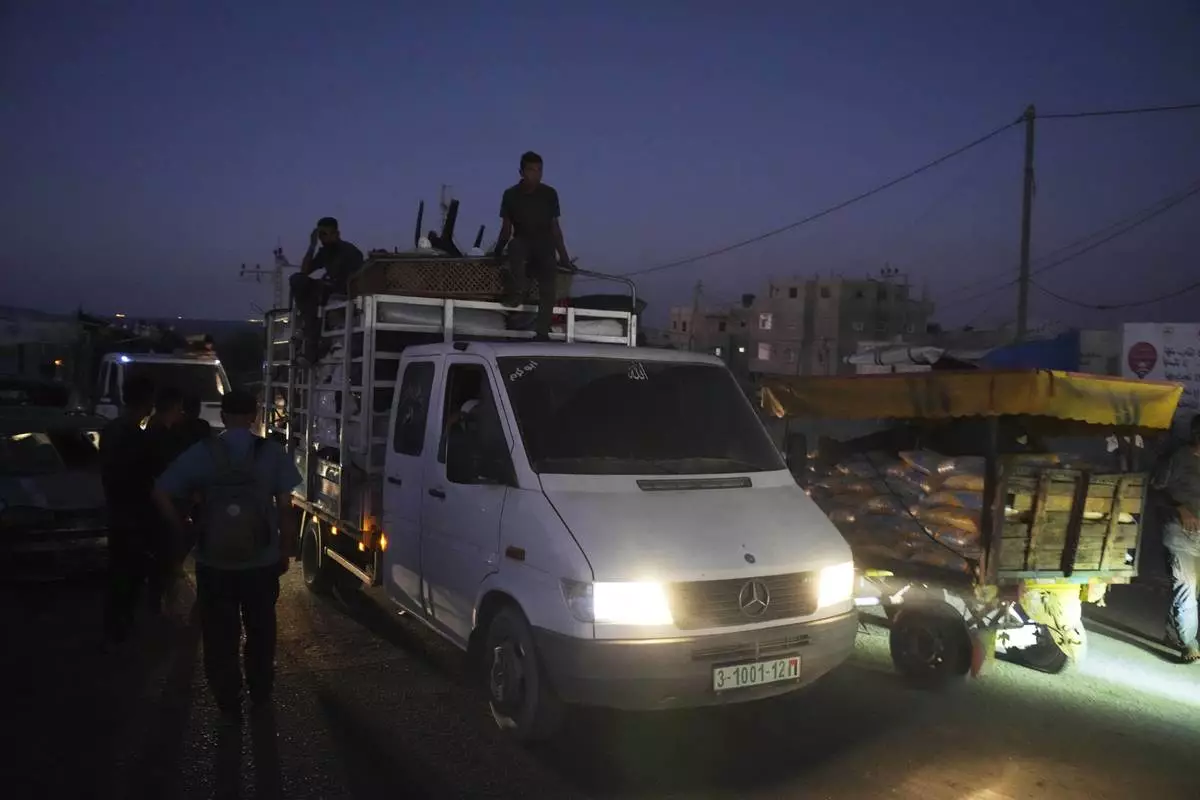
A truck transports the Abu Jarad family through Nuseirat, Gaza Strip, Sept. 10, 2025, after they were displaced from Gaza City following evacuation orders issued by the Israeli army. (AP Photo/Abdel Kareem Hana)