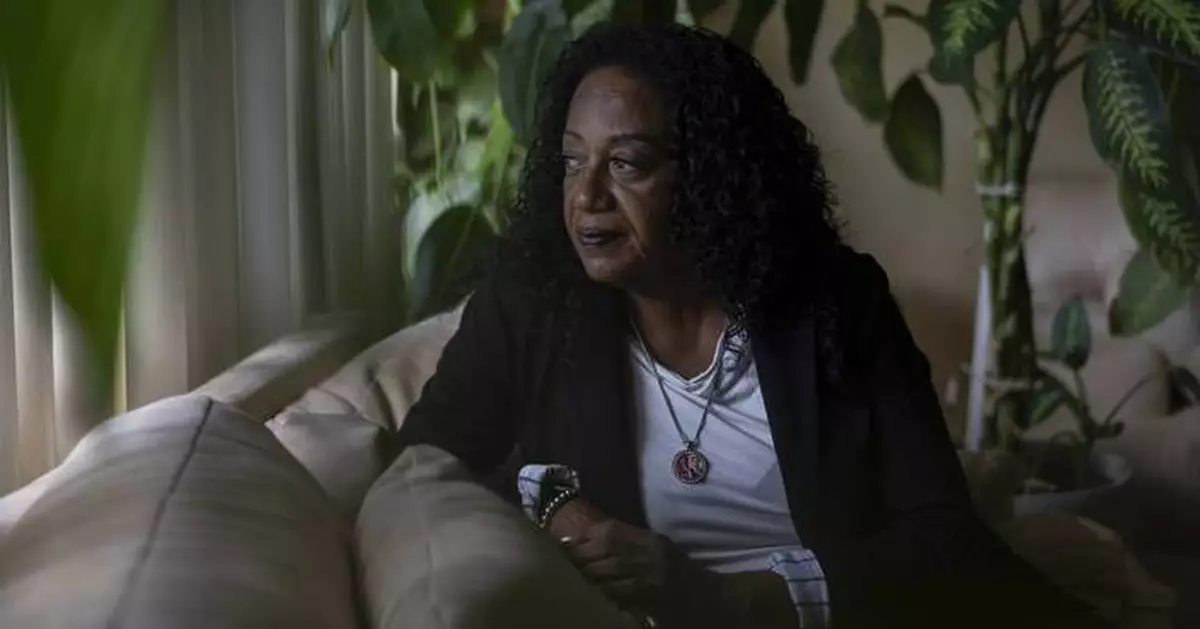
Delphine Cherry knows as well as anyone how intractable violent crime is in Chicago. In 1992, her teenage daughter was gunned down in one of the city's toniest neighborhoods — a bystander caught up in a gang shootout. Twenty years later in a suburb just south of the city, it claimed her son.
“You don't think it's going to happen twice in your life,” she said.
Click to Gallery
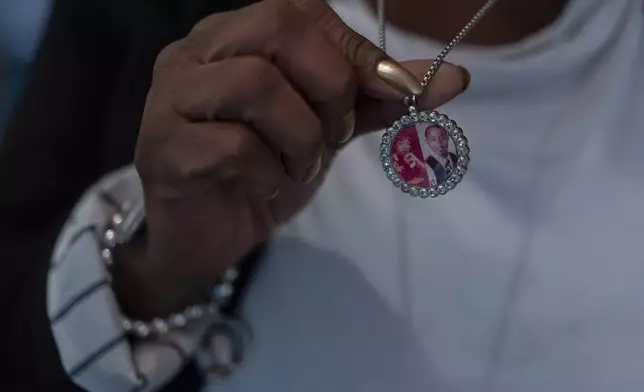
Delphine Cherry holds her necklace with images of two of her children, Tyesa Abney and Tyler Randolph Friday, Sept. 5, 2025, in Hazel Crest, Ill. (AP Photo/Carolyn Kaster)
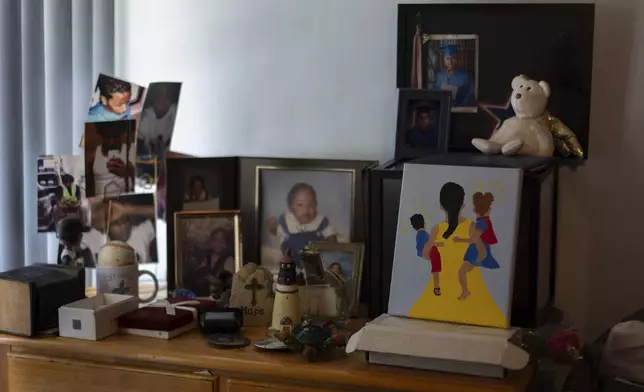
Delphine Cherry's photos of her son, Tyler Randolph, and a painting she made of a mother holding two children sit on a dresser in her home Friday, Sept. 5, 2025, in Hazel Crest, Ill. (AP Photo/Carolyn Kaster)
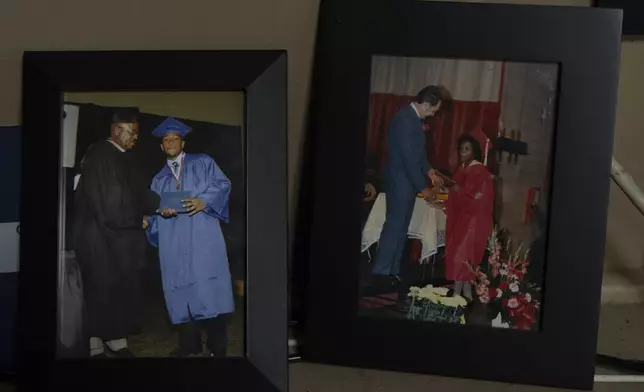
Framed photos of two of Delphine Cherry's children are displayed in her home Friday, Sept. 5, 2025, in Hazel Crest, Ill. Cherry lost two children, Tyler Randolph, left, seen, graduating from high school, and Tyesa Abney, right, seen, graduating from the eight grade, to shootings in and near Chicago. (AP Photo/Carolyn Kaster)
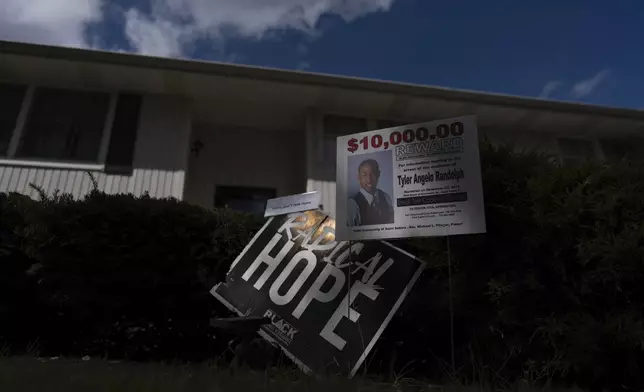
Signs are posted in front of Delphine Cherry's home Friday, Sept. 5, 2025, in Hazel Crest, Ill. Cherry lost two children, Tyler Randolph, and Tyesa Abney, to shootings in and near Chicago. (AP Photo/Carolyn Kaster)
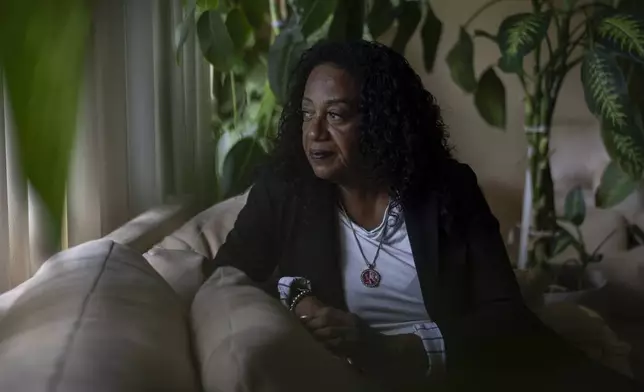
Delphine Cherry looks out from her favorite spot in her home Friday, Sept. 5, 2025, in Hazel Crest, Ill. (AP Photo/Carolyn Kaster)
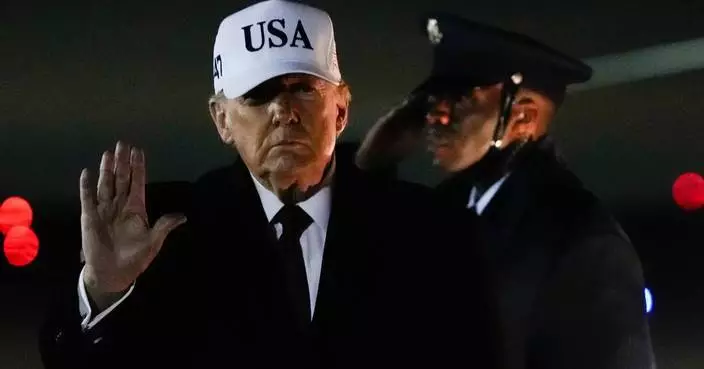
Chicago has been bracing for weeks for President Donald Trump's promised deployment of National Guard troops to the nation's third-largest city. Although Trump said the troops would help fight crime in a city he described as a “hellhole,” his administration has been tightlipped about the operation's details, including when it would start, how long it would last, how many troops would be used and what role they would play in civilian law enforcement.
Trump has also veered back and forth on sending troops to Chicago — at times insisting he would act unilaterally to deploy them and at other points suggesting he would rather send them to New Orleans or some other city in a state where their governor “wants us to come in.” Most recently, he said this week that Chicago is “probably next” after National Guard troops are sent to Memphis.
Although Chicago has had one of the highest rates of gun violence of any major American city for some time, city and state leaders overwhelmingly oppose the planned operation, calling it political theater. And even those most directly affected, including people who have lost loved ones to violent crime, wonder how sending in troops would have any lasting effect on the fight against it.
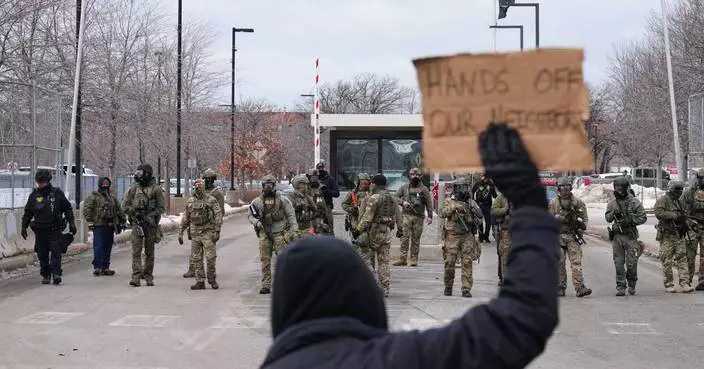
With plans for the Chicago deployment unknown, the ways National Guard troops have been used in Los Angeles and Washington this summer might offer clues.
In June, Trump deployed thousands of Guard troops to Los Angeles amid protests over his administration's immigration crackdown there. Although the troops initially were assigned to guard federal property, they also provided protection for immigration agents during raids and took part in a show of force at a park in a heavily immigrant neighborhood of LA that local officials believe was meant to sow fear.
In August, Trump announced he was placing Washington’s police force under his control and mobilizing federal forces to reduce crime and homelessness there. The troops who were deployed have patrolled around Metro stations and in the most tourist-heavy parts of the nation's capital. But they have also been spotted picking up trash and raking leaves in city parks.
The White House reported that more than 2,100 arrests had been made in Washington in the first few weeks after Trump announced he was mobilizing federal forces. And Mayor Muriel Bowser credited the federal deployment with a drop in crime, including an 87% decline in carjackings, but also criticized the frequent immigration arrests by masked ICE agents. However, an unusually high rate of cases being dropped has some, including at least one judge, wondering whether prosecutors are making charging decisions before cases are properly investigated and vetted.
Washington is unique in that it is a federal district subject to laws giving Trump power to take over the local police force for up to 30 days. The decision to use troops to try to fight crime in other Democratic-controlled cities would represent an important escalation.
Although the Trump administration hasn't said what the troops would be doing and what parts of Chicago they would operate in, they have explicitly promised a surge of federal agents targeting immigration enforcement. The city's so-called sanctuary policies are among the country's strongest and bar local police from cooperating with federal immigration enforcement.
Chicago isn’t the only Democratic-led city in Trump’s sights — he’s also mentioned Baltimore as a likely target. But Trump seems to harbor particular scorn for the Windy City, warning in an “Apocalypse Now”-themed social media post earlier this month: “’I love the smell of deportations in the morning. Chicago about to find out why it’s called the Department of WAR.”
The president's criticism, though, is more often focused on how the city's and state's Democratic leaders deal with crime.
Mayor Brandon Johnson and Illinois Gov. JB Pritzker have repeatedly pointed to a drop in crime in Chicago and have asked for more federal funding for prevention programs instead of sending in the National Guard.
Last year, the city had 573 homicides, or 21 per every 100,000 residents, according to the Rochester Institute of Technology. That’s 25% fewer than in 2020 and was a lower rate than several other major U.S. cities. Like most big cities, violent crime isn’t evenly spread out in Chicago, with most shootings happening on the South and West sides.
“If it was about safety, then the Trump administration would not have slashed $158 million in federal funding for violence prevention programs this year,” said Yolanda Androzzo, executive director of gun violence prevention nonprofit One Aim Illinois.
After Cherry's 16-year-old daughter, Tyesa, was killed in Chicago’s Gold Coast neighborhood by a stray bullet that a 14-year-old fired at rival gang members, the devastated mother moved her family to Hazel Crest, a suburb just south of the city.
“We were planning for prom. She was going on to college to be a nurse,” Cherry said.
Her son, Tyler, was fatally shot in the driveway of the family's suburban home in 2012, 20 years after Tyesa was killed.
Although her children's deaths have made Cherry an antiviolence advocate — she sits on One Aim Illinois' board — she doesn't believe bringing in troops will do anything to fight crime in Chicago, and that it could making the streets more dangerous.
“They're not going to ask questions,” Cherry said of the National Guard. “They are trained to kill on sight.”
Trevon Bosley, who was 7 years old when his 18-year-old brother, Terrell, was shot and killed in 2006 while unloading drums outside of a Church before band rehearsal, also thinks sending in troops isn't the answer.
“There is so much love and so much community in Chicago,” said Bosley, whose brother's killing remains unsolved. “There are communities that need help. When those resources are provided, they become just as beautiful as downtown, just as beautiful as the North Side.”
Like Johnson, Pritzker and other critics of the promised troop deployment, Bosley thinks better funding would make a real positive difference in parts of the city with the highest crime and poverty rates.
“It’s not like we have a police shortage,” Bosley said. “The National Guard and police show up after a shooting has occurred. They don’t show up before. That’s not stopping or saving anyone.”
__
Associated Press reporter Christine Fernando contributed to this report.
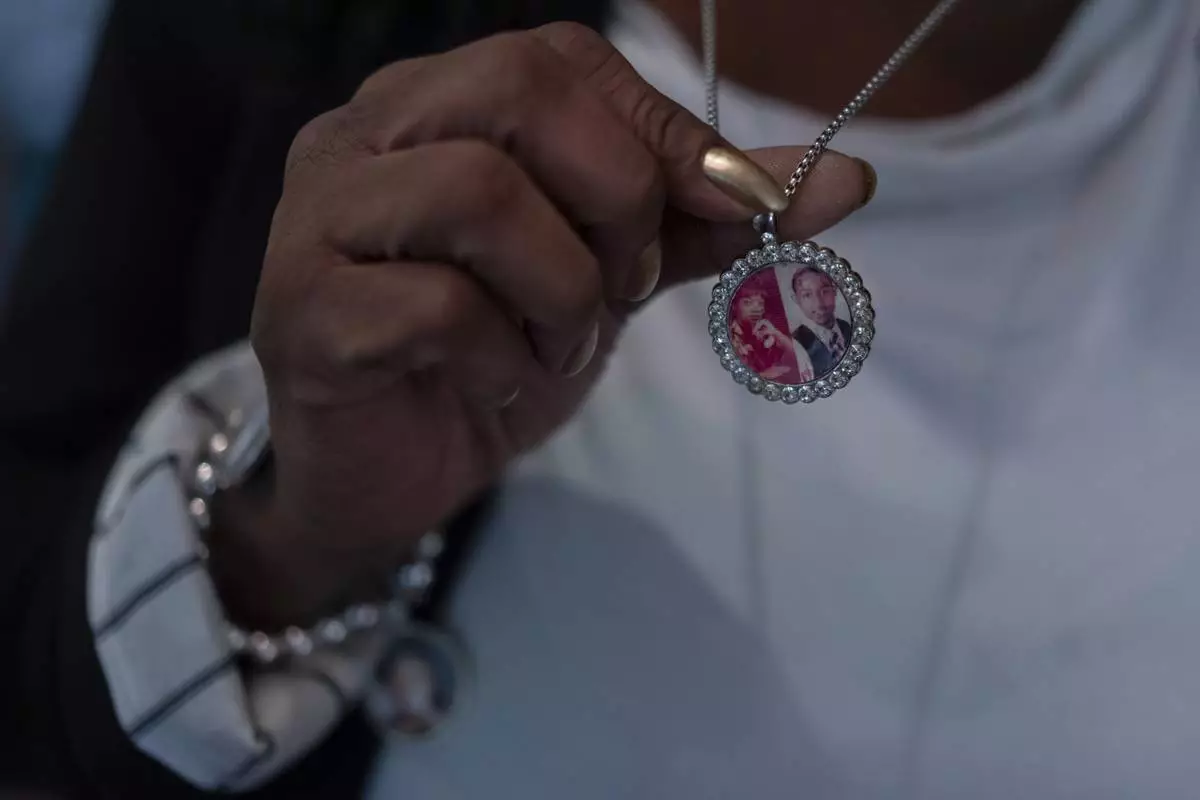
Delphine Cherry holds her necklace with images of two of her children, Tyesa Abney and Tyler Randolph Friday, Sept. 5, 2025, in Hazel Crest, Ill. (AP Photo/Carolyn Kaster)
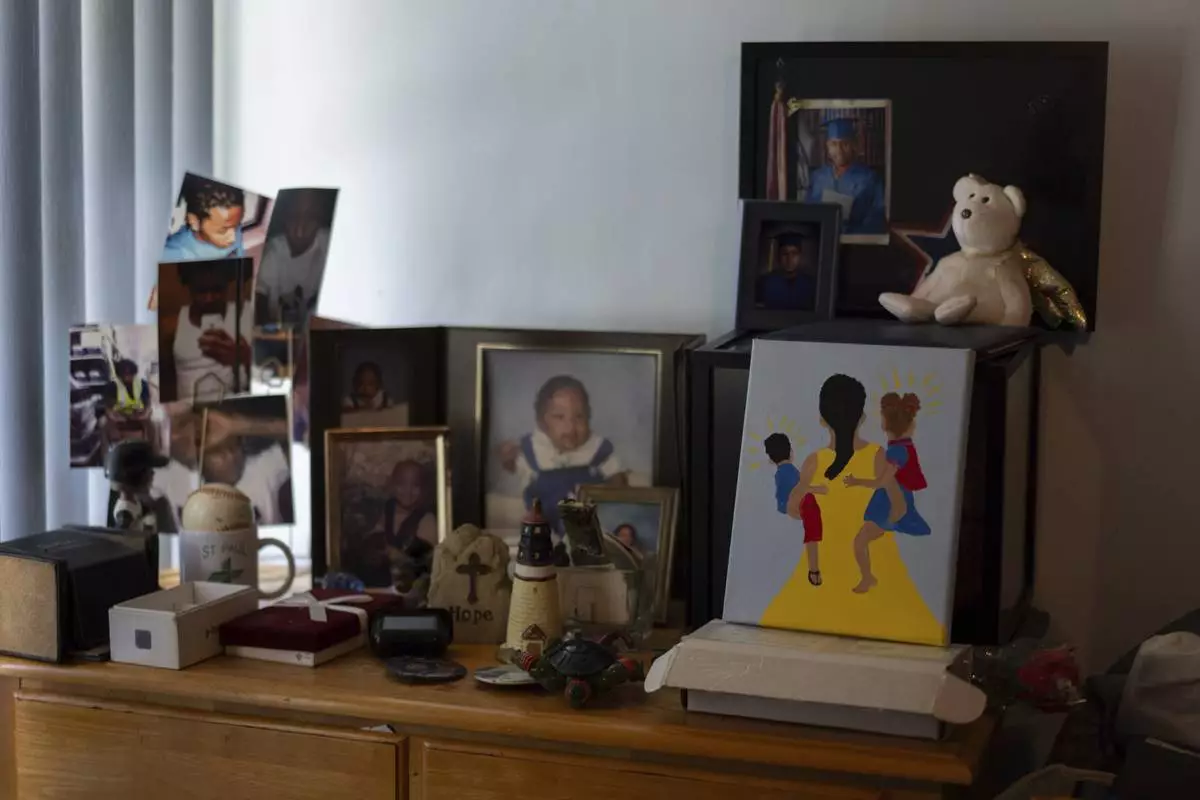
Delphine Cherry's photos of her son, Tyler Randolph, and a painting she made of a mother holding two children sit on a dresser in her home Friday, Sept. 5, 2025, in Hazel Crest, Ill. (AP Photo/Carolyn Kaster)
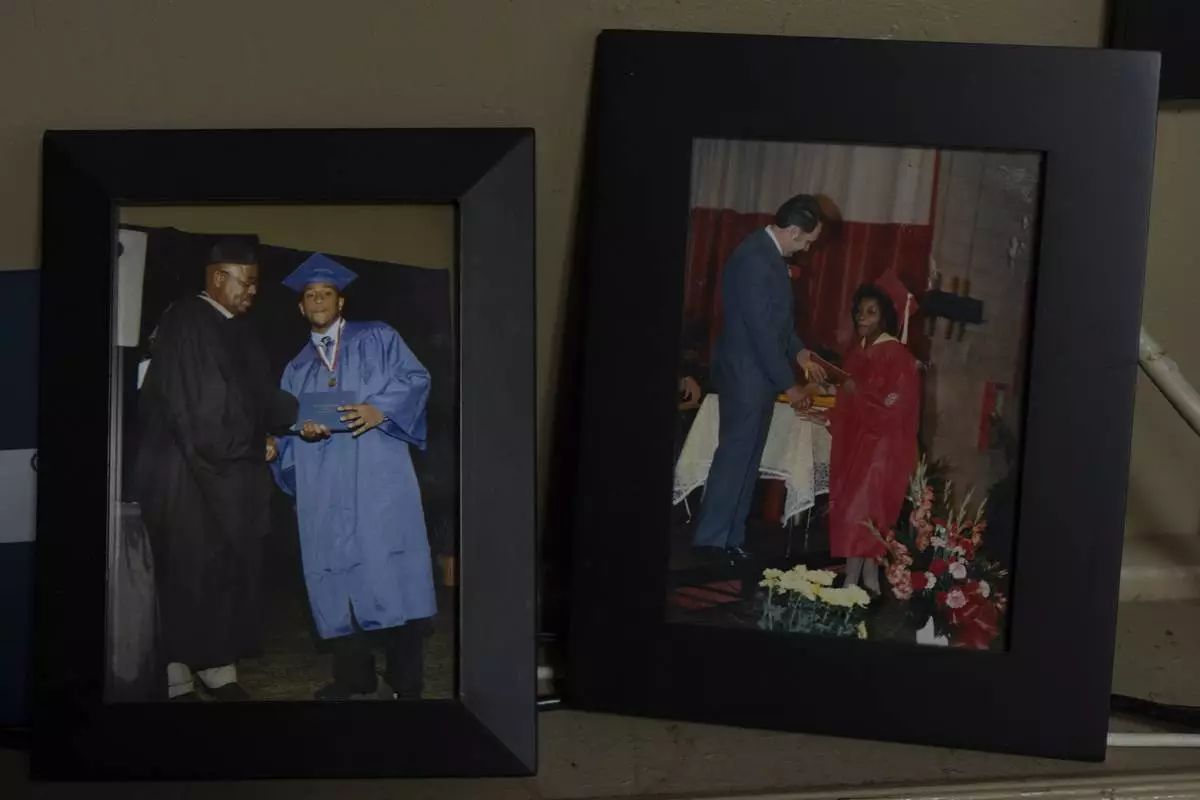
Framed photos of two of Delphine Cherry's children are displayed in her home Friday, Sept. 5, 2025, in Hazel Crest, Ill. Cherry lost two children, Tyler Randolph, left, seen, graduating from high school, and Tyesa Abney, right, seen, graduating from the eight grade, to shootings in and near Chicago. (AP Photo/Carolyn Kaster)
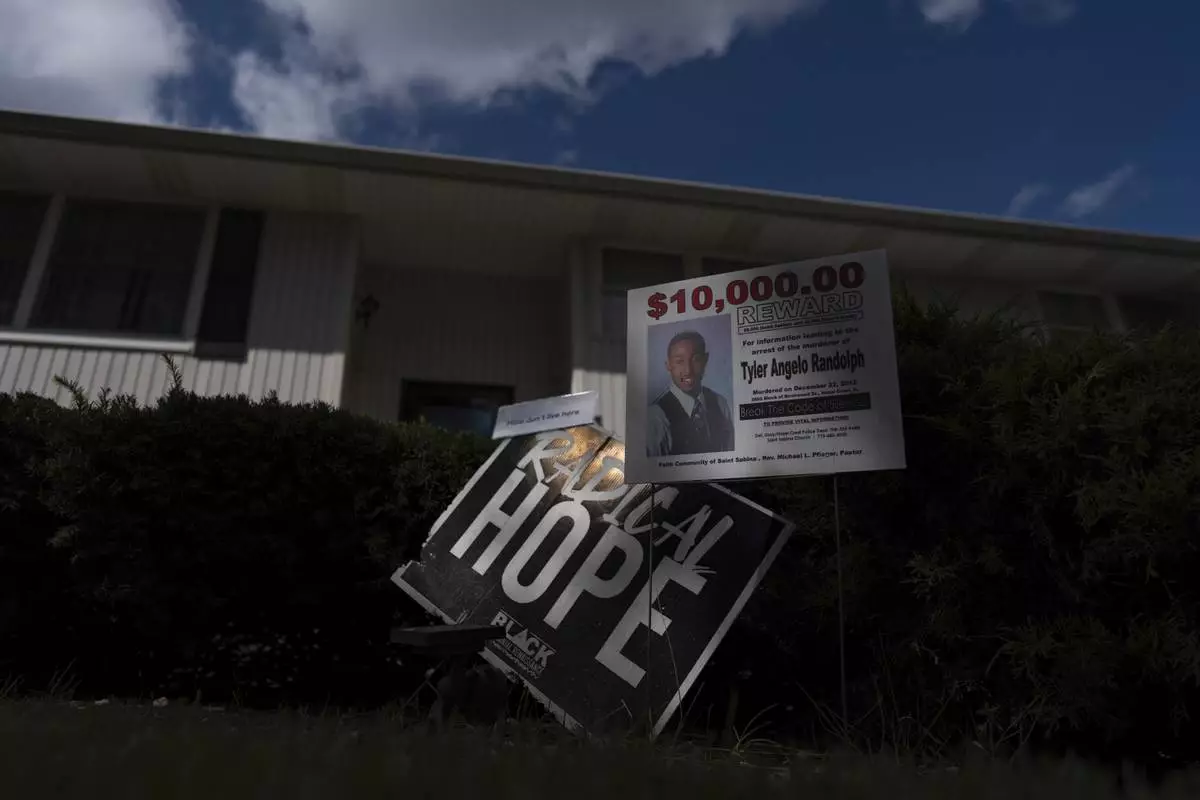
Signs are posted in front of Delphine Cherry's home Friday, Sept. 5, 2025, in Hazel Crest, Ill. Cherry lost two children, Tyler Randolph, and Tyesa Abney, to shootings in and near Chicago. (AP Photo/Carolyn Kaster)
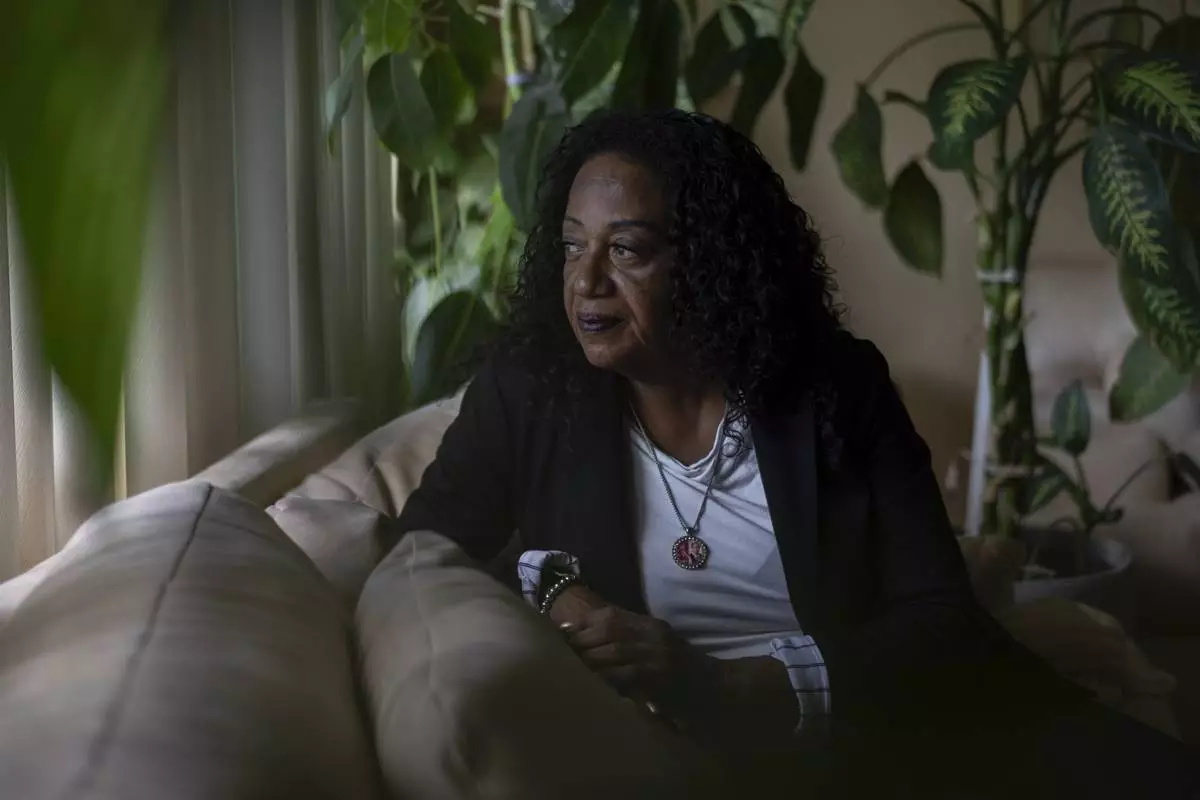
Delphine Cherry looks out from her favorite spot in her home Friday, Sept. 5, 2025, in Hazel Crest, Ill. (AP Photo/Carolyn Kaster)