The 22nd edition of the China-ASEAN Expo is in full swing in Nanning, south China's Guangxi Zhuang Autonomous Region, bringing together leaders of business councils from all ten member states.
With visitor numbers exceeding 260,000 by late Saturday, the event exemplifies the vibrant economic ties and increasing regional cooperation.
Over 3,000 enterprises across 45 countries and regions, including dedicated national pavilions from seven ASEAN member states, participated in the five-day exhibition, which opened on Wednesday, featuring more than 100 major investment projects and trade agreements.
"We've signed agreements not only with partners in Nanning but also those in Hangzhou, northeast China and other regions. China's market is huge, and this presents us with tremendous opportunities," said an exhibitor from Malaysia.
Official data show that bilateral trade volumes have consistently risen, with China remaining ASEAN's largest trading partner for 16 consecutive years, while ASEAN has been China's largest trading partner for the past five years.
Since the beginning of the year, U.S. tariffs and trade restrictions have posed significant challenges to Southeast Asian economies heavily reliant on exports. Amid these headwinds, China and ASEAN have leveraged their supply chain synergy to not only serve as "safe harbors" in a turbulent global landscape but also to seize new opportunities -- particularly in emerging and frontier sectors such as digital technology, artificial intelligence (AI), and green energy.
For the first time, the expo features a newly minted 10,000-square-meter pavilion dedicated to AI, the largest single-theme hall in the expo's history.
This year's AI spotlight comes as the China-ASEAN Free Trade Area (CAFTA), the world's largest free trade zone among developing countries, is set to be upgraded to version 3.0. Negotiations concluded in May, with a formal signing expected by the end of the year.
The theme of this year's expo, "Digital Intelligence and Innovation Empower Development -- Leveraging China-ASEAN FTA 3.0 New Opportunities for an Even Closer China-ASEAN Community with a Shared Future," also highlights the role of technology in boosting bilateral trade and cooperation.
"Digital intelligence in China actually is also very advanced and they can be applied in many applications as well. So, we come here to look at the AI, especially for the smart cities' development," said a professional in attendance at the event.
"If AI, China's AI, goes to other countries' market, [it] will help other countries' development, [help them] have smart ideas, have everything," said an exhibitor from Cambodia.
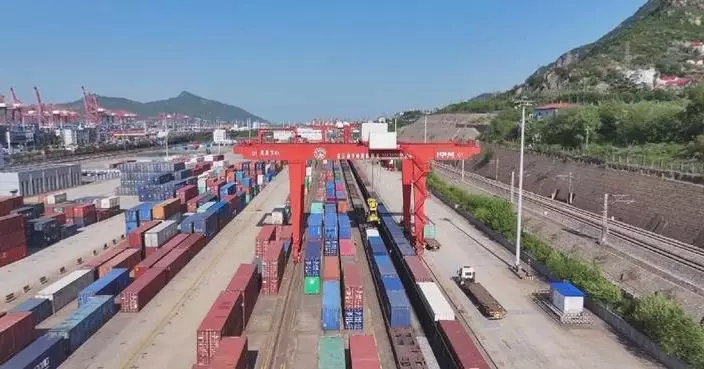
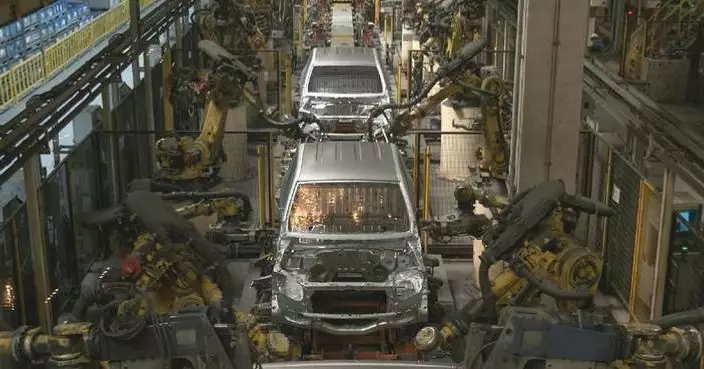
Recently, China's strengths in equipment manufacturing, electronic information, and new energy have complemented ASEAN's abundant natural resources, youthful labor force, and growing manufacturing capacity. Meanwhile, cooperation in frontier fields is accelerating, focusing on zero-carbon industrial parks, smart factories, and digital supply chains.
"I think the prosperity agenda has always been a shared prosperity. We have shared interests in just about everything we do together. That's what is reflected in the mechanism we have on the one hand. If you look overall, among the 11 dialogue partners, I think China has the most number of mechanisms. And I think that we have to make sure that we maintain this level of commitment and level of working together. At the same time, we have to continue, which we have been doing, to manage our challenges constructively. And we have been able to do that. Moving forward, I'm sure, I'm fully confident that we will continue to see the relationship continue to transform in the most dynamic way," said ASEAN Secretary-General Kao Kim Hourn.
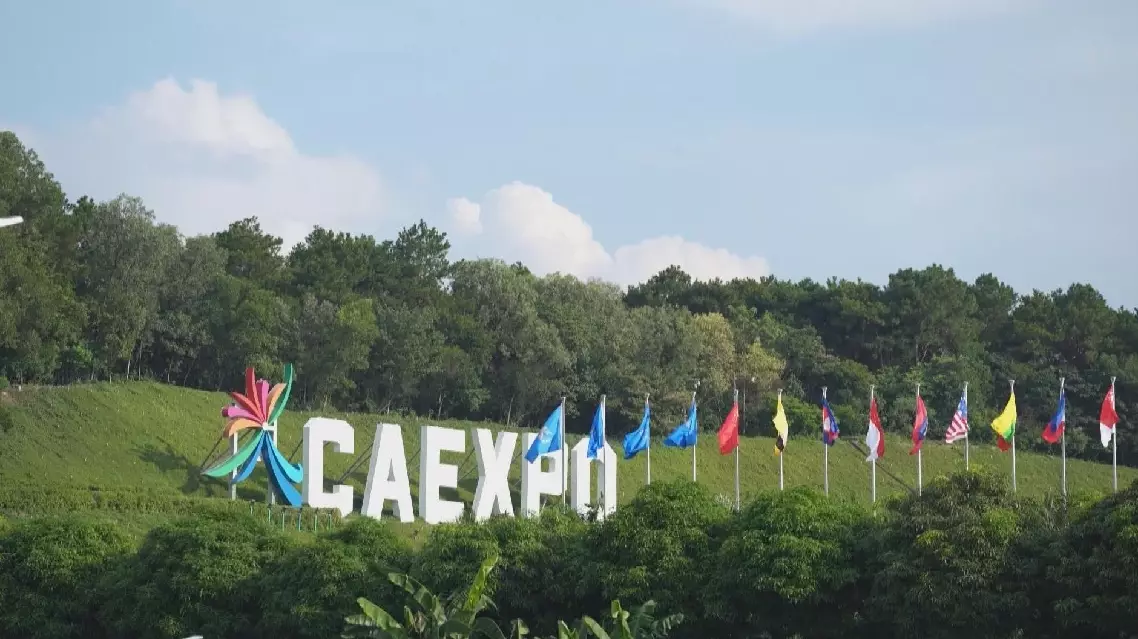
China-ASEAN Expo highlights regional cooperation, trade opportunities