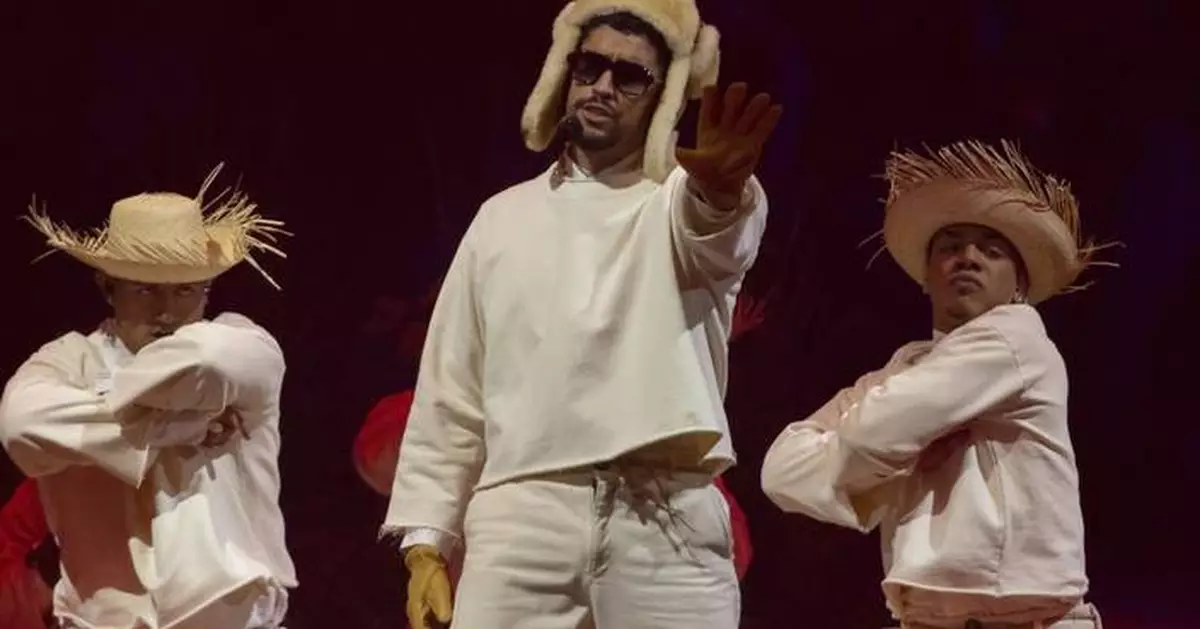
SAN JUAN, Puerto Rico (AP) — Bad Bunny fans drowned out memories of Hurricane Maria in one booming voice on the anniversary of the devastating storm.
Saturday was a concert for Puerto Ricans by Puerto Ricans to remind the world about the power of “la isla del encanto” (“the island of enchantment").
Click to Gallery
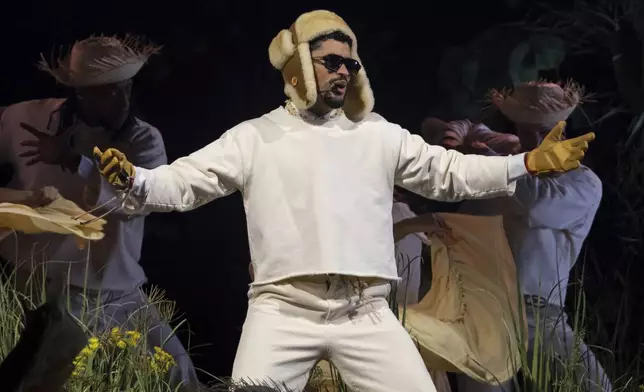
Bad Bunny performs during the final concert of his summer residency in his homeland at the Coliseo de Puerto Rico Jose Miguel Agrelot, in San Juan, Puerto Rico, Saturday, Sept. 20, 2025. (AP Photo/Alejandro Granadillo)
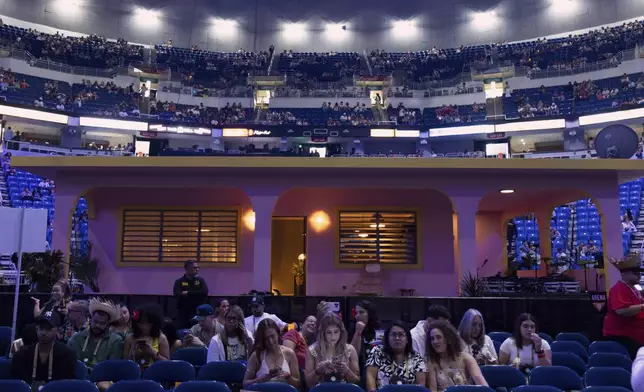
Fans sit in front of "La Casita" before Bad Bunny final concert of his summer residency in his homeland at the Coliseo de Puerto Rico Jose Miguel Agrelot, in San Juan, Puerto Rico, Saturday, Sept. 20, 2025. (AP Photo/Alejandro Granadillo)
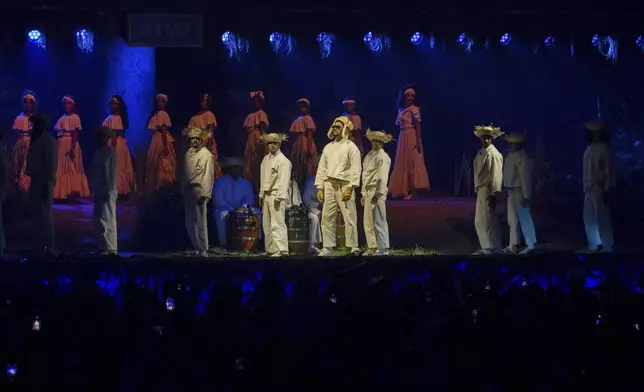
Bad Bunny performs during the final concert of his summer residency in his homeland at the Coliseo de Puerto Rico Jose Miguel Agrelot, in San Juan, Puerto Rico, Saturday, Sept. 20, 2025. (AP Photo/Alejandro Granadillo)
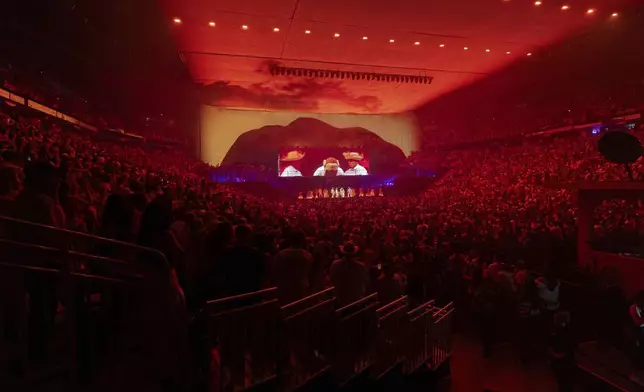
Bad Bunny performs during the final concert of his summer residency in his homeland at the Coliseo de Puerto Rico Jose Miguel Agrelot, in San Juan, Puerto Rico, Saturday, Sept. 20, 2025. (AP Photo/Alejandro Granadillo)
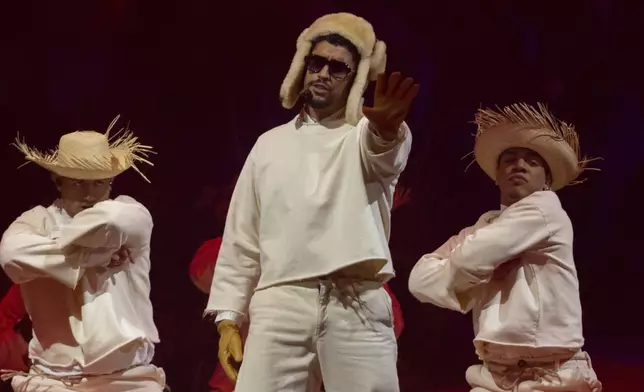
Bad Bunny performs during the final concert of his summer residency in his homeland at the Coliseo de Puerto Rico Jose Miguel Agrelot, in San Juan, Puerto Rico, Saturday, Sept. 20, 2025. (AP Photo/Alejandro Granadillo)
“We’re not going to quit. The entire world is watching!” Bad Bunny thundered into his microphone as he looked into a camera streaming his last show in Puerto Rico this year to viewers around the world following a historic 30-concert residency in the U.S. territory.
The crowd roared as thousands watching via Amazon Music, Prime Video and Twitch joined them, marking the first time Bad Bunny was streamed across the globe.
The residency was more than just a series of concerts. Saturday marked the end of an extended love letter that Benito Antonio Martínez Ocasio sang to Puerto Rico. He tapped into what it means to be Puerto Rican, to delight in the island’s beauty, defend its land and fight for its people.
“This is for you,” Bad Bunny said from the rooftop of an iconic Puerto Rican house installed at the concert venue as he raised his glass and the crowd raised their glasses in return.
Saturday marked the eighth anniversary of Hurricane Maria, which slammed into Puerto Rico as a Category 4 storm on Sept. 20, 2017.
An estimated 2,975 people died in the sweltering aftermath of the storm that razed the island’s electric grid, leaving some communities without power for up to a year. Anger and frustration over the pace of reconstruction continues to simmer as chronic power outages persist.
In a Sept. 11 report, the U.S. Office of Inspector General found that 92% of approved and obligated projects related to Puerto Rico’s crumbling grid were incomplete, and that $3.7 billion of available funds had not been obligated.
“Over seven years after Hurricane Maria, FEMA does not know when Puerto Rico’s electrical grid will be completely rebuilt. The grid remains unstable, inadequate, and vulnerable to interruptions,” the report stated.
On Saturday, the number of estimated deaths were imprinted on the back of T-shirts and written on Puerto Rican flags that the crowd waved into the air.
“We are still emotional and carry the trauma of having gone through a horrible thing,” said Marta Amaral, 61, who attended Saturday’s concert. “Beyond the sadness and remembering the negativity of having gone through a traumatic event, this is a celebration that we are still here, standing.”
At every concert this summer, Bad Bunny invited new celebrities — among them LeBron James, Penélope Cruz, Darren Aronofsky, DJ Khaled and Kylian Mbappé — and sang with different musicians, including Rubén Blades, Residente, Gilberto Santa Rosa, Rai Nao and Jorge Drexler.
But on Saturday, the noise from the crowd hit new levels as Bad Bunny rapped with Puerto Rico heavyweights Ñengo Flow, Jowell y Randy, Dei V and Arcángel and De la Ghetto. Thousands of fans flexed their knees in unison to thumping rap and reggaetón.
Then, the crowd gasped in disbelief as Marc Anthony appeared on stage after Bad Bunny pleaded with his fans to join him because he was going to sing a song he hadn’t sung in public in some 20 years.
“Yo te quiero, Puerto Rico!” the crowd cried as the two singers embraced at the end of the iconic song, “Preciosa,” whose lyrics say, “I love you, Puerto Rico.”
Thousands gathered outside the concert venue on Saturday hours before the concert, with Puerto Rico’s national flower, the vibrant flor de maga, tucked behind their ear, and the traditional straw hat known as the “pava,” set at a jaunty angle on their head.
But not all were celebrating.
Darlene Mercado milled around, asking strangers if they knew of anyone with tickets she could buy for herself and her daughter, who had flown in from New Jersey.
They were around number 122,000 in a virtual waiting line to buy tickets for Saturday’s sold-out concert and weren’t able to get any after waiting eight hours online.
“This is not only the anniversary of the hurricane, but it’s also the anniversary of me no longer having cancer and it’s my birthday. We wanted to celebrate everything with a bang,” she said.
Saturday’s concert was open only to residents of Puerto Rico, as were the first nine concerts of Bad Bunny’s residency, but the remainder was open to fans around the world.
Overall, the concerts attracted roughly half a million people, generating an estimated $733 million for Puerto Rico, according to a new study by Gaither International.
Most foreign visitors came from the Dominican Republic, Colombia and Spain, with an average stay of nearly nine nights, the study found. Overall, roughly 70% of concertgoers were female, with an average age of 33, according to the study.
Among those attending was Shamira Oquendo.
“It’s going to be an emotional night,” the 25-year-old said, noting that Hurricane Maria was her first hurricane. “It was very sad. A lot of people around me lost their things.”
Puerto Rico’s party with Bad Bunny ended early Sunday, but the superstar who recently clinched 12 Latin Grammy nominations will go on a worldwide tour in December, with concerts planned in countries including Costa Rica, Mexico, Brazil, Australia, Spain, France and Sweden. Notably, he is skipping the U.S., citing concerns over the arrest of immigrants.
On Saturday, Bad Bunny thanked his fans for their love.
“I’m going to miss you a lot. I’m going to miss this energy,” he said as he urged the crowd to embrace love no matter the situation.
At that moment, friends and family in the crowd began to hug each other, some with tears in their eyes.
After more than three hours of singing with Bad Bunny, fans were not quite ready to let go. As the crowd filed down the stairs and into the night, one man yelled, “Yo soy boricua!” and the crowd responded, “Pa’ que tú lo sepas!”
It’s a traditional cry-and-response yell that lets people around them know they’re Puerto Rican and proud of it.
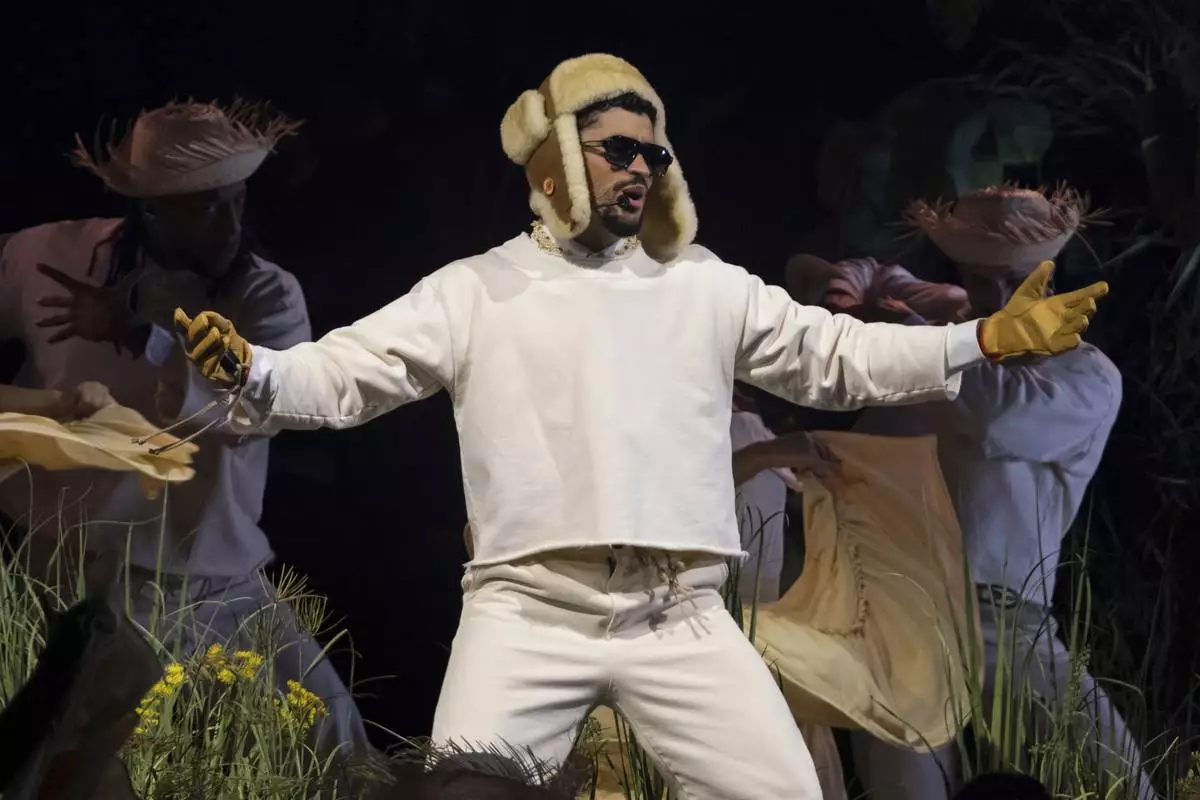
Bad Bunny performs during the final concert of his summer residency in his homeland at the Coliseo de Puerto Rico Jose Miguel Agrelot, in San Juan, Puerto Rico, Saturday, Sept. 20, 2025. (AP Photo/Alejandro Granadillo)
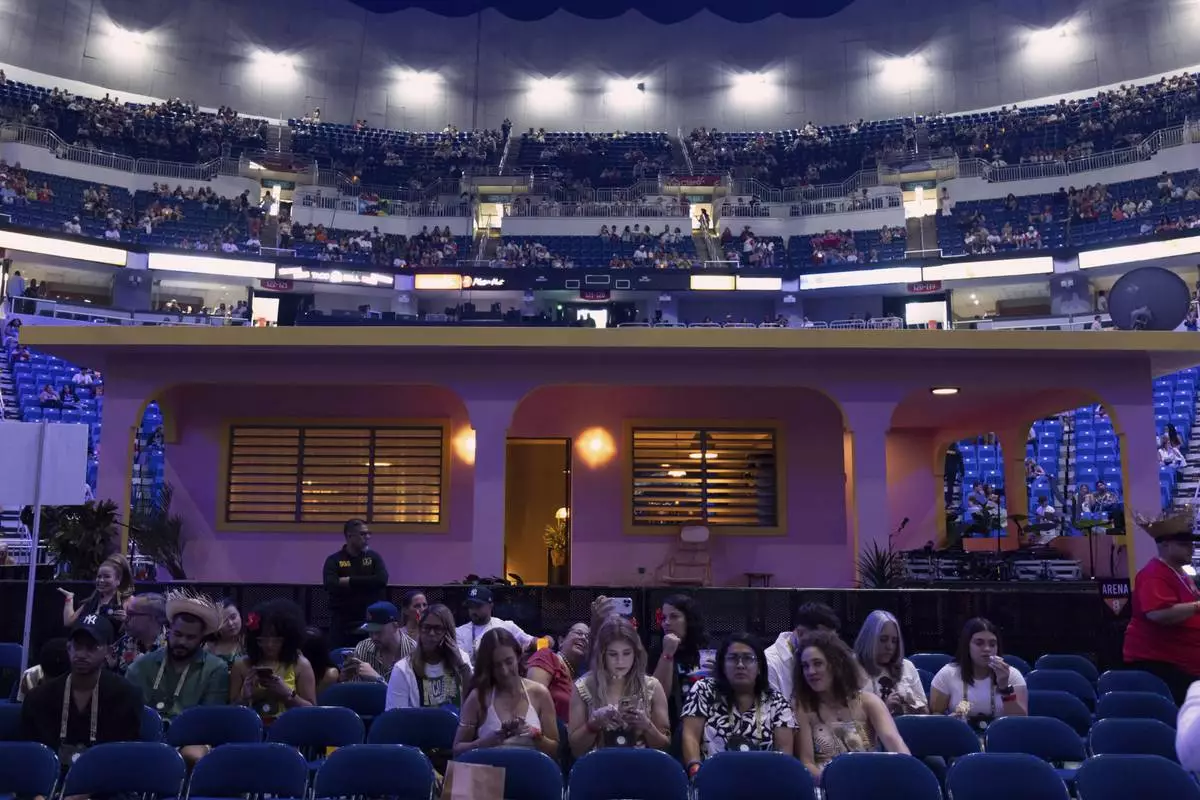
Fans sit in front of "La Casita" before Bad Bunny final concert of his summer residency in his homeland at the Coliseo de Puerto Rico Jose Miguel Agrelot, in San Juan, Puerto Rico, Saturday, Sept. 20, 2025. (AP Photo/Alejandro Granadillo)
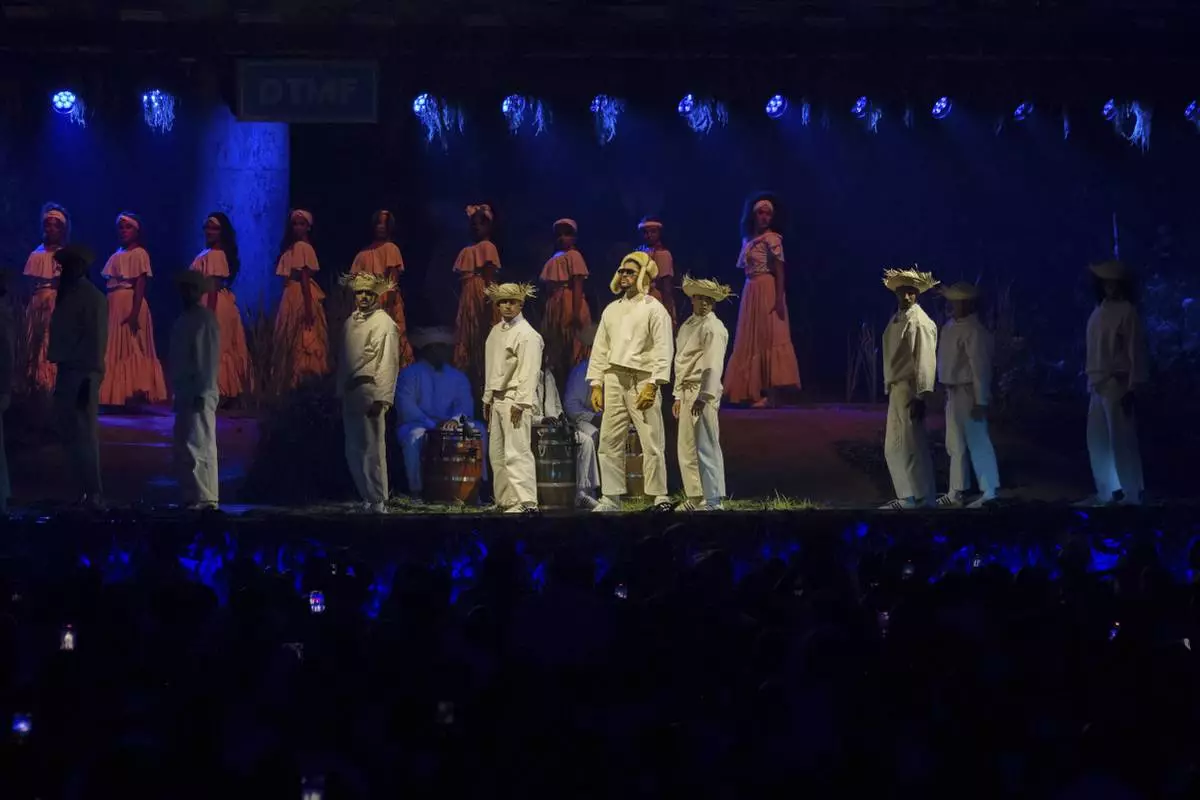
Bad Bunny performs during the final concert of his summer residency in his homeland at the Coliseo de Puerto Rico Jose Miguel Agrelot, in San Juan, Puerto Rico, Saturday, Sept. 20, 2025. (AP Photo/Alejandro Granadillo)
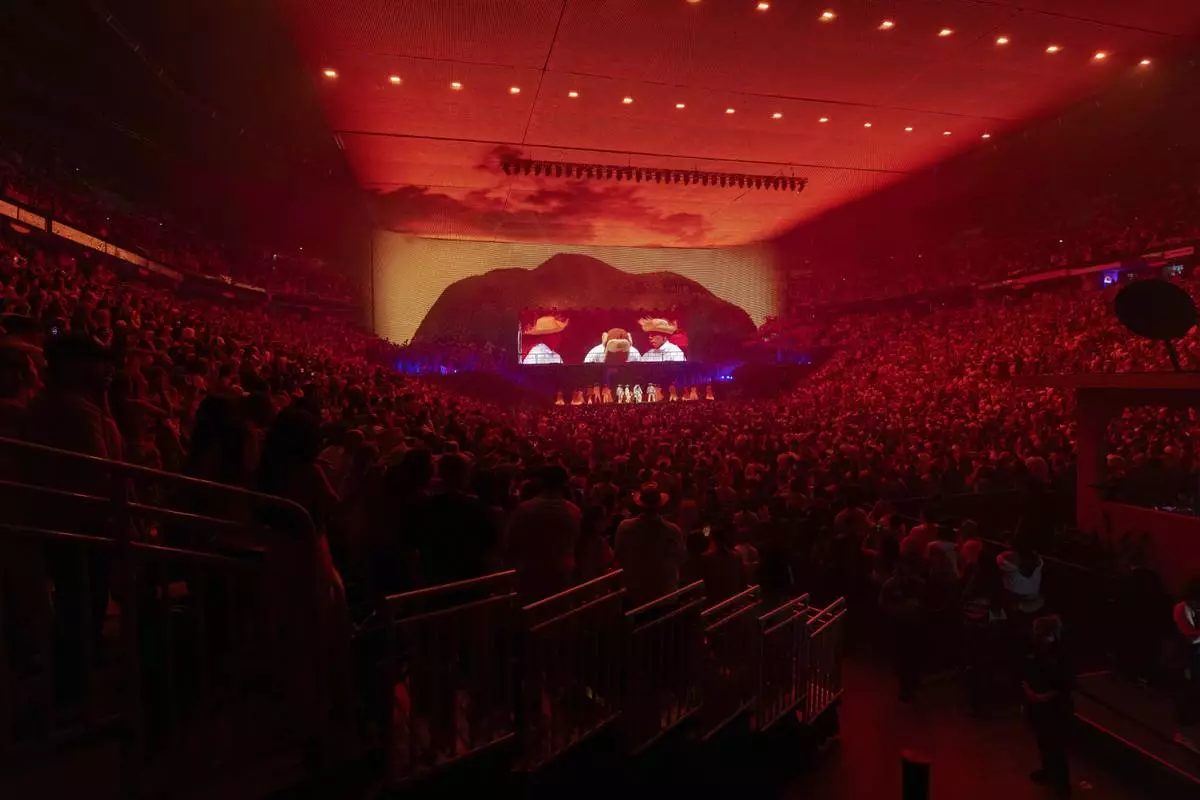
Bad Bunny performs during the final concert of his summer residency in his homeland at the Coliseo de Puerto Rico Jose Miguel Agrelot, in San Juan, Puerto Rico, Saturday, Sept. 20, 2025. (AP Photo/Alejandro Granadillo)
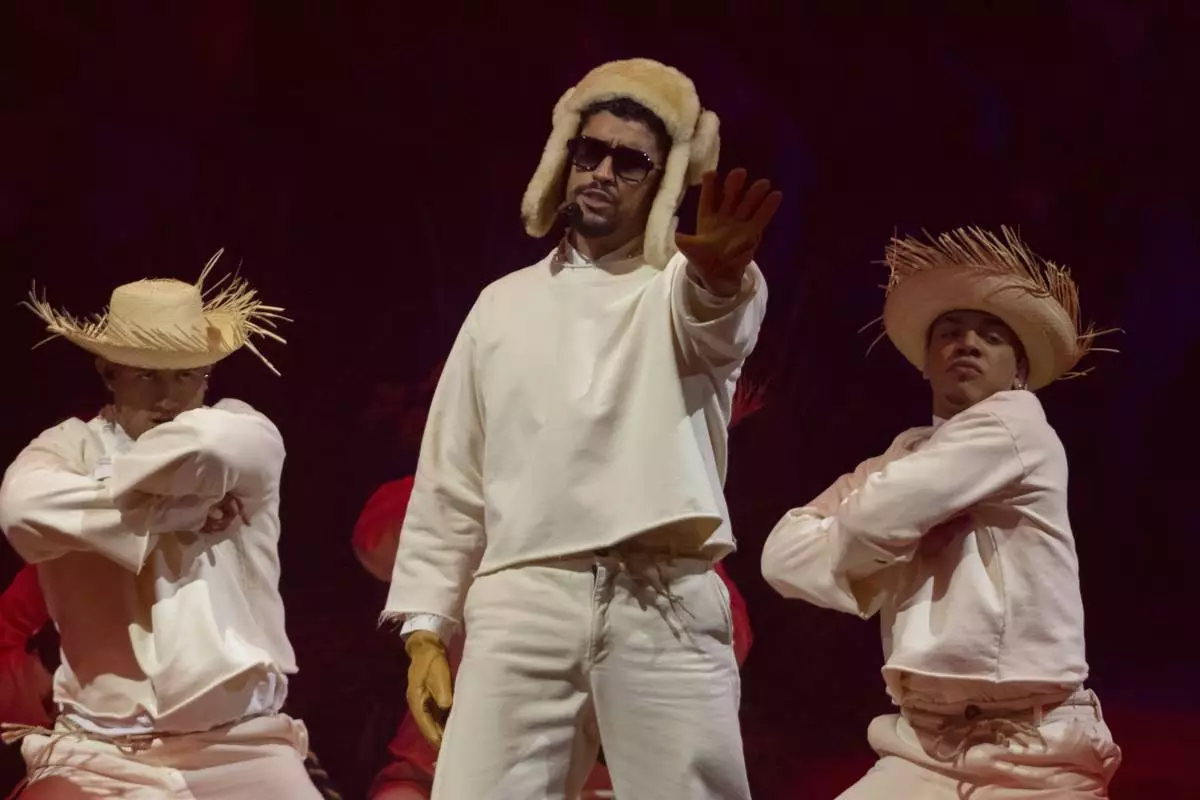
Bad Bunny performs during the final concert of his summer residency in his homeland at the Coliseo de Puerto Rico Jose Miguel Agrelot, in San Juan, Puerto Rico, Saturday, Sept. 20, 2025. (AP Photo/Alejandro Granadillo)