The city of Kashgar in northwest China's Xinjiang Uygur Autonomous Region has harnessed its cultural and geographical advantages, transforming into a unique tourist destination that blends history and modernity.
The ancient city, located in southwestern Xinjiang, served as a vital transportation hub connecting China with Central Asia and South Asia in ancient times. Stepping into the newly revitalized Kashgar Ancient City scenic spot is like opening a window to a vibrant tapestry woven from history, dreams, and modern renewal.
Maerdan Abuliti is an owner of a cozy cafe nestled within the historic quarter. As he carefully brews the signature specialty coffee inspired by the local love for herbal tea, Maerdan reflects on how the city's revival has breathed new life into his business and the community.
Maerdan grew up in Kashgar, witnessing the city's gradual change. Following the completion of the old city's renovation in 2016, he envisioned opening a cafe that would honor the area's rich heritage while offering a modern touch. He thoughtfully incorporated vintage artifacts into his shop's decor, creating a space that marries tradition with innovation.
Sprawling across 8.36 square kilometers and home to over 200,000 residents, the old city faced serious challenges in the past -- deteriorating structures, safety hazards, and a pressing need for renovation. The local government launched a revitalization plan, engaging local residents to ensure the project reflected their needs and aspirations and preserving the city's historical fabric while enhancing its livability.
"If the ancient city has not been renovated and upgraded, or the supporting facilities have not been improved, the tourists' experience will not be very good, and I don't think tourism will bring us such benefits, which concerns every one of us living in the Kashgar ancient city," said Maerdan.
As the city's charm grows, more young people are choosing to settle in Kashgar's historic streets. Among them is Xiaohu, a photographer from southwest China's Chongqing Municipality who arrived three years ago.
Enthralled by Kashgar's unique scenery, she has become a dedicated travel photographer, capturing the city's evolving stories through her lens. Xiaohu and many other young professionals have made Kashgar their home, helping document the city's ongoing renaissance.
"During the summer vacation, there are more tourists. I can get eight to 12 orders in a day. Some of the tourists like the street scenes here," said Xiaohu.
Since 2019, emerging profession of travel photography has flourished in the scenic spot. By far, around 145 registered photo studios and approximately 800 photographers contribute to capturing both the enduring history and the vibrant energy of the city, allowing visitors and locals alike to see Kashgar's timeless splendor in a new light.
"The old city, the historical city is very beautiful, quite amazing. So, just walking around and see the city, we really like it," said a tourist from Italy.
"This is not only my workplace bu more like my home," said Aliya Abulimiti, a local guide.
"We welcome more people to come to Kashgar as Kashgar is a brilliant pearl," said Abdurehim Uji, head of the e-commerce operations department at a local tourism resource development and operation company.
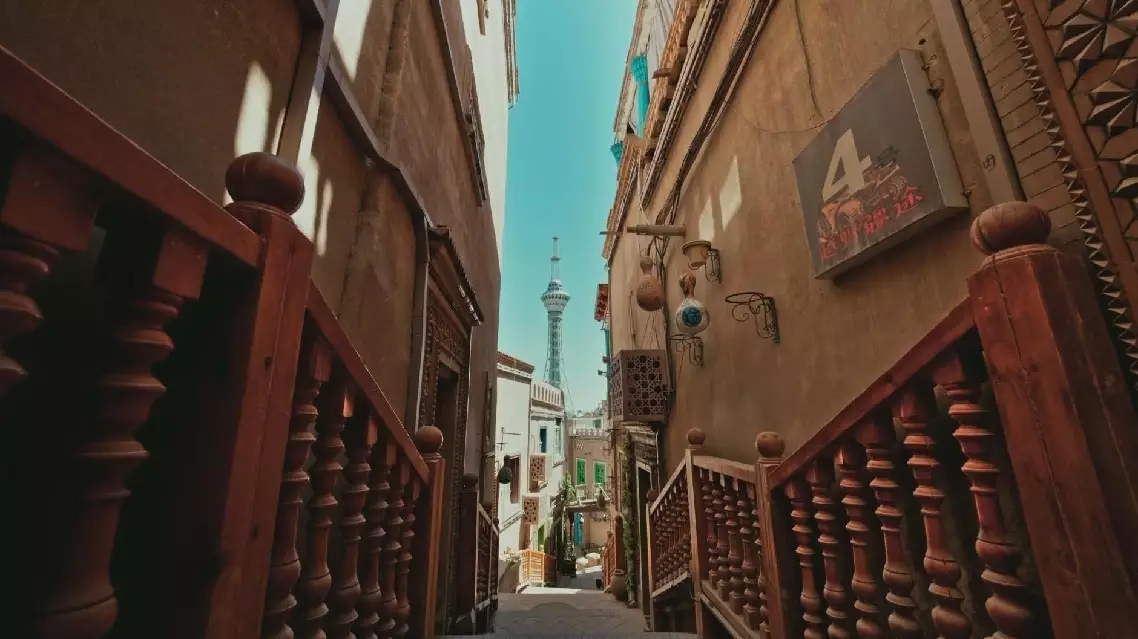
Ancient city of Kashgar transforms into iconic tourist destination in China's Xinjiang