The Chinese Navy said Monday that carrier-based aircraft J-15T, J-35 and KongJing-600 have successfully completed their inaugural electromagnetic catapult-assisted takeoff and arrested landing trainings on aircraft carrier, the Fujian.
The success showed that China's first domestically built catapult-equipped aircraft carrier has obtained electromagnetic catapult launch and recovery capabilities, marking another breakthrough in the development of China's aircraft carriers.
J-15T, J-35 and KongJing-600 were showcased during China's massive military parade held on Sept 3 to mark the 80th anniversary of the victory in the Chinese People's War of Resistance against Japanese Aggression and the World Anti-Fascist War.
The trainings verified the sound compatibility of China's fully domestically developed electromagnetic catapult and arresting systems with multiple aircraft types, according to the navy.
This demonstrated that the Fujian has obtained initial full-deck operational capability, paving the way for multiple types of carrier-based aircraft to join the carrier formation, the navy said.
In recent years, the Chinese Navy's carrier-based aviation has accelerated its development, leaping forward from single aircraft to integrated systems, from shore-based to shipborne operations, from ski-jump to catapult launches, and from being able to fly to capable of combat. The navy is steadily advancing toward the goal of becoming a world-class force at sea.
Since its first sea trials in May 2024, the Fujian has carried out a series of maritime tests according to plan, progressing with equipment commissioning and assessments of overall operational stability.
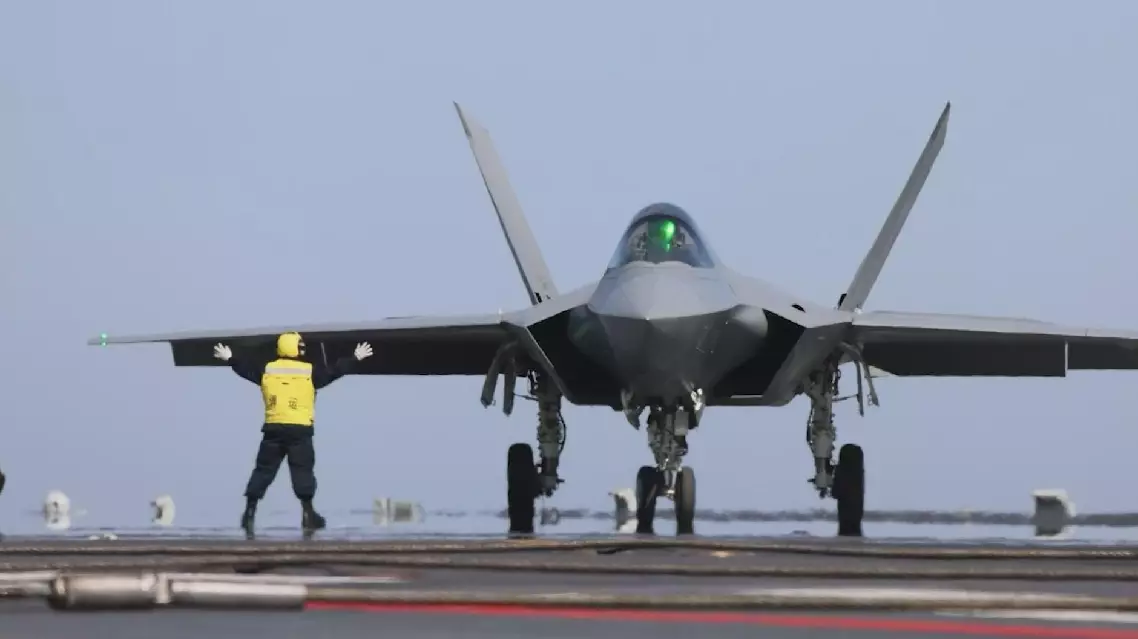
Three types of aircraft complete electromagnetic catapult-assisted takeoffs, landings on China's carrier Fujian
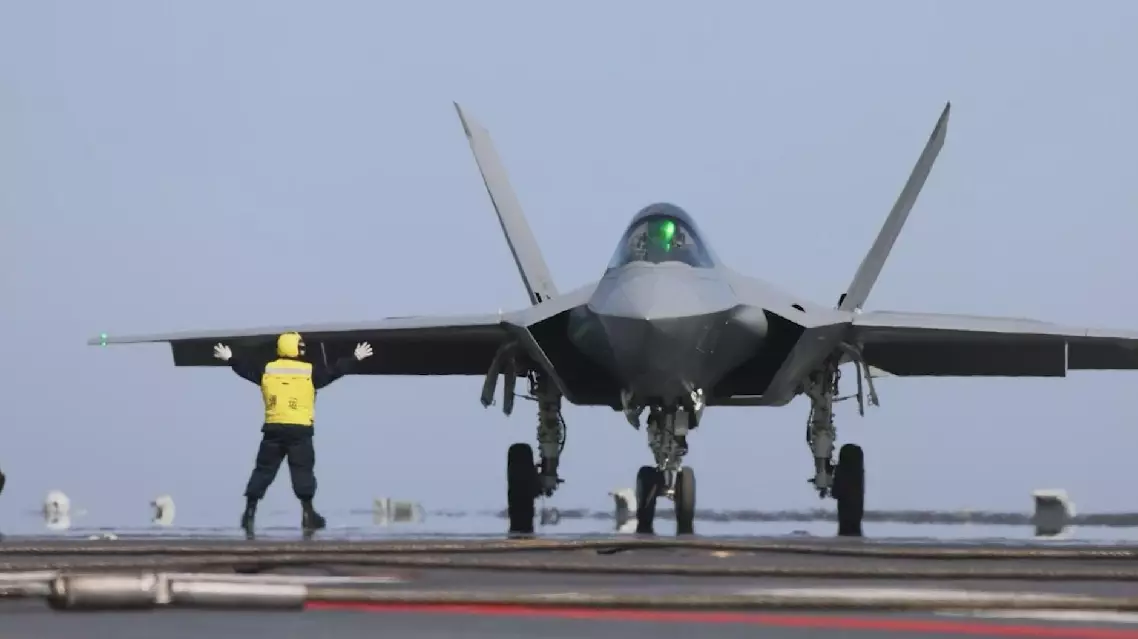
Japanese people held a rally in Shibuya, Tokyo, on Saturday to oppose Prime Minister Sanae Takaichi's erroneous remarks about China's Taiwan region and attempts to revive militarism.
At a Diet meeting in early November 2025, Takaichi claimed that the Chinese central authorities' "use of force on Taiwan" could constitute a "survival-threatening situation" for Japan and implied the possibility of armed intervention in the Taiwan Strait, which drew strong criticism worldwide.
At the rally, protesters chanted slogans of "Oppose remarks on advocating 'Taiwan emergency' and "Oppose remarks on possessing nuclear weapons."
"To lead Japan towards nuclear armament, [the Takaichi administration] came up with the so-called rhetoric on 'Taiwan emergency.' It is advancing the war under such context. They aim to move toward war step by step by destroying Japan's Constitution and abolishing the Three Non-Nuclear Principles. Therefore, we must strive to prevent war before it happens," said a protester.
At the year end of 2025, Takaichi approved a record 782 billion U.S. dollars budget for the next fiscal year, including the largest defense budget on record.
Earlier in December 2025, the Japanese parliament passed a 118 billion U.S. dollar supplementary budget to fund a new stimulus package, including over 10 billion U.S. dollars for security and diplomacy.
"I think every Japanese is clearly aware that Takaichi's government is a right-wing regime in nature. The Takaichi administration has walked on the path -- bringing defense-related spending to 2 percent of gross domestic product within fiscal 2025 by a supplementary budget. From the perspective of this thoroughly militarized system and approach, I feel a strong sense of crisis," said another protester.
For decades, Japan capped its annual defense budget at around 1 percent of GDP, roughly 5 trillion yen, reflecting its postwar pacifist stance under the war-renouncing Constitution. Since fiscal 2023, Japan's annual defense budget has successively exceeded 6 trillion yen, 7 trillion yen, 8 trillion yen, and 9 trillion yen.
Japanese protest against Takaichi's erroneous remarks on China's Taiwan