NEW YORK--(BUSINESS WIRE)--Sep 23, 2025--
Duel, the leading Brand Advocacy platform helping leading retail brands including Lush, ELEMIS, Victoria’s Secret and Abercrombie & Fitch grow through their own fan and creator communities instead of traditional advertising, has raised $16 million in a Series A round. The funding was co-led by Molten Ventures and Bright Pixel, alongside existing investor Peter Bauer, founder of Mimecast.
This press release features multimedia. View the full release here: https://www.businesswire.com/news/home/20250923705563/en/
Duel empowers brands to drive sustainable growth by activating their most powerful marketing asset: their existing brand fans. It enables brands to recruit, activate, and grow fully owned networks of creators - including professionals, amateurs and emerging talent - from their everyday customers who then generate authentic content, influence purchasing behaviour, and drive referrals across every social platform with personalised storefronts. The result is a measurable, always-on advocacy engine that turns real customers into a scalable growth channel.
The funding will fuel Duel’s growth across the US following its recent expansion to New York, expand its Enterprise AI-driven capabilities, and cement Brand Advocacy as the go-to philosophy for building today’s most successful retail brands.
Paul Archer, CEO and co-founder of Duel, explains: “In today's hyper connected world in which social media is now twice the size of all other media channels combined and entirely user-generated, the most successful brands are the ones investing in people and in community, not in ads.
“Because the truth is, a brand’s best marketers aren’t on their payroll - they’re the customers already out there sharing and recommending the products they love.
“We know from our own data that between a fifth and a third of a brand’s customers are already active creators, so at Duel, we help brands recruit, activate, and scale these authentic voices, turning everyday customers into powerful advocates who fuel measurable growth.”
At the core of Duel’s solution is its Advocate Relationship Management platform - the single system of record for every type of advocate, from customers and creators to ambassadors and employees. It enables brands to track, engage, and reward advocacy behaviours in one unified platform and to run programs at scale, managing tens of thousands of advocates with the same resources that once supported only a few hundred.
Nicola McClafferty, Partner at Molten Ventures, says: “Duel is rewriting the playbook for how brands grow in the modern world. Performance marketing has become expensive, impersonal, and often ineffective. Duel provides an alternative that is better aligned to how consumers discover and engage with brands, and can transform the way that brands are built and marketed. We’re thrilled to support Duel as they build a new category and reshape how modern brands grow.”
Miguel Bagulho, Investment Director at Bright Pixel Capital, the tech investment arm of Sonae Group, adds: “What we see within our retailers and brand partners today is clear: the old model of short-term, transactional campaigns is losing effectiveness. The brands driving the strongest growth are those building durable communities and creating long-term value through their customers. Duel is championing this shift, turning advocacy into a systematic, scalable strategy. We believe Brand Advocacy will become one of the defining growth drivers of the next decade, not just in retail but across every sector and Bright Pixel is proud to back Paul and the Duel team as they lead this transformation.”
Duel’s long-term vision extends beyond retail, aiming to make Brand Advocacy the standard philosophy for building companies across all industries, from B2B to music, hospitality, professional services, and entertainment.
Archer concludes: “Many companies still think they control their brand, when in reality it lives in the conversations happening every day among millions of customers on social media. The brands winning today are the ones that earn it - they loosen their grip, humanise themselves, and empower fans to carry the brand forward. Those that don’t do this won’t survive the decade.
“We give ambitious brands the system and expertise to turn that everyday advocacy into their most powerful growth channel - and with this investment, we’re only just getting started.”
This Series A funding round brings Duel’s total funding to over $21 million to date.
About Duel
Duel is the Brand Advocacy Platform built for the new era of marketing. Designed for retail brands, Duel enables businesses to scale customer acquisition through real advocates, creators, and communities, transforming brand love into measurable growth. Learn more at duel.tech.
About Molten Ventures
Molten Ventures is a leading venture capital firm in Europe, developing and investing in high growth technology companies. It invests across four sectors: Enterprise & SaaS; AI, Deeptech & Hardware; Consumer Technology; and Digital Health with highly experienced partners constantly looking for new opportunities in each. For more information, go to moltenventures.com
About Bright Pixel
Bright Pixel Capital is the technology investment arm of the multinational group Sonae. With special focus on cybersecurity, infrastructure software, retail technologies, business applications and emerging tech, it has a portfolio of more than 60 companies, from early to growth stages. Bright Pixel acts as a partner that brings specialized know-how, global footprint, and a wealth of experience in helping companies from early stage to IPO. For more information, visit brpx.com.
Notes to editors:
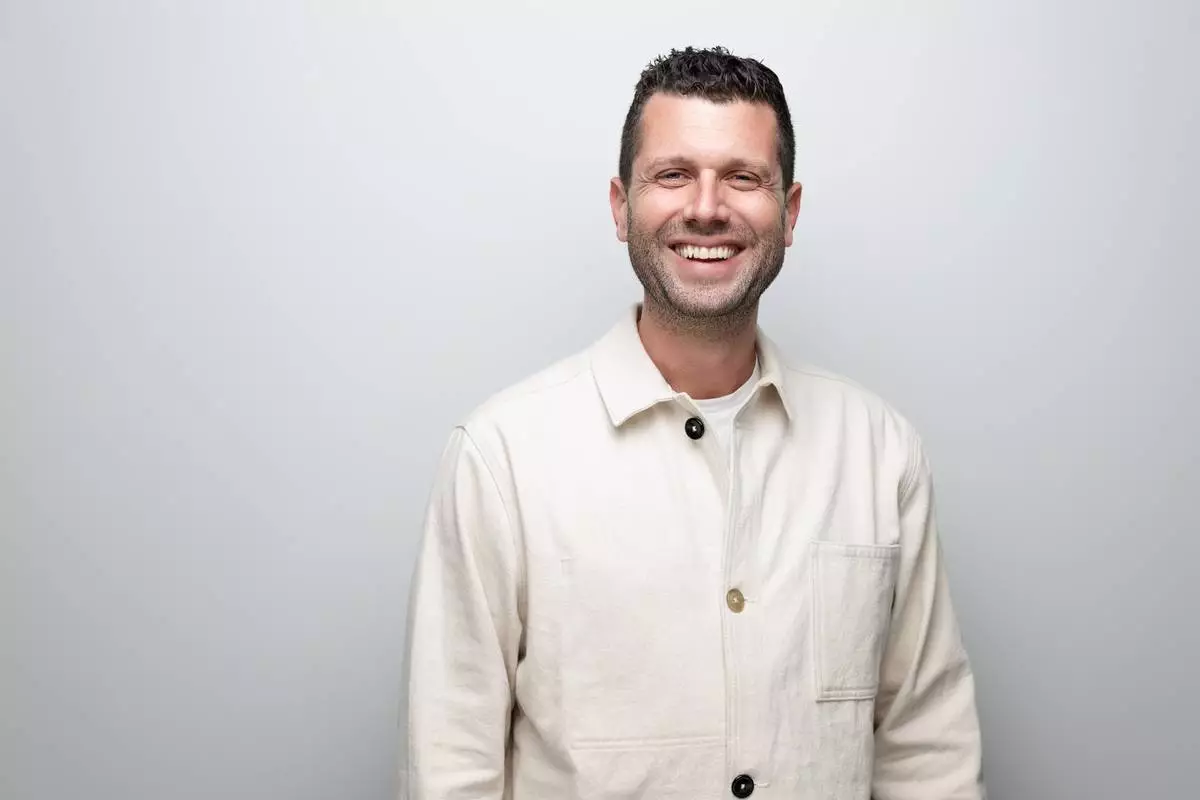
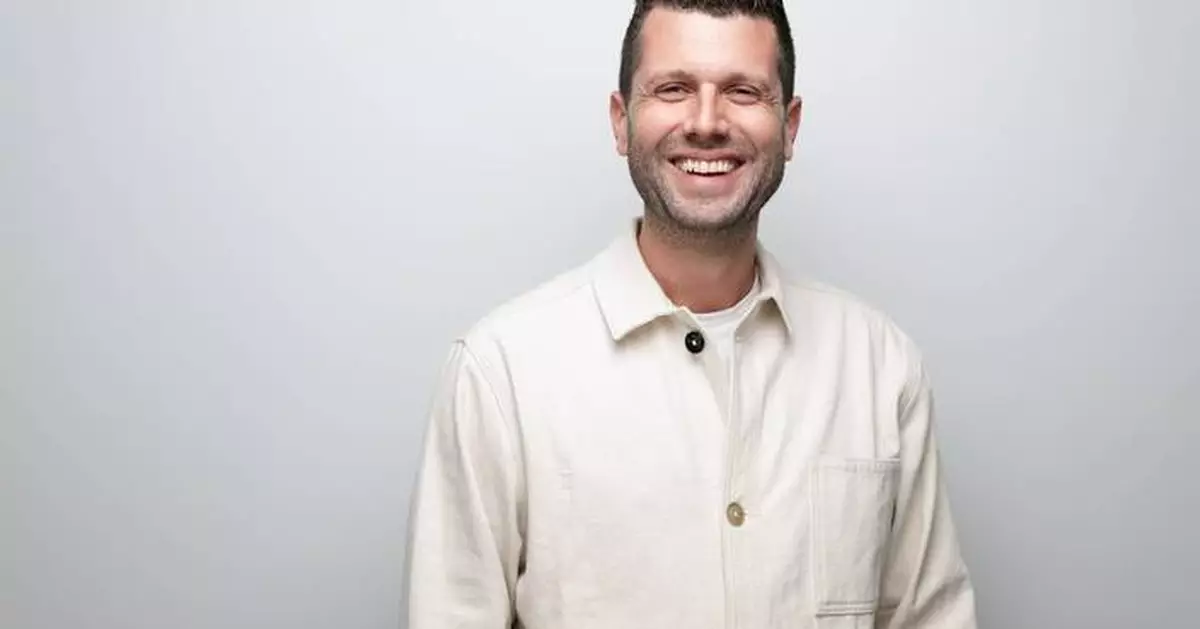
Paul Archer, CEO and co-founder of Duel
EVIAN-LES-BAINS, France (AP) — Right after his 80th birthday party celebrations, U.S. President Donald Trump is heading to a summit in France of the G7 club of powerful democracies to dive into issues — Iran, Ukraine, trade and more — that have been sources of friction with allies he will be meeting.
Hours before leaving Washington, Trump announced an agreement to end the war — a development that could change the dynamic for the G7 leaders during the talks from late Monday to Wednesday.
Just days ago, when the Iran-U.S. ceasefire was hanging by a thread, with resumed strikes, the gathering on the shores of Europe’s largest Alpine lake appeared headed for stormy waters.
Analysts speculated that tempers could flare and that Trump might not stick around for long in Evian-les-Bains, the Alpine spa town that's been enveloped in a security bubble for the G7 leaders and guests also invited by French President Emmanuel Macron, the host.
Aside from France and the U.S., the other G7 nations are Canada, Germany, Italy, Japan and the United Kingdom.
Here's what to know about their latest annual summit:
Shared values and interests, leaders' personal chemistry and the informality of G7 gatherings — the club first came together in 1975 to brainstorm fixes for the ailing global economy — have facilitated discussion at previous meetings.
“Many of the great G7 summit initiatives have come from leaders’ spontaneous combustion, created by them on the spot, based on free, unrestricted dialogue about the values, memories and even the sports, like baseball, that they share,” said John Kirton, a G7 specialist at the University of Toronto.
But Trump’s relationships with European allies have been fraught even before he launched the Iran war with Israel in February without consulting them. The Evian gathering is their first get-together since then.
Allies that Trump berated for refusing to join the war are likely to greet any Iran deal with relief if it reopens the Strait of Hormuz and enables Persian Gulf energy exports to flow freely again.
As host, Macron has packed the meatiest and potentially most contentious topics into the summit’s first 24 hours, including the Iran war and its impact on energy supplies and the Ukraine war that’s largely slipped down the White House's list of top priorities.
Tuesday's morning session on Ukraine will afford invited guest President Volodymyr Zelenskyy an opportunity to showcase progress that Ukrainian forces are making against the Russian invasion. If Zelenskyy is able to convince Trump that Russian President Vladimir Putin cannot achieve his aims in the war militarily, he might perhaps also be able to persuade him that Putin should be pushed to the negotiating table.
After his Oval Office thrashing by Trump and Vice President JD Vance last year, Zelenskyy now has "a significantly stronger hand,” said Maria Snegovaya, a Russia expert at the Center for Strategic and International Studies, a Washington, D.C., think tank.
The Trump administration “does tend to look more favorably at those states that have certain positions of power tilting in their favor,” she said.
A lunch meeting Tuesday on the Middle East could go any number of ways. The U.S.-Iran deal is expected to be signed on Friday, followed by technical talks on details over the next 60 days. Trump will be pressed for more information about the terms of the agreement.
If it reopens the Strait of Hormuz, France and Britain are expected to make the case that they could help rid the narrow waterway of any mines and escort tankers through it. They have been working on such plans with other nations but have been waiting for a stable ceasefire to launch the mission.
G7 leaders are also expected to talk about developing other energy supply routes out of the Gulf, including via Egypt. The Egyptian president, Abdel-Fattah el-Sissi, as well as Qatar’s ruling emir and the United Arab Emirates' president will join those talks. Trump is also meeting with each of those regional leaders privately during the summit.
China, not a G7 member, is expected to be a focus of economic talks on Wednesday. G7 nations are concerned that China is flooding export markets with subsidized products, unfairly out-competing their own industries and destroying jobs. China's economy dwarfs those of all G7 nations except the United States.
Discussions are also scheduled on artificial intelligence, including how to protect young people online, and how to economically aid developing countries.
Indian Prime Minister Narendra Modi and Brazil’s President Luiz Inácio Lula da Silva are attending some of the summit. So, too, are the leaders of South Korea and Kenya.
The G7 countries take turns hosting and organizing activities. France inherited the G7 presidency from Canada, last year’s summit host, and will pass it to the U.S. in 2027.
The club's first summit, in Rambouillet, France, in 1975, brought together the leaders of six nations — France, West Germany, Italy, Japan, the U.K. and the U.S. — for brainstorming on how to speed their recovery from the sharpest economic slump since World War II. Canada joined the following year, making the G7.
No G7 leader has ever skipped an annual summit, a perfect attendance record for more than 50 years, said Kirton, the University of Toronto specialist.
Membership has always been limited to democracies, enabling Russia to join as a fledgling democracy in 1998 but ruling out Communist Party-ruled China.
The club has broken off with Russia since 2014, when Putin seized Crimea from Ukraine, foreshadowing the full-scale war now raging since 2022.
Associated Press writers Jamey Keaten in Geneva and Sylvie Corbet in Paris contributed.
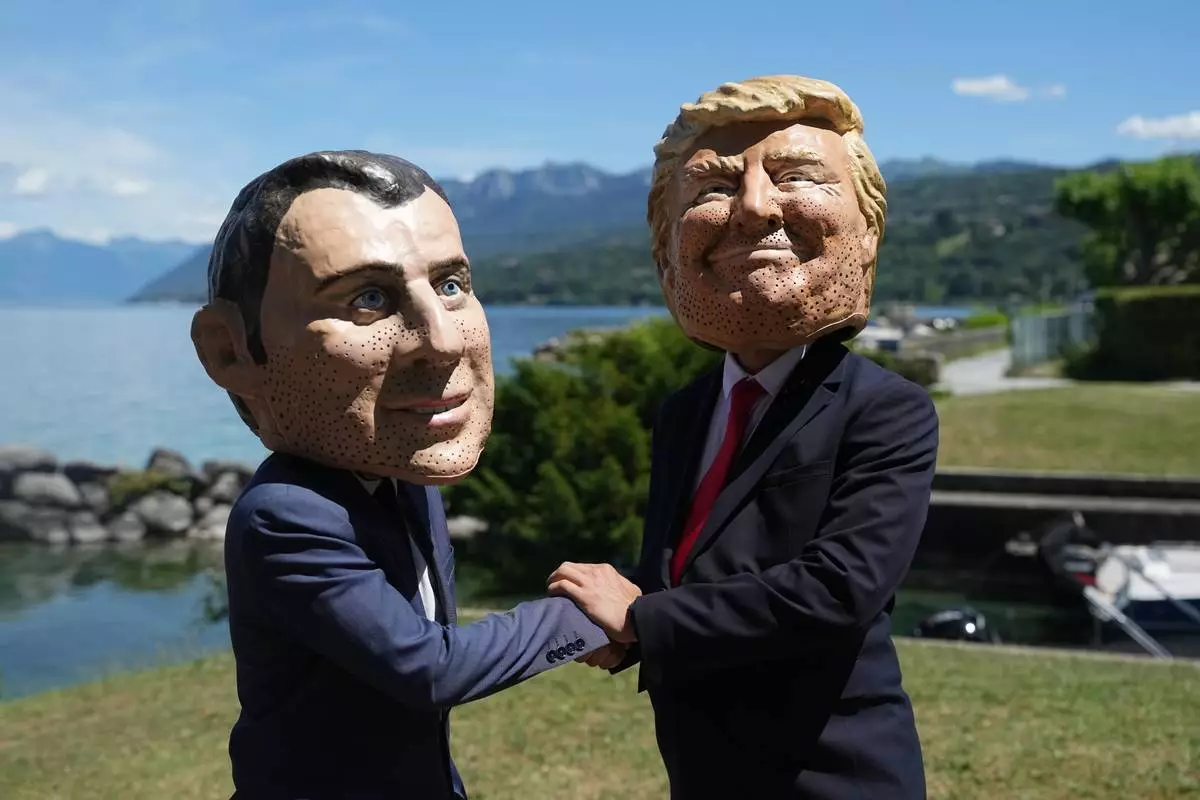
Oxfam's satirical 'big heads' of the G7 leaders depicting French President Emmanuel Macron, left, and U.S. President Donald Trump pose, in Evian-les-Bains, France, Sunday, June 14, 2026, ahead of the G7 summit scheduled to take place in France June 15-17. (AP Photo/Thibault Camus)
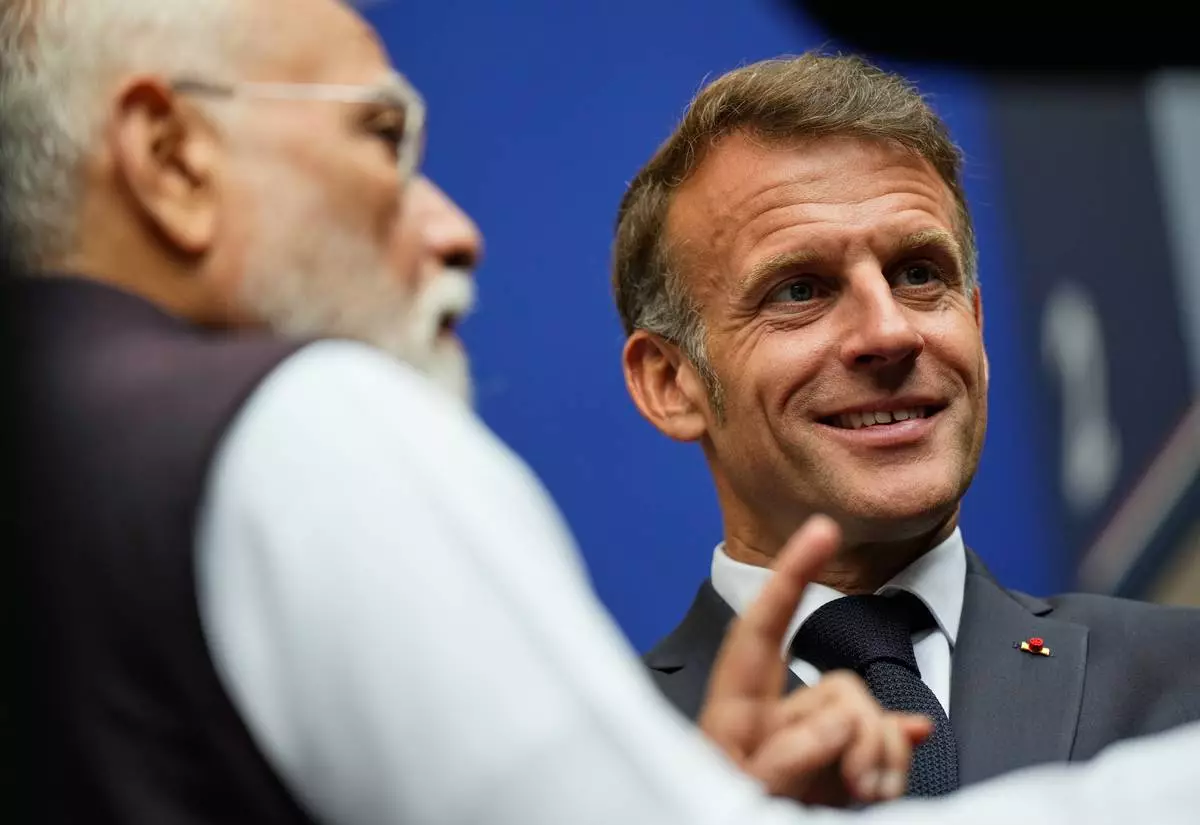
Indian Prime Minister Narendra Modi, left, and French President Emmanuel Macron attend an Indian education and ecosystem event in Nice, southern France, Sunday, June 14, 2026. (AP Photo/Lewis Joly, Pool)
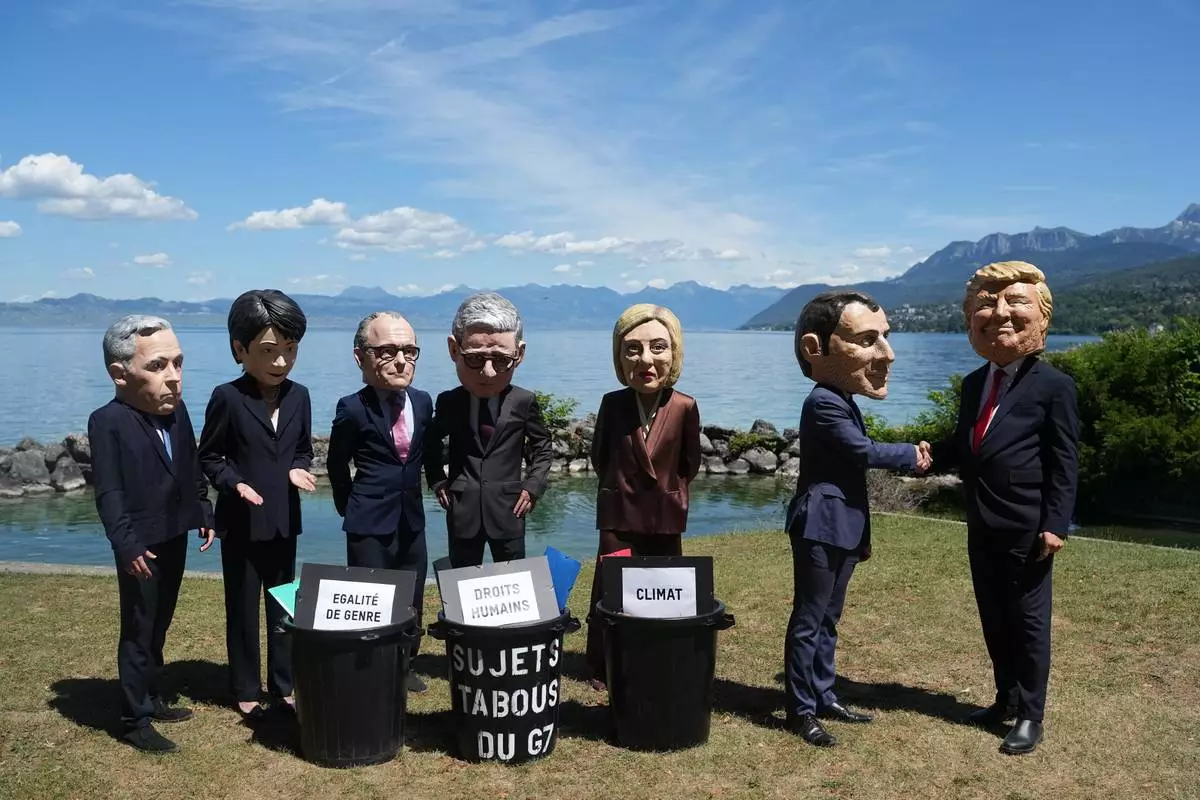
Oxfam's satirical 'big heads' of the G7 leaders pose, in Evian-les-Bains, France, Sunday, June 14, 2026, ahead of the G7 summit scheduled to take place in France June 15-17. (AP Photo/Thibault Camus)