VSB enhances regulatory measures for registered veterinary surgeons
The following is issued on behalf of the Veterinary Surgeons Board of Hong Kong:
The Veterinary Surgeons Board of Hong Kong (VSB) announced a series of measures to enhance the regulation of the veterinary practice of the registered veterinary surgeons (RVSs) and veterinary services in Hong Kong today (September 27).
The VSB has been closely monitoring public opinions in enhancing veterinary services. As the statutory body responsible for the regulation, registration, and disciplinary control of professional activities of RVSs, the VSB is committed to ensuring that veterinary services in Hong Kong are maintained at a high standard. After carefully gauging stakeholders' views, referencing practices from other regions, and balancing the needs of all parties, the VSB has introduced the following specific measures:
(1) Increasing the transparency of veterinary profession and enhancing the disciplinary inquiry arrangement
 Extending publication periods of disciplinary orders: The VSB has extended the periods of publication of disciplinary orders made after March 26, 2025. The publication period for orders involving removal of names from the register of RVSs has been extended from one year to three years; and that for other orders, from one year to two years (both with the RVSs' names published). As regards publication of orders in an anonymised manner for educational purposes, the period has been extended from three years to indefinitely;
Providing guidance for disciplinary inquiries: A set of Inquiry Committee Guidance Manual has been compiled for reference by inquiry committees when adjudicating disciplinary inquiries against RVSs;
Mandating display of veterinarians' full names at clinics and name identification in medical records: RVSs (including locum RVSs) must display their full names prominently at the entrances or within the waiting areas of the clinics at which they practise. Additionally, the treating RVSs should be identified by name in the medical records of all consultations and procedures; and
Enhancing the reporting requirements for practising addresses: RVSs (including locum RVSs) are required to report their current regular or most regular practising addresses, enabling public access to current addresses at which RVSs primarily practise.
Extending publication periods of disciplinary orders: The VSB has extended the periods of publication of disciplinary orders made after March 26, 2025. The publication period for orders involving removal of names from the register of RVSs has been extended from one year to three years; and that for other orders, from one year to two years (both with the RVSs' names published). As regards publication of orders in an anonymised manner for educational purposes, the period has been extended from three years to indefinitely;
Providing guidance for disciplinary inquiries: A set of Inquiry Committee Guidance Manual has been compiled for reference by inquiry committees when adjudicating disciplinary inquiries against RVSs;
Mandating display of veterinarians' full names at clinics and name identification in medical records: RVSs (including locum RVSs) must display their full names prominently at the entrances or within the waiting areas of the clinics at which they practise. Additionally, the treating RVSs should be identified by name in the medical records of all consultations and procedures; and
Enhancing the reporting requirements for practising addresses: RVSs (including locum RVSs) are required to report their current regular or most regular practising addresses, enabling public access to current addresses at which RVSs primarily practise.
(2) Strengthening the regulation of the profession and public education
Introducing requirements on the use of complementary/alternative treatments and substances: RVSs must ensure that the use of complementary or alternative treatments and substances is in the animals' best interest and would yield equal or better results than the sole use of the available conventional treatments or medications for the condition concerned;
Introducing requirements on governing the use of telemedicine in veterinary practice: No veterinary service shall be provided using remote means of communication, unless the veterinary surgeon has conducted a physical examination of the animal within the preceding six months that reasonably suffices to enable the veterinary service to be provided without a further physical examination of the animal;
Suggested items in seeking clients' consent: A suggested items checklist was published for reference of the veterinary profession in seeking clients' consent in treatment and care of animals; and
Enhancing publicity of the types of veterinary service: Enhancing public education and publicity to help animal owners distinguish between general and specialised veterinary practices, enabling them to make informed choices about the services they need.
(3) Increasing understanding of the current situation and need for regulating the veterinary nursing profession
Survey on the veterinary nursing profession in Hong Kong: The VSB has launched a survey on the veterinary nursing professionin August this year, aiming to gather demographic information from RVSs, veterinary nursing practitioners (such as veterinary nurses, veterinary assistants, and veterinary technicians), as well as clinic owners. Information collected includes the number of practitioners engaged in veterinary nursing, their qualifications, areas of work, and their perspectives on regulation of the veterinary nursing profession.Based on analysis of the survey findings and with reference to the situations of the profession in Hong Kong and abroad, the VSB will explore the feasibility of establishing a regulatory framework for veterinary nursing practitioners.
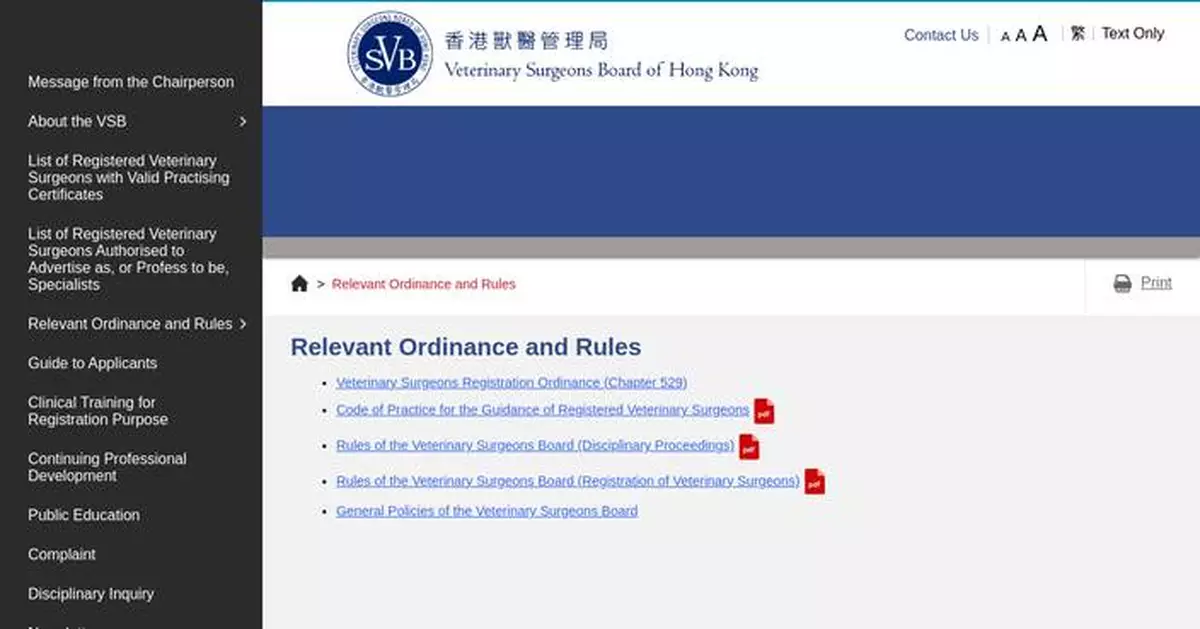
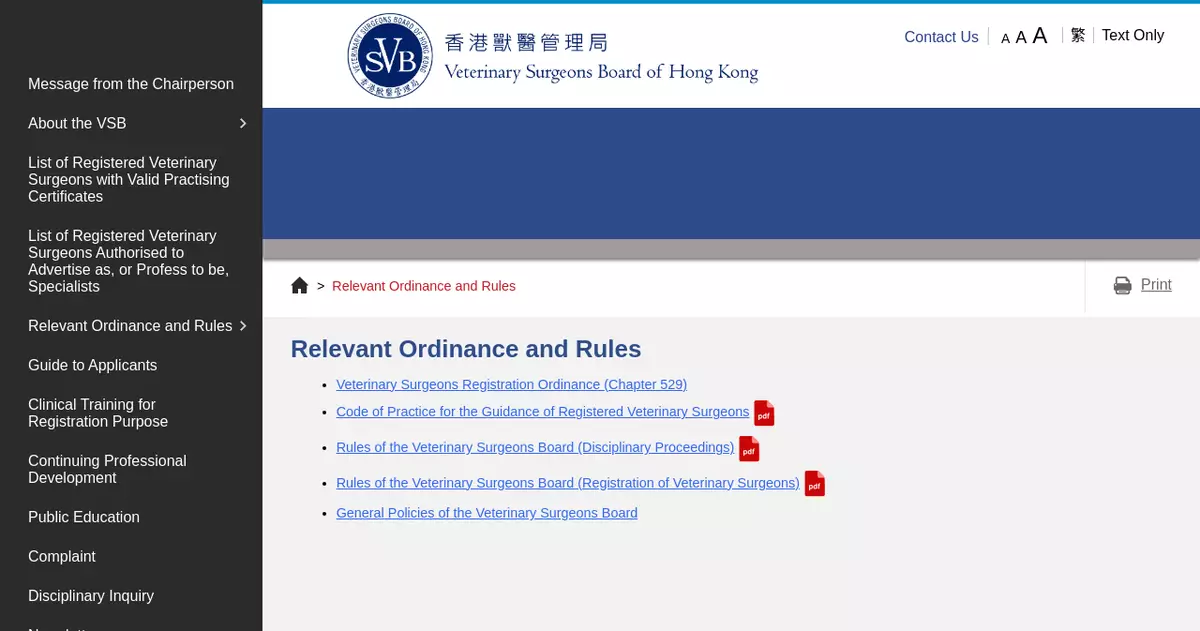
Part of the above measures involve amendments to the Code of Practice for the Guidance of Registered Veterinary Surgeons and the Rules of the Veterinary Surgeons Board (Registration of Veterinary Surgeons). The VSB notified RVSs of the amendments in late August this year. The amendments will take effect from September 29, 2025 and will be available on the VSB's website (www.vsbhk.org.hk/english/rules/relevant.html). RVSs should read through and acquaint themselves thoroughly with the amendments thereby avoiding the danger of inadvertently transgressing accepted codes of professional ethical behaviour which may lead to disciplinary actions.
The VSB will continue to listen to views from various sectors of the community; and safeguard the health and welfare of animals and interests of animal owners, through the development and improvement of professional standards and registration of veterinary surgeons.
Source: AI-found images
Hong Kong Customs detects two dangerous drugs cases and seizes suspected drugs worth about $7.95 million
Hong Kong Customs detected two dangerous drugs cases in Tseung Kwan O and Hong Kong International Airport respectively yesterday (May 21) and today (May 22), and seized a total of about 21.8 kilograms of assorted drugs with a total estimated market value of about $7.95 million. Two men and one woman, aged between 38 and 49, were arrested.
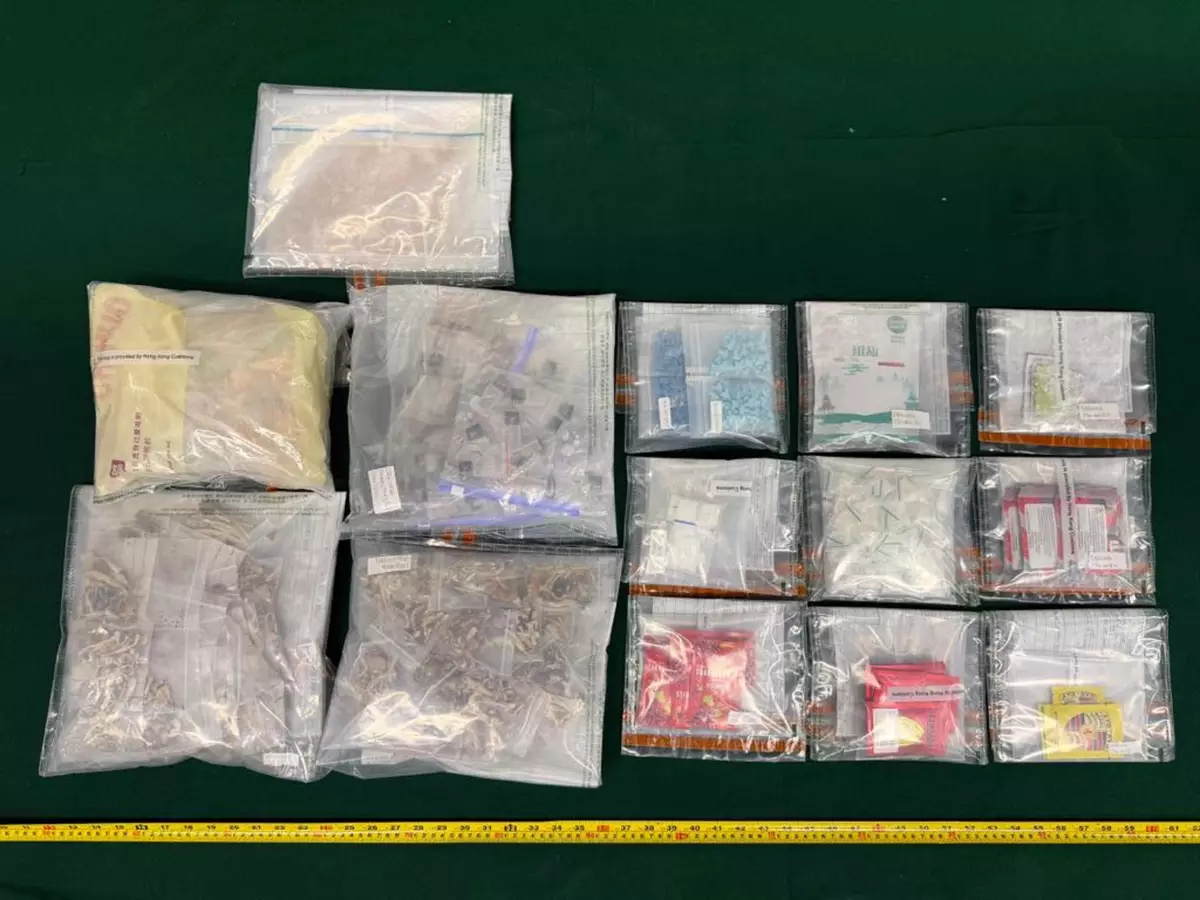
In the first case, Customs officers intercepted a 48-year-old man and a 49-year-old woman in Tseung Kwan O during an anti-narcotics operation yesterday afternoon. About 3.8kg of suspected drugs, including ketamine, methamphetamine, etomidate capsules, psilocybin mushrooms, MDMA and a batch of suspected drug packaging paraphernalia were found in their residence in the same district. They were then arrested.
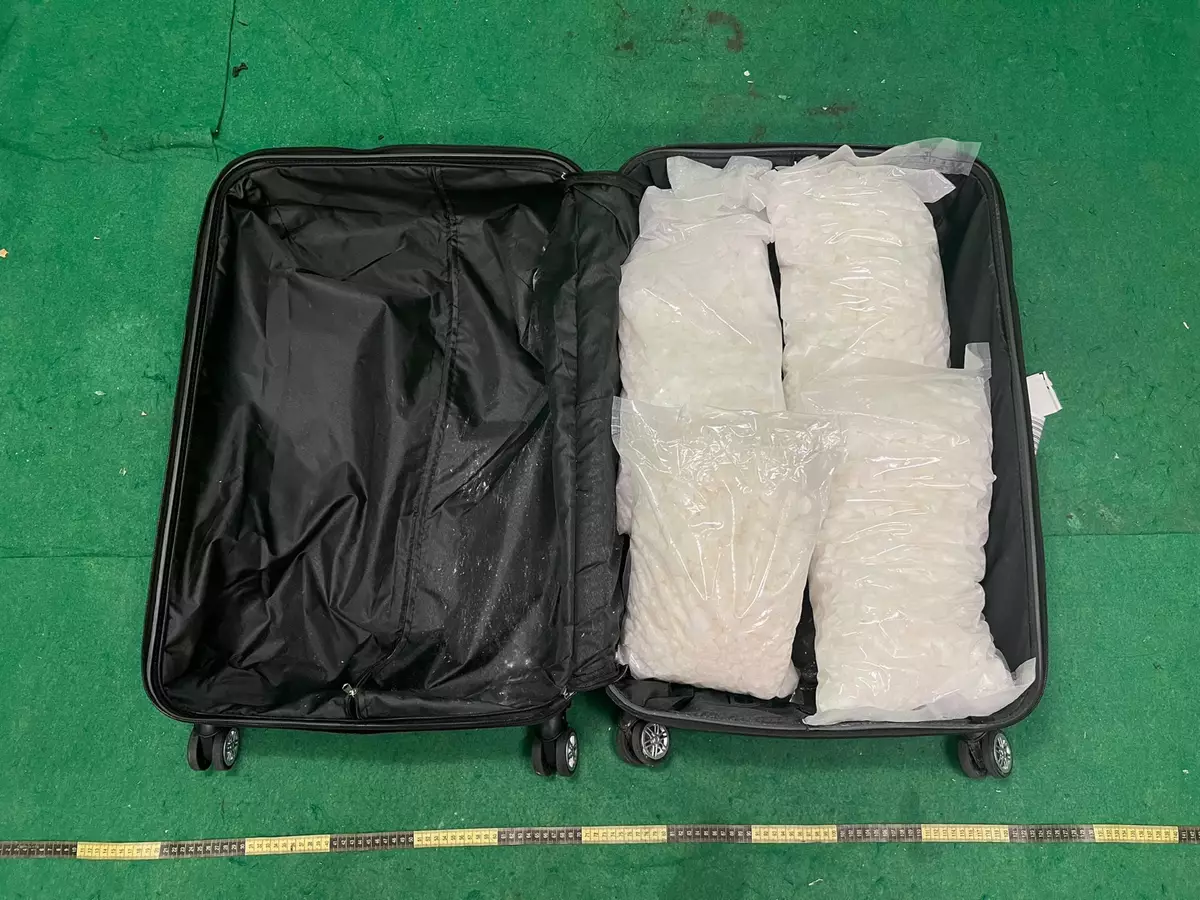
In the second case, a 38-year-old male passenger arrived in Hong Kong from Amsterdam, the Netherlands, today. During customs clearance, Customs officers found about 18kg of suspected ketamine inside his check-in suitcase and 33 sticks of duty-not-paid cigarette inside his carry-on baggage. The man was subsequently arrested.
The arrested man and woman in the first case have been jointly charged with one count of trafficking in a dangerous drug and one count of possession of apparatus fit and intended for the inhalation of a dangerous drug. The case will be brought up at the Kwun Tong Magistrates' Courts tomorrow (May 23), while an investigation is ongoing for the second case.
Customs will continue to step up enforcement against drug trafficking activities through intelligence analysis. The department also reminds members of the public to stay alert and not participate in drug trafficking activities for monetary return. They must not accept hiring or delegation from another party to carry controlled items into and out of Hong Kong. They are also reminded not to carry unknown items for other people.
Customs will continue to apply a risk assessment approach and focus on selecting passengers from high-risk regions for clearance to combat transnational drug trafficking activities.
Under the Dangerous Drugs Ordinance, trafficking in a dangerous drug is a serious offence. The maximum penalty upon conviction is a fine of $5 million and life imprisonment.
Under the Dutiable Commodities Ordinance, cigarettes are dutiable goods to which the DCO applies. Any person who imports, deals with, possesses, sells or buys illicit cigarettes commits an offence. The maximum penalty upon conviction is a fine of $2 million and imprisonment for seven years.
Members of the public may report any suspected drug trafficking activities to Customs' 24-hour hotline 182 8080 or its dedicated crime-reporting email account (crimereport@customs.gov.hk) or online form (eform.cefs.gov.hk/form/ced002).
Hong Kong Customs detects two dangerous drugs cases and seizes suspected drugs worth about $7.95 million Source: HKSAR Government Press Releases
Hong Kong Customs detects two dangerous drugs cases and seizes suspected drugs worth about $7.95 million Source: HKSAR Government Press Releases