Ensuring proper implementation of diesel subsidy through "pay later" arrangement
The spokesperson for the Environment and Ecology Bureau said today (May 22) that to ensure the proper implementation of the diesel subsidy, the Government has been enforcing the "pay later" arrangement for reimbursing the price difference to oil companies in order to ensure the proper use of public funds.
The Government has, since April 30, been implementing the Diesel Subsidy Scheme, which runs for a period of two months, with a view to supportingpublic and commercial vehicles and vessels and related industries that use diesel as fuel. Under the Subsidy Scheme, users who consume diesel locally may receive a subsidy of HK$3 per litre of diesel when they purchase diesel to reduce the selling price by HK$3 per litre accordingly.
Recently, there have been views suggesting that the increase in diesel prices is due to oil companies and distributors profiteering from the subsidy scheme by increasing prices in advance since the announcement of the Subsidy Scheme on April 10. There are also claims that the pump price of diesel had already increased by almost HK$3 per litre within the intervening 20 days. The spokesperson emphasised that these claims do not correspond with the facts, and it is necessary for the Government to make clarifications to set the record straight.
Firstly, the prices of fossil fuels have been rising around the world, as affected by the situation in the Middle East, and the price rises are by no means unique to Hong Kong. It is necessary to consider the broader picture and the situation in other regions instead of inferring that oil companies might increase their prices in advance to profiteer merely based on the fact that fuel prices are on the rise. If compared with the position before the conflict in the Middle East, the international refined oil product price (including Means of Platts Singapore) for diesel had increased by around HK$10 per litre at most, whilst the maximum increase of the local diesel pump price was HK$7.5. From mid-April to now, the international refined oil product price has increased by around HK$0.5 (+6.67%). Over the same period, the maximum retail price of diesel in the Chinese Mainland had increased twice by a total of around HK$0.4 (+4.0%), while the local diesel pump prices had increased by HK$0.6 (+1.66%). Furthermore, some oil companies have reduced their diesel retail pump prices as of today, but it is expected that the diesel price may fluctuate as affected by the conflict in the Middle East.
Secondly, it is the Government’s responsibility to ensure the proper use of public funds. In designing the Subsidy Scheme, the Government has introduced multiple layers of safeguards to ensure that users will benefit from the subsidy. Among the safeguards, the Subsidy Scheme has introduced a “pay later” arrangement, where oil companies and distributors must first sell subsidised diesel to consumers at a price reduced by HK$3 per litre, and specify the subsidy amount and the selling price on the receipts issued to their customers. Oil companies and distributors must then submit a report to the Government one week later to apply for reimbursement of the amounts they have advanced. The Government will then verify the reports, sales records and invoices submitted by the oil companies and distributors, and will only reimburse the price difference if the information provided is confirmed to be accurate. Should there be issues arising, the Government reserves the right to refuse to reimburse the price difference, and to refer the case to law enforcement agencies for follow-up. Therefore, should oil companies attempt to profiteer, they will not be reimbursed the price difference they have advanced. The operation of the Subsidy Scheme has been largely normal and smooth since its implementation. The Government is receiving weekly reports from the oil companies and distributors, and is conducting the necessary checks.
Thirdly, upon the completion of the Subsidy Scheme, oil companies and distributors will need to submit to the Government an audited audit report, which will require them to state the comparison of the change in the average retail price after deducting all discounts (excluding the HK$3 per litre subsidy) with the corresponding import prices before and during the subsidy period. Should there be changes in this ratio, these may suggest profiteering which can be easily detected by auditors. The Government may then use the audit report to take the necessary follow-up action with the oil companies and distributors.
The Government will spare no effort to implement the above arrangements by gatekeeping to ensure that the Subsidy Scheme will benefit users who are affected by surging diesel prices.
Source: AI-found images
GBA joint emergency response and rescue exercise "Liancheng-2026" successfully concludes in Macao
The Fire and Rescue Corps of Guangdong Province, the Hong Kong Fire Services Department (HKFSD) and the Macao Fire Services Bureau held a 48-hour Guangdong-Hong Kong-Macao Greater Bay Area (GBA) joint emergency response and rescue exercise, "Liancheng-2026", in Macao from May 20 to today (May 22). The exercise further optimised the collaborative capabilities of the fire departments of the three places in joint command, cross-border rescue and co-ordinated response under the GBA Emergency Response and Rescue Operational Plan.
The Deputy Director (Operations) of the HKFSD, Mr Derek Armstrong Chan, who acted as the commander of the Hong Kong cross-border rescue team in the exercise, was responsible for the command and deployment of rescue team personnel and resources to assist Macao in the emergency response and rescue work in multiple simulated incidents.
Mr Chan said, "The exercise effectively strengthened the overall abilities of the three places to handle complex disasters, showcasing the continuous improvement of their professional rescue teams in technical standard, application of equipment, and command and dispatch. The three places will comprehensively deepen co-operation in emergency response and rescue, and continue to enhance firefighting and rescue capabilities under extreme conditions, including those in skyscrapers, through a knowledge exchange and resource sharing mechanism."
The exercise simulated Macao experiencing extreme weather conditions, including a super typhoon and torrential rain, resulting in severe incidents such as fires, landslides, building collapses, serious flooding and multiple traffic accidents in various districts. The Macao Special Administrative Region Government requested assistance from the People's Government of Guangdong Province and the Hong Kong Special Administrative Region Government according to the mechanism under the Operational Plan.
The Fire and Rescue Corps of Guangdong Province promptly deployed 70 members, 12 fire appliances and over 900 items of rescue equipment, while the HKFSD deployed 40 members, 10 fire appliances and over 600 items of rescue equipment to render assistance to Macao. The two teams respectively entered Macao through the Gongbei Port and the port of the Hong Kong-Zhuhai-Macao Bridge through the dedicated cross-boundary Green Channel to participate in the exercise.
Funded by the Hong Kong Jockey Club Charities Trust, the HKFSD participated in "Liancheng-2026", which was hosted and co-ordinated by the Macao Fire Services Bureau. A locally led joint emergency response command mechanism was established based on the territoriality principle and tasks were assigned at the incident scenes.The exercise was mainly conducted at the former Taipa Racecourse and a construction site on Avenida Wai Long, with the Macao Fire Services Bureau leading the joint emergency response command mechanism to co-ordinate the deployment of personnel and resources. The three rescue teams jointly participated in operations such as high-angle rescue, chemical decontamination, traffic accidents, building collapses and flooding. The Macao Fire Services Bureau also demonstrated its standard procedures, including those for firefighting and rescue and emergency evacuation in high-rise buildings, to Guangdong and Hong Kong participants.
In addition, the fire departments from the three places held a symposium on firefighting and rescue in high-rise buildings in the GBA. Through experience and case sharing, they discussed co-ordination among the three places in areas including incident command, equipment standard, radio communications, and firefighting and rescue procedures.
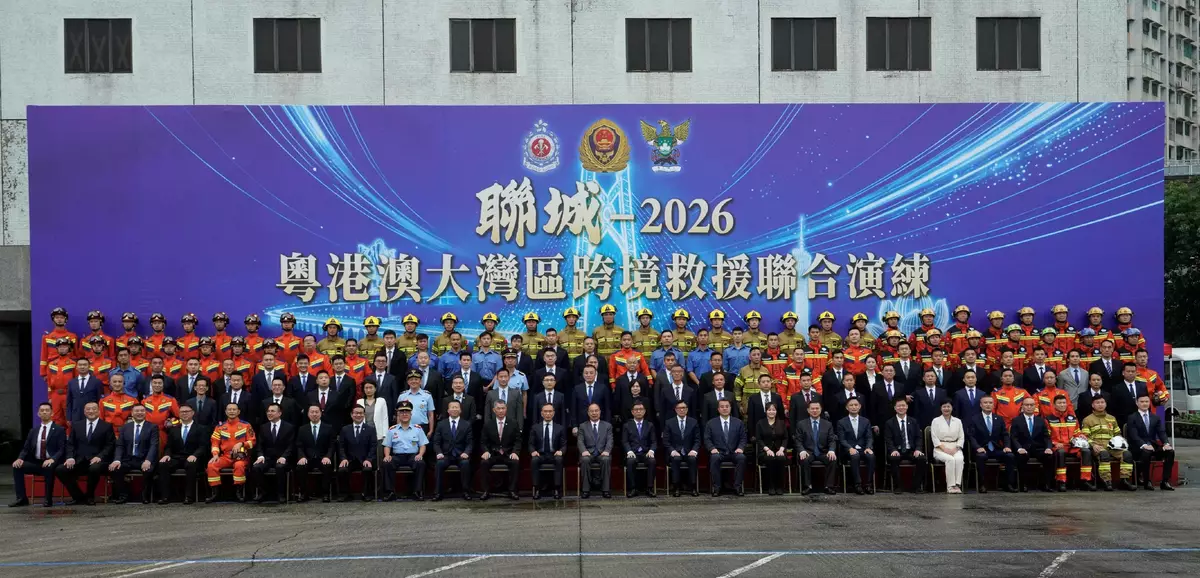
GBA joint emergency response and rescue exercise "Liancheng-2026" successfully concludes in Macao Source: HKSAR Government Press Releases
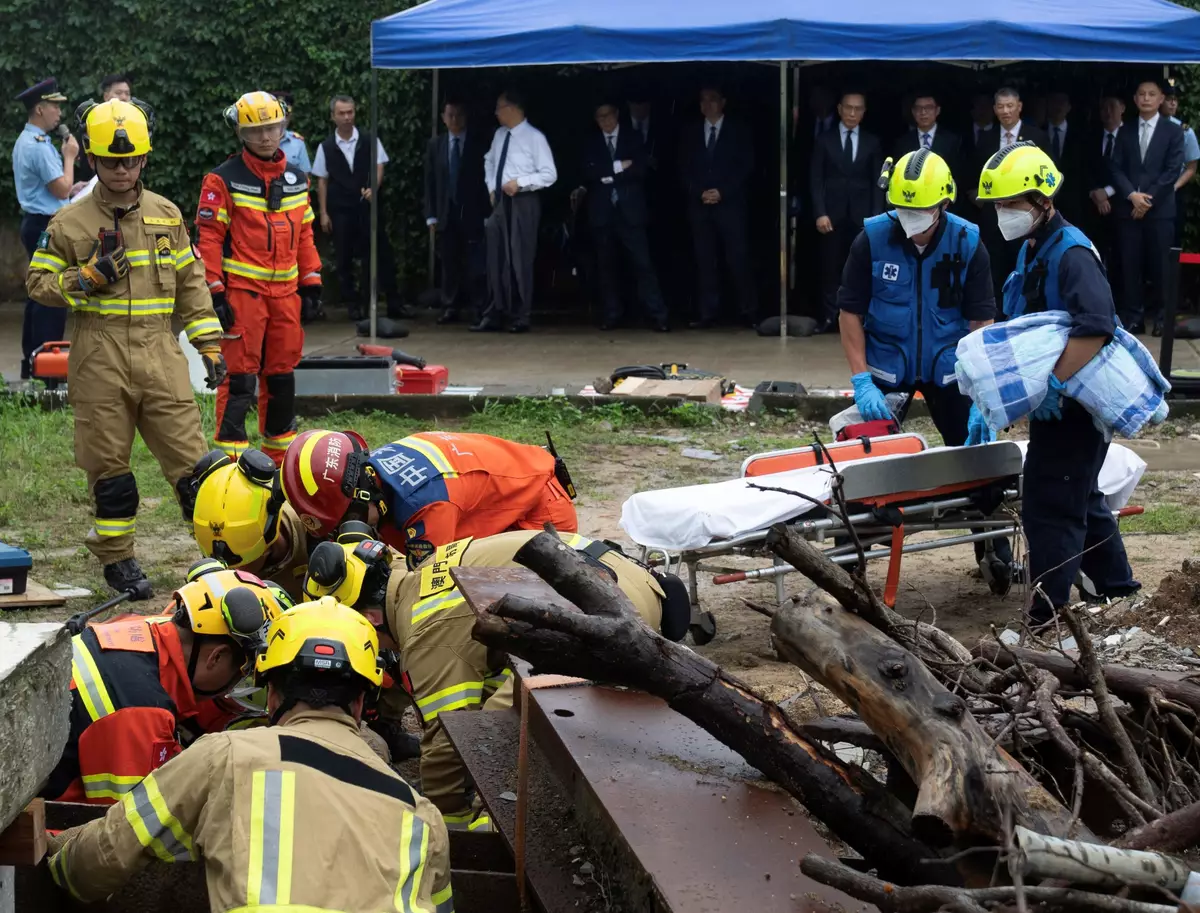
GBA joint emergency response and rescue exercise "Liancheng-2026" successfully concludes in Macao Source: HKSAR Government Press Releases
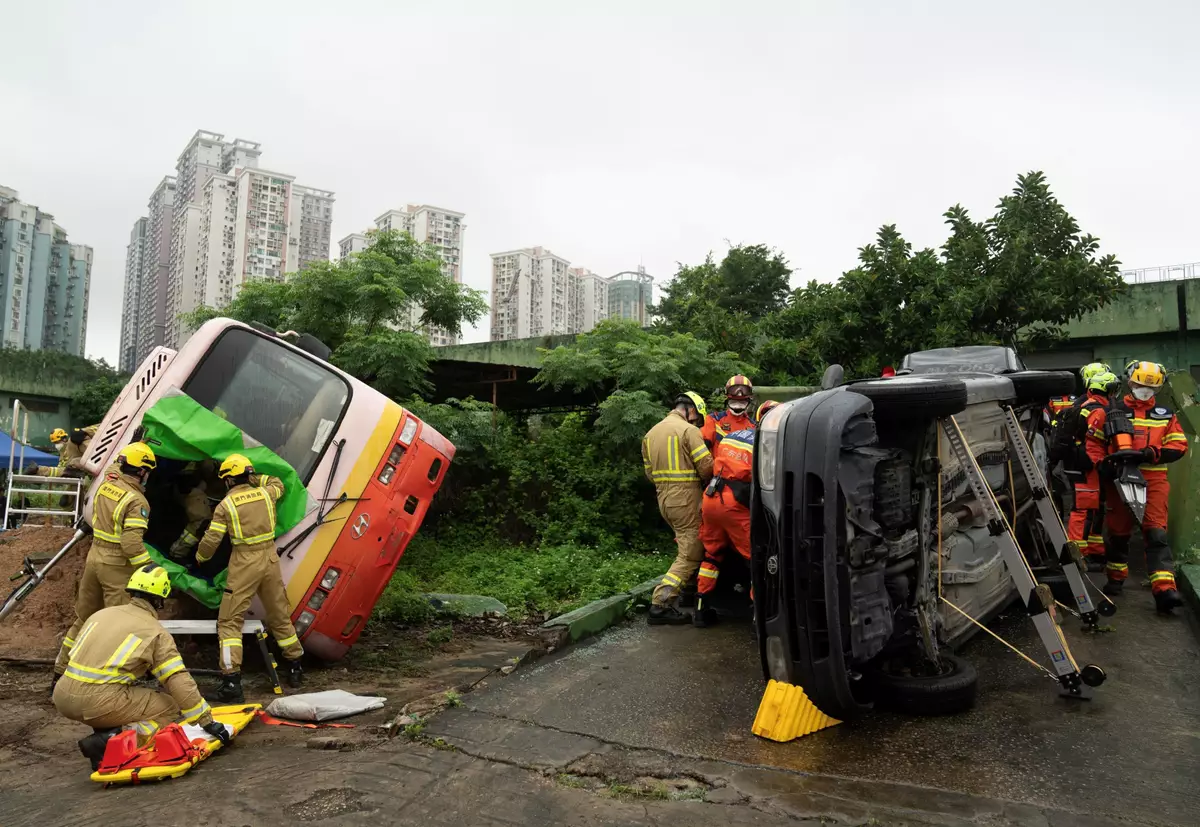
GBA joint emergency response and rescue exercise "Liancheng-2026" successfully concludes in Macao Source: HKSAR Government Press Releases
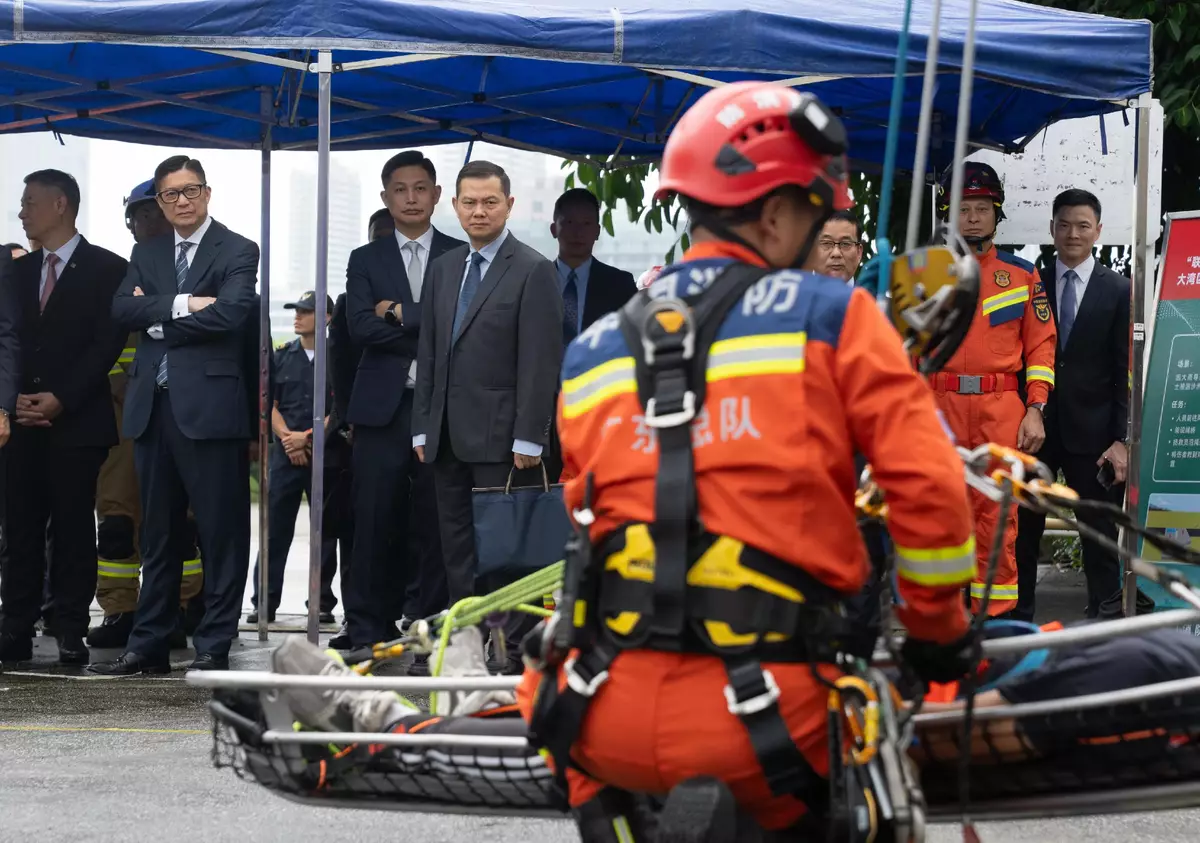
GBA joint emergency response and rescue exercise "Liancheng-2026" successfully concludes in Macao Source: HKSAR Government Press Releases
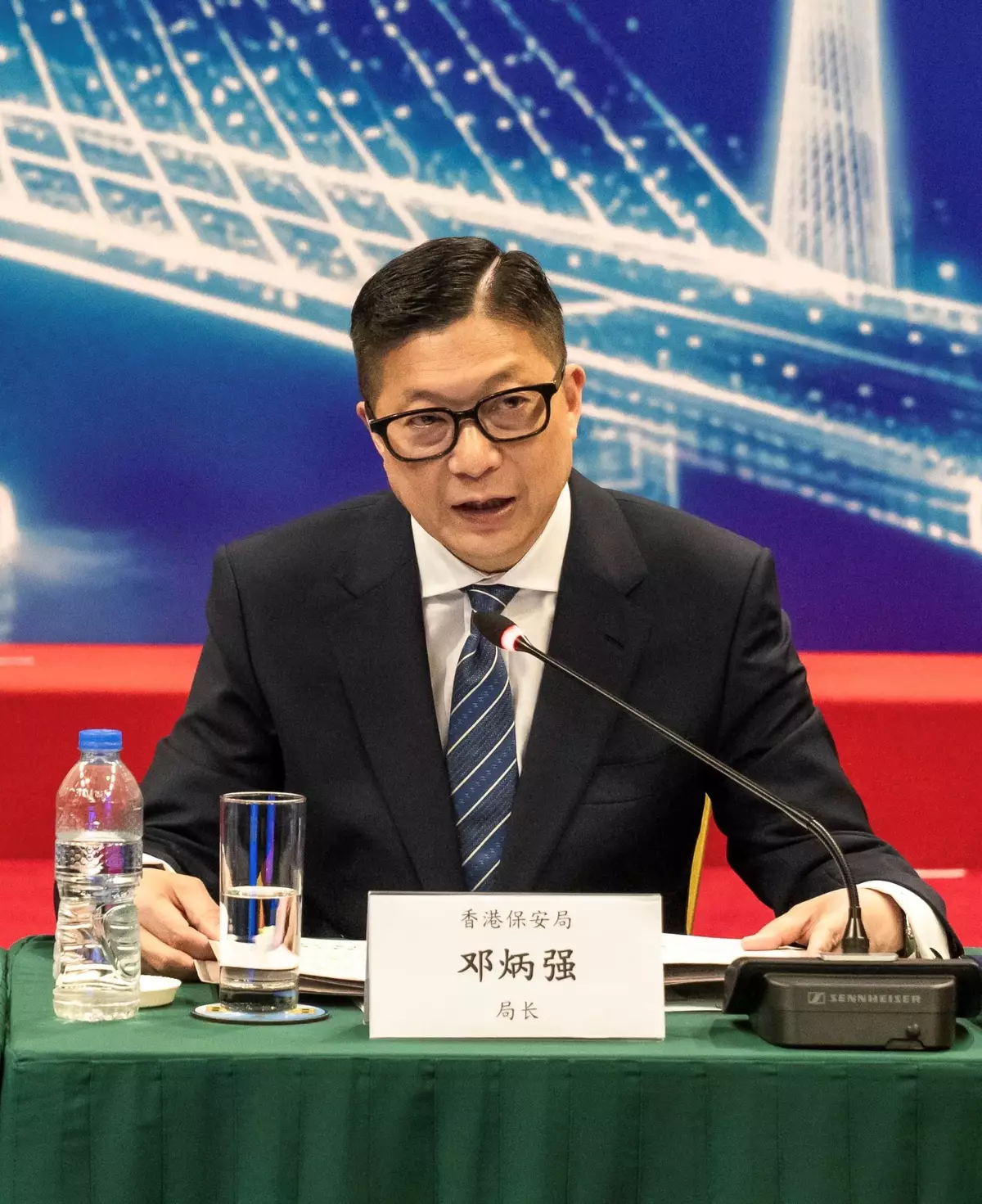
GBA joint emergency response and rescue exercise "Liancheng-2026" successfully concludes in Macao Source: HKSAR Government Press Releases
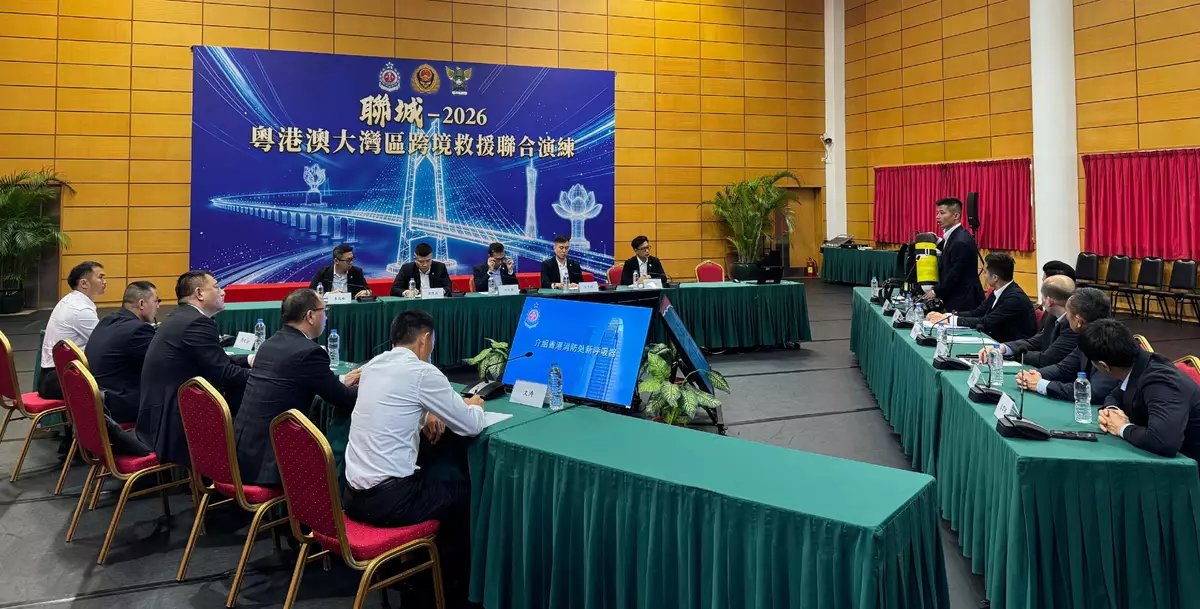
GBA joint emergency response and rescue exercise "Liancheng-2026" successfully concludes in Macao Source: HKSAR Government Press Releases
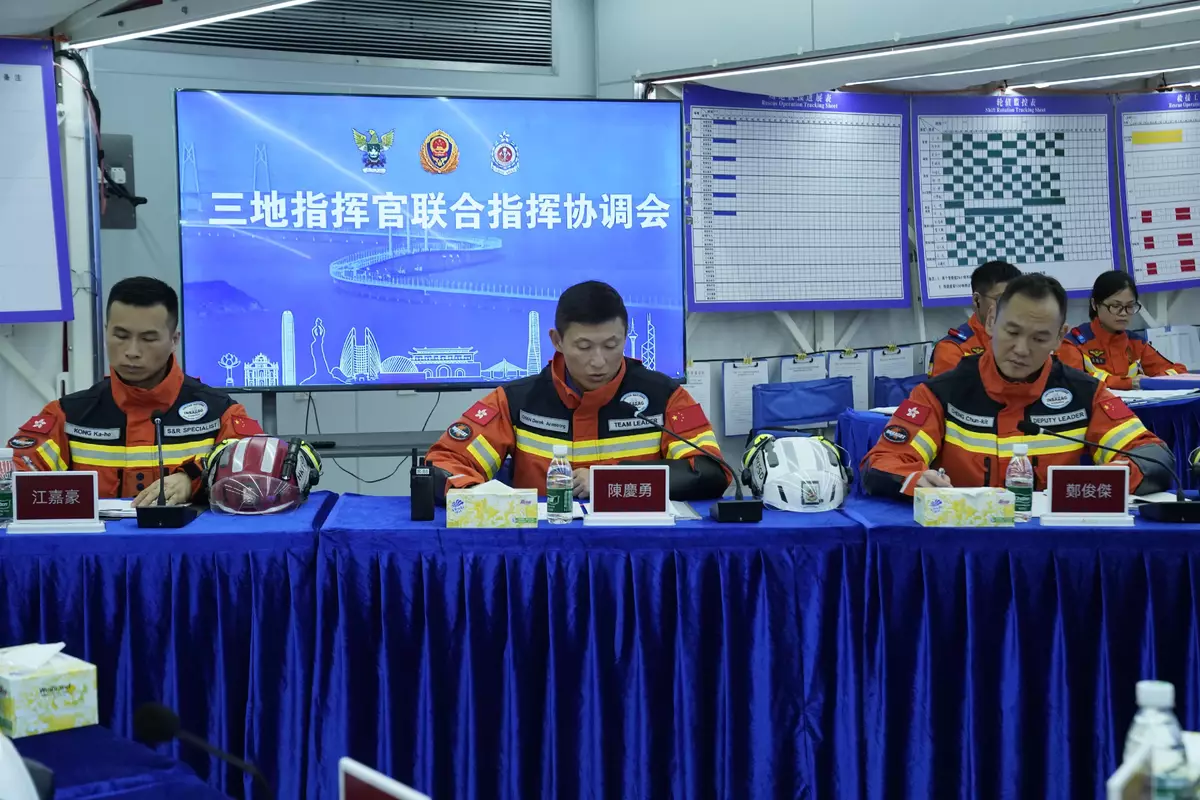
GBA joint emergency response and rescue exercise "Liancheng-2026" successfully concludes in Macao Source: HKSAR Government Press Releases
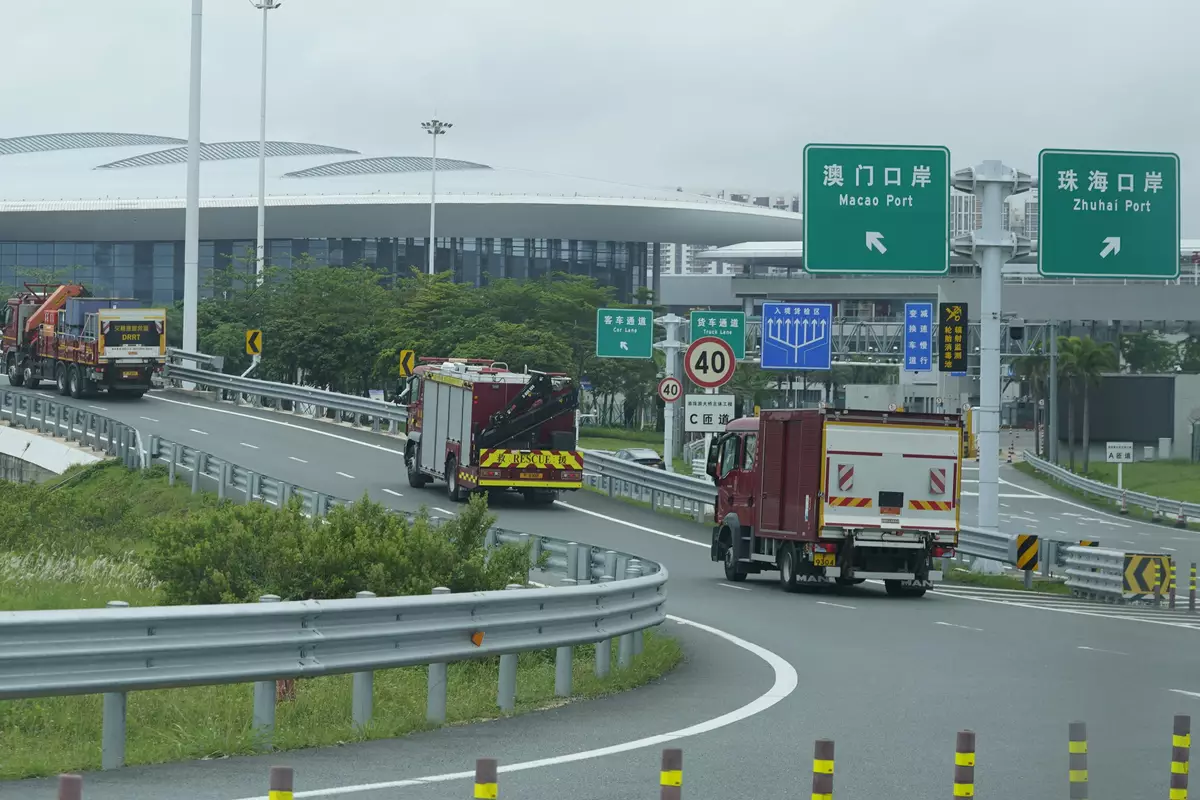
GBA joint emergency response and rescue exercise "Liancheng-2026" successfully concludes in Macao Source: HKSAR Government Press Releases
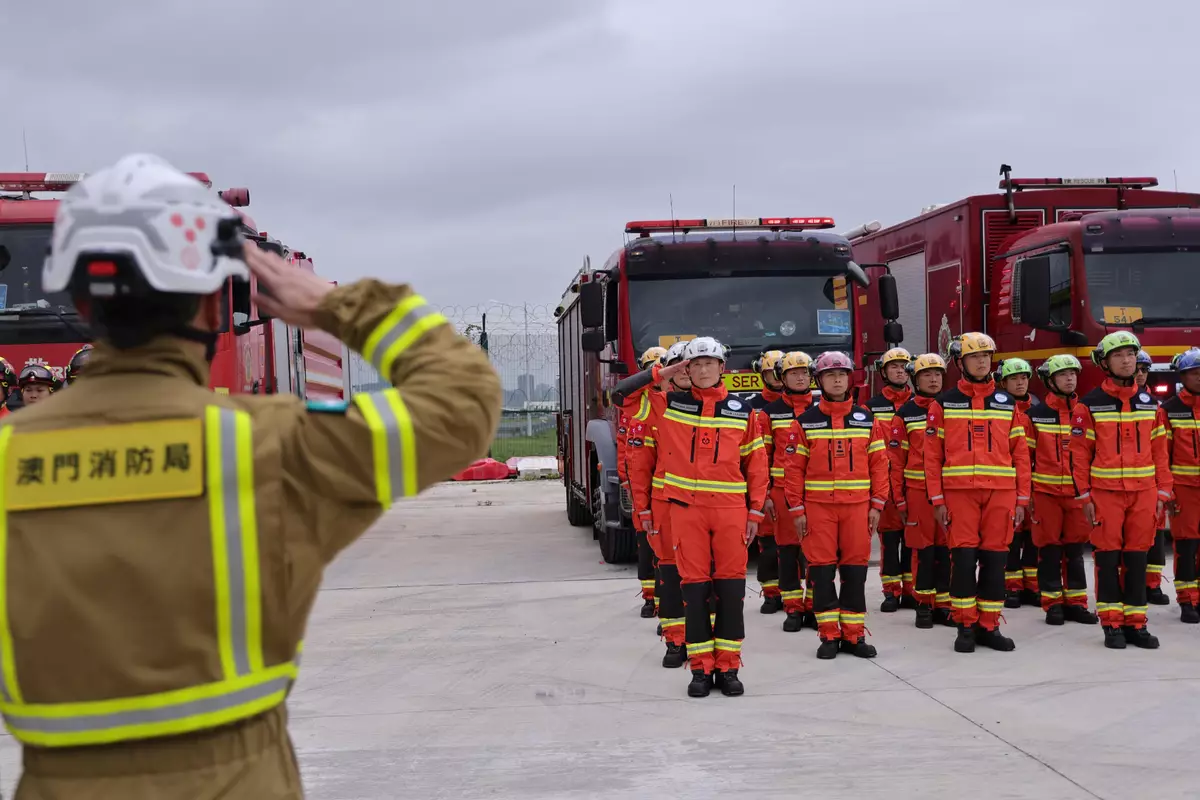
GBA joint emergency response and rescue exercise "Liancheng-2026" successfully concludes in Macao Source: HKSAR Government Press Releases