A special exhibition will be open to the public on Tuesday at the Palace Museum in Beijing to mark the 100th anniversary of its founding.
The exhibition features 200 pieces of cultural relics, divided into three units, to elaborate the transformation from the old imperial palace to the Palace Museum and the cultural inheritance. Among the exhibited are world-renowned cultural relics such as "Five Oxen," "Along the River During the Qingming Festival," and the Lotus and Crane Rectangular Hu.
"The Lotus and Crane Rectangular Hu behind me has attracted much attention. It is a cultural relic unearthed in 1923 and entered the Palace Museum in the 1950s. It is also a very important case in the restoration of bronze artifacts," said Xu Wanling, a research curator at the Palace Museum.
Over the recent years, the Palace Museum has been leveraging digital technology to better protect its old buildings and cultural relics, and provide better services for visitors. This special exhibition also features a digital display space, bringing visitors closer to the exhibits through an immersive experience.
"We display six colors according to the heart rate and temperature, and the possible emotions of the visitors. Using naked-eye 3D technology, we not only display the form of the cultural relics, but also explain their craftsmanship and patterns. This project not only allows people to see and photograph the relics well, but also provides a deeper understanding," said Zhang Yuchen, an engineer from the digital and information division of the Palace Museum.
The Palace Museum, also known as the Forbidden City, is a treasure house of Chinese culture. As a cultural landmark with a history of more than 600 years and a collection of 1.95 million pieces of cultural relics, it is one of the most visited museums in the world and tops the must-see tourist destinations in China. It receives more than 10 million Chinese and foreign tourist visits annually.
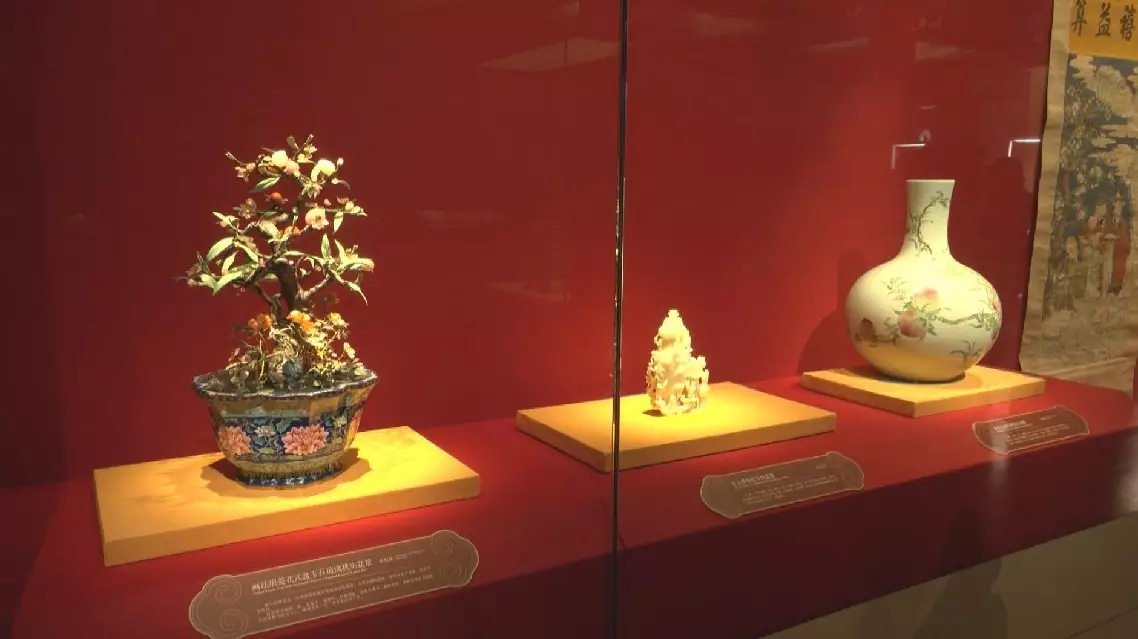
Palace Museum to hold special exhibition to mark its100th founding anniversary