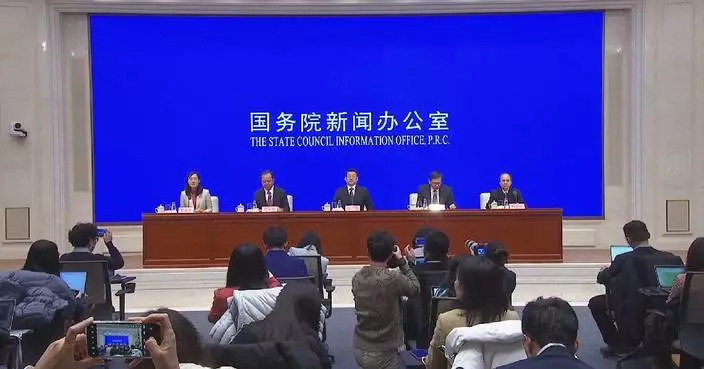
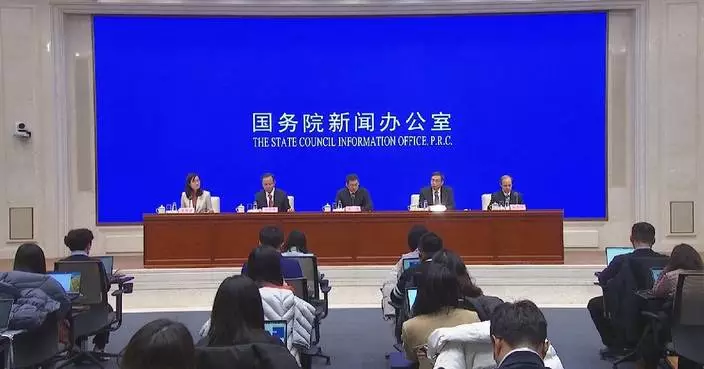
China will roll out new policy-based financial tools to the tune of 500 billion yuan (about 70.3 billion U.S. dollars) as part of the country's effort to boost financial services and effective investment, a spokesperson for the National Development and Reform Commission (NDRC) said on Monday.
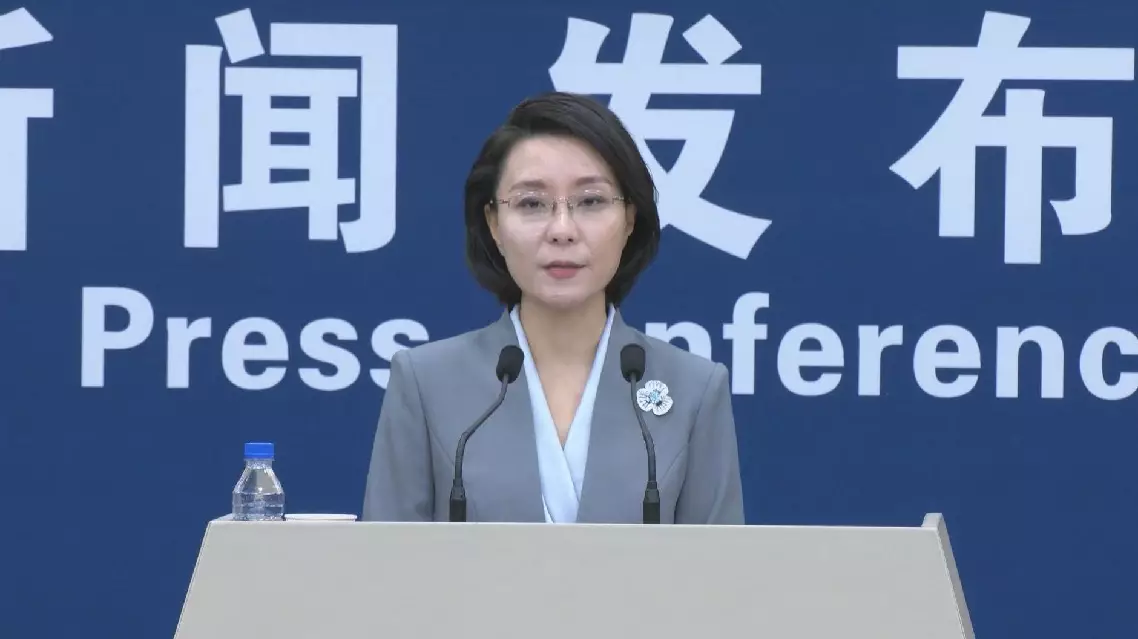
The funds will be used to replenish project capital, NDRC spokesperson Li Chao told a press conference.
"We are working with relevant parties to swiftly channel the new policy-based financial instrument funds to specific projects. We will urge local governments to accelerate project construction, generate more tangible output as soon as possible, expand effective investment, and thereby bolster stable and sound economic growth," said Li.
From January to August, China's manufacturing investment rose 5.1 percent compared to the same period last year.
Investment in information services, aircraft, spacecraft and aerospace equipment manufacturing, and computer and office equipment manufacturing have seen significant increases, surging by 34.1 percent, 28.0 percent, and 12.6 percent, respectively, providing strong support for industrial upgrading.
"At present, China's economic development still faces risks and challenges. The external environment remains complex and severe, and the foundation for economic recovery needs further consolidation. As the effects of various policies are being fully realized, we are confident in maintaining stable and healthy economic growth and in achieving the annual development goals," Li added.
China to deploy 500 bln yuan in policy-based financial tools
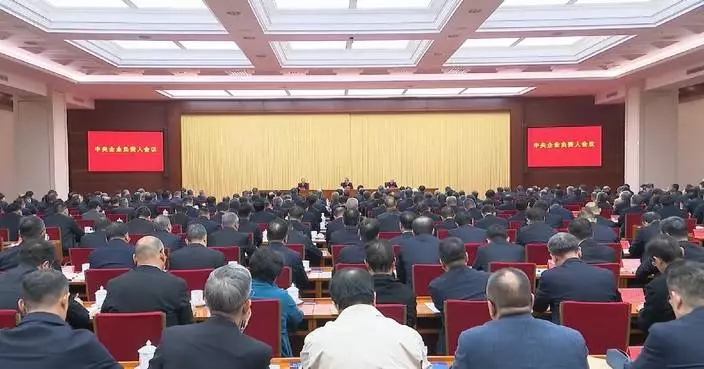
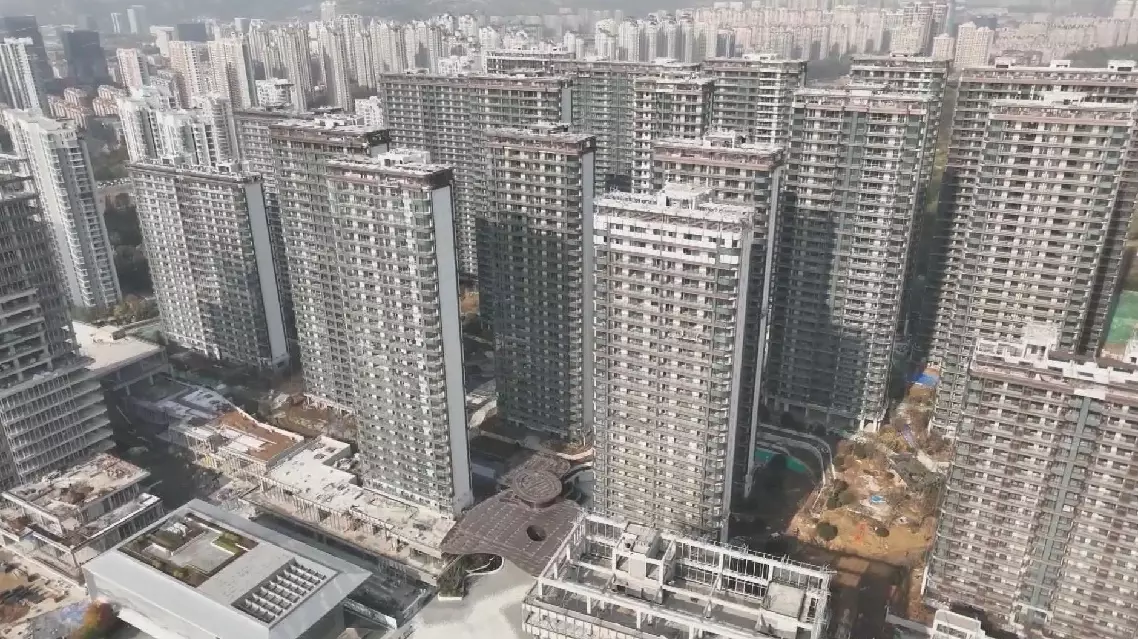
China's top housing authority has pledged to stabilize the real-estate market, rolling out a package of measures centered on city-specific policies to reduce inventories and optimize housing supply.
At a national conference held in Beijing on Tuesday, the Ministry of Housing and Urban-Rural Development announced that stabilizing the real estate market will be a central priority next year.
In 2026, local governments across China are expected to focus on city-specific policies aimed at controlling new housing supply, reducing existing inventory, and optimizing housing availability. Efforts will be integrated with urban renewal projects and the redevelopment of urban villages to revitalize and better utilize existing land resources. Authorities will also promote the acquisition of unsold commercial housing stock for conversion into affordable housing, resettlement units, dormitories, and apartments for skilled professionals.
The supply of government-subsidized housing will be optimized and implemented with greater precision, while a national housing quality improvement initiative will advance the orderly construction of "good homes." The role of the real estate project "whitelist" system will be further expanded to support the reasonable financing needs of property developers.
Municipal governments are encouraged to make full use of their autonomy in real estate regulation, adjusting and refining housing policies as appropriate to support both rigid and improvement-oriented housing needs, thereby fostering stable operation across local property markets.
China will also accelerate the formation of a new development model for the real estate sector. This includes building a foundational institutional framework, solidifying the corporate-based project development model, implementing a lead bank system for real estate financing, and promoting the sale of completed homes, effectively reducing the risk of delivery failures. For areas that continue with pre-sale practices, stricter oversight will be applied to the management of pre-sale funds to protect buyers' legal rights.
At the same time, reforms to the housing provident fund system will be deepened. The government will launch a campaign to improve the quality of property services and explore a new model of community governance led by grassroots Party organizations in collaboration with neighborhood committees, homeowners' associations, and property management companies. Moreover, the "property services plus lifestyle services" model will be explored, expanding property-related services into households.
China pledges to stabilize property market