The winery sector of Slovenia starts to feel the pinch of the U.S. tariffs as they deal a heavy blow to the industry.
Businesses in the European Union (EU) have begun to feel the effects of U.S. tariffs. Rising prices of goods have particularly affected smaller, export-driven countries like Slovenia.
The United States imported over 3.5 billion U.S. dollars' worth of Slovenian goods last year, with pharmaceuticals, machinery, and specialty food products leading the way.
In the rolling hills of Slovenia's Brda region, rows of vineyards stretch as far as the eye can see.
This land has been home to the Movia Winery for more than two centuries.
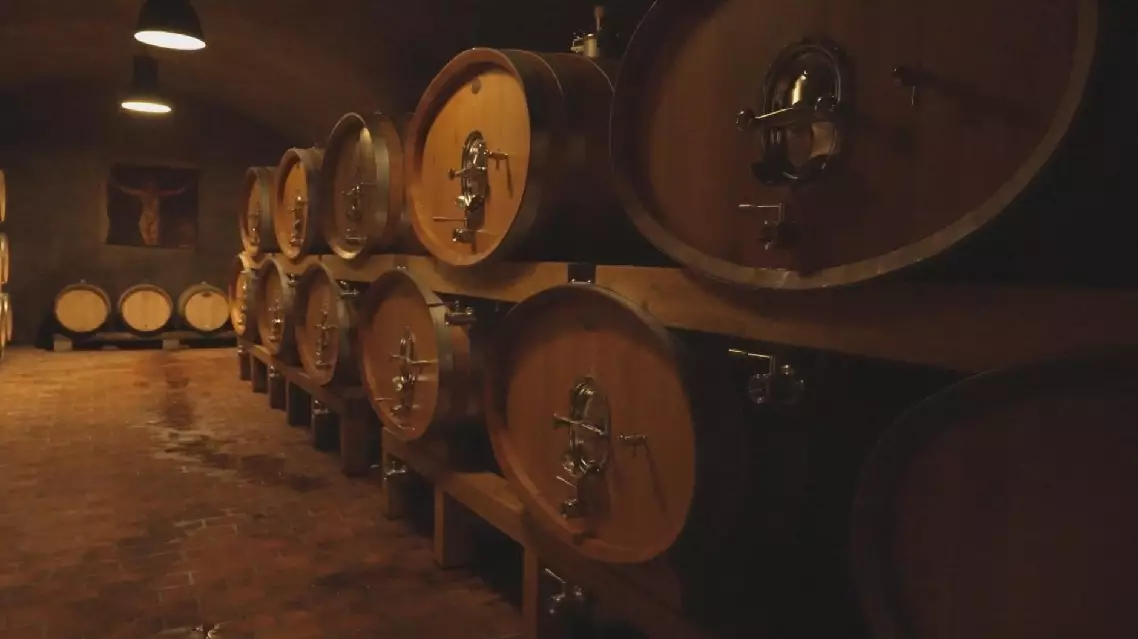
The estate produces organic wines, with 91 percent being exported, and only 9 percent sold locally in Slovenia.
The family winery of Ale Kristancic spans over 27 hectares and produces between 120,000 and 140,000 bottles each year -- almost everything for exports.
That's why the U.S. tariffs represent a real concern for his business.
"Higher taxes will never bring something positive, of course. But, that's it. We have to do our job, and it is to do wine in a serious way, in that way that somebody can buy it for a little bit higher price, or lower price," Kristancic said.
Across the European Union (EU), the U.S. remains the single biggest export market -- worth almost 590 billion U.S. dollars annually.
For small countries like Slovenia, dependent on foreign markets, the tariffs are more than just numbers on a balance sheet. They ripple through family businesses, regional economies, and the daily choices of consumers on both sides of the Atlantic.
Economists warn that while tariffs may raise revenue for Washington, they risk harming competitiveness and innovation in the long run.
"And with tariffs, they are increasing the fiscal revenues. On the other hand, this will also have a negative effect on the inflation. That means the inflation is higher than it should be in the U.S. It is not a problem of money. It's a problem of know-how, intelligence, of technical profiles. And this is not an easy thing to solve for no politician in this world," said Bojan Ivanc, chief economist of the Chamber of Commerce and Industry of Slovenia.
Slovenian winery feels pinch of US tariffs