Skip to Content Facebook Feature Image

Bruker Announces Orders for NIH- and NSF-Funded NMR Systems from New York Structural Biology Center, University of Delaware and Northwestern University

News

Bruker Announces Orders for NIH- and NSF-Funded NMR Systems from New York Structural Biology Center, University of Delaware and Northwestern University
News

News

Bruker Announces Orders for NIH- and NSF-Funded NMR Systems from New York Structural Biology Center, University of Delaware and Northwestern University

2025-10-03 18:59 Last Updated At:19:10

BILLERICA, Mass.--(BUSINESS WIRE)--Oct 3, 2025--

Bruker Corporation (Nasdaq: BRKR) today announced new orders for advanced Nuclear Magnetic Resonance (NMR) instrumentation from the New York Structural Biology Center (NYSBC), the University of Delaware and Northwestern University. Supported by the National Institutes of Health ( NIH ) and the National Science Foundation ( NSF ), these high-performance systems will enable leading research teams to pursue breakthroughs across a wide range of scientific research, drug discovery and disease biology disciplines.

More Images

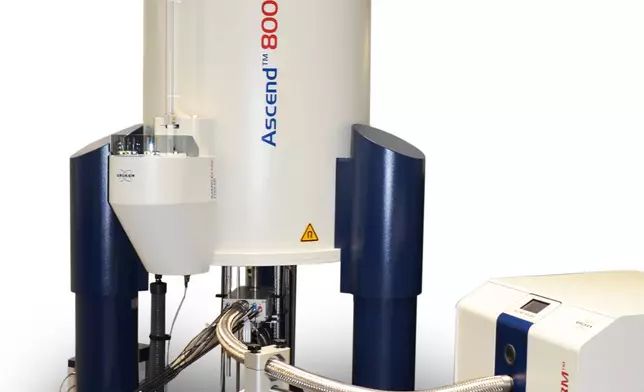
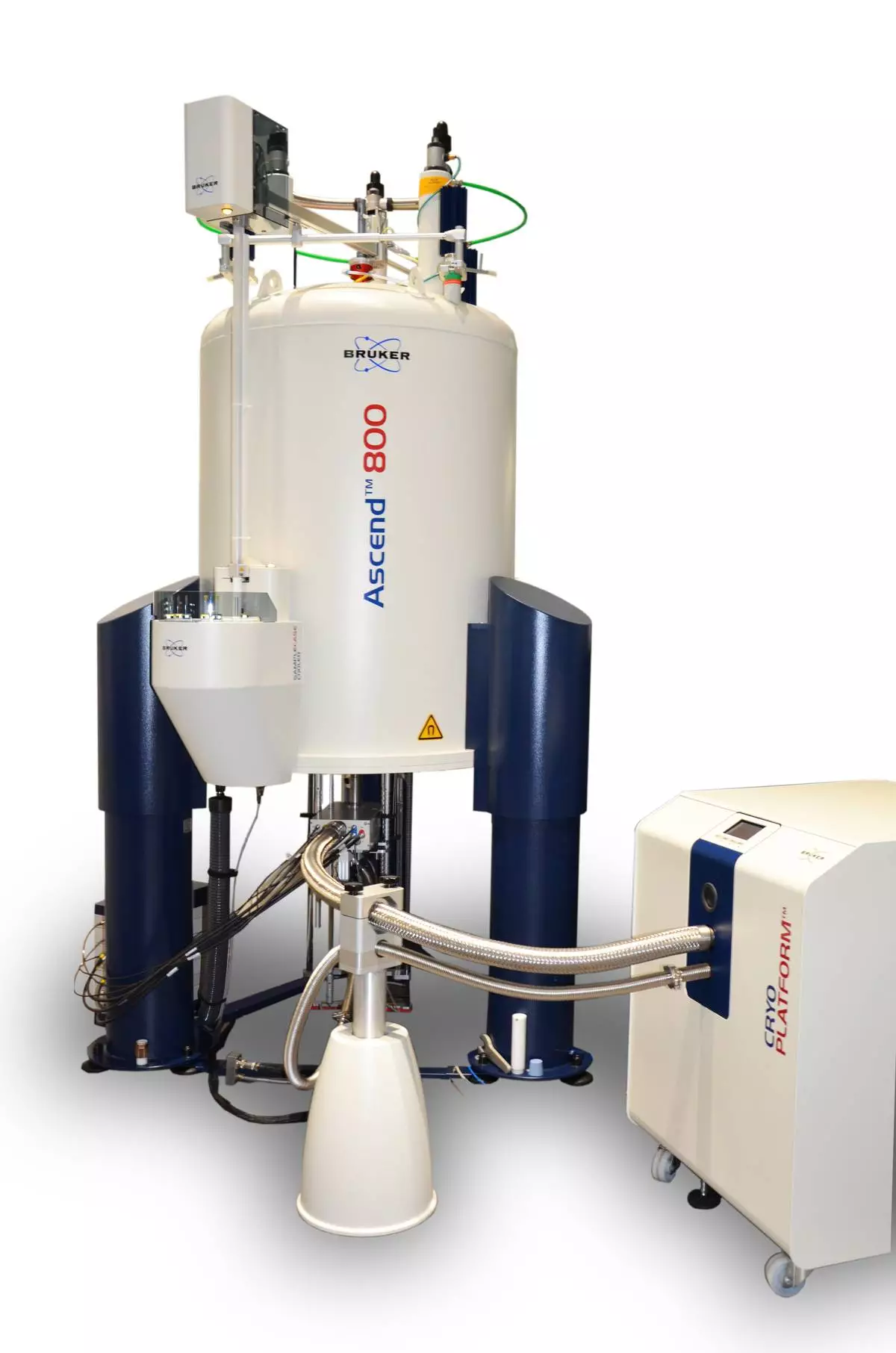
Ascend 800 MHz NMR spectrometer with high-resolution CryoProbe
Ascend 800 MHz NMR spectrometer with high-resolution CryoProbe

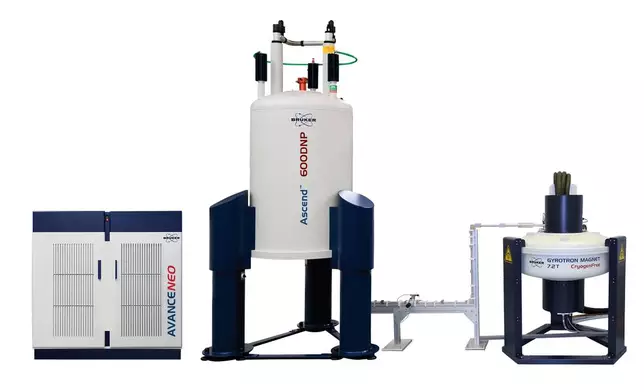
Ascend 600 MHz NMR DNP system with 7.2 T Gyrotron and microwave guide

Ascend 600 MHz NMR DNP system with 7.2 T Gyrotron and microwave guide

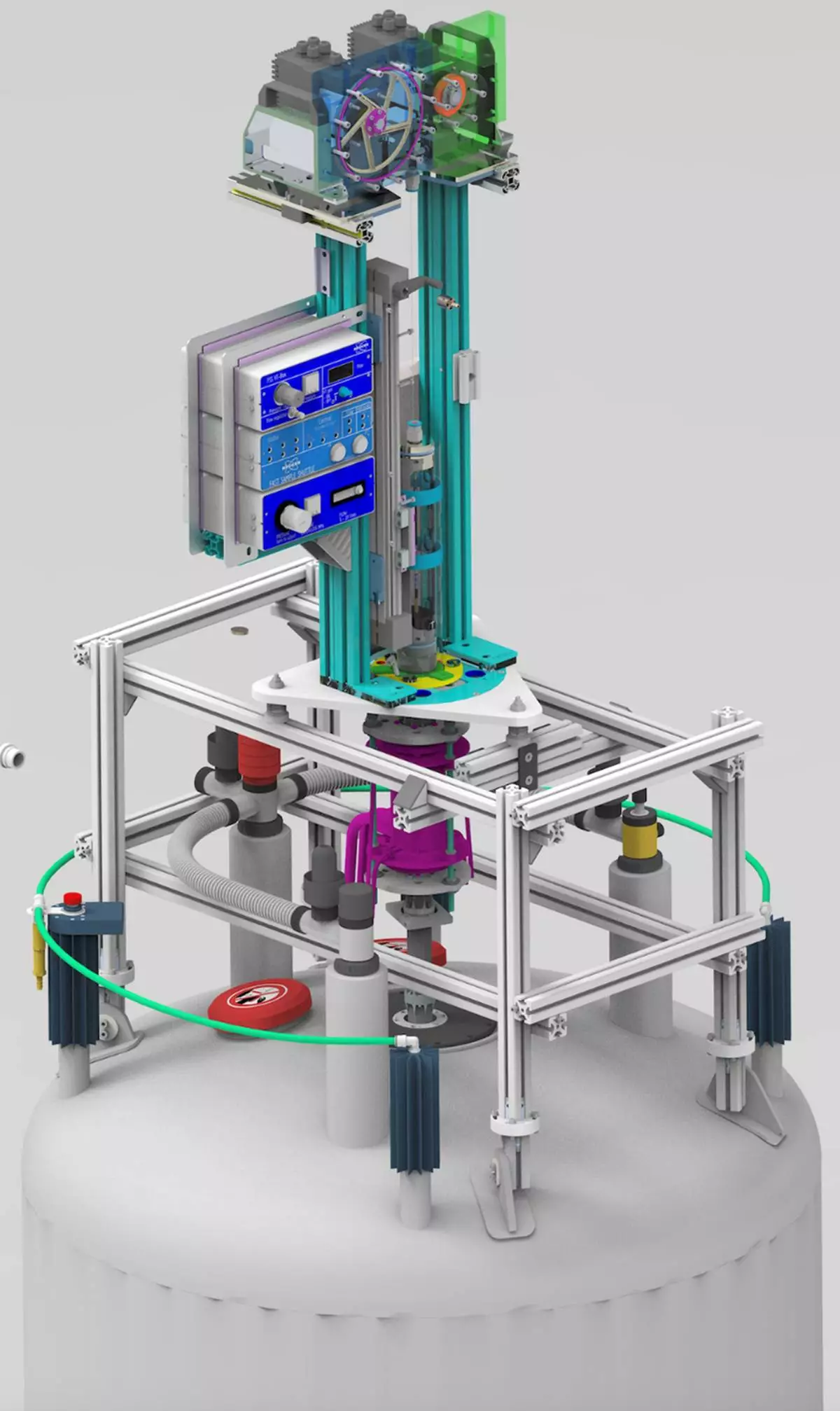
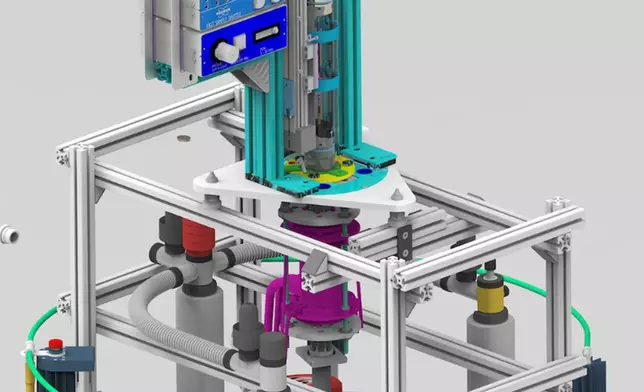
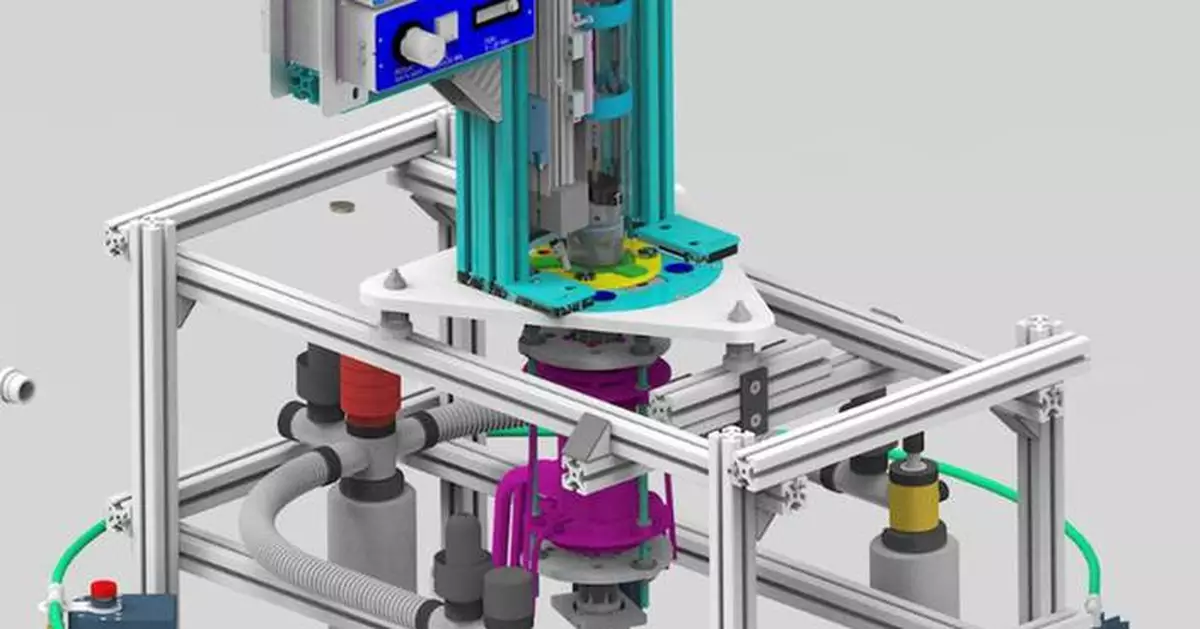
NMR Relaxometry system featuring a Field Cycling Coil (FCC, in purple) and a Fast Shuttle System mounted atop the superconducting magnet, for rapid sample transfer between the magnet and the FCC

NMR Relaxometry system featuring a Field Cycling Coil (FCC, in purple) and a Fast Shuttle System mounted atop the superconducting magnet, for rapid sample transfer between the magnet and the FCC

This press release features multimedia. View the full release here: https://www.businesswire.com/news/home/20251003194763/en/

The New York Structural Biology Center (NYSBC) ordered an NIH-funded Multifield NMR Relaxometry System. This advanced relaxometry system will be the first in North America and serves a consortium of nine research institutions in New York State as well as the national community through the NIH-funded Center on Macromolecular Dynamics by NMR spectroscopy. The system consists of a fast NMR sample shuttle system, a magnetic tunnel, and an electromagnetic field cycling coil (FCC), all mounted on a 700 MHz superconducting NMR magnet.

“This novel NMR Relaxometry system is a technological breakthrough that enables for the very first time measurements of spin-lattice relaxation rate constants for 1 H, 15 N, 13 C and other spins in biological macromolecules, including proteins and nucleic acids, over the range of magnetic fields from 100 µT to 16.4 T,” said Arthur G. Palmer, Professor of Biochemistry and Molecular Biophysics at Columbia University and Director of NMR Spectroscopy at NYSBC. “Critically, this instrumentation opens new time regimes for elucidating dynamics of these molecules and enables research ranging from understanding fundamental biological processes in normal and pathological states to discovery of potential new drugs for treatment of cancer and other diseases”.

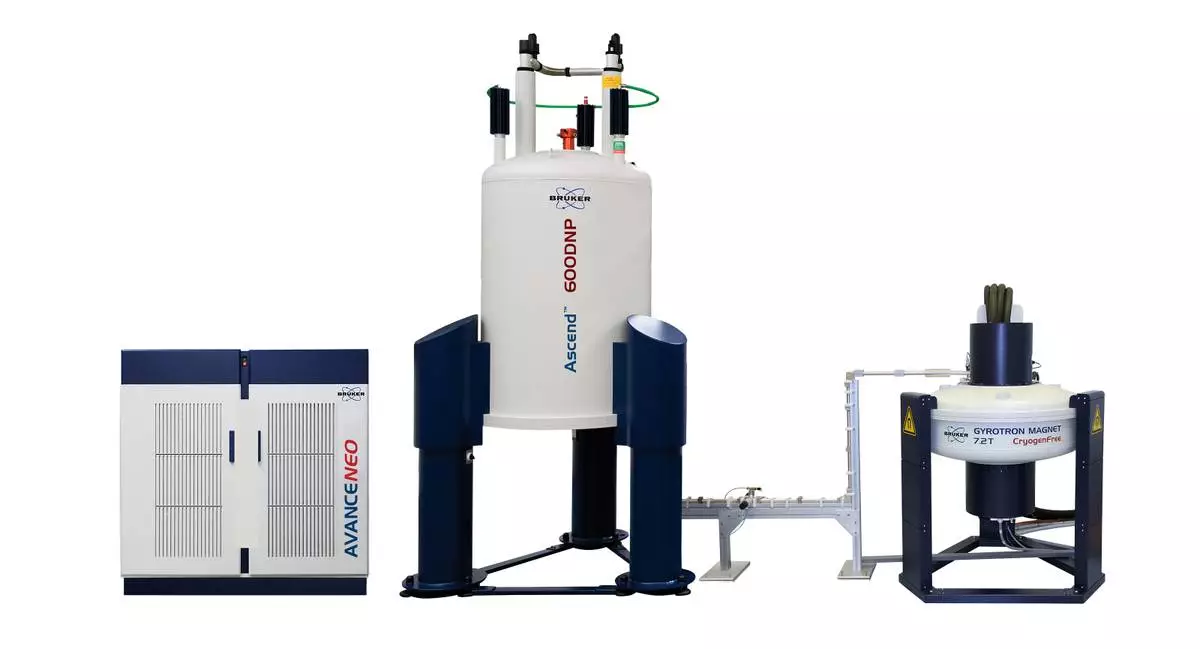
At the University of Delaware, the Department of Chemistry and Biochemistry has ordered a 600 MHz Dynamic Nuclear Polarization (DNP) NMR spectrometer, funded by the NSF Major Research Instrumentation (MRI) program. This instrument will serve over 25 research groups at the University of Delaware and 12 collaborating institutions, supporting projects that range from understanding the molecular basis of disease to developing new materials and sustainable technologies. The new spectrometer’s enhanced sensitivity will enable investigations of complex biological and engineered systems, including intact cells, protein assemblies, polymers, pharmaceutical formulations, and catalysts.

“This new DNP NMR system will open up avenues of discovery for us not possible with our existing instrumentation,” said Professor Tatyana Polenova, Department of Chemistry and Biochemistry, University of Delaware. “It will impact multiple fields, from structural biology to materials science, and provide training opportunities for students and collaborators. We are grateful for the support of the NSF MRI program, which makes this leap in research capability possible.”

At Northwestern University, the Integrated Molecular Structure Education and Research Center (IMSERC) recently ordered an 800 MHz NMR spectrometer. The instrument will benefit over 15 NIH-funded research groups and the broader Chicago research community, including the Chicago Biomedical Consortium. Key research applications include high-resolution biomolecular NMR for drug discovery, protein-ligand interactions, neurodegenerative disease research, regenerative medicine, and advanced materials development.

“I expect our new 800 MHz NMR spectrometer to transform our ability to conduct high-resolution biomolecular studies and accelerate discoveries in drug development, neurodegenerative disease, and regenerative medicine,” said Dr. Joshua Ziarek, Associate Professor, Department of Pharmacology at the Northwestern University Feinberg School of Medicine. “By making state-of-the-art NMR accessible locally, we are positioning Northwestern as a regional hub for high-field NMR and supporting the next generation of scientific leaders.”

The aggregate value of these three federally funded NMR orders is approximately $10 million, and they are expected to be delivered and installed next year in 2026.

About Bruker Corporation – Leader of the Post-Genomic Era (Nasdaq: BRKR)

Bruker is enabling scientists and engineers to make breakthrough post-genomic discoveries and develop new applications that improve the quality of human life. Bruker’s high-performance scientific instruments and high value analytical and diagnostic solutions enable scientists to explore life and materials at molecular, cellular, and microscopic levels. In close cooperation with our customers, Bruker is enabling innovation, improved productivity, and customer success in post-genomic life science molecular and cell biology research, in applied and biopharma applications, in microscopy and nanoanalysis, as well as in industrial and cleantech research, and next-gen semiconductor metrology in support of AI. Bruker offers differentiated, high-value life science and diagnostics systems and solutions in preclinical imaging, clinical phenomics research, proteomics and multiomics, spatial and single-cell biology, functional structural and condensate biology, as well as in clinical microbiology and molecular diagnostics. For more information, please visit www.bruker.com.
Ascend 800 MHz NMR spectrometer with high-resolution CryoProbe
Ascend 800 MHz NMR spectrometer with high-resolution CryoProbe

Ascend 600 MHz NMR DNP system with 7.2 T Gyrotron and microwave guide

Ascend 600 MHz NMR DNP system with 7.2 T Gyrotron and microwave guide

NMR Relaxometry system featuring a Field Cycling Coil (FCC, in purple) and a Fast Shuttle System mounted atop the superconducting magnet, for rapid sample transfer between the magnet and the FCC


NMR Relaxometry system featuring a Field Cycling Coil (FCC, in purple) and a Fast Shuttle System mounted atop the superconducting magnet, for rapid sample transfer between the magnet and the FCC

The U.N. Security Council scheduled an emergency meeting Thursday to discuss Iran's deadly protests at the request of the United States, even as President Donald Trump left unclear what actions he would take against the Islamic state.

Tehran appeared to make conciliatory statements in an effort to defuse the situation after Trump threatened to take action to stop further killing of protesters, including the execution of anyone detained in Tehran’s bloody crackdown on nationwide protests.

Iran’s crackdown on the demonstrations has killed at least 2,615, the U.S.-based Human Rights Activists News Agency reported. The death toll exceeds any other round of protest or unrest in Iran in decades and recalls the chaos surrounding the country’s 1979 Islamic Revolution.

Iran closed its airspace to commercial flights for hours without explanation early Thursday and some personnel at a key U.S. military base in Qatar were advised to evacuate. The U.S. Embassy in Kuwait also ordered its personnel to “temporary halt” travel to the multiple military bases in the small Gulf Arab country.

Iran previously closed its airspace during the 12-day war against Israel in June.

Here is the latest:

“We are against military intervention in Iran,” Turkish Foreign Minister Hakan Fidan told journalists in Istanbul on Thursday. “Iran must address its own internal problems… They must address their problems with the region and in global terms through diplomacy so that certain structural problems that cause economic problems can be addressed.”

Ankara and Tehran enjoy warm relations despite often holding divergent interests in the region.

Fidan said the unrest in Iran was rooted in economic conditions caused by sanctions, rather than ideological opposition to the government.

Iranians have been largely absent from an annual pilgrimage to Baghdad, Iraq, to commemorate the death of Imam Musa al-Kadhim, one of the twelve Shiite imams.

Many Iranian pilgrims typically make the journey every year for the annual religious rituals.

Streets across Baghdad were crowded with pilgrims Thursday. Most had arrived on foot from central and southern provinces of Iraq, heading toward the shrine of Imam al-Kadhim in the Kadhimiya district in northern Baghdad,

Adel Zaidan, who owns a hotel near the shrine, said the number of Iranian visitors this year compared to previous years was very small. Other residents agreed.

“This visit is different from previous ones. It lacks the large numbers of Iranian pilgrims, especially in terms of providing food and accommodation,” said Haider Al-Obaidi.

Europe’s largest airline group said Thursday it would halt night flights to and from Tel Aviv and Jordan's capital Amman for five days, citing security concerns as fears grow that unrest in Iran could spiral into wider regional violence.

Lufthansa — which operates Swiss, Austrian Airlines, Brussels Airlines and Eurowings — said flights would run only during daytime hours from Thursday through Monday “due to the current situation in the Middle East.” It said the change would ensure its staff — which includes unionized cabin crews and pilots -- would not be required to stay overnight in the region.

The airline group also said its planes would bypass Iranian and Iraqi airspace, key corridors for air travel between the Middle East and Asia.

Iran closed its airspace to commercial flights for several hours early Thursday without explanation.

A spokesperson for Israel’s Airport Authority, which oversees Tel Aviv’s Ben Gurion Airport, said the airport was operating as usual.

Iranian state media has denied claims that a young man arrested during Iran’s recent protests was condemned to death. The statement from Iran’s judicial authorities on Thursday contradicted what it said were “opposition media abroad” which claimed the young man had been quickly sentenced to death during a violent crackdown on anti-government protests in the country.

State television didn’t immediately give any details beyond his name, Erfan Soltani. Iranian judicial authorities said Soltani was being held in a detention facility outside of the capital. Alongside other protesters, he has been accused of “propaganda activities against the regime,” state media said.

New Zealand’s Foreign Minister Winston Peters said Thursday that his government was “appalled by the escalation of violence and repression” in Iran.

“We condemn the brutal crackdown being carried out by Iran’s security forces, including the killing of protesters,” Peters posted on X.

“Iranians have the right to peaceful protest, freedom of expression, and access to information – and that right is currently being brutally repressed,” he said.

Peters said his government had expressed serious concerns to the Iranian Embassy in Wellington.

A demonstrator lights a cigarette with a burning poster depicting Supreme Leader Ayatollah Ali Khamenei during a rally in support of Iran's anti-government protests, in Holon, Israel, Wednesday, Jan. 14, 2026. (AP Photo/Ohad Zwigenberg)

A demonstrator lights a cigarette with a burning poster depicting Supreme Leader Ayatollah Ali Khamenei during a rally in support of Iran's anti-government protests, in Holon, Israel, Wednesday, Jan. 14, 2026. (AP Photo/Ohad Zwigenberg)

Protesters participate in a demonstration in support of the nationwide mass protests in Iran against the government, in Berlin, Germany, Wednesday, Jan. 14, 2026. (AP Photo/Ebrahim Noroozi)

Protesters participate in a demonstration in support of the nationwide mass protests in Iran against the government, in Berlin, Germany, Wednesday, Jan. 14, 2026. (AP Photo/Ebrahim Noroozi)

Protesters participate in a demonstration in support of the nationwide mass protests in Iran against the government, in Berlin, Germany, Wednesday, Jan. 14, 2026. (AP Photo/Ebrahim Noroozi)

Protesters participate in a demonstration in support of the nationwide mass protests in Iran against the government, in Berlin, Germany, Wednesday, Jan. 14, 2026. (AP Photo/Ebrahim Noroozi)

Recommended Articles