STOCKHOLM (AP) — Three scientists won the Nobel Prize in medicine Monday for discoveries about how the immune system knows to attack germs and not our own bodies.
The work by Mary E. Brunkow, Fred Ramsdell and Dr. Shimon Sakaguchi uncovered a key pathway the body uses to keep the immune system in check, called peripheral immune tolerance. Experts called the findings critical to understanding autoimmune diseases such as Type 1 diabetes, rheumatoid arthritis and lupus.
Click to Gallery
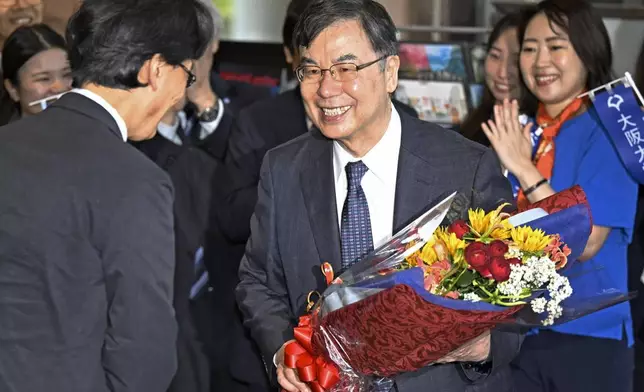
Osaka University professor Dr. Shimon Sakaguchi, right, receives flowers in Suita, near Osaka, western Japan, Tuesday, Oct. 7, 2025, a day after he won the Nobel Prize in medicine. (Yu Nakajiyama/Kyodo News via AP)

Ross Colquhoun wakes up his wife Mary E. Brunkow to talk about her winning a Nobel Prize in medicine for part of her work on peripheral immune tolerance, in Seattle, Monday, Oct. 6, 2025. (AP Photo/Lindsey Wasson)

Mary E. Brunkow becomes emotional after hearing about winning a Nobel Prize in medicine for part of her work on peripheral immune tolerance, in Seattle, Monday, Oct. 6, 2025. (AP Photo/Lindsey Wasson)
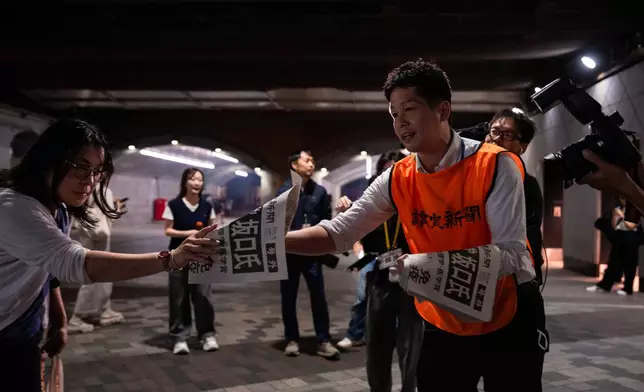
Staff from Japan's Yomiuri Shimbun distributes extra editions reporting on Japanese Dr. Shimon Sakaguchi winning the Nobel Prize in medicine, along with scientists Mary E. Brunkow and Fred Ramsdell, for their discoveries concerning peripheral immune tolerance, in Tokyo, Monday, Oct 6, 2025. (AP Photo/Louise Delmotte)
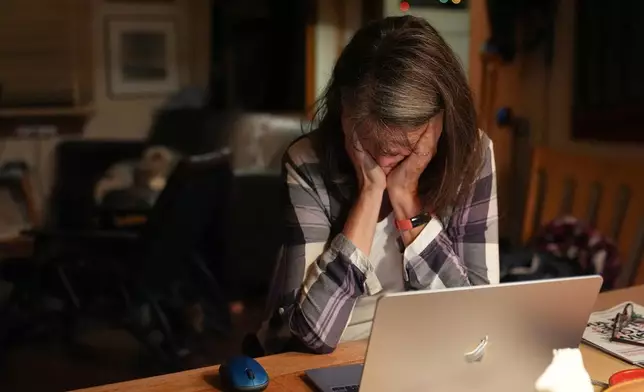
Mary E. Brunkow becomes emotional after hearing about winning a Nobel Prize in medicine for part of her work on peripheral immune tolerance, in Seattle, Monday, Oct. 6, 2025. (AP Photo/Lindsey Wasson)
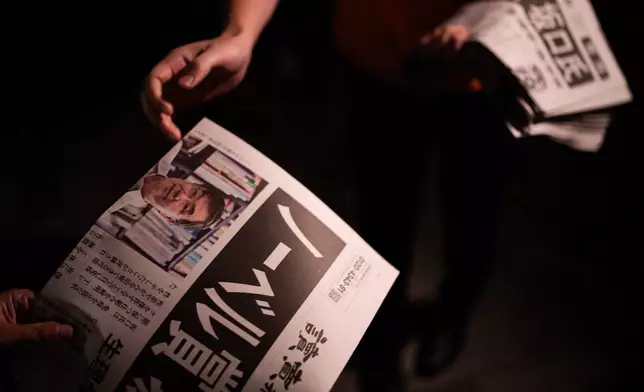
Staff from Japan's Yomiuri Shimbun distributes extra editions reporting on Japanese Dr. Shimon Sakaguchi winning the Nobel Prize in medicine, along with scientists Mary E. Brunkow and Fred Ramsdell, for their discoveries concerning peripheral immune tolerance, in Tokyo, Japan, Monday, Oct 6, 2025. (AP Photo/Louise Delmotte)
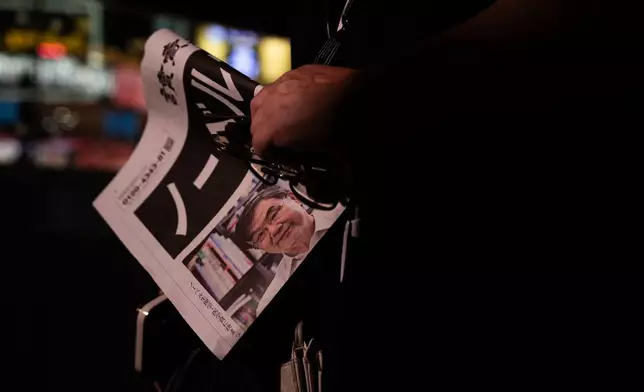
A person holds a copy of an extra edition of Japan's Yomiuri Shimbun reporting on Japanese Dr. Shimon Sakaguchi winning the Nobel Prize in medicine, along with scientists Mary E. Brunkow and Fred Ramsdell, for their discoveries concerning peripheral immune tolerance, in Tokyo, Japan, Monday, Oct 6, 2025. (AP Photo/Louise Delmotte)

Osaka University professor Dr. Shimon Sakaguchi reacts as he speaks at a news conference in Suita, near Osaka, western Japan, Monday, Oct. 6, 2025, after he won the Nobel Prize in medicine. (Shohei Miyano/Kyodo News via AP)

Osaka University professor Dr. Shimon Sakaguchi, right, receives flowers at a news conference in Suita, near Osaka, western Japan, Monday, Oct. 6, 2025, after he won the Nobel Prize in medicine. (Shohei Miyano/Kyodo News via AP)
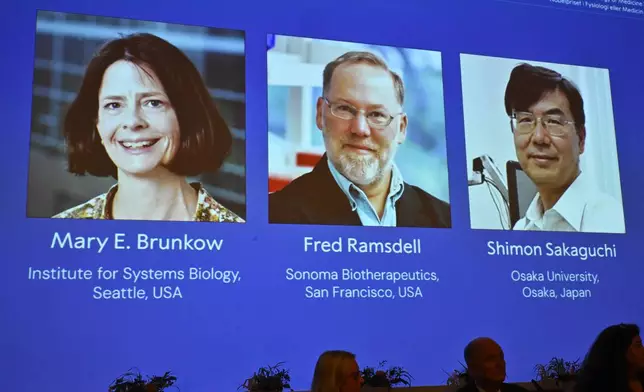
A screen showing the photos of Mary E Brunkow, Fred Ramsdell and Shimon Sakaguchi who were awarded the Nobel Prize in Medicine or Physiology, at the Nobel Assembly of the Karolinska Institutet, in Stockholm, Sweden, Monday, Oct. 6, 2025. (Claudio Bresciani/TT News Agency via AP)

A screen showing the photos of Mary E Brunkow, Fred Ramsdell and Shimon Sakaguchi who were awarded the Nobel Prize in Medicine or Physiology, at the Nobel Assembly of the Karolinska Institutet, in Stockholm, Sweden, Monday, Oct. 6, 2025. (Claudio Bresciani/TT News Agency via AP)
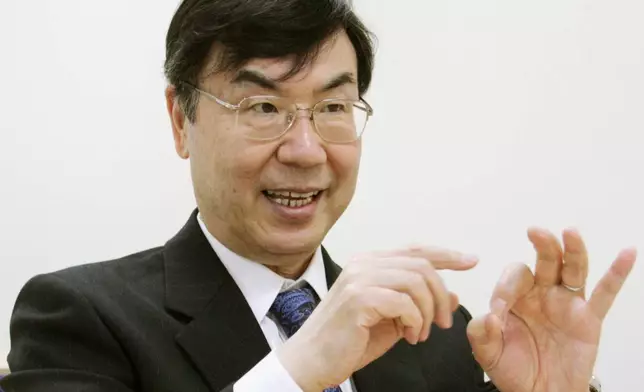
Osaka University professor Shimon Sakaguchi, one of two Japanese professors selected for the 2015 Canada Gairdner International Awards, speaks in an interview in Osaka, western Japan, March 24, 2015. (Kyodo News via AP)
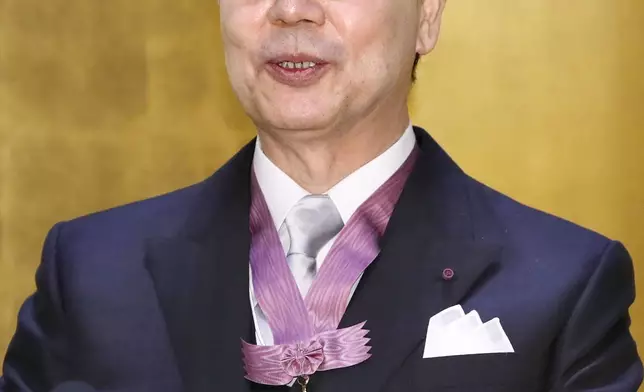
Shimon Sakaguchi speaks during a news conference after receiving an award of culture from Japan's Imperial Household Agency in Tokyo, Nov. 3, 2019. (Kyodo News via AP)
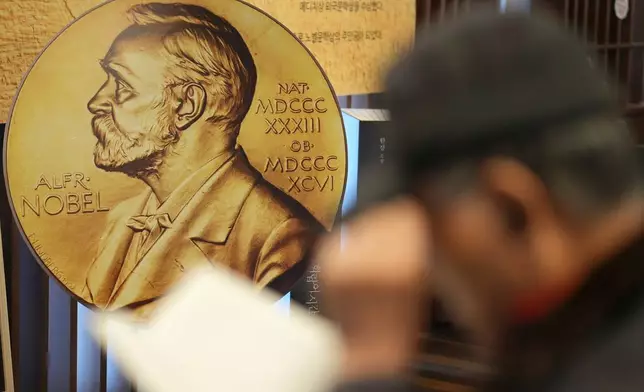
FILE - A visitor reads a book written by South Korean author Han Kang, this year's winner of the Nobel Prize in Literature, at a special section of a bookstore in Seoul, South Korea, Tuesday, Dec. 10, 2024. (AP Photo/Lee Jin-man, File)
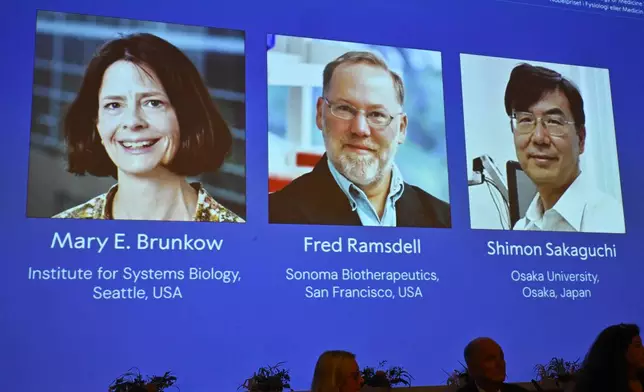
A screen showing the photos of Mary E Brunkow, Fred Ramsdell and Shimon Sakaguchi who were awarded the Nobel Prize in Medicine or Physiology, at the Nobel Assembly of the Karolinska Institutet, in Stockholm, Sweden, Monday, Oct. 6, 2025. (Claudio Bresciani/TT News Agency via AP)
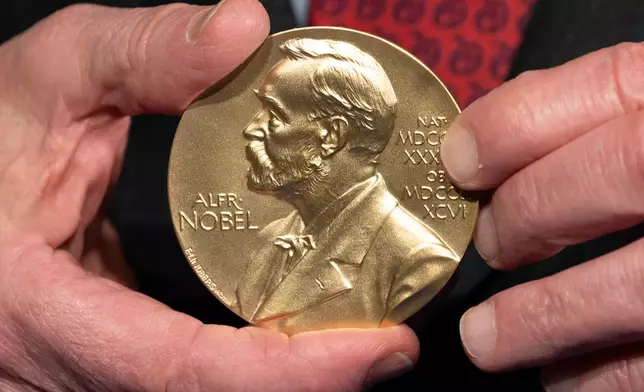
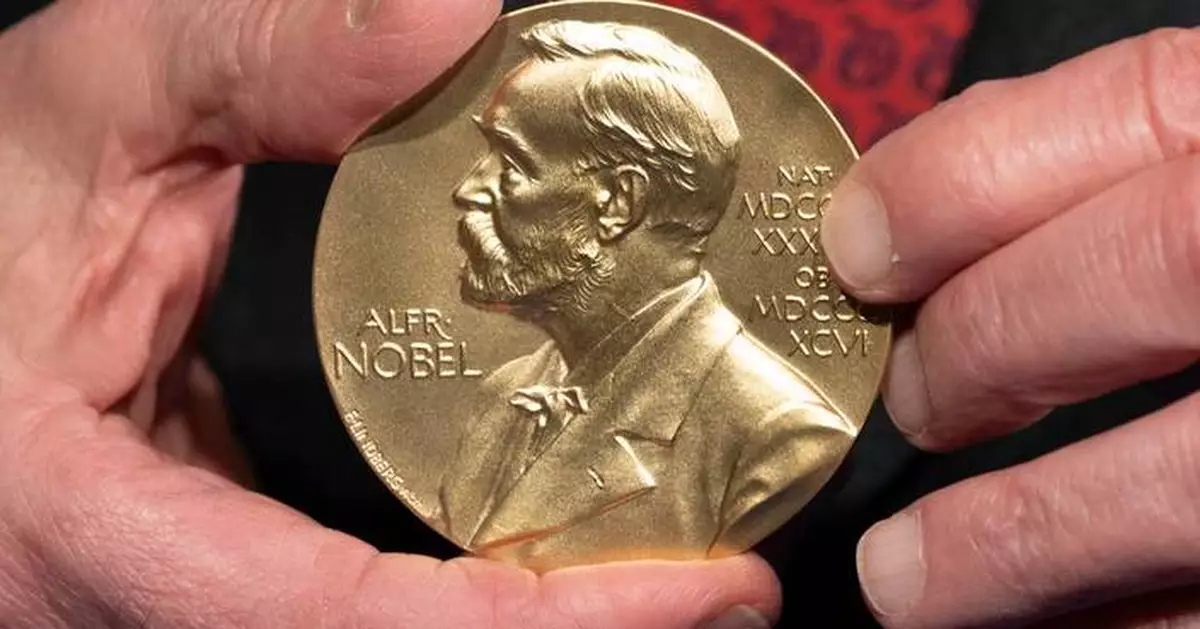
FILE - A close-up view of a Nobel Prize medal at the National Institutes of Health (NIH) in Bethesda, Md., Tuesday, Dec. 8, 2020. (AP Photo/Jacquelyn Martin, File)
In separate projects over several years, the trio of scientists — two in the U.S. and one in Japan — identified the importance of what are now called regulatory T cells. Scientists are currently using those findings in a variety of ways: to discover better treatments for autoimmune diseases, to improve organ transplant success and to enhance the body's own fight against cancer, among others.
“Their discoveries have been decisive for our understanding of how the immune system functions and why we do not all develop serious autoimmune diseases,” said Olle Kämpe, chair of the Nobel Committee.
Brunkow, 64, is now a senior program manager at the Institute for Systems Biology in Seattle. Ramsdell, 64, is a scientific adviser for San Francisco-based Sonoma Biotherapeutics. Sakaguchi, 74, is a distinguished professor at the Immunology Frontier Research Center at Osaka University in Japan.
The award, officially known as the Nobel Prize in Physiology or Medicine, is the first of the 2025 Nobel Prize announcements and was announced by a panel at the Karolinska Institute in Stockholm.
The physics prize will be announced on Tuesday, chemistry on Wednesday and literature on Thursday. The Nobel Peace Prize will be announced Friday and the Nobel Memorial Prize in economics Oct. 13.
The immune system has overlapping ways to detect and fight bacteria, viruses and other intruders. But sometimes certain immune cells run amok, mistakenly attacking people’s own cells and tissues to cause autoimmune diseases.
Scientists once thought the body regulated this system only in a centralized fashion. Key immune soldiers such as T cells get trained to spot bad actors and those that go awry in a way that might trigger autoimmunity get eliminated in the thymus.
The Nobel winners unraveled an additional way the body keeps the system in check if immune cells later get confused and mistake human cells for intruders, which is what happens when a person has an autoimmune disease.
Sakaguchi said he “was curious about the mechanism of immune response that is supposed to protect oneself but also reacts to and attacks itself.”
His experiments in mice showed that the thymus pathway couldn't be the only explanation. In 1995, he discovered a previously unknown T cell subtype, the regulatory T cells, that also could tamp down overreactive immune cells like a biological security guard.
Then in 2001, Brunkow and Ramsdell were working together at a biotech company investigating mice with an autoimmune disease. In painstaking work at a time when mapping genes was still an evolving field, they figured out that a particular mutation in a gene called Foxp3 was to blame — and quickly realized it could be a major player in human health, too.
“From a DNA level, it was a really small alteration that caused this massive change to how the immune system works,” Brunkow told AP.
Back in Japan, Sakaguchi noticed: “It was getting a lot of attention as one gene that can explain multiple autoimmune diseases, but still, why the gene causes the diseases was a mystery,” he said.
Two years later, Sakaguchi linked the discoveries to show the Foxp3 gene controls the development of those regulatory T cells so they're able to curb other, overreactive cells.
The work opened a new field of immunology, said Karolinska Institute rheumatology professor Marie Wahren-Herlenius.
Until the trio's research was published, immunologists didn't understand the complexity of how the body differentiates foreign cells from its own, said Dr. Jonathan Schneck, a cellular immunology expert at Johns Hopkins University.
One goal now, Schneck said, is to figure out how to increase the number of regulatory T cells — also known as T-regs — to help fight autoimmune diseases. That would decrease the need for today's therapies, which instead suppress the immune system in ways that leave patients vulnerable to infection.
The American Association of Immunologists said the winners' work “has fundamentally reshaped our understanding of immune balance.”
The discoveries haven’t yet led to new therapies, Schneck cautioned. But “it’s incredibly important to emphasize, this work started back in 1995 and we’re reaping the benefits but yet have many more benefits we can reap” as scientists build on their work.
Thomas Perlmann, secretary-general of the Nobel Committee, said he reached Sakaguchi in his lab by phone Monday morning “and he sounded incredibly grateful, expressed that it was a fantastic honor. He was quite taken by the news.”
At a news conference hours later — which was interrupted by a congratulatory call from the Japanese prime minister — Sakaguchi called his win “a happy surprise."
“There are many illnesses that need further research and treatment, and I hope there will be further progress in those areas so that findings will lead to prevention of diseases. That’s what our research is for,” he added.
Brunkow, meanwhile, got the news of her prize from an AP photographer who came to her Seattle home in the early hours of the morning.
She said she had ignored the earlier call from the Nobel Committee. “My phone rang and I saw a number from Sweden and thought: ‘That’s just, that’s spam of some sort.’”
“When I told Mary she won, she said, ‘Don’t be ridiculous,’” said her husband, Ross Colquhoun.
Ramsdell was on vacation when the prize was announced, and did not find out until his wife’s phone got service while they were driving.
“She said, ‘You won the Nobel Prize.’ And I said, ‘No, I didn’t.’ And she said, ‘Yes, you did. I have 200 text messages that says you won a Nobel Prize’ and I’m like, ’That’s unbelievable,” Ramsdell said.
Ramsdell “is one of the most humble people you’ll ever meet,” Jeff Bluestone, CEO of Sonoma Biotherapeutics, told AP. “It’s going to be great for us to toot his horn for him.”
The award ceremony will be Dec. 10, the anniversary of the death of Alfred Nobel, who founded the prizes. Nobel was a wealthy Swedish industrialist and the inventor of dynamite. He died in 1896.
The trio will share prize money of 11 million Swedish kronor (nearly $1.2 million).
Wasson reported from Seattle and Neergaard from Washington. Mari Yamaguchi in Tokyo, Stefanie Dazio and David Keyton in Berlin, and Adithi Ramakrishnan in New York contributed.
AP Nobel Prizes: https://apnews.com/hub/nobel-prizes
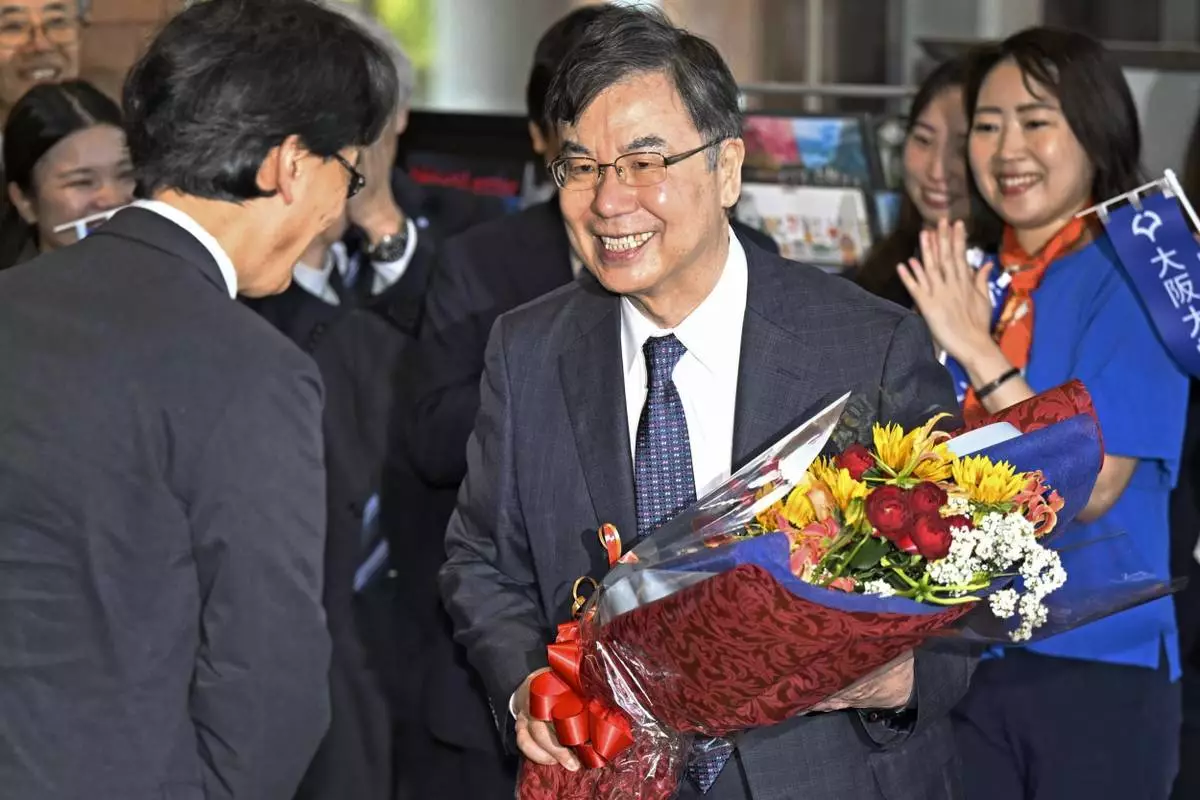
Osaka University professor Dr. Shimon Sakaguchi, right, receives flowers in Suita, near Osaka, western Japan, Tuesday, Oct. 7, 2025, a day after he won the Nobel Prize in medicine. (Yu Nakajiyama/Kyodo News via AP)
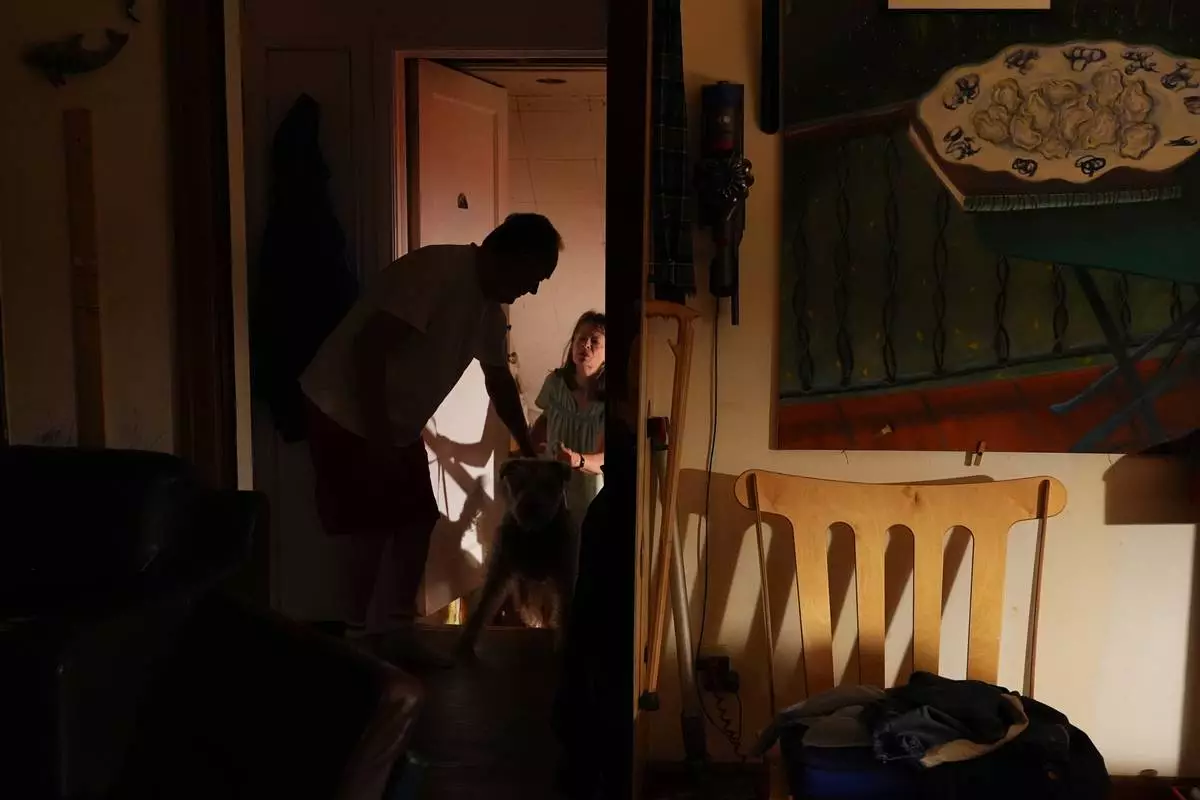
Ross Colquhoun wakes up his wife Mary E. Brunkow to talk about her winning a Nobel Prize in medicine for part of her work on peripheral immune tolerance, in Seattle, Monday, Oct. 6, 2025. (AP Photo/Lindsey Wasson)
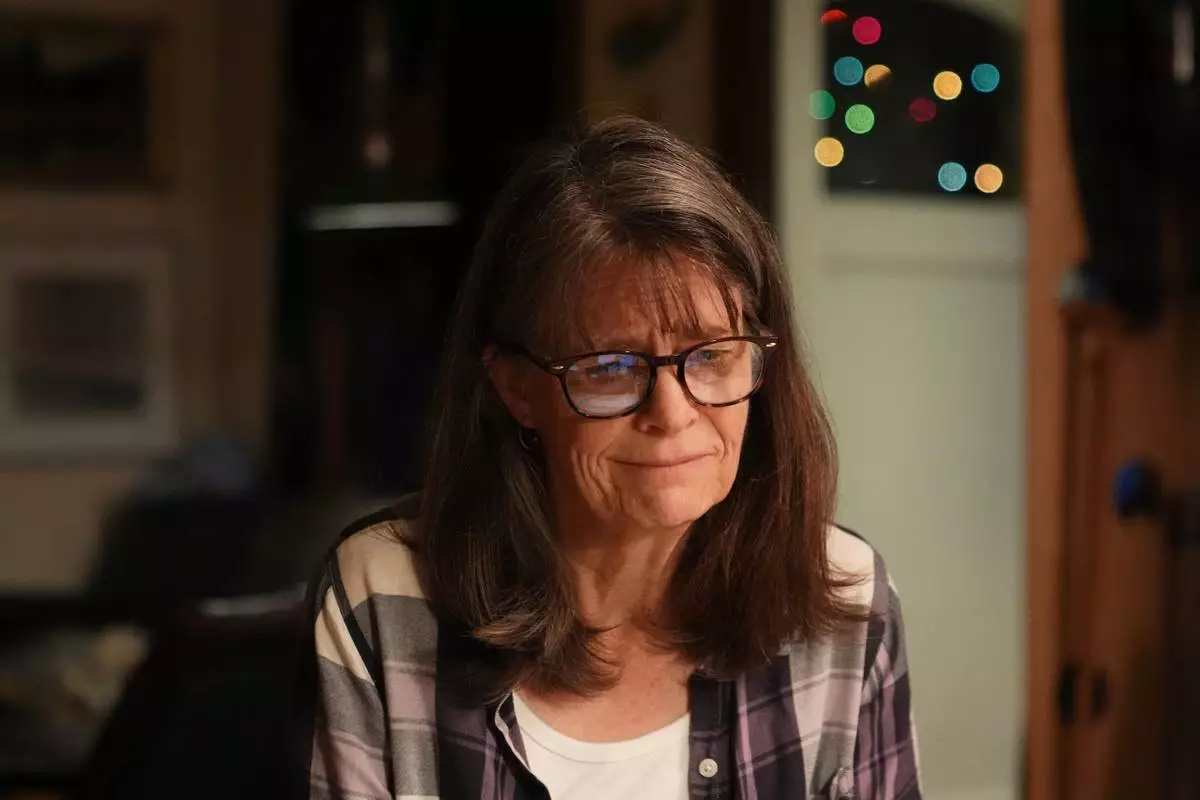
Mary E. Brunkow becomes emotional after hearing about winning a Nobel Prize in medicine for part of her work on peripheral immune tolerance, in Seattle, Monday, Oct. 6, 2025. (AP Photo/Lindsey Wasson)
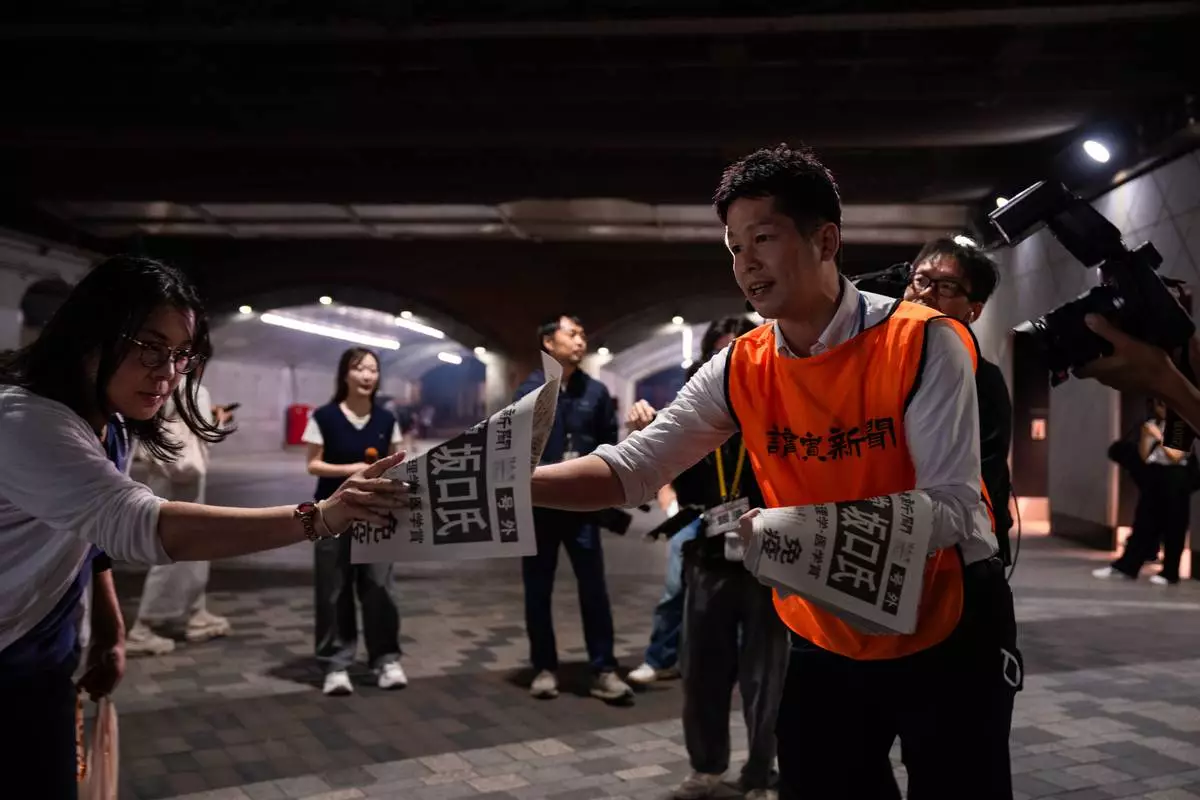
Staff from Japan's Yomiuri Shimbun distributes extra editions reporting on Japanese Dr. Shimon Sakaguchi winning the Nobel Prize in medicine, along with scientists Mary E. Brunkow and Fred Ramsdell, for their discoveries concerning peripheral immune tolerance, in Tokyo, Monday, Oct 6, 2025. (AP Photo/Louise Delmotte)
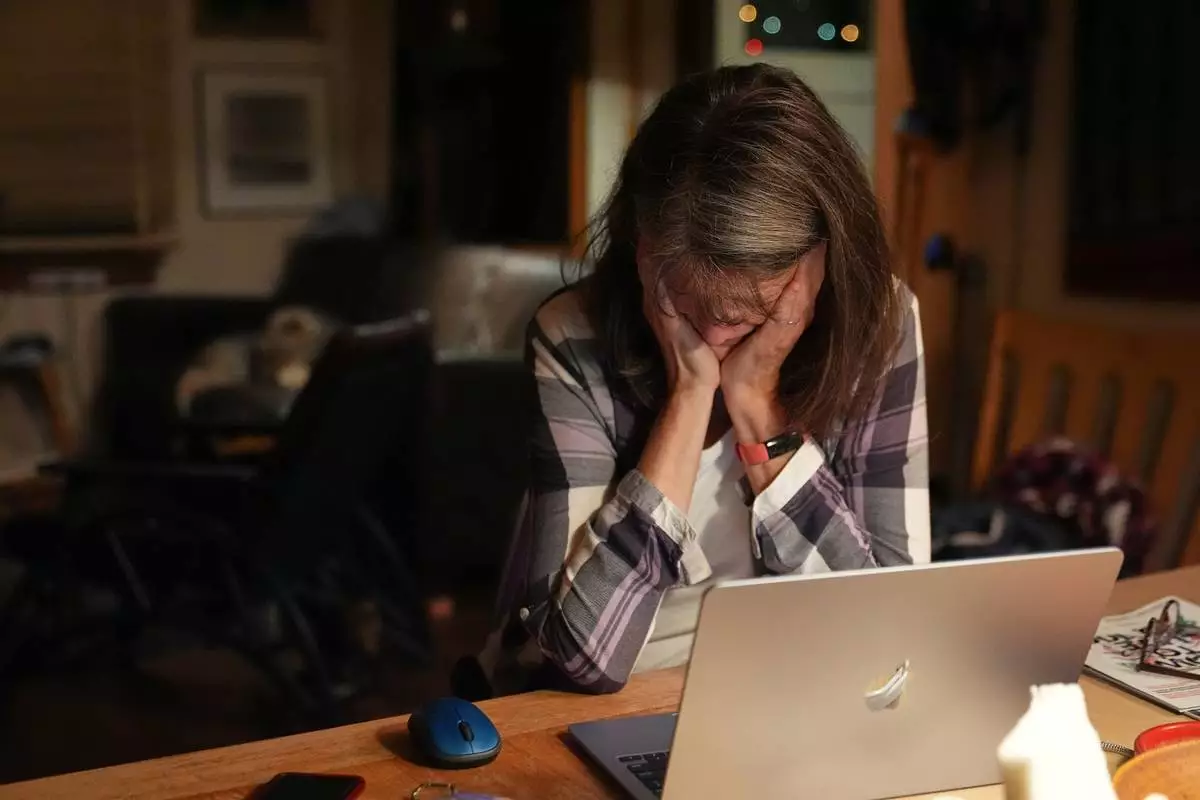
Mary E. Brunkow becomes emotional after hearing about winning a Nobel Prize in medicine for part of her work on peripheral immune tolerance, in Seattle, Monday, Oct. 6, 2025. (AP Photo/Lindsey Wasson)
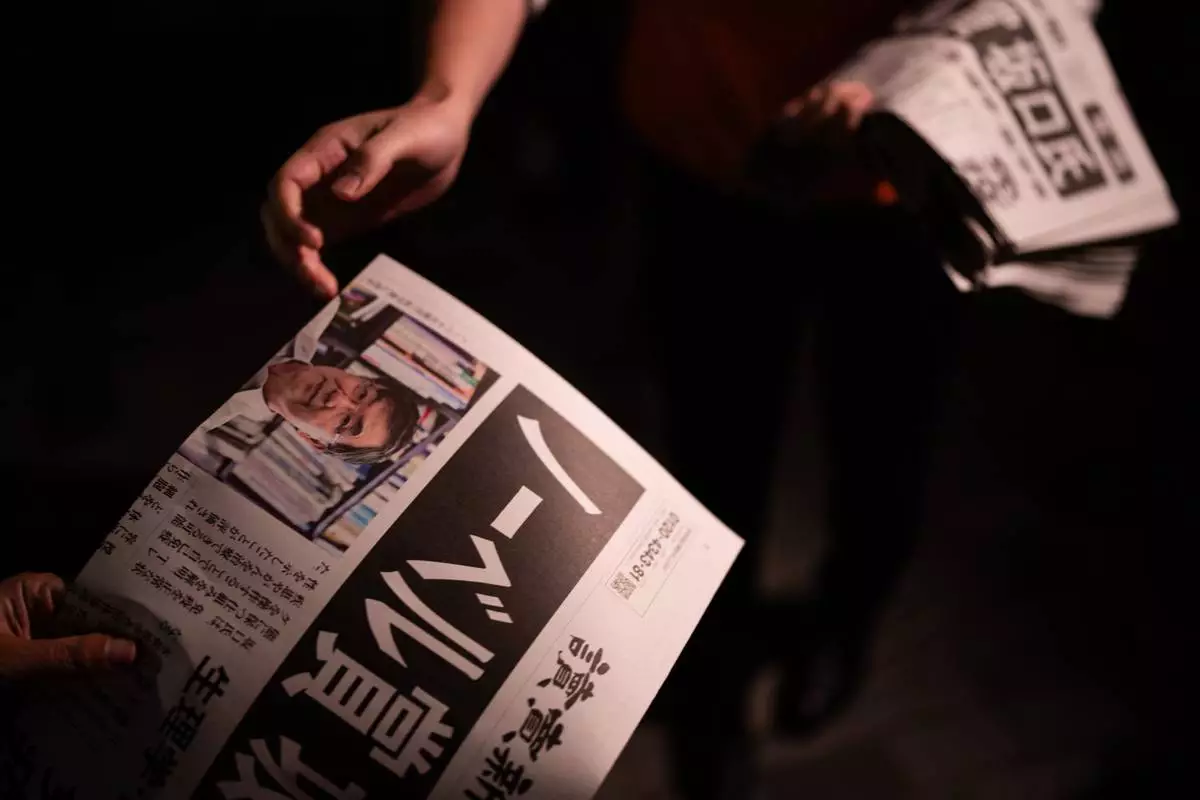
Staff from Japan's Yomiuri Shimbun distributes extra editions reporting on Japanese Dr. Shimon Sakaguchi winning the Nobel Prize in medicine, along with scientists Mary E. Brunkow and Fred Ramsdell, for their discoveries concerning peripheral immune tolerance, in Tokyo, Japan, Monday, Oct 6, 2025. (AP Photo/Louise Delmotte)
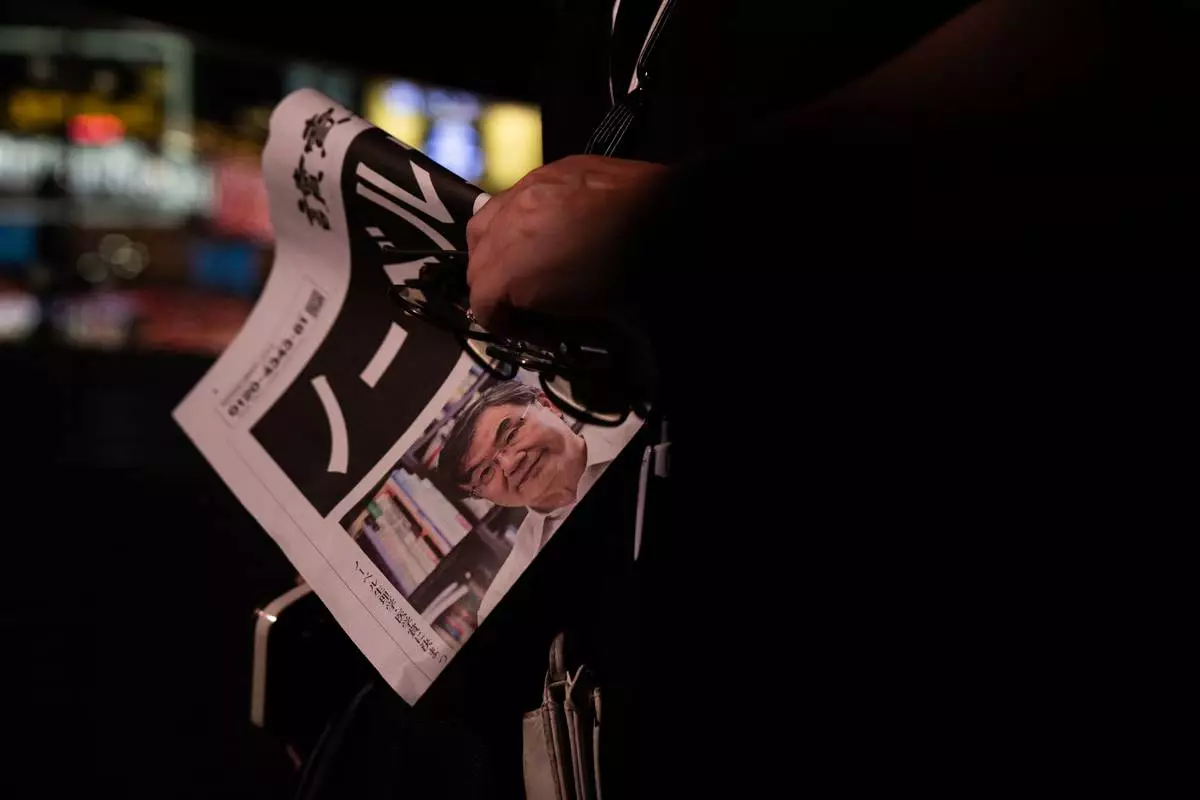
A person holds a copy of an extra edition of Japan's Yomiuri Shimbun reporting on Japanese Dr. Shimon Sakaguchi winning the Nobel Prize in medicine, along with scientists Mary E. Brunkow and Fred Ramsdell, for their discoveries concerning peripheral immune tolerance, in Tokyo, Japan, Monday, Oct 6, 2025. (AP Photo/Louise Delmotte)
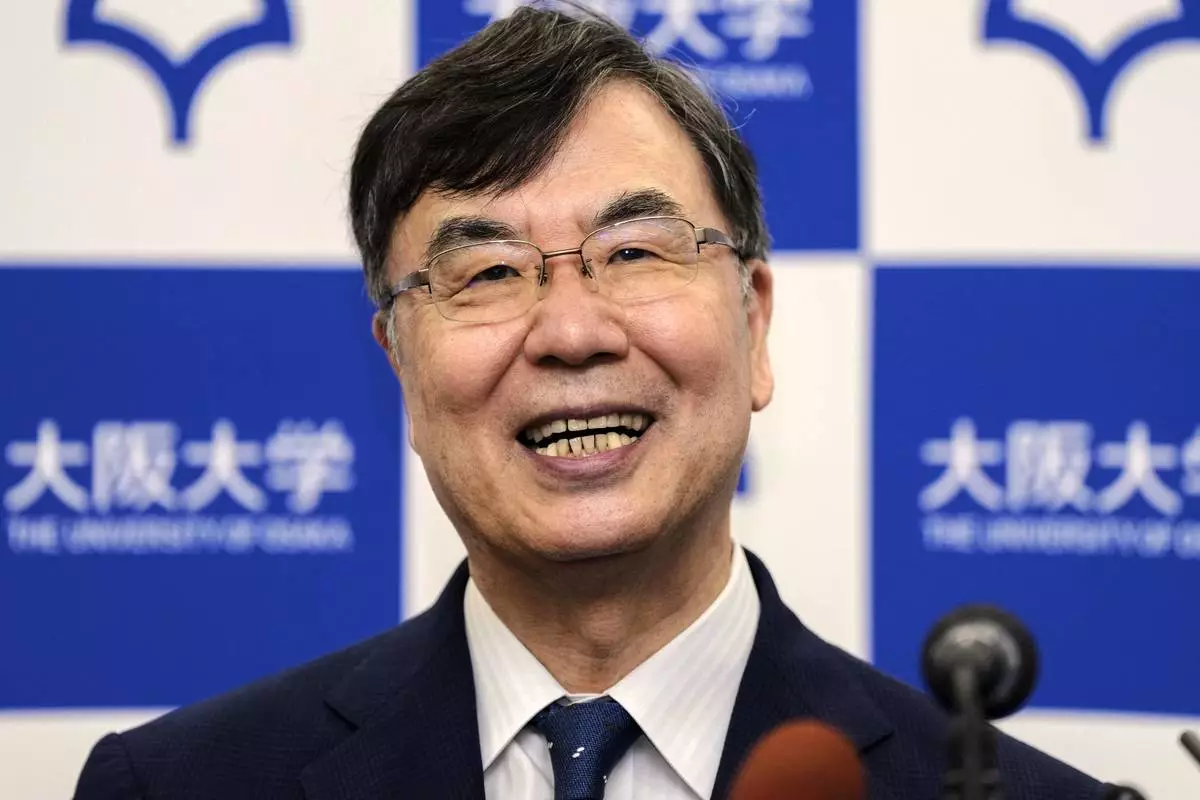
Osaka University professor Dr. Shimon Sakaguchi reacts as he speaks at a news conference in Suita, near Osaka, western Japan, Monday, Oct. 6, 2025, after he won the Nobel Prize in medicine. (Shohei Miyano/Kyodo News via AP)
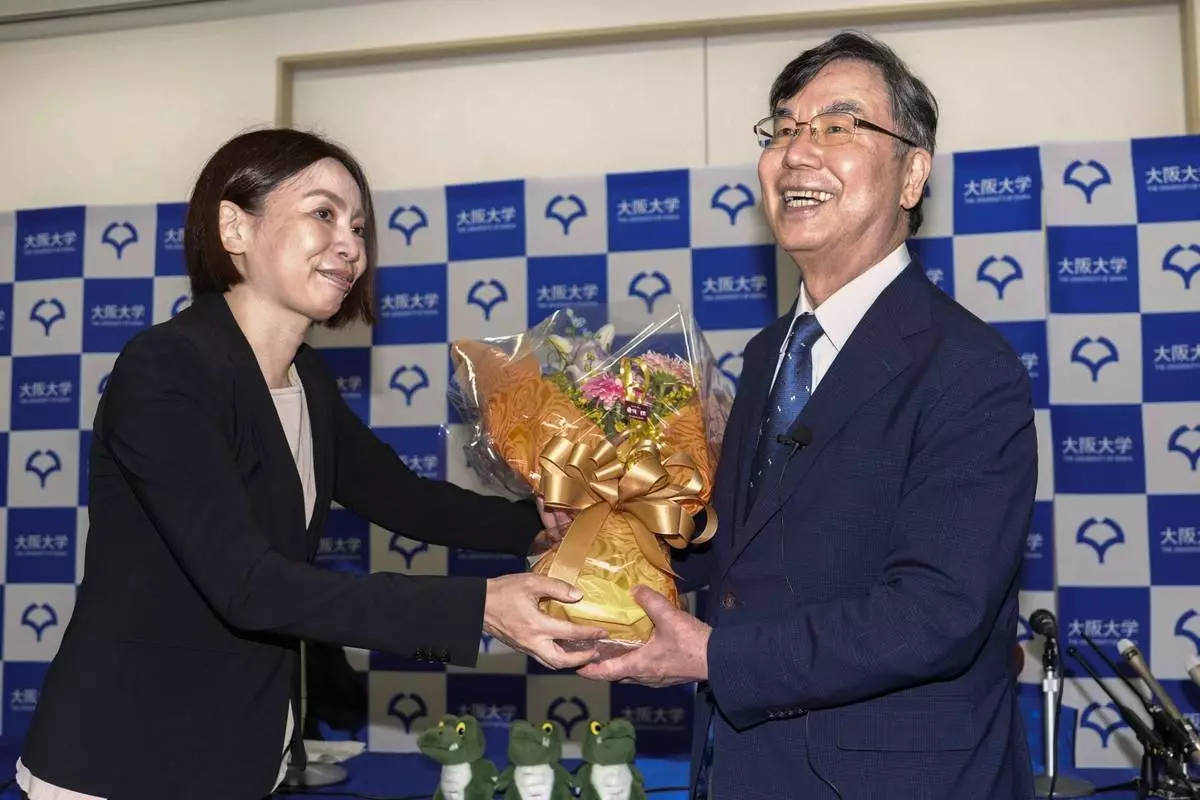
Osaka University professor Dr. Shimon Sakaguchi, right, receives flowers at a news conference in Suita, near Osaka, western Japan, Monday, Oct. 6, 2025, after he won the Nobel Prize in medicine. (Shohei Miyano/Kyodo News via AP)
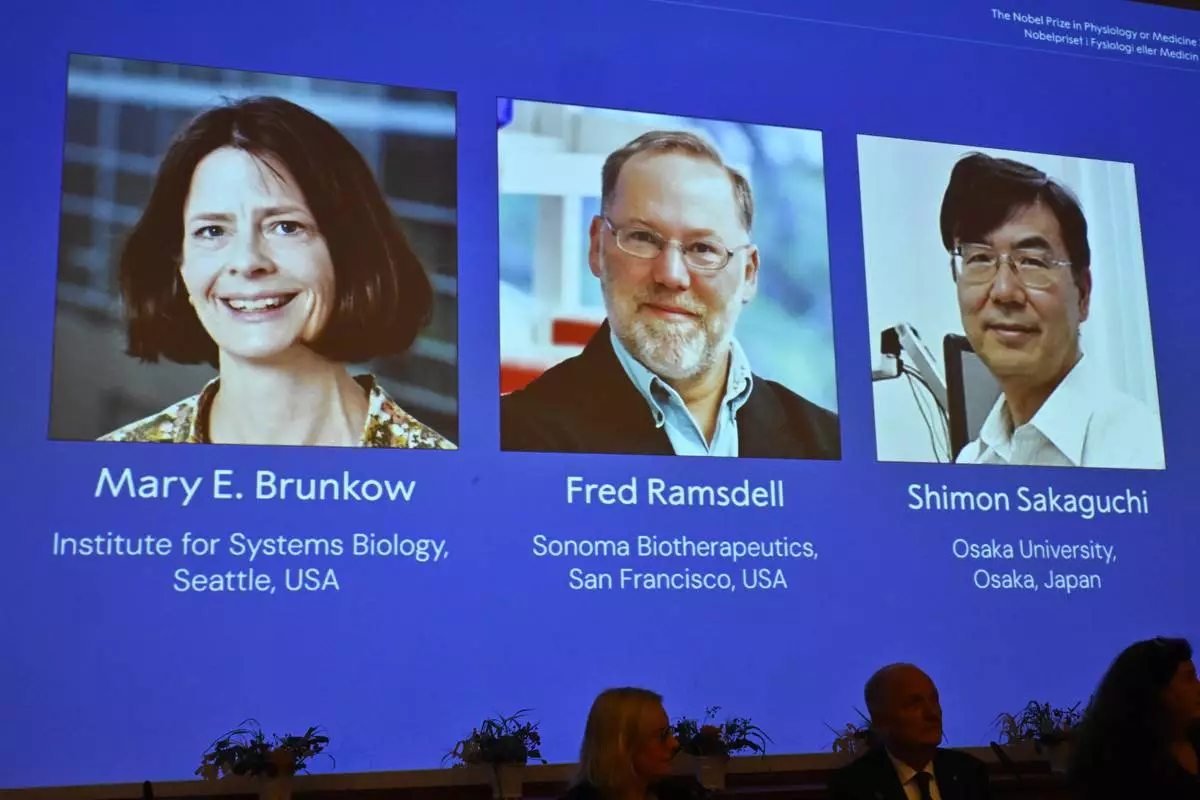
A screen showing the photos of Mary E Brunkow, Fred Ramsdell and Shimon Sakaguchi who were awarded the Nobel Prize in Medicine or Physiology, at the Nobel Assembly of the Karolinska Institutet, in Stockholm, Sweden, Monday, Oct. 6, 2025. (Claudio Bresciani/TT News Agency via AP)
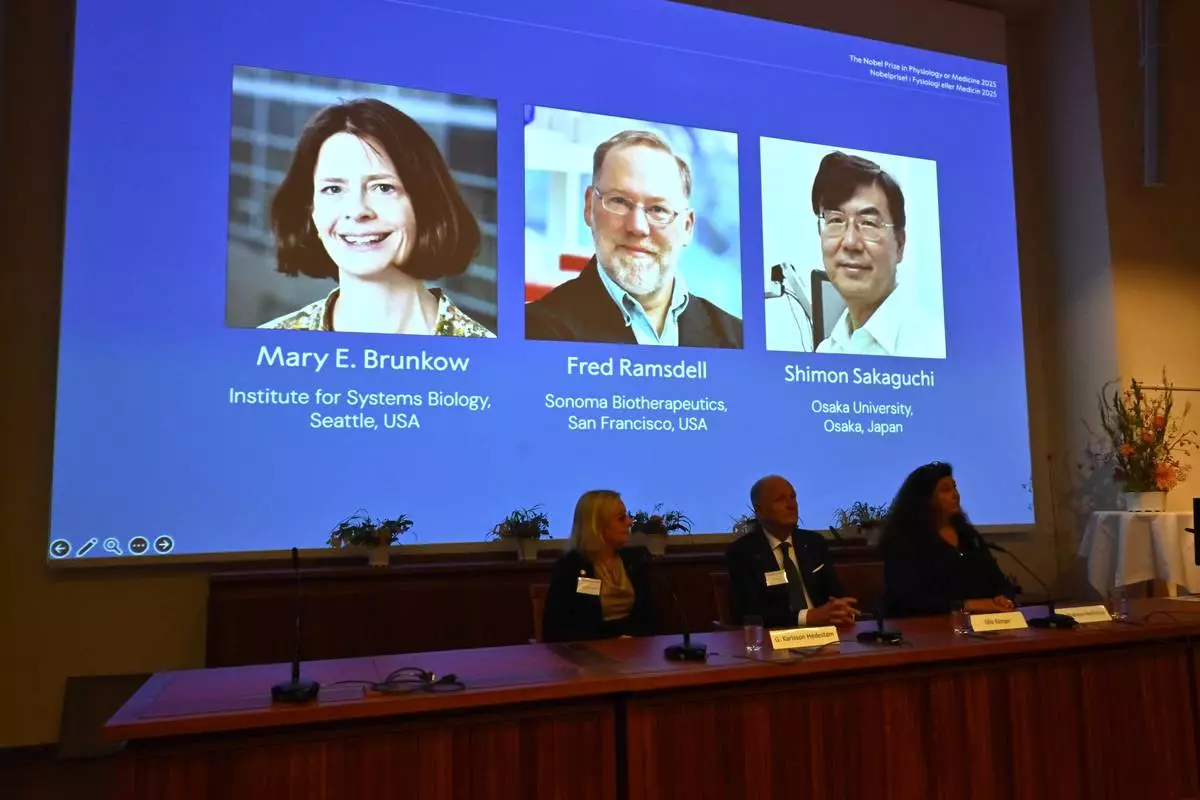
A screen showing the photos of Mary E Brunkow, Fred Ramsdell and Shimon Sakaguchi who were awarded the Nobel Prize in Medicine or Physiology, at the Nobel Assembly of the Karolinska Institutet, in Stockholm, Sweden, Monday, Oct. 6, 2025. (Claudio Bresciani/TT News Agency via AP)
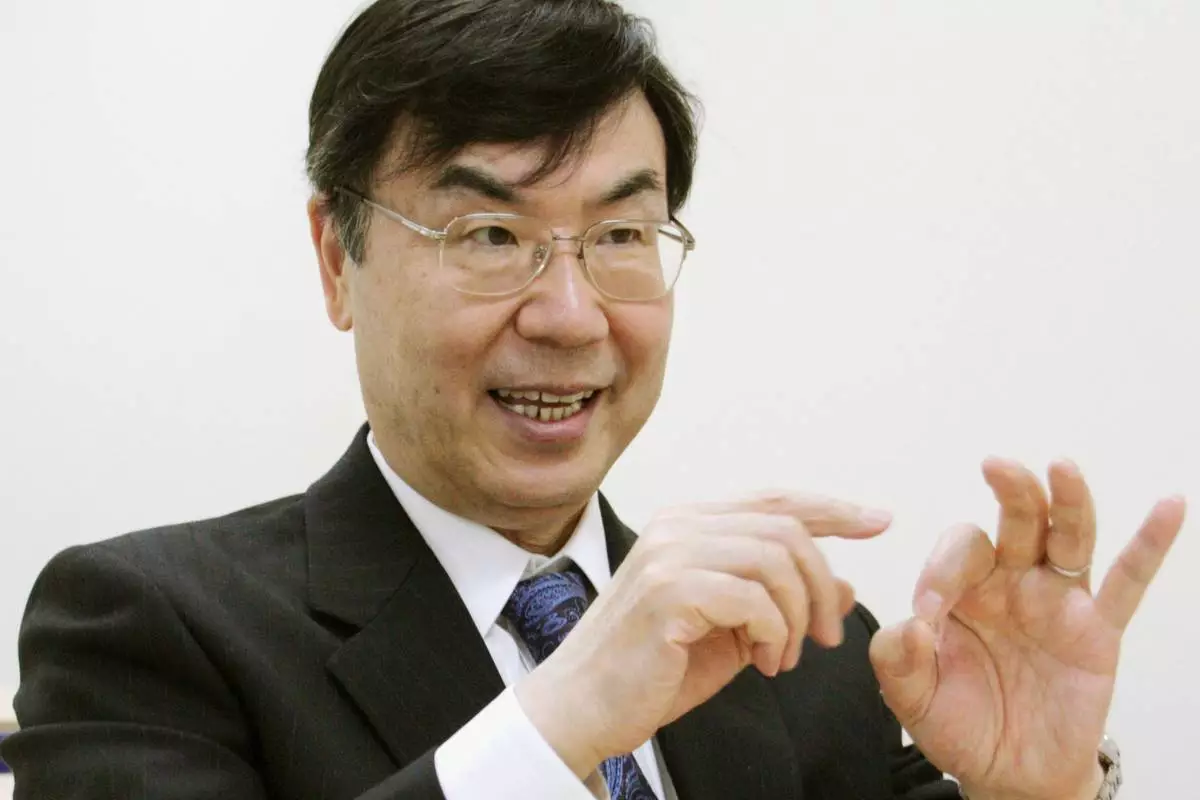
Osaka University professor Shimon Sakaguchi, one of two Japanese professors selected for the 2015 Canada Gairdner International Awards, speaks in an interview in Osaka, western Japan, March 24, 2015. (Kyodo News via AP)
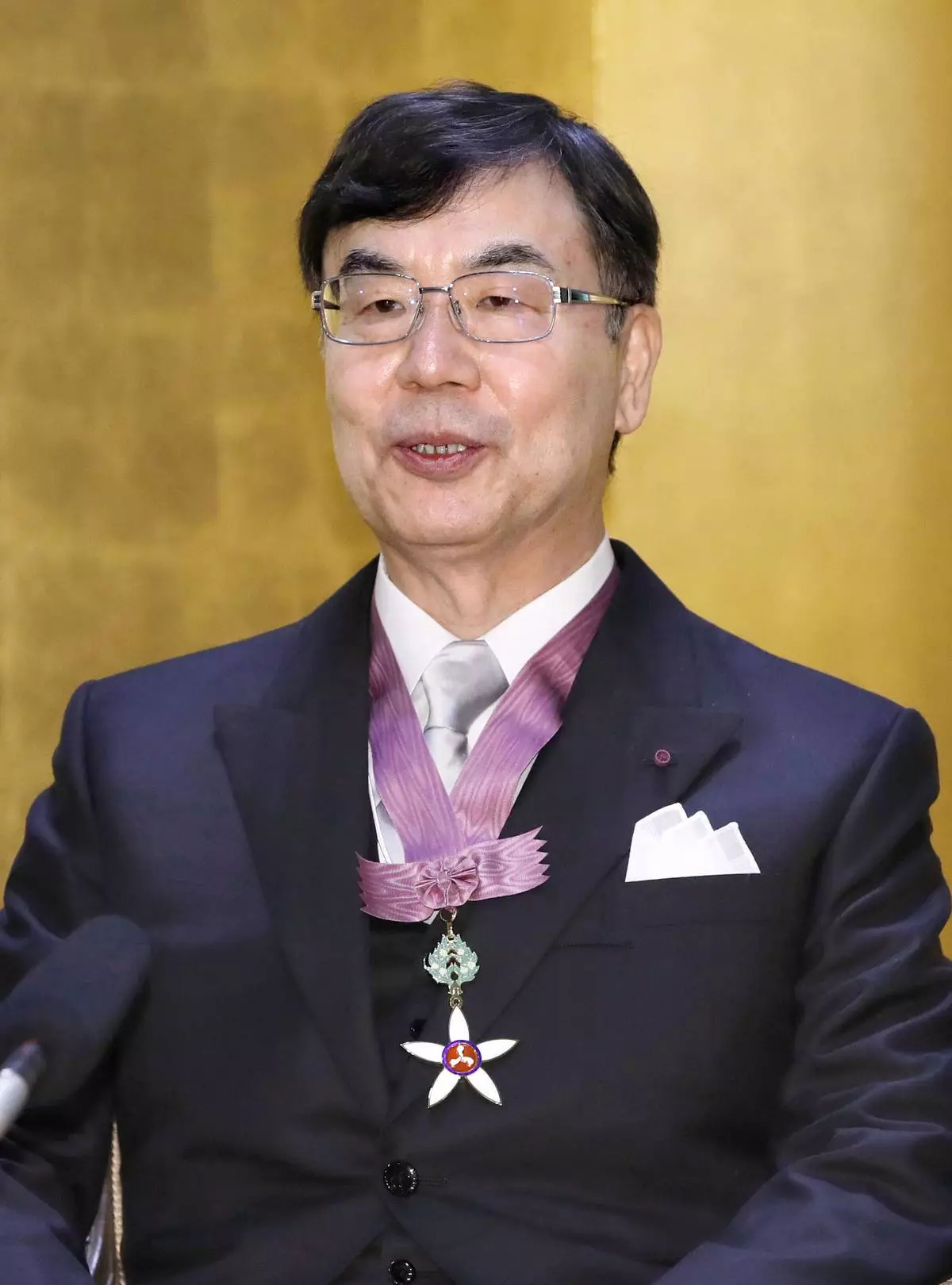
Shimon Sakaguchi speaks during a news conference after receiving an award of culture from Japan's Imperial Household Agency in Tokyo, Nov. 3, 2019. (Kyodo News via AP)
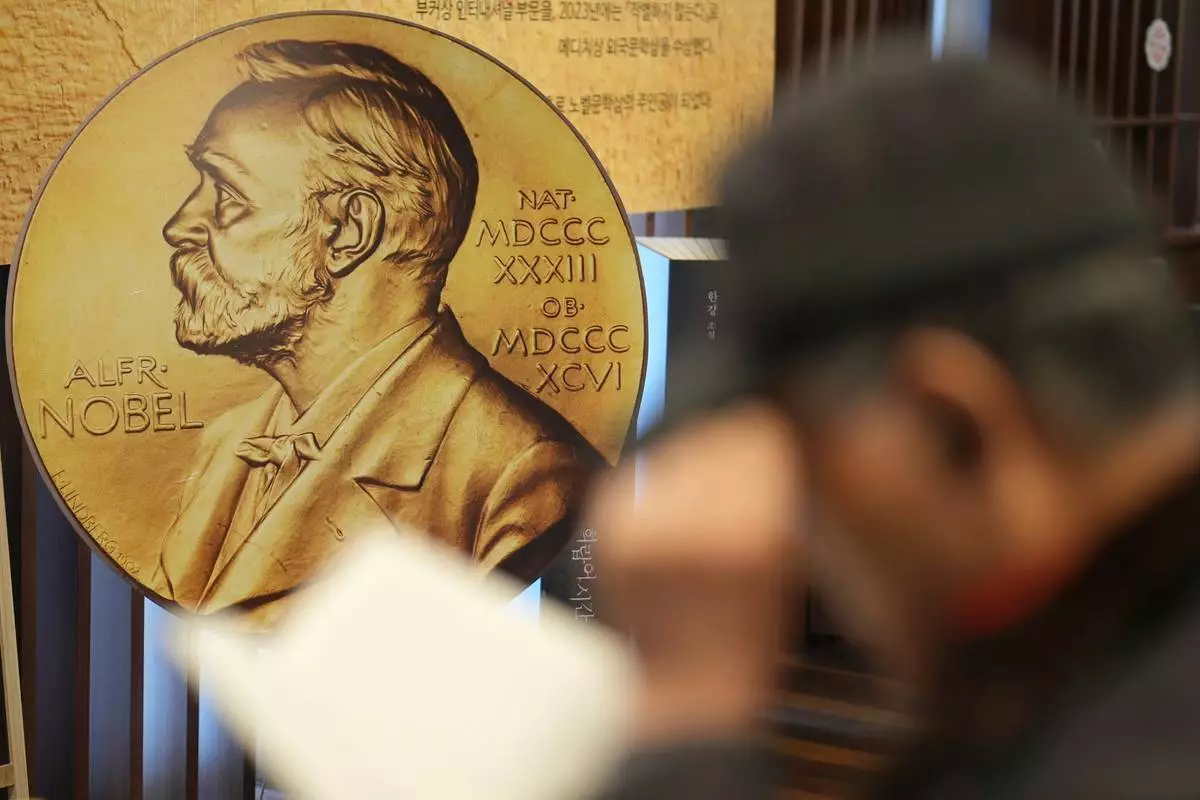
FILE - A visitor reads a book written by South Korean author Han Kang, this year's winner of the Nobel Prize in Literature, at a special section of a bookstore in Seoul, South Korea, Tuesday, Dec. 10, 2024. (AP Photo/Lee Jin-man, File)
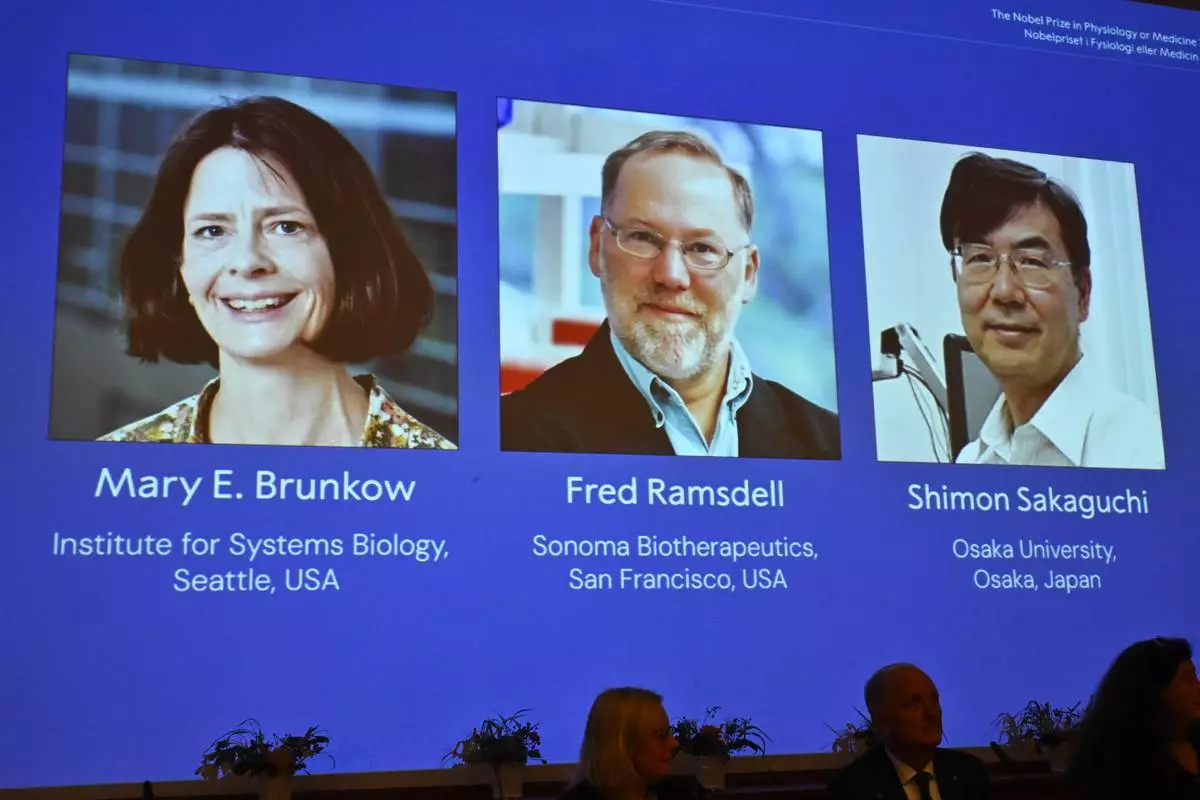
A screen showing the photos of Mary E Brunkow, Fred Ramsdell and Shimon Sakaguchi who were awarded the Nobel Prize in Medicine or Physiology, at the Nobel Assembly of the Karolinska Institutet, in Stockholm, Sweden, Monday, Oct. 6, 2025. (Claudio Bresciani/TT News Agency via AP)
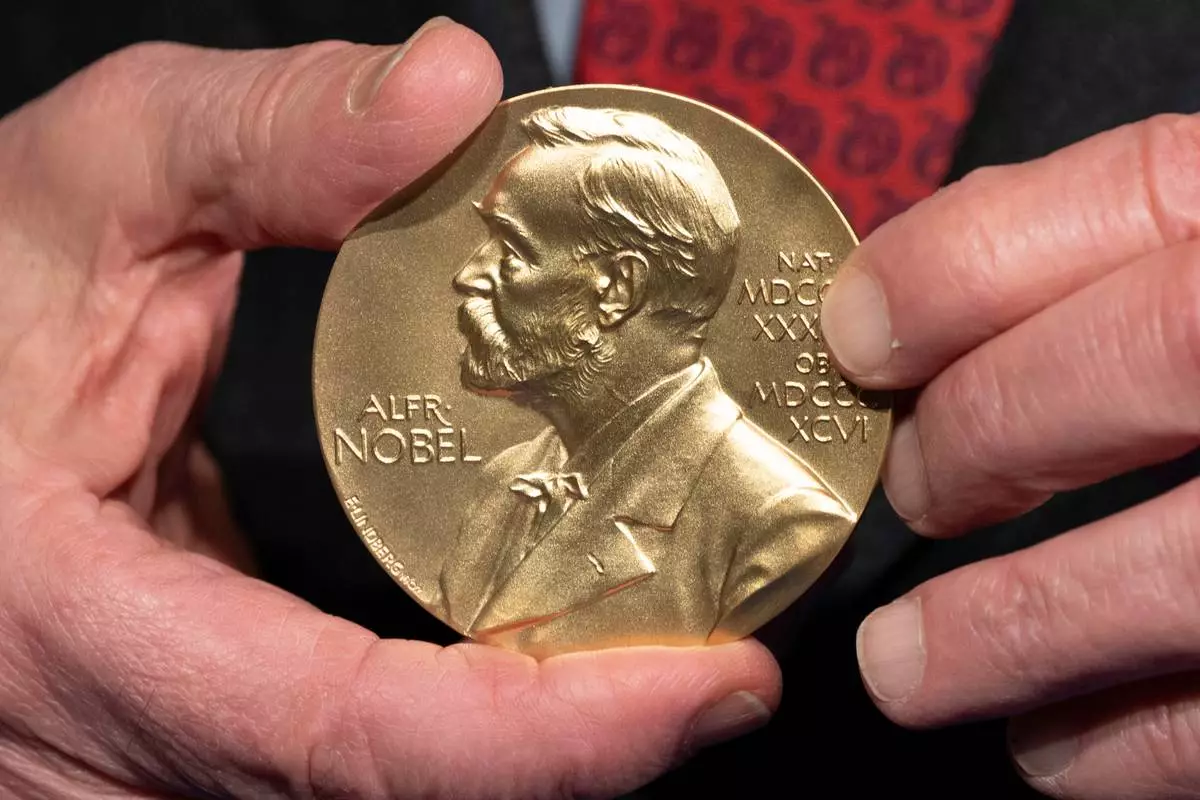
FILE - A close-up view of a Nobel Prize medal at the National Institutes of Health (NIH) in Bethesda, Md., Tuesday, Dec. 8, 2020. (AP Photo/Jacquelyn Martin, File)