Skip to Content Facebook Feature Image

Popular new mooncake flavors reflect regional specialties, evolving tastes

China

China

China

Popular new mooncake flavors reflect regional specialties, evolving tastes

2025-10-07 01:03 Last Updated At:03:17

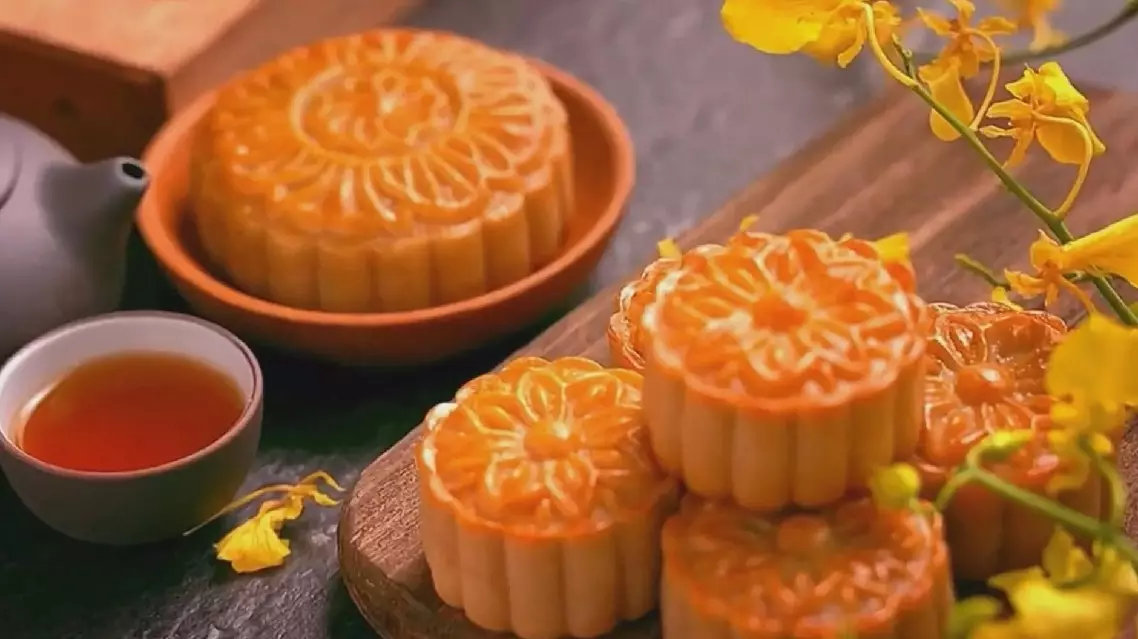
The ever-present mooncakes that are a key part of China's Mid-Autumn festival are getting a new twist this year, with different fillings that evoke regional specialties to cater to evolving tastes.

The Mid-Autumn Festival, celebrated annually on the 15th day of the eighth month on the Chinese calendar, falls on Monday this year.

As one of China's most important traditional holidays, it is a joyous time when family members appreciate the full moon together and share mooncakes, to mark the harvest season and an occasion of family reunion.

In Qingdao City in east China's Shandong Province, one local baker has replicated renowned local landmarks hon mooncake crusts. The designer of these cultural and creative mooncakes said that it took nearly three months for more than 20 people to select the landmarks, finalize the design, and package the small treats.

"When tourists come, they can take away a product that holds a unique memory of Qingdao. It is not only delicious but also leaves an impression of Qingdao on them," said Tian Xueling, the bakery manager.

This Mid-Autumn Festival, long beans, a specialty of Shandong, are being mixed with braised meat and used to fill mooncakes, which have become a firm favorite among local mooncake aficionados, and those further afield.

"My classmate from out of town saw that this long bean mooncake was very popular online and asked me for a favor to buy some and send them to him," said mooncake lover Liang Siyu.

In Hengdong County, a district in Hengyang City in central China's Hunan Province, the most distinctive local specialty, yellow hot pepper, is being used to fill mooncakes that pack a punch and appeal to the local taste for something spicy.

"We have sold more than 10,000 of these mooncakes. Many customers came specially to buy the yellow hot pepper and shredded pork mooncake," said Jin Zhiwei, who runs a mooncake store.

"The initial taste is mainly sweet, but it has a slight spiciness that lingers. I also bought some to share with my relatives and friends," said Lang Hui, a customer.

Pomelo mooncakes from south China's Guangxi Zhuang Autonomous Region and beef mooncakes from southwest China's Sichuan Province are also among the new varieties adding modern flavors to this traditional holiday sweet.
Popular new mooncake flavors reflect regional specialties, evolving tastes
Popular new mooncake flavors reflect regional specialties, evolving tastes

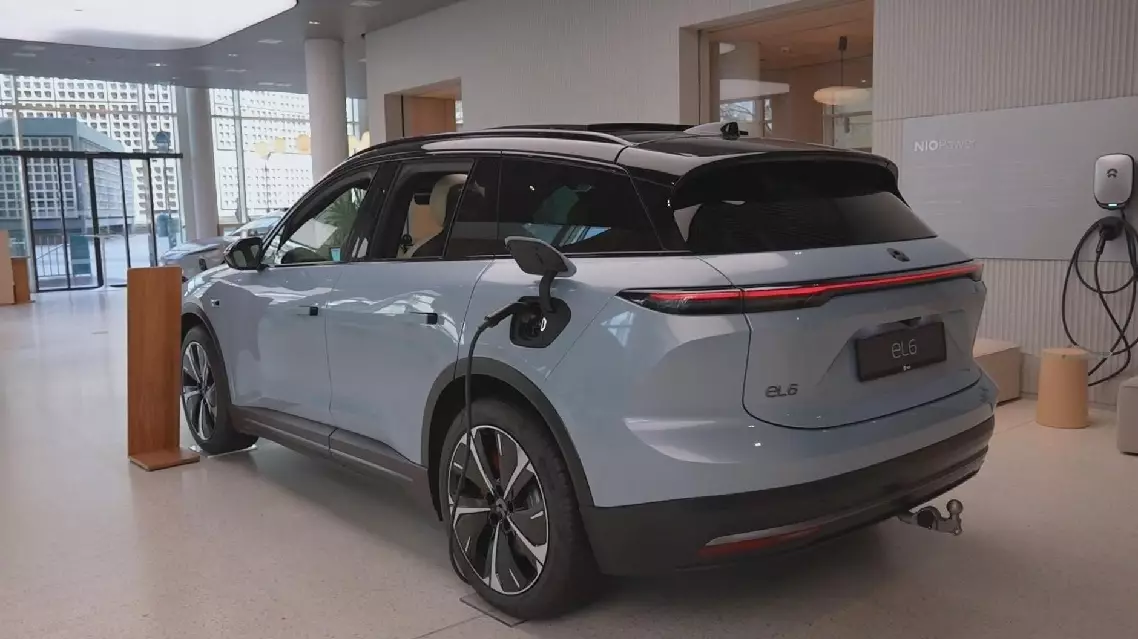
An increasing number of German consumers are considering buying electric vehicles (EVs) in the face of high fuel prices, according to a recent survey by the largest German online car trading platform, mobile.de.

As the Middle East tensions continue to drive up international oil and gas prices, the cost of automotive fuel has been rising steadily in many European countries.

According to fuel price data compiled by the German Association of the Automotive Industry, since the United States and Israel launched military strikes against Iran on February 28, gasoline prices in Germany have risen by nearly 20 percent, while diesel prices have shot up by more than 30 percent.

Results from a recent survey by mobile.de show that if gasoline prices remain at current high levels, 43 percent of respondents said they would switch to EVs, and 36 percent cited long-term cost savings as the most important reason for considering an EV purchase.

Additionally, the platform's data show that inquiries about used EVs surged by 66 percent in the first half of March.

"We are absolutely seeing much more interest on mobile.de for electric cars. What the German energy transition couldn't do, this current geopolitical situation has done in terms of transition to electric cars," said Ajay Bhatia, CEO of mobile.de.

In addition to high oil prices, government subsidies are also a key factor driving German consumers to consider purchasing EVs.

The German government announced the resumption of subsidies in January of this year, planning to invest 3 billion euros over the next few years to provide purchase subsidies for some 800,000 EVs.

Driven by the combined effects of high oil prices and subsidy policies, German consumers' interest in EVs has grown clearly. However, it remains to be seen whether this shift will evolve into a more sustained market trend.

"How long it will stay is anyone's guess, but at the moment we're absolutely seeing an increase, and sometimes these transitions need a catalyst. And this is definitely a catalyst that is seeing the transition to electric cars speed up," said Bhatia.

More Germans interested in buying EVs due to high oil prices: survey

More Germans interested in buying EVs due to high oil prices: survey

Recommended Articles