The ancient village of Hongcun in Yixian County, east China's Anhui Province held a dazzling lantern parade on Sunday night to celebrate the Mid-Autumn Festival, bringing locals and visitors together to enjoy the holiday.
As night fell, a long procession of hundreds of lantern bearers wound through the stone lanes of the thousand-year-old village like a glowing dragon. Lanterns shaped like Chinese zodiac animals and mythical sacred animal qilin moved through the lanes to the beat of drums.
Visitors admired the moon shimmering on the water, watched fireworks illuminate the ancient rooftops, and immersed themselves in the festive atmosphere.
"It’s so romantic here. Watching the lantern parade moved me to tears," said a tourist.
The Mid-Autumn lantern parade has been a cherished local tradition in Hongcun for generations. This year's celebration blended traditional customs with new interactive experiences such as lantern-making workshops and poetry recitals, inviting visitors to savor the cultural charm of this ancient place.
The festival, celebrated annually on the 15th day of the eighth month on the Chinese lunar calendar, falls on Monday this year.
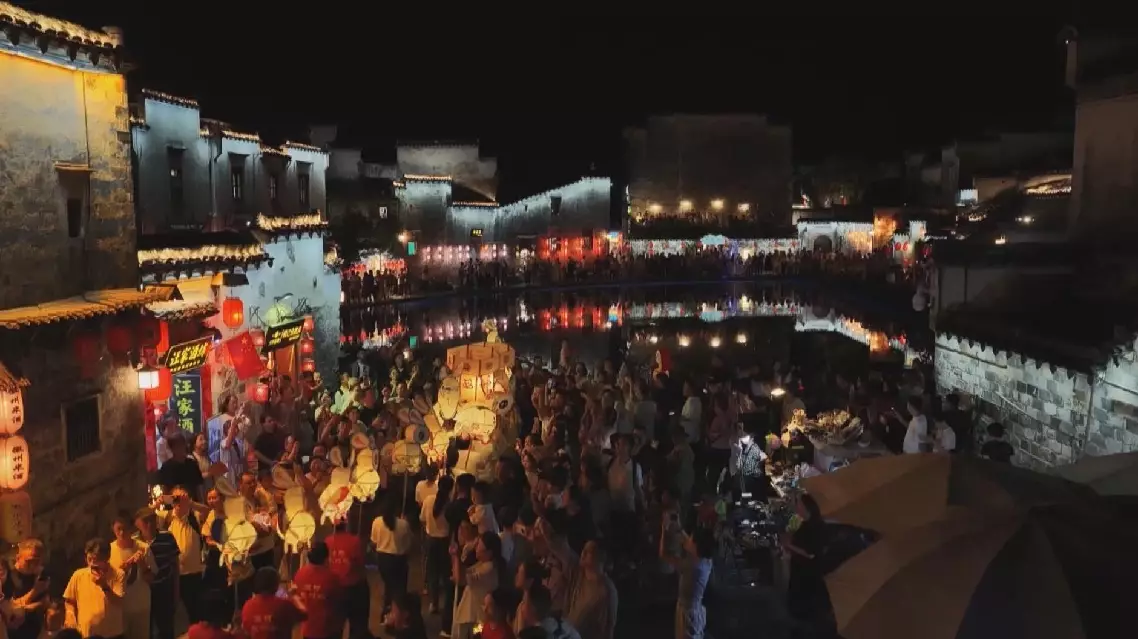
Ancient village in Anhui lights up for Mid-Autumn Festival with lantern parade
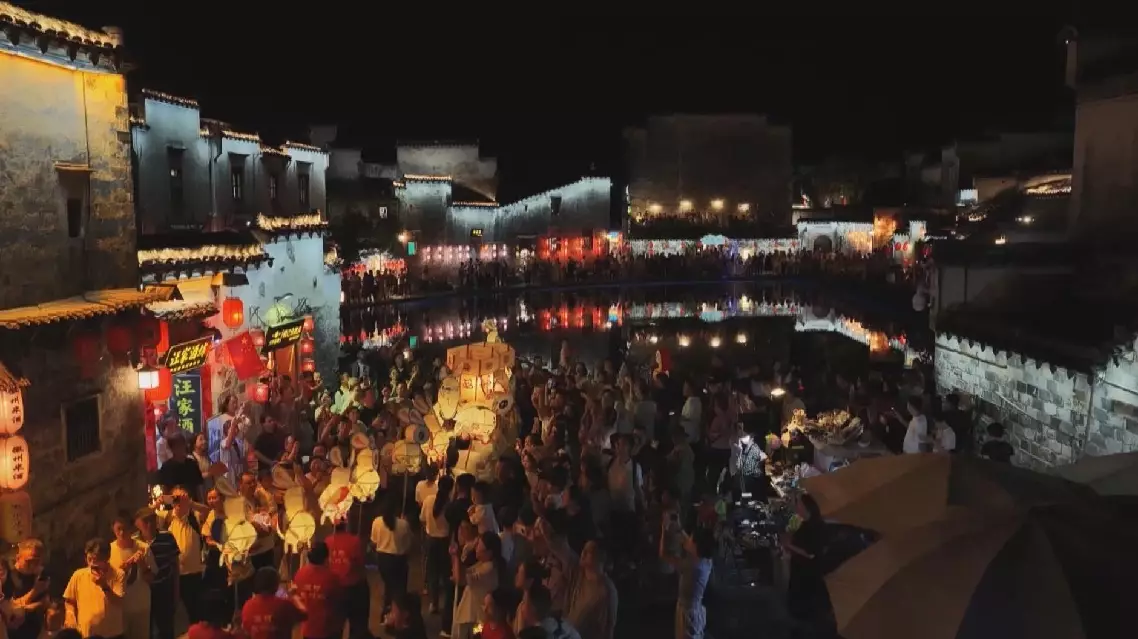
Ancient village in Anhui lights up for Mid-Autumn Festival with lantern parade
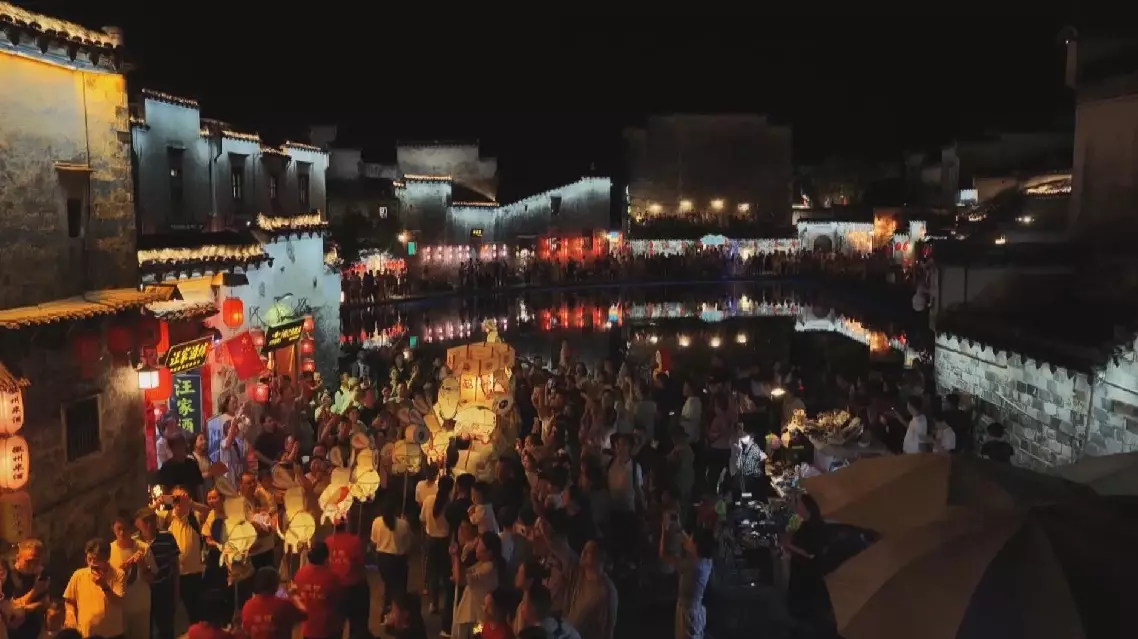
Ancient village in Anhui lights up for Mid-Autumn Festival with lantern parade
Geopolitical concerns, high ticket prices, and the logistics of getting to and from games across Canada, the United States and Mexico are making many football fans think twice about making the big trip to see the 2026 FIFA World Cup this summer.
The expanded 2026 tournament will feature a record number of 48 teams and see the competition being hosted across three countries for the first time, with matches scheduled to take place in the U.S., Mexico and Canada from June 11 to July 19.
The final line-up for the footballing showpiece was finalized on Tuesday as several national teams battled it out in the play-offs, bringing an end to a hard-fought qualifying campaign that spanned nearly three years.
Bars and pubs across the football-loving city of Munich were packed as fans tuned in to see who would secure the last remaining spots and take their place among the 48 teams.
Germany, who last won the tournament in 2014 and also hosted the 2006 edition of the World Cup, is again expected to perform well and would normally take along a sizable traveling support.
However, many German fans are feeling less enthusiastic this time around, with many saying the huge distances between matches and the extortionate ticketing costs are putting them off.
"On the one hand, I naturally want to take in the atmosphere at the football matches, but I also don't want a huge amount of organizational drama surrounding it," said Marcel Meister, a football fan in Munich.
"The ticket prices are insane and I wouldn't spend that much for a football game," said another named Maxi.
"I wouldn't go to the U.S. for the World Cup because the United States are not really a (country) of football," said Niclas Wilker, another fan.
The run up to the World Cup has also seen concerns rising over potential security issues, with many foreign fans worried about incidents stemming from the heavy-handed tactics deployed by the United States' Immigration and Customs Enforcement (ICE) agents.
In addition, the escalating situation in the Middle East amid the U.S.-Israeli-Iran war has created further unease, particularly as several teams from the region, including Iran, are scheduled to participate.
Mark Lovell, an international sports expert based in Germany, said that there are many obstacles that are making fans think twice about heading to watch the World Cup games live.
"[If] you talk to a few normal fans in Germany and there'll be scared by the ticket prices and traveling to America used to be like a normal thing but you've got the whole immigration thing going on there, Immigration and Customs Enforcement (ICE), and America's involved in a war. That's unique in itself, a pretty scary proposition," he said.
According to organizers FIFA, nearly 2 million tickets were sold in the initial two sales phases, driven largely by residents of the host nations, but criticism has come in some quarters about the unfair pricing structures deployed.
Despite this reported high demand, there are also worries that stadiums may struggle to fill out for matches involving some of the smaller nations, especially those whose fans come from countries which are banned from entering the U.S.
"I'm not convinced that FIFA will tell you the whole story. They will say that demand is strong and in line with previous tournaments or if not better but it's hard to get overly excited right now," said Lovell.

Football fans put off by high World Cup ticket prices, geopolitical concerns in US