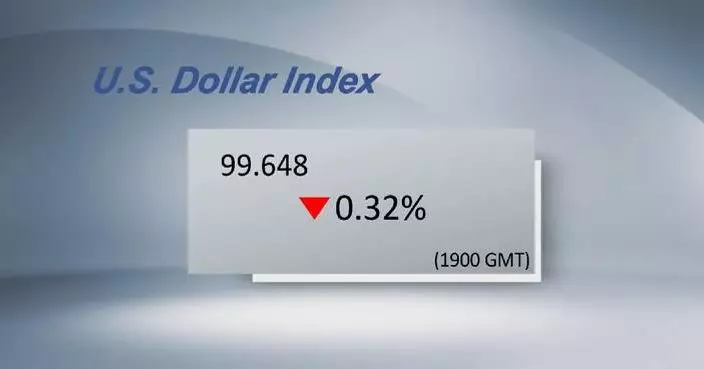
The Polish government has recently rolled out a series of emergency measures to cushion the impact of energy costs on households in light of rising oil prices and increasing inflation risks.
Amid escalating tensions in the Middle East, international crude oil prices have jumped, pushing fuel prices in Poland up by more than 30 percent over the past month. Starting Tuesday, the Polish government began implementing a package of measures aimed at reducing fuel costs. These include lowering the value-added tax on fuel, cutting excise duties to the minimum level permitted under the European Union (EU) regulations, and cracking down on price gouging to maintain market stability.
Notably, gas stations in Poland have seen an increase in customers following the price cuts. Still, many residents believed the reduction is only temporary and that prices will likely rise again in the future.
"Even though the government has lowered prices, they are still high. I think the price cut might last for a while, but it's hard to say how long. I think this is just the beginning and the prices will rise in the future," said Arkadiusz, a local resident.
Polish economist Tomasz Bieliński said that it remains unclear how long the government can sustain these policies, and that rising energy prices are now transmitting pressure to core areas of the macroeconomy. In his view, if oil prices continue to climb, the European Central Bank and other central banks across the EU may be forced to adjust their monetary policies.
"Interest rates were actually reduced in most of the central banks in Europe. But, this reduction will probably stop, because we have rising prices of pretty much everything on the horizon," he said.
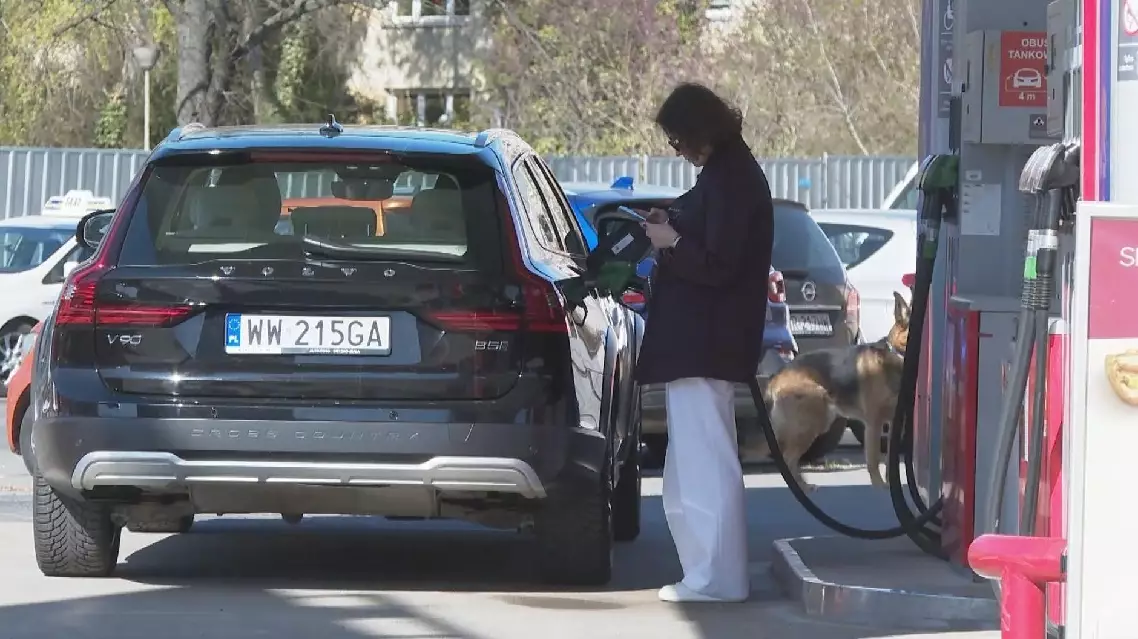
Poland unveils measures to ease pain of soaring oil prices
The Strait of Hormuz transit has remained "at a near halt" over the past month, disrupting energy shipment and affecting the global economy, the latest data from the UN Trade and Development (UNCTAD) showed on Wednesday.
According to the UNCTAD, the maritime traffic through the Strait of Hormuz has fallen by about 95 percent since the U.S.-Israel-Iran conflict, bringing shipping across the strait close to a standstill.
UNCTAD also forecasts that global merchandise trade growth will stand at 1.5 to 2.5 percent in 2026, slowing down from 4.7 percent in 2025.
The agency warned the halt of transit in the Strait of Hormuz could fuel inflation through higher energy prices and the cost of living.
It urged governments to adopt policies to stabilize prices and empower development banks to provide emergency financing.
To tackle the energy and economic impacts of the conflicts in the Middle East, the heads of the International Energy Agency (IEA), International Monetary Fund, and World Bank Group issued a joint statement on Wednesday, saying that they have agreed to form a coordination group to maximize their respective institutions' response to the energy and economic impacts of the ongoing crisis.
The conflicts in the Middle East have caused major disruptions to lives and livelihoods in the region and triggered one of the largest supply shortages in global energy market history, said the joint statement, adding that the three institutions are committed to working together to safeguard global economic and financial stability, strengthen energy security, and support affected countries and people.
Also on Wednesday, Fatih Birol, head of the IEA, said that about 40 key energy facilities have been damaged in the Middle East due to the conflicts, with more than 12 million barrels of oil lost.
He warned that the loss of oil supply in April will be twice the oil loss in March if the conflicts continue.
The IEA is considering a further release of strategic reserves to stabilize the market, said Birol.
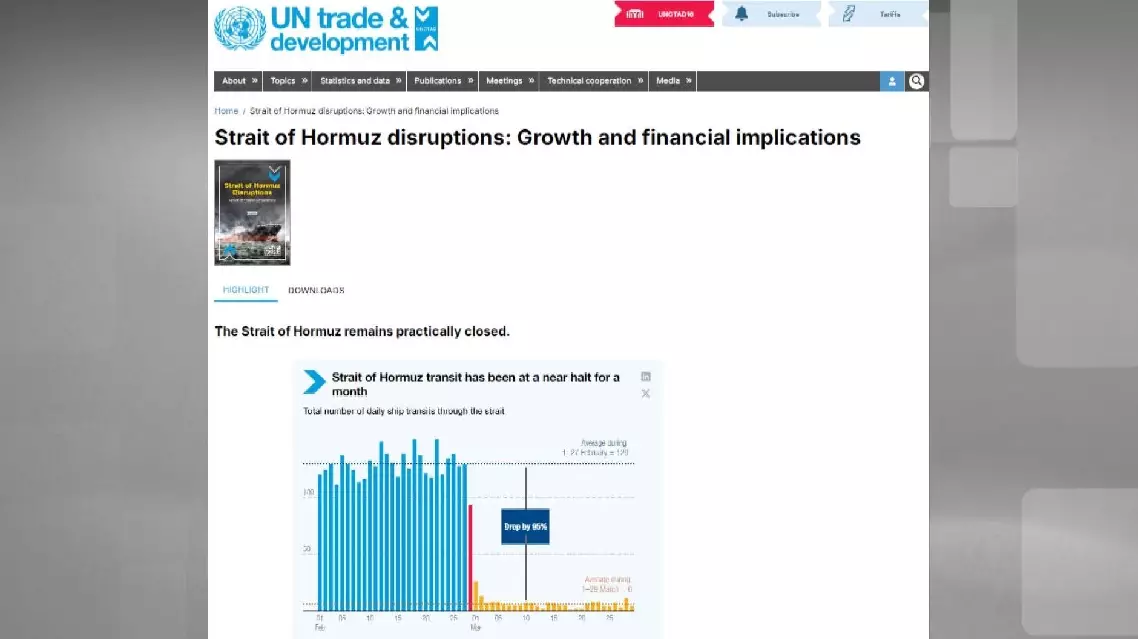
Disruptions at Strait of Hormuz hinder energy transport, global economy: UN report