China will intensify more targeted financial support for technological innovation, including enhancing bank credit support, officials announced at a technology and finance exchange and promotion conference held on Tuesday.
At the conference, jointly organized by the People's Bank of China, the Ministry of Science and Technology and other departments, officials noted that the country will further deepen financial supply-side structural reforms, accelerate building a science-and-technology finance system suited to innovation, and provide higher-quality financial services to support building a strong country in science and technology.
In 2025, loan services for tech-based small and medium-sized enterprises increased, the "technology board" in the bond market grew rapidly, venture capital and private equity investment increased significantly, and the quality and efficiency of financial services for technological innovation improved, said Pan Gongsheng, governor of the People's Bank of China, at the conference.
"In terms of lending, loans to tech-based small and medium-sized enterprises increased by 19.8 percent year on year at the end of 2025, maintaining a growth rate of around 20 percent for a third straight year. Sci-tech innovation bonds reached a total issuance of 2.1 trillion yuan (about 305.59 billion U.S. dollars), with 1.2 trillion yuan placed in the interbank market. We will further enhance the professional capabilities of financial services and give full play to the role of policy-backed science and technology financial instruments," said Pan.
China's Nasdaq-style sci-tech innovation board, known as the STAR market, also channeled more capital to relevant areas to support technological innovation, according to officials from the China Securities Regulatory Commission.
Currently, over 600 firms have been listed on the STAR market, raising a total of 960 billion yuan, said the officials.
On the Shanghai and Shenzhen stock exchanges, firms in strategic emerging industries now account for over 40 percent of total market capitalization, they said.
"We will continue to uphold a capital investment system targeting early-stage, small-scale, long-term and high-tech projects, and promote the aggregation of innovative elements such as capital, talent, technology, and data towards enterprises," said Yin Hejun, Minister of Science and Technology.
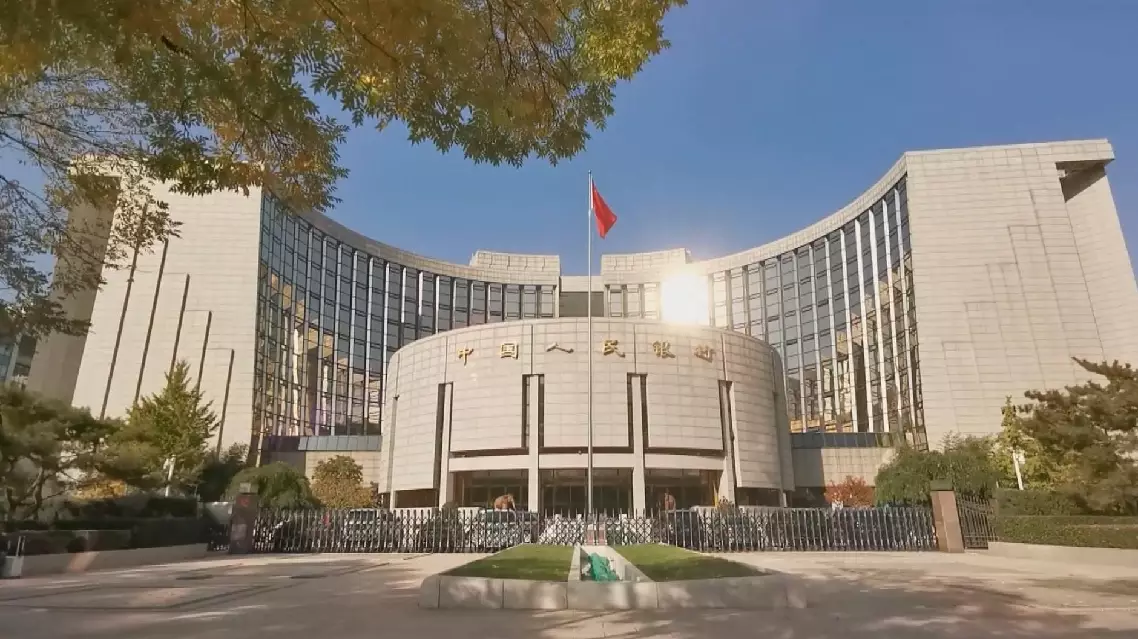
China vows to ramp up more targeted financial support for tech innovation