BOGOTA, Colombia (AP) — As gold prices hover at record highs, a leading Catholic leader in Peru’s Amazon is urging countries that are destinations for the precious metal to help stem illegal mining that is poisoning rivers with mercury.
Miguel Ángel Cadenas, an Augustinian from Spain who has lived in Peru’s Amazon for three decades, said illegal mining has surged since the COVID-19 pandemic, citing the Tigre, Nanay, Napo and Putumayo rivers as some areas where communities are at risk.
Click to Gallery
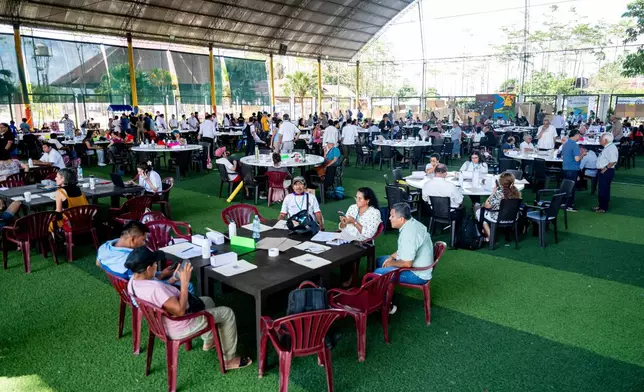
Participants attend an Amazon Water Summit in Iquitos, Peru, Oct. 1, 2025. (AP Photo/Junior Raborg)
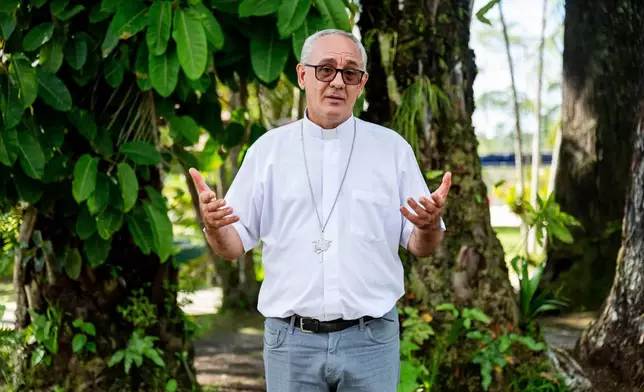
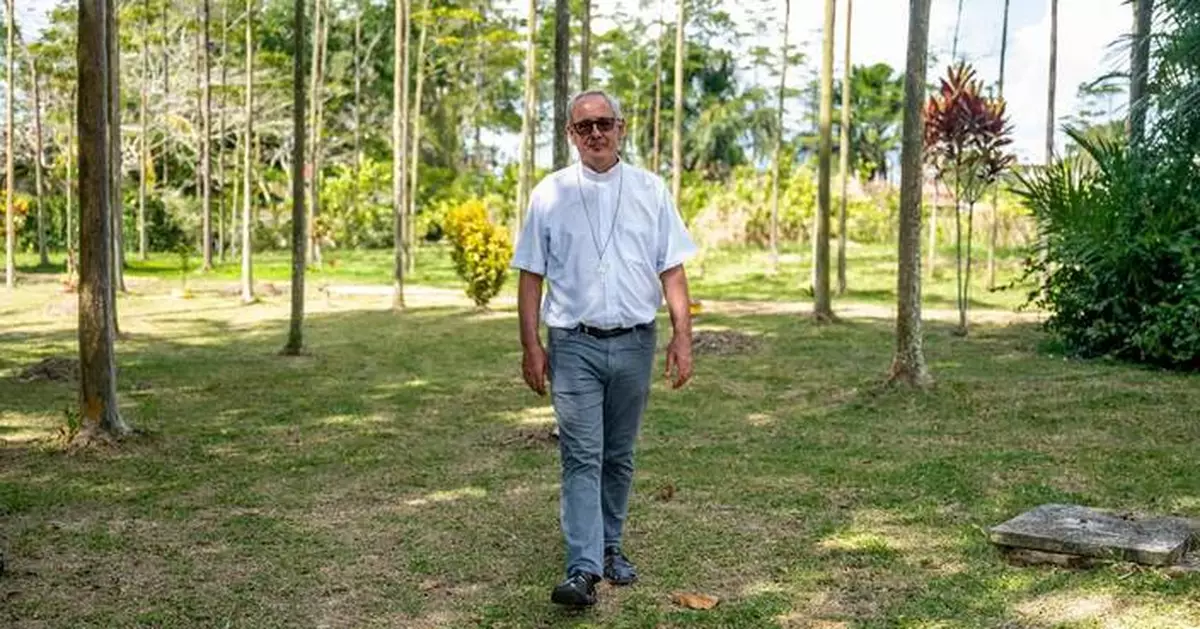
Bishop Miguel Ángel Cadenas speaks while attending an Amazon Water Summit in Iquitos, Peru, Oct. 1, 2025. (AP Photo/Junior Raborg)
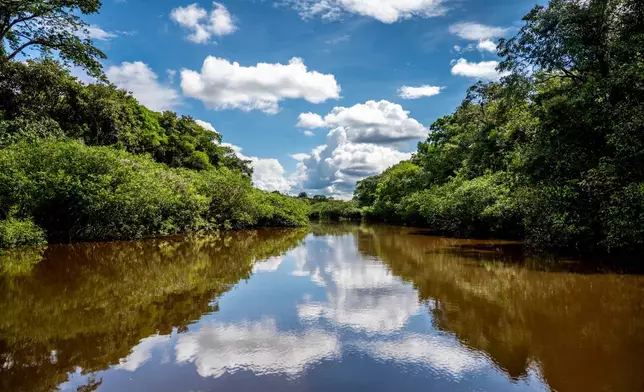
Clouds are reflected in the Tahuayo River, a tributary of the Amazon River, near the city of Iquitos, Peru on Sept. 26, 2025. (AP Photo/Junior Raborg)
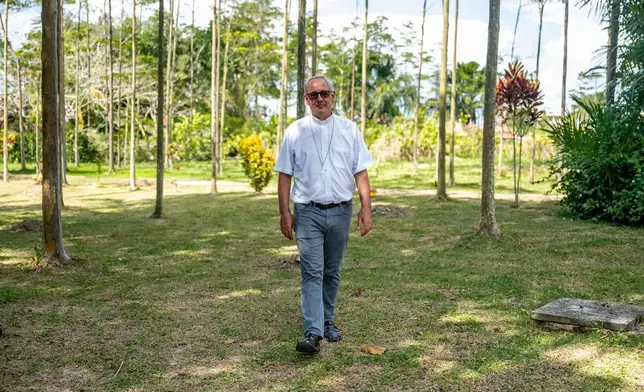
Bishop Miguel Ángel Cadenas attends an Amazon Water Summit in Iquitos, Peru, Oct. 1, 2025. (AP Photo/Junior Raborg)
Tests have found mercury levels in some fish above World Health Organization limits, and hair samples from local residents analyzed by scientists and doctors also showed elevated concentrations.
“We are in a delicate situation,” Cadenas told The Associated Press. “Given that the Amazonian diet is rich in fish, we are talking about food insecurity.”
Mercury is widely used to separate gold during small-scale mining. It contaminates water, accumulates in fish, and builds up in people’s bodies, leading to neurological and developmental harm. Cadenas said the health risks are especially acute in the Amazon, where medical services are scarce.
Research in Peru’s Madre de Dios region found that 43% of women of childbearing age had mercury levels above WHO safety limits, while hair samples in villages along Peru’s Amazon riverways showed nearly 80% of residents exceeded the threshold.
“The majority of people do not understand what is happening. There is barely any information,” Cadenas said. “The state should first provide good information to its own population and then sources of food that allow other alternatives — which do not exist.”
Gold prices are soaring — analysts expect them to average around $3,675 per ounce by late 2025 with possible gains toward $4,000 by 2026, according to JPMorgan.
Analysts say weak traceability systems make it easier for illegally mined gold to slip into global markets. Reports from Switzerland and sustainability researchers focused on environmental, social and governance (ESG) standards say gold tainted with mercury in places like the Amazon is often laundered through refineries before entering jewelry, electronics or national reserves.
Cadenas, who served as a missionary and bishop before being appointed in 2021 to lead the Apostolic Vicariate of Iquitos, stressed that Peru cannot handle the problem alone.
“As long as the price of gold continues to rise, it is very difficult for a national government to manage this situation,” he said. He pointed to gold-buying nations including China, the United Arab Emirates, the United Kingdom and Switzerland.
“The first responsibility should be that those countries buying gold require traceability, so that it is not possible to pass illegal gold into legality so easily,” he said.
Cadenas also warned of growing violence, especially against local environmental defenders in the Amazon region.
Across the Amazon, environmental defenders are frequently targeted — Colombia has led the world in killings for several years, while Peru also ranks among the most dangerous places to speak out against illegal mining and logging.
“There are people who are being threatened with death, and this seems extremely serious to me,” he said, citing reports that illegal miners in remote areas are tied to armed groups, including Colombian FARC dissidents.
Peru has at times tried to rein in illegal mining and mercury use. In 2019 it launched Operation Mercury, a military-police crackdown that sharply reduced deforestation in the La Pampa mining zone, though much of the activity later shifted elsewhere. Authorities also announced record seizures of contraband mercury, including a four-ton shipment at Callao port this year.
Still, Indigenous groups say enforcement is inconsistent, and regional governments across the Amazon warn that cross-border smuggling of mercury continues to fuel illegal mining.
The city of Iquitos hosted the Amazon Water Summit last week, which the vicariate helped organize. Roughly 400 people from Peru, Ecuador, Colombia and Brazil took part in 14 workshops on topics including water and extractivism, climate change and education.
Cadenas noted that Loreto, Peru’s largest Amazonian department, has the country’s lowest access to drinking water — with about 60% of the population lacking potable water and sanitation. Peru’s Constitutional Court ruled two years ago that this amounted to an “unconstitutional state of affairs,” but he said the judgment has yet to be fulfilled.
Cadenas, who said he knows Pope Leo XIV — who spent years in Peru as a missionary and later bishop — fears the situation will worsen unless international action curbs demand for illicit gold.
“Every day that passes there are more people dedicated to illegal mining. While there isn’t serious international pressure, it will be very difficult,” he warned.
Still, he directed a personal plea to those driving the destruction.
“Earning money is fine, but it cannot be at the cost of injustice and the lives of the poorest,” he said.
The Associated Press’ climate and environmental coverage receives financial support from multiple private foundations. AP is solely responsible for all content. Find AP’s standards for working with philanthropies, a list of supporters and funded coverage areas at AP.org.
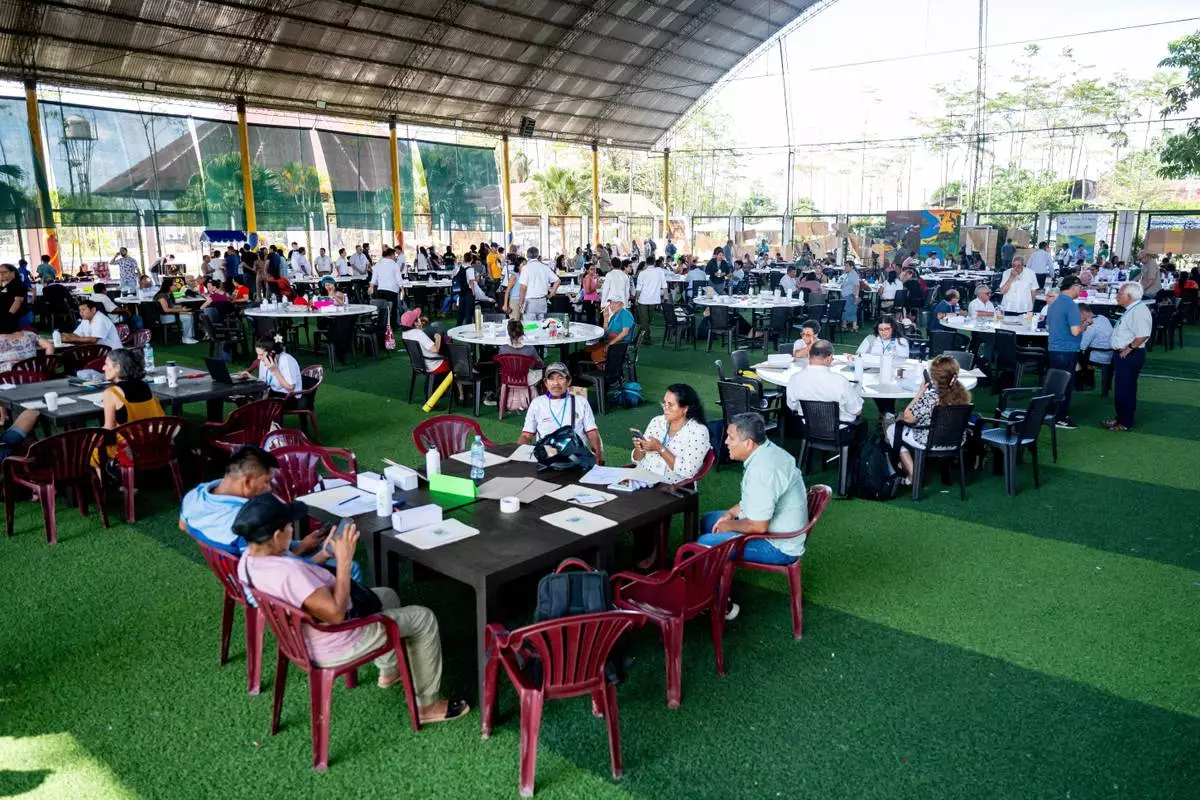
Participants attend an Amazon Water Summit in Iquitos, Peru, Oct. 1, 2025. (AP Photo/Junior Raborg)
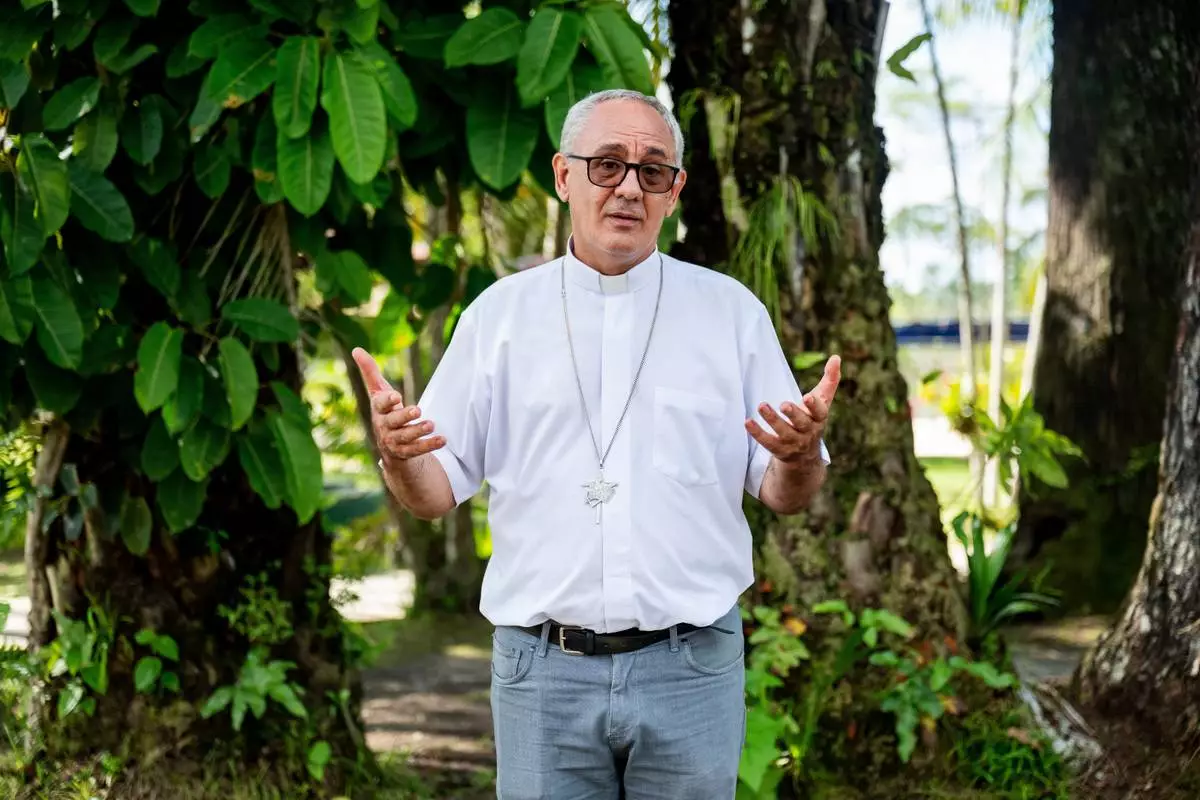
Bishop Miguel Ángel Cadenas speaks while attending an Amazon Water Summit in Iquitos, Peru, Oct. 1, 2025. (AP Photo/Junior Raborg)
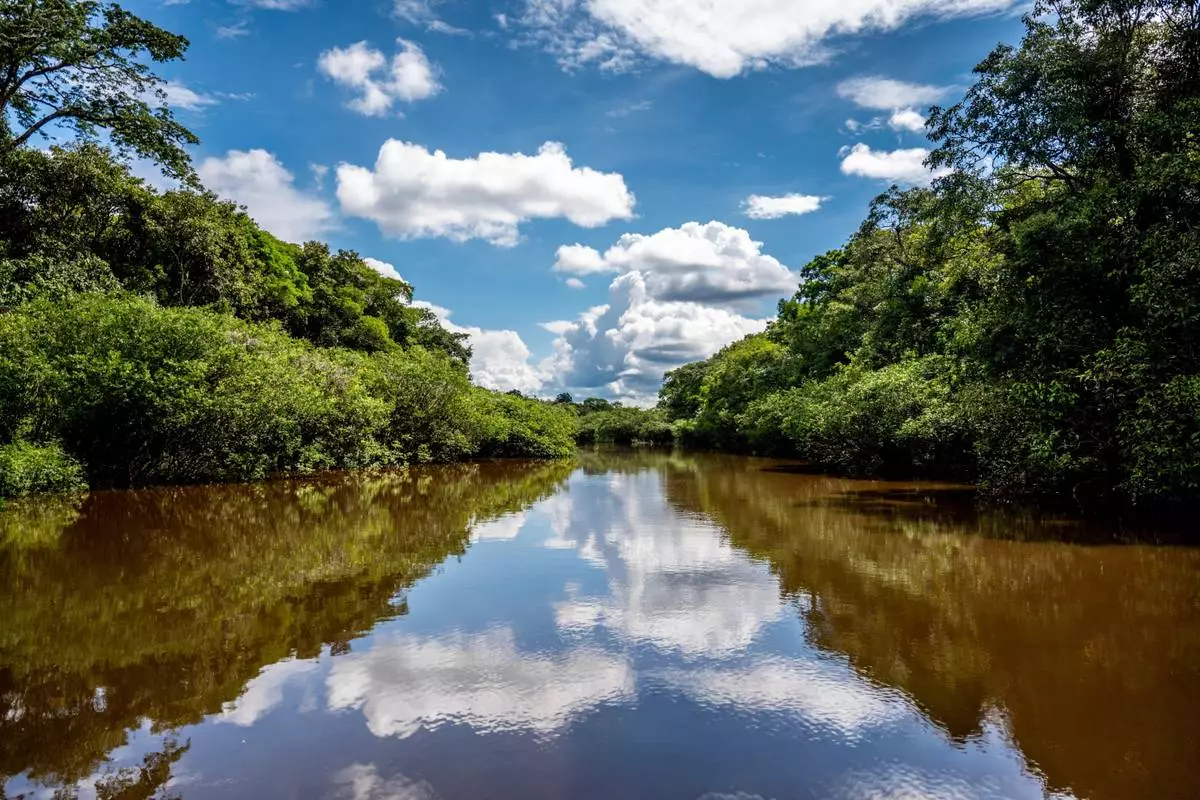
Clouds are reflected in the Tahuayo River, a tributary of the Amazon River, near the city of Iquitos, Peru on Sept. 26, 2025. (AP Photo/Junior Raborg)
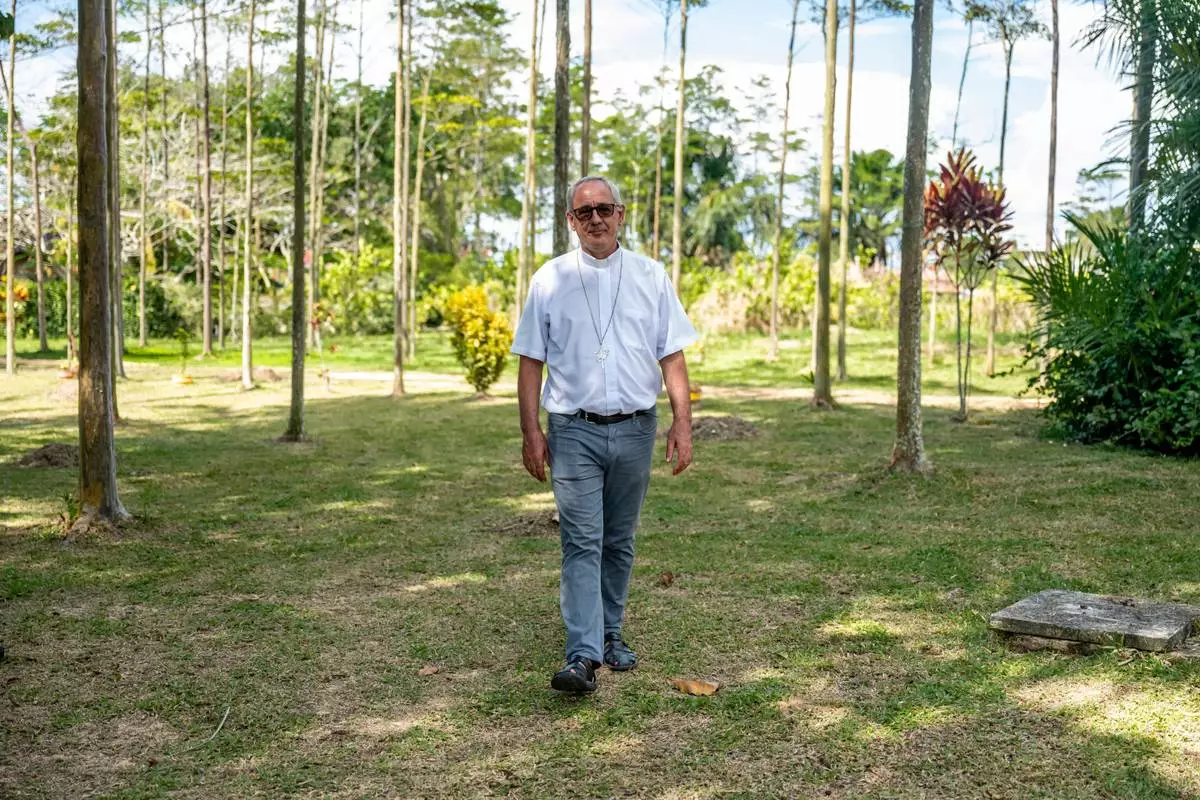
Bishop Miguel Ángel Cadenas attends an Amazon Water Summit in Iquitos, Peru, Oct. 1, 2025. (AP Photo/Junior Raborg)