Skip to Content Facebook Feature Image

Int'l community urges full implementation of Gaza ceasefire agreement

China

China

China

Int'l community urges full implementation of Gaza ceasefire agreement

2025-10-10 09:15 Last Updated At:15:47

World leaders and heads of international organizations on Thursday welcomed the first phase of a ceasefire agreement between Israel and Hamas, calling for its full implementation to end the war and address the humanitarian crisis in the Gaza Strip.

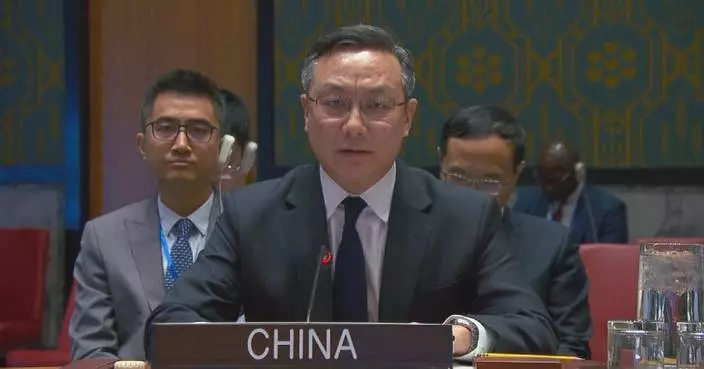
United Nations Secretary-General Antonio Guterres said the UN welcomes the ceasefire agreement and stands ready to support the deal and scale up humanitarian aid.

Guterres said that to turn the ceasefire into real progress requires more than the silencing of the guns. He also stressed the need for safe, sustained humanitarian access and adequate funding from member states.

The Arab League welcomed the ceasefire agreement, Secretary-General Ahmed Aboul Gheit said in a statement. He expressed hope that mediators would succeed in implementing all aspects of the deal, including the exchange of detainees and prisoners, as well as the withdrawal of Israeli forces.

Gheit urged continued diplomatic efforts to guarantee the durability of the deal.

Egyptian President Abdel Fattah el-Sisi hailed the agreement as a "historic moment" on social media, saying it reflects the triumph of peace over war. He said that the deal not only ends the war, but also opens a door of hope for people in the region.

Meanwhile, Iraq, Oman, Jordan and Syria also issued respective statements calling for immediate implementation and unimpeded humanitarian access to Gaza.

Iran's Foreign Ministry said it supports any effort to end the war and "genocide" in Gaza. In a statement, it urged the international community to take the legal and moral responsibility and prosecute those responsible for war crimes, genocide, and crimes against humanity, with an aim of ending the impunity enjoyed by Israel in the region.

Speaking at the Russia-Central Asia Summit in Dushanbe, Tajikistan, Russian President Vladimir Putin said an independent Palestinian state is the primary, indispensable condition for long-term stabilization and the resolution of all issues related to the complex problem in the Middle East.

He also said that he believes the only way to resolve the conflict in the Middle East is through political and diplomatic means, and Russia is prepared to support any peaceful efforts aimed at stopping the bloodshed and bringing peace to the region.

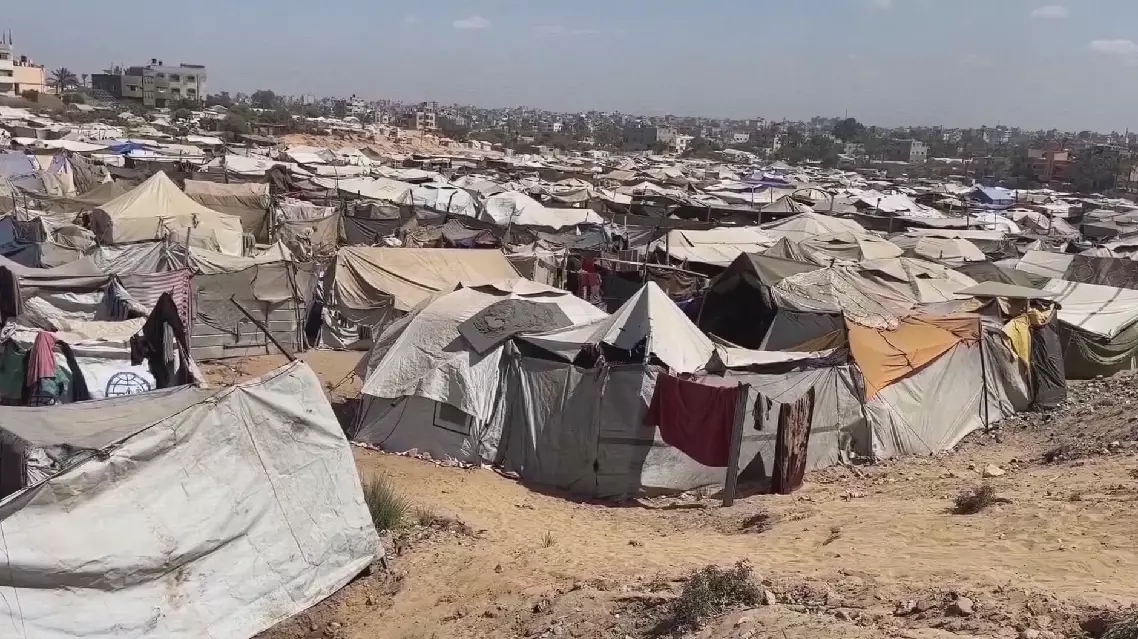
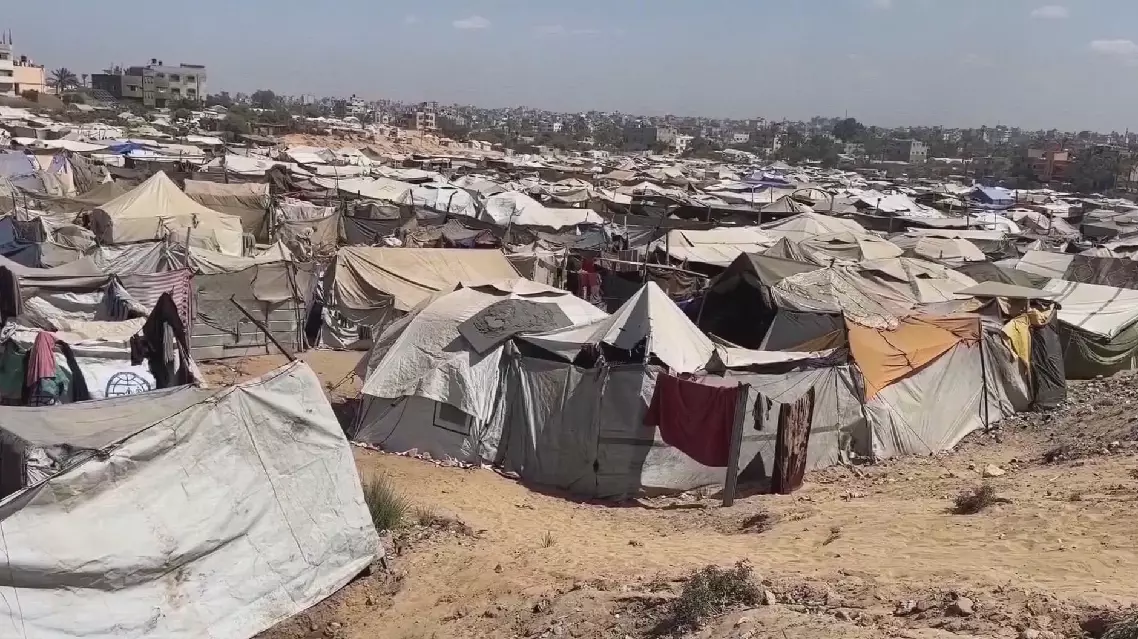
Israel and Hamas on Thursday agreed to a Gaza ceasefire deal, offering a tentative path toward ending the two-year conflict that has killed over 67,000 Palestinians, injured almost 170,000 others, and left the enclave in ruins.

The deal on the "first phase" of a U.S.-backed peace plan, coming after intense negotiations in Egypt's Sharm el-Sheikh mediated by Egypt, Qatar, Türkiye, and the United States, outlines a phased Israeli withdrawal, while establishing mechanisms for prisoner exchanges and humanitarian aid delivery.
Int'l community urges full implementation of Gaza ceasefire agreement
Int'l community urges full implementation of Gaza ceasefire agreement
Int'l community urges full implementation of Gaza ceasefire agreement

Int'l community urges full implementation of Gaza ceasefire agreement

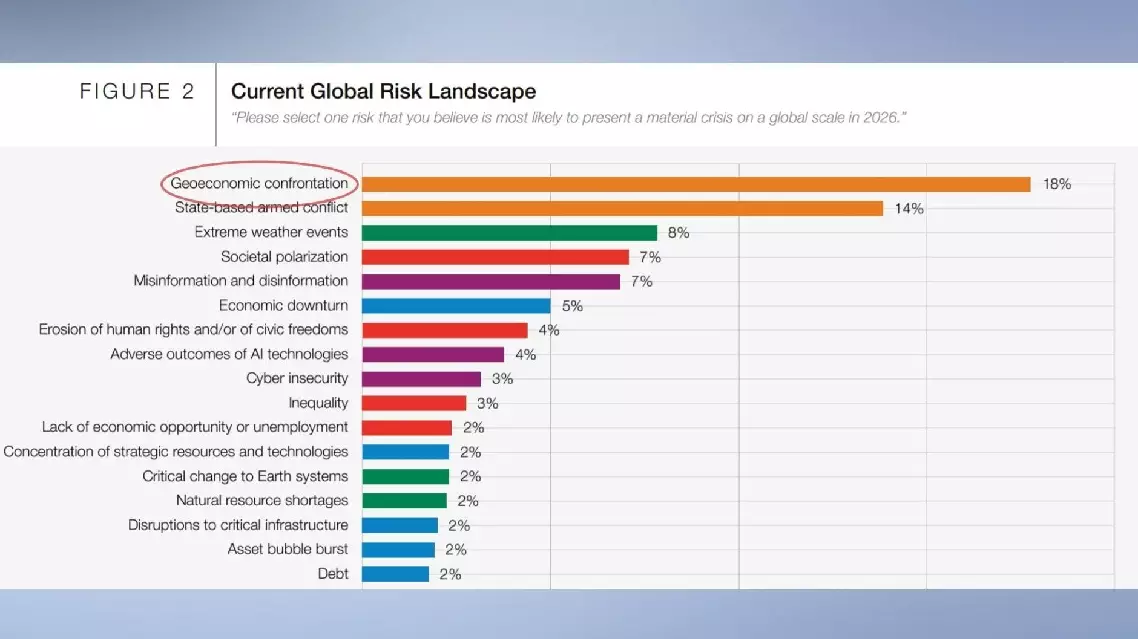
Geoeconomic confrontation is the leading short-term global threat in 2026, the World Economic Forum (WEF) warned in its Global Risks Report 2026 released on Wednesday ahead of its annual meeting in Davos, Switzerland.

The report ranks geoeconomic confrontation as the top risk for 2026, followed by interstate conflict, extreme weather, societal polarization, and misinformation and disinformation. It also identifies geoeconomic confrontation as the most severe risk over the next two years.

"I think if there is to be one key takeaway from the report, it's that we are entering an age of competition and this new competitive order is then shaping current global risks, but it is also shaping and to some extent hindering our ability to actually cope with them. That's really the key takeaway. If we take a look at, the number one risk both for 2026 and two years out, it's dual economic confrontation. But then if we look at the risks 10 years out. It's really the climate and environment related risks. All of these things require global cooperation and that's where we're seeing a big backsliding in this new age of competition," said Saadia Zahidi, managing director of the WEF.

Economic risks showed the largest increase in the two-year outlook, with concerns over economic downturns, inflation, rising debt and potential asset bubbles intensifying amid geoeconomic tensions, the report said.

Environmental risks remain the most severe overall, led by extreme weather, biodiversity loss and critical changes to Earth systems. The report noted that three-quarters of respondents expect a turbulent environmental outlook.

Risks related to adverse outcomes of artificial intelligence rose sharply, climbing from 30th in the two-year horizon to fifth in the 10-year outlook, reflecting concerns over impacts on labor markets, society and security.

The 21st edition of the report draws on views from more than 1,300 experts, policymakers and industry leaders.

The WEF's annual meeting will be held in Davos from Jan 19 to 23 and draw nearly 3,000 guests from more than 130 countries and regions to participate.

"So overall, we are starting to see this shift away from what have traditionally been the ways in which people have been able to cooperate. Now, that is not to say that any of this is a foregone conclusion. And I think that's a really important message around the risks report. None of this is set in stone. All of this is in the hands of leaders. Whether they choose to cooperate and invest in resilience or whether they do not. So that's really what we'll be focused on next week in Davos bringing leaders together under this overall theme of 'a spirit of dialogue' and trying to reestablish relationships, cooperation and trust. That's the fundamental," said Zahidi.

WEF warns of rising geoeconomic risks in 2026

WEF warns of rising geoeconomic risks in 2026

Recommended Articles