China's Ministry of Commerce announced at a press conference on Friday that the 138th Canton Fair, set to run in three phases from October 15 to November 4 in Guangzhou City, Guangdong Province, will feature new initiatives focused on showcasing innovation.
The upcoming China Import and Export Fair, commonly known as the Canton Fair, will also center on enterprise needs and deal-making, with a record-breaking lineup of over 600 product launch events, a 37 percent increase from the previous session.
According to officials, 63 percent of the new products incorporate innovative technologies, 48 percent achieve functional upgrades, 47 percent highlight green and low-carbon features, and 31 percent use cutting-edge materials. The event aims to reflect the vitality of China's foreign trade innovation.
Thirteen forums will be held during the fair, exploring topics such as trade digitalization, commercial applications of AI, and the silver economy. Over 100 organizations and about 120 speakers from government, business, academia, research, and media will take part.
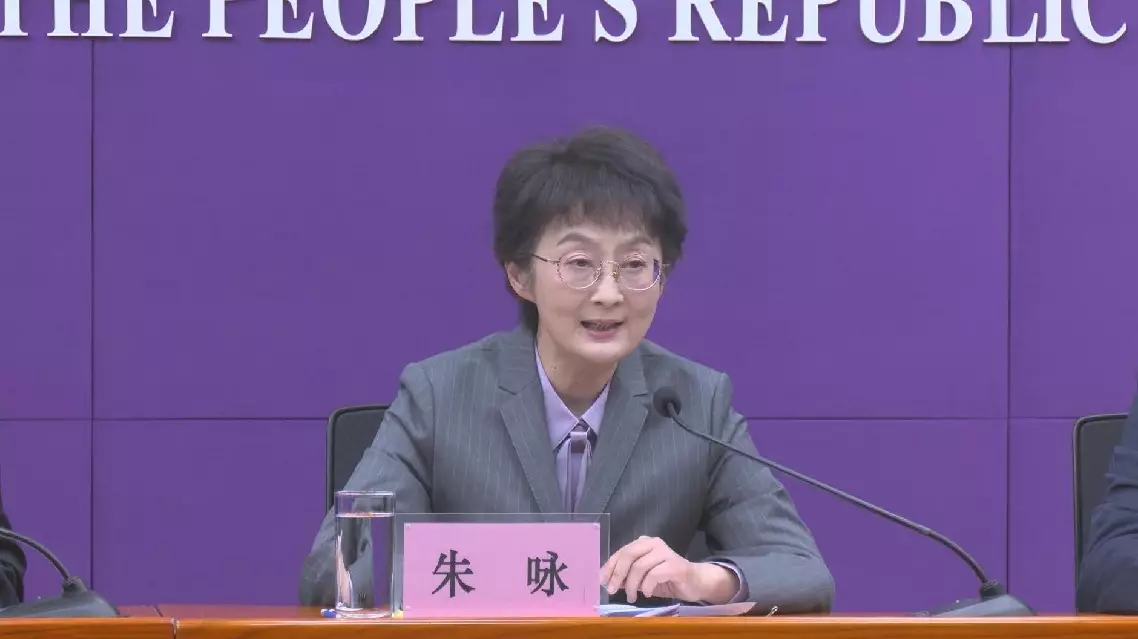
"We'll see more accurate supply-demand connections. Nine 'Trade Bridge' matchmaking events will focus on high-demand sectors including new energy, home appliances, and building materials. We've collected purchasing lists from buyers early and matched them with exhibitors through multiple rounds," said Zhu Yong, director of China Foreign Trade Center.
The ministry also highlighted the growing global and domestic digital healthcare markets, pointing to high growth potential and emerging opportunities.
For the first time, the fair will feature a Smart Medical Zone with 140 booths and 47 industry-leading enterprises. Exhibits will cover upstream products across the smart healthcare chain, including medical robotics, AI diagnostics, and intelligent care technologies. Organizers hope the fair will help bridge gaps across the entire industry chain, from service providers to end-use applications.
"The Smart Medical Zone is designed to offer immersive, scenario-based demonstrations that allow participants to truly experience the progress of digital and smart medical technologies. We will also host in-person supply-demand matchmaking events to help companies explore international markets," said Wang Zhihua, director-general of the Department of Foreign Trade, Ministry of Commerce.
138th Canton Fair to spotlight innovation, digital health
International political figures are closely following the upcoming fifth Plenary Session of the 20th Central Committee of the Communist Party of China (CPC), highlighting the importance of the Party's approach to Party self-governance and its role in China's development.
In interviews with China Central Television (CCTV), political figures from various countries said that comprehensively enforcing strict Party self-governance—an approach put forward by President Xi Jinping—is of vital importance to the development and governance of both the Party and the nation.
"Throughout his leadership, President Xi Jinping has emphasized the importance of comprehensively enforcing strict Party self-governance. This entails the continuous development and self-improvement of the Party, ultimately rendering it stronger and more robust. As a major political party with a vast membership, the Communist Party of China must address challenges with integrity, honesty, and a spirit of selfless dedication, while committing itself wholeheartedly to serving the Party, the nation, and the people," said former Thai Deputy Prime Minister Phinij Jarusombat.
"This policy, formulated by President Xi Jinping in 2014, is highly significant. I believe it serves as an example for all political parties, in the sense that it incorporates self-criticism—or rather, it articulates self-criticism—along with a profound capacity for self-reflection," said Rodrigo Andres Alvarez, secretary of the International Relations Department of the Communist Party of Colombia.
Beyond Party self-governance, interviewees also highlighted the importance of effective leadership, sound policies and coordinated efforts in driving national development.
"A nation cannot just develop spontaneously; it requires the concerted efforts of various stakeholders, including the central government, the legislature, local governments, social organizations, and enterprises. In China, the CPC bears a significant responsibility for the country's development and governance. It is, therefore, essential to examine and study the development philosophies and policy proposals put forward by the CPC and its leadership, and to understand how China's leaders drive the country's development, enhance governance capacity, and continuously strengthen the country's competitiveness across all sectors," said Janusz Piechociński, former deputy prime minister and minister of economy of Poland
"In my view, the consistency of the political leadership, their execution plan, and their belief in a concept, which is a learning lesson for all emerging nations. That concept is right person for the right job at right time," said Hanan Ali Abassi, president of the National Youth Assembly of Pakistan.
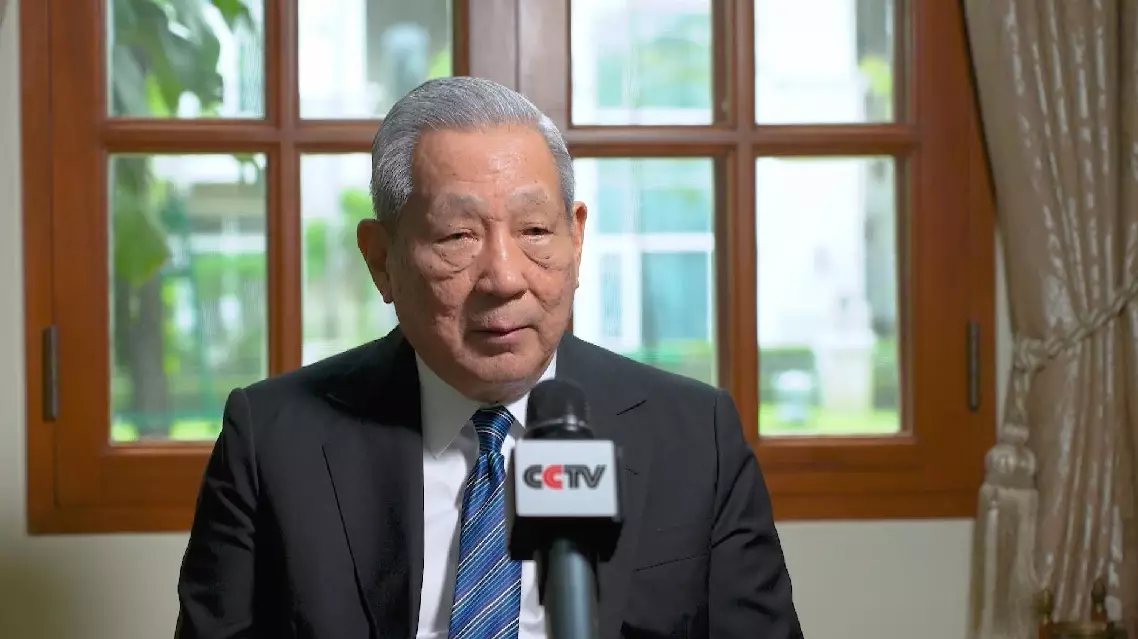
Int'l political figures highlight CPC's approach to self-governance ahead of plenary session