Lebanon and Iran demanded on Thursday that the Israeli military withdraw fully from Lebanese territory and commit to a full ceasefire, as Israeli troops began a phased pullback from the country's south.
In an interview with local media, Lebanese President Joseph Aoun said on Thursday that he had been in touch with key international and domestic players since 02:00 local time to shore up a ceasefire deal.
Lebanon was waiting for responses from all parties and guarantees that commitments will be honored, and once the agreement gets final approval, it can go into effect within 24 hours, the president said during the interview.
Referring to the deal as the last opportunity, Aoun cautioned that if the deal falls apart, all sides will shoulder the responsibility.
Lebanon's state-run National News Agency reported that Aoun met Special Envoy of the French President to Lebanon Jean-Yves Le Drian on the same day and welcomed support from friendly and brotherly nations in cementing the truce.
During the meeting, Aoun stressed the need to avoid giving Israel any pretext not to withdraw.
Hezbollah chief Naim Qassem also demanded on Thursday a full Israeli pullout and a comprehensive ceasefire, and said that resistance against Israel will continue and Israeli settlements will remain unsafe as long as Israeli occupation and attacks on Lebanese territory persist.
Iran's Islamic Revolution Guard Corps (IRGC) said Thursday that Israel must immediately stop its attacks against the Lebanese people and withdraw from occupied Lebanese territories.
In a statement on its official Sepah News outlet, the IRGC reaffirmed that Iran's primary condition for accepting the April 8 truce with the United States and Israel was a comprehensive ceasefire on all fronts, including Lebanon.
Separately, IRGC Quds Force commander Esmail Qaani said on Thursday that Israel must withdraw from positions it occupied in Lebanon before the outbreak of the latest round of conflict.
Calling support for Lebanon's resistance movement a shared duty, Qaani said the essence of the resistance's demands is an Israeli withdrawal to pre-conflict lines and said that Lebanese fighters would soon see the results of their steadfast resistance.
Qaani had warned on Monday that U.S.-backed Israeli provocations and aggression against Lebanon and Gaza were fueling regional tensions and that continued strikes would trigger further action from what he called the 'Axis of Resistance'.
Lebanese security sources and eyewitnesses confirmed Thursday that Israeli forces had begun gradually pulling out of the town of Dibbine in Marjayoun District in southern Lebanon.
Figures from Lebanon's Health Ministry released on Wednesday show that since the conflict erupted again on March 2, Israeli strikes across Lebanon have killed 3,516 people and wounded 10,674.
The latest flare-up of the Lebanon-Israel conflict came after the U.S. and Israel launched a major military operation against Iran on February 28. A 10-day truce between Israel and Lebanon took effect on April 17, and was extended several times.
Despite the truce, Israel has continued carrying out strikes in Lebanon citing Hezbollah's ceasefire violations, while demolishing what it describes as Hezbollah military infrastructure in southern Lebanon.
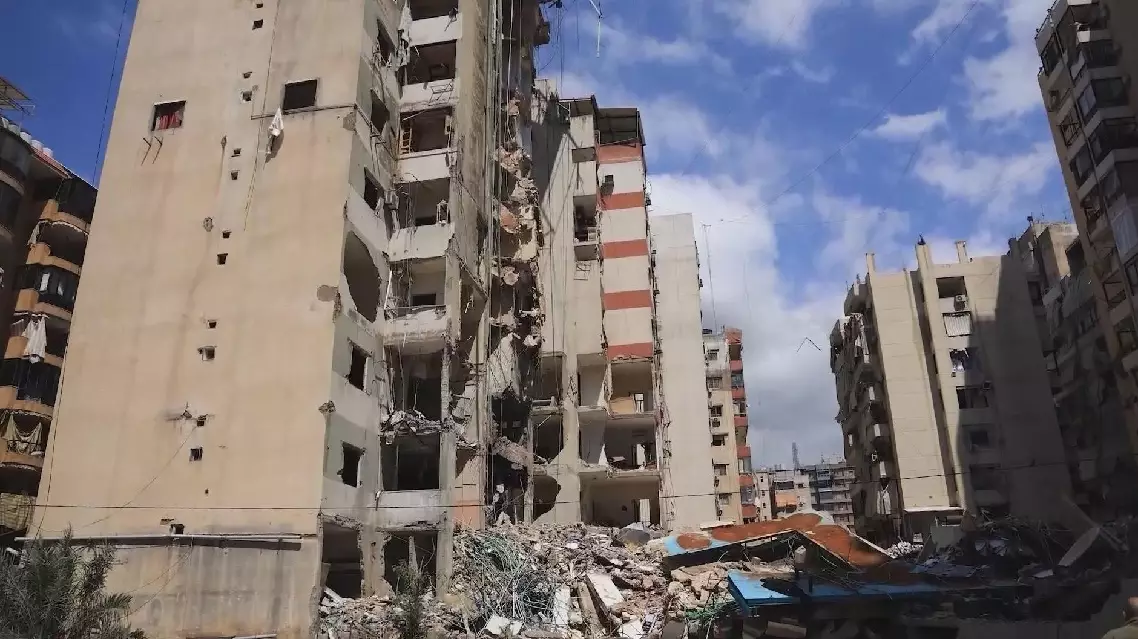
Lebanon, Iran urge Israel to stop attacks, withdraw from Lebanese territory