|
Marriott International's Future of Food 2026 reveals how a shift towards comfort-driven luxury and experiences rooted in local culinary traditions are redefining a new era of indulgence
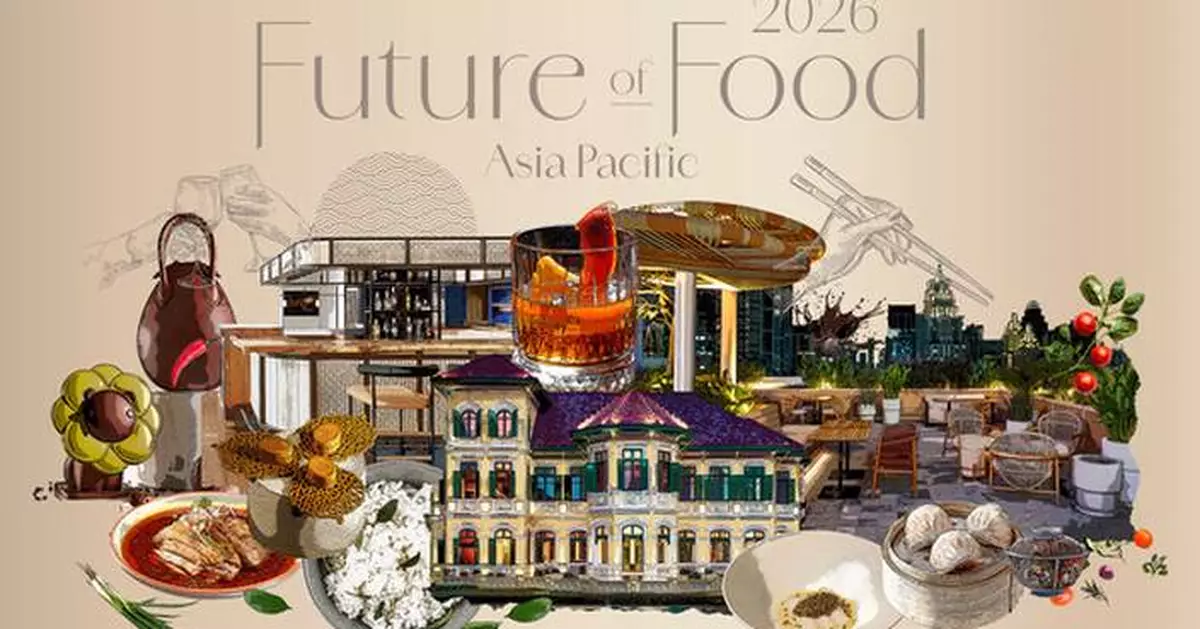
SINGAPORE, Oct. 14, 2025 /PRNewswire/ -- Marriott International has unveiled its latest report, The Future of Food 2026, which explores how dining habits and preferences are changing across the Asia Pacific region. The comprehensive study spotlights major trends reshaping the culinary landscape, including a shift away from traditional fine dining toward casual luxury, comfort-driven menus, immersive dining experiences and a renewed reverence for local flavors. Diners are increasingly prioritizing relaxed, personalized encounters where storytelling, entertainment, and thoughtful design are just as important as the food itself.
Drawing on insights from over 30 influential chefs, mixologists, industry insiders and regional food media, along with findings from Marriott's inaugural regional survey of F&B teams in 270 properties across 20 Asia Pacific markets, the report explores how these emerging trends are redefining hospitality and guest expectations.
"The Future of Food 2026 showcases how Asia Pacific continues to shape the future of global dining," says Petr Raba, Vice President of Food & Beverage, Asia Pacific excluding China, Marriott International. "From the rise of casual luxury to experience-focused dining, today's guests are seeking emotional connection as much as culinary excellence. This report reflects our ongoing commitment to evolving with the industry and delivering dining experiences that are culturally relevant, rooted in place, and reimagined for a new generation of travelers."
He added, "Across Asia, a new culinary language is emerging, one where quality meets comfort, luxury meets experience, and a meal is no longer just about eating, but about engaging all the senses. As our report shows, food is no longer just fuel; it's a form of storytelling, identity, and cultural connection."
Key Trends Shaping the Future of Food
1. Comfort is the New Luxury
A new era of dining is emerging with the rise of "fine-casual" where comfort food meets creative refinement. From elevated takes on beloved classics, such as caviar-topped fried chicken, to à la carte menus offering more choice and personality, chefs from Singapore to Tokyo are embracing a more relaxed yet luxurious approach. As diners crave familiarity with a twist, high-profile chefs are reimagining everyday favorites with fine-dining finesse, creativity, and visual appeal. Traditional multi-course menus are giving way to faster, more flexible experiences. 59% of Marriott International properties surveyed across Asia Pacific said guests are opting for casual dining experiences over formal ones compared to last year.
2. Dining Becomes a Sensory Journey
Throughout Asia, dining is turning into a feast for all the senses, with guests choosing to dine in the dark or indulge in edible art. Nearly half (48%) of Marriott International F&B associates report an increase in guests seeking interactive dining experiences compared to the previous year. From omakase journeys to themed environments, restaurants are embracing interactivity and theatricality to create immersive, multisensory experiences. As the lines between retail, hospitality, and entertainment continue to blur, food is becoming a powerful vehicle for identity and creative expression.
3. Plating Up Native Ingredients
Chefs are embracing indigenous ingredients as integral components of their culinary identity, drawing on heritage and personal expression. There's a growing emphasis on sourcing local, foraged and often forgotten ingredients to tell richer, more authentic food stories. Among the Marriott International properties surveyed in Asia Pacific, 85% now incorporate locally sourced ingredients or dishes into their offerings, signaling a growing appetite for seasonal food.
4. AI Takes a Byte of the Industry
As AI becomes more embedded into the hospitality industry, it promises greater efficiency and highly personalized dining experiences. Advancements in technology will drive AI-powered menu engineering, leveraging real-time feedback and to optimize dish combinations and pricing. Of the Marriott International properties surveyed across Asia Pacific, 76% are adopting booking management technologies, while 75% report that social media influences guest decisions around restaurant and bar bookings. While operators embrace these tools to automate tasks and enhance service, a key challenge remains in maintaining the human connection that defines true hospitality.
5. Asia's Culinary Hotspots
Indonesia, the Philippines, Vietnam, and Mainland China are gaining international recognition for their vibrant and diverse food cultures. The report explores how these destinations are stepping onto the global culinary stage with renewed confidence and creativity.
6. Third-Generation Asian Chefs Stir the Pot
Trained in Michelin-starred kitchens, a new wave of third-generation chefs is revolutionizing Asian cuisines. Acting as cultural ambassadors, they employ modern cooking techniques and engage with native ingredients to elevate and refine the cuisine. They are not just cooking; they are preserving heritage while charting a new course, proving that tradition and innovation can coexist harmoniously on the plate. This creative spirit extends to street vendors – or 'hawkerpreneurs' – who are adding luxe to laksa and sass to satays.
Additional Report Highlights:
- The Flavor Spectrum: Survey results reveal a preference for both classic cocktails and modern, regionally-inspired mixes. The data also indicates a clear trend toward healthier eating. Across the Asia Pacific, Marriott International's F&B associates are noticing guests increasingly seeking vegan (63%), vegetarian (64%), and gluten-free (54%) options. In addition, classic condiments like ketchup, mayonnaise, hot sauce, and soy sauce remain popular across most markets.
- Raising the Bar: Bars throughout Asia are redefining the drinking experience, catering to a generation that values wellness, personalization, and immersive environments. From low- or no-alcohol menus to omakase-style cocktails, venues are moving beyond traditional drink service and attracting kindred spirits. Cocktail bars are also shaking up the scene, spilling the tea and spicing up flavors with native ingredients or a dash of Dashi.
- The Future Larder: Bold new ingredients and long-forgotten favorites are driving a new era in Asian cuisine. From fermented condiments to artisanal salts and heritage vinegars, chefs are diving into traditional ingredients to create bold, sustainable flavors with deep cultural significance.
- Sustainability Pioneers: Local heroes are driving sustainable food movements in Asia by empowering local farmers and promoting biodiversity through social enterprises. Their grassroots campaign is inspiring a cultural shift in the hospitality industry and influencing the future of the region's wider food ecosystem.
Download the full report here to explore the trends shaping Asia Pacific's culinary future.
Access high-resolution images and media assets here.
About Marriott International
Marriott International, Inc. (Nasdaq: MAR) is based in Bethesda, Maryland, USA, and encompasses a portfolio of over 9,600 properties across more than 30 leading brands in 143 countries and territories. Marriott operates, franchises, and licenses hotel, residential, timeshare, and other lodging properties all around the world. The company offers Marriott Bonvoy®, its highly awarded travel platform. For more information, please visit our website at www.marriott.com, and for the latest company news, visit www.marriottnewscenter.com. In addition, connect with us on Facebook and @MarriottIntl on X and Instagram.
Marriott International's Future of Food 2026 reveals how a shift towards comfort-driven luxury and experiences rooted in local culinary traditions are redefining a new era of indulgence
SINGAPORE, Oct. 14, 2025 /PRNewswire/ -- Marriott International has unveiled its latest report, The Future of Food 2026, which explores how dining habits and preferences are changing across the Asia Pacific region. The comprehensive study spotlights major trends reshaping the culinary landscape, including a shift away from traditional fine dining toward casual luxury, comfort-driven menus, immersive dining experiences and a renewed reverence for local flavors. Diners are increasingly prioritizing relaxed, personalized encounters where storytelling, entertainment, and thoughtful design are just as important as the food itself.
Drawing on insights from over 30 influential chefs, mixologists, industry insiders and regional food media, along with findings from Marriott's inaugural regional survey of F&B teams in 270 properties across 20 Asia Pacific markets, the report explores how these emerging trends are redefining hospitality and guest expectations.
"The Future of Food 2026 showcases how Asia Pacific continues to shape the future of global dining," says Petr Raba, Vice President of Food & Beverage, Asia Pacific excluding China, Marriott International. "From the rise of casual luxury to experience-focused dining, today's guests are seeking emotional connection as much as culinary excellence. This report reflects our ongoing commitment to evolving with the industry and delivering dining experiences that are culturally relevant, rooted in place, and reimagined for a new generation of travelers."
He added, "Across Asia, a new culinary language is emerging, one where quality meets comfort, luxury meets experience, and a meal is no longer just about eating, but about engaging all the senses. As our report shows, food is no longer just fuel; it's a form of storytelling, identity, and cultural connection."
Key Trends Shaping the Future of Food
1. Comfort is the New Luxury
A new era of dining is emerging with the rise of "fine-casual" where comfort food meets creative refinement. From elevated takes on beloved classics, such as caviar-topped fried chicken, to à la carte menus offering more choice and personality, chefs from Singapore to Tokyo are embracing a more relaxed yet luxurious approach. As diners crave familiarity with a twist, high-profile chefs are reimagining everyday favorites with fine-dining finesse, creativity, and visual appeal. Traditional multi-course menus are giving way to faster, more flexible experiences. 59% of Marriott International properties surveyed across Asia Pacific said guests are opting for casual dining experiences over formal ones compared to last year.
2. Dining Becomes a Sensory Journey
Throughout Asia, dining is turning into a feast for all the senses, with guests choosing to dine in the dark or indulge in edible art. Nearly half (48%) of Marriott International F&B associates report an increase in guests seeking interactive dining experiences compared to the previous year. From omakase journeys to themed environments, restaurants are embracing interactivity and theatricality to create immersive, multisensory experiences. As the lines between retail, hospitality, and entertainment continue to blur, food is becoming a powerful vehicle for identity and creative expression.
3. Plating Up Native Ingredients
Chefs are embracing indigenous ingredients as integral components of their culinary identity, drawing on heritage and personal expression. There's a growing emphasis on sourcing local, foraged and often forgotten ingredients to tell richer, more authentic food stories. Among the Marriott International properties surveyed in Asia Pacific, 85% now incorporate locally sourced ingredients or dishes into their offerings, signaling a growing appetite for seasonal food.
4. AI Takes a Byte of the Industry
As AI becomes more embedded into the hospitality industry, it promises greater efficiency and highly personalized dining experiences. Advancements in technology will drive AI-powered menu engineering, leveraging real-time feedback and to optimize dish combinations and pricing. Of the Marriott International properties surveyed across Asia Pacific, 76% are adopting booking management technologies, while 75% report that social media influences guest decisions around restaurant and bar bookings. While operators embrace these tools to automate tasks and enhance service, a key challenge remains in maintaining the human connection that defines true hospitality.
5. Asia's Culinary Hotspots
Indonesia, the Philippines, Vietnam, and Mainland China are gaining international recognition for their vibrant and diverse food cultures. The report explores how these destinations are stepping onto the global culinary stage with renewed confidence and creativity.
6. Third-Generation Asian Chefs Stir the Pot
Trained in Michelin-starred kitchens, a new wave of third-generation chefs is revolutionizing Asian cuisines. Acting as cultural ambassadors, they employ modern cooking techniques and engage with native ingredients to elevate and refine the cuisine. They are not just cooking; they are preserving heritage while charting a new course, proving that tradition and innovation can coexist harmoniously on the plate. This creative spirit extends to street vendors – or 'hawkerpreneurs' – who are adding luxe to laksa and sass to satays.
Additional Report Highlights:
- The Flavor Spectrum: Survey results reveal a preference for both classic cocktails and modern, regionally-inspired mixes. The data also indicates a clear trend toward healthier eating. Across the Asia Pacific, Marriott International's F&B associates are noticing guests increasingly seeking vegan (63%), vegetarian (64%), and gluten-free (54%) options. In addition, classic condiments like ketchup, mayonnaise, hot sauce, and soy sauce remain popular across most markets.
- Raising the Bar: Bars throughout Asia are redefining the drinking experience, catering to a generation that values wellness, personalization, and immersive environments. From low- or no-alcohol menus to omakase-style cocktails, venues are moving beyond traditional drink service and attracting kindred spirits. Cocktail bars are also shaking up the scene, spilling the tea and spicing up flavors with native ingredients or a dash of Dashi.
- The Future Larder: Bold new ingredients and long-forgotten favorites are driving a new era in Asian cuisine. From fermented condiments to artisanal salts and heritage vinegars, chefs are diving into traditional ingredients to create bold, sustainable flavors with deep cultural significance.
- Sustainability Pioneers: Local heroes are driving sustainable food movements in Asia by empowering local farmers and promoting biodiversity through social enterprises. Their grassroots campaign is inspiring a cultural shift in the hospitality industry and influencing the future of the region's wider food ecosystem.
Download the full report here to explore the trends shaping Asia Pacific's culinary future.
Access high-resolution images and media assets here.
About Marriott International
Marriott International, Inc. (Nasdaq: MAR) is based in Bethesda, Maryland, USA, and encompasses a portfolio of over 9,600 properties across more than 30 leading brands in 143 countries and territories. Marriott operates, franchises, and licenses hotel, residential, timeshare, and other lodging properties all around the world. The company offers Marriott Bonvoy®, its highly awarded travel platform. For more information, please visit our website at www.marriott.com, and for the latest company news, visit www.marriottnewscenter.com. In addition, connect with us on Facebook and @MarriottIntl on X and Instagram.
** The press release content is from PR Newswire. Bastille Post is not involved in its creation. **

COMFORT IS THE NEW LUXURY: MARRIOTT INTERNATIONAL UNVEILS ASIA PACIFIC'S CULINARY FUTURE
ALULA, Saudi Arabia, Jan. 16, 2026 /PRNewswire/ -- Today marks the official opening of Desert X AlUla 2026, the landmark fourth edition of the international, open-air biennial exhibition. Arts AlUla, in collaboration with Desert X, welcomes visitors to experience a stellar line-up of Saudi and international multi-generational artists whose site-responsive earthworks, sculptures, and installations will engage in a powerful dialogue with the awe-inspiring landscapes and layered heritage of AlUla.
As a premier destination rich in ancient history and breathtaking nature, AlUla, located in Northwest Saudi Arabia, solidifies its position on the global stage as a dynamic, emerging land art destination with Desert X AlUla, the region's first public art biennale, and a key highlight of the AlUla Arts Festival.
The 2026 edition of Desert X AlUla brings together 11 acclaimed artists whose diverse works reflect a wide spectrum of ideas, materials, and traditions. From monumental kinetic sculpture to sound-based explorations above and below ground, each commission is deeply rooted in relationships to AlUla's distinctive environment, further cementing Desert X AlUla's reputation as a globally significant platform for site-responsive land art.
Desert X AlUla runs until February 28, 2026, as a cornerstone of the annual AlUla Arts Festival. Curated by Wejdan Reda, Zoé Whitley, with artistic direction by Neville Wakefield, and Raneem Farsi, its fourth edition explores 'Space Without Measure.' Inspired by Kahlil Gibran, the theme fosters contemplation of imagination within AlUla's natural settings. The exhibition, set in the desert canyons of AlUla, serves as a pre-opening programme for Wadi AlFann, offering a pivotal glimpse into AlUla's plans to create a permanent land art 'Valley of the Arts.'
Hamad Alhomiedan, Director of Arts & Creative Industries at the Royal Commission for AlUla (RCU), said: "At Desert X AlUla 2026, audiences will engage with art that deeply converses with AlUla's unique landscapes and rich heritage. These compelling commissions highlight AlUla's dynamic transformation into a major global destination, where ancient and contemporary expressions converge. This exhibition is part of our broader revitalisation of AlUla as a culturally rich destination to live, work and visit and integral to positioning AlUla in the global dialogue of contemporary art and as a precursor to monumental projects like Wadi AlFann."
Participating artist/artworks are:
- Sara Abdu, A Kingdom Where No One Dies: Contours of Resonance
- Mohammad Alfaraj, What was the Question Again?
- Mohammed AlSaleem, The Thorn, AlShuruf Unit, The Triangles, Flower Bud, and Al Ahilla (courtesy of Royal Commission for Riyadh City)
- Tarek Atoui, The Water Song
- Bahraini-Danish, Bloom
- Maria Magdalena Campos-Pons, Imole Red
- Agnes Denes, The Living Pyramid
- Ibrahim El-Salahi, Haraza Tree
- Basmah Felemban, Murmur of Pebbles
- Vibha Galhotra, Future Fables
- Héctor Zamora, Tar HyPar
For further information, please contact:
Sabrine.Shaw@bursonglobal.com
AlUlaArtsFestival@bursonglobal.com
Multimedia gallery:
High-resolution photos of all 11 artists and their artworks can be found here.
About AlUla and Arts AlUla
Located 1,100 km from Riyadh, in North-West Saudi Arabia, AlUla is a place of extraordinary natural and human heritage. The vast area, covering 22,561km², includes a lush oasis valley, towering sandstone mountains and ancient cultural heritage sites dating back thousands of years to when the Lihyan and Nabataean kingdoms reigned.
The most well-known and recognised site in AlUla is Hegra, the principal southern city of the Nabataean Kingdom and Saudi Arabia's first UNESCO World Heritage Site. AlUla is also home to ancient Dadan, the capital of the Dadan and Lihyan Kingdoms and considered to be one of the most developed 1st millennium BCE cities of the Arabian Peninsula, and Jabal Ikmah, an open air library of hundreds of inscriptions and writings in many different languages. AlUla Old Town Village, a labyrinth of more than 900 mudbrick homes was developed from at least the 12th century and has been revitalised as the vibrant hub for visitors and residents.
The creation of Arts AlUla within The Royal Commission for AlUla (RCU) is a commitment to crafting the next chapters in a millennia of artistic creation – celebrating cultural inheritance and shaping a future inspired by artists built be artists. The work of Arts AlUla seeks to preserve this legacy: fuse the old with the new; the local with the international, keeping the arts central to the spirit of AlUla as a place of extraordinary natural and human heritage.
Wadi AlFann, meaning 'Valley of the Arts,' will be a global cultural destination for land art, unveiling from 2028 onwards, where era-defining works by artists from around the world will be permanently sited in the monumental landscape of AlUla, the extraordinary desert region of north-west Saudi Arabia.
** The press release content is from PR Newswire. Bastille Post is not involved in its creation. **

Desert X AlUla 2026: monumental land art exhibition opens in the ancient oasis of AlUla