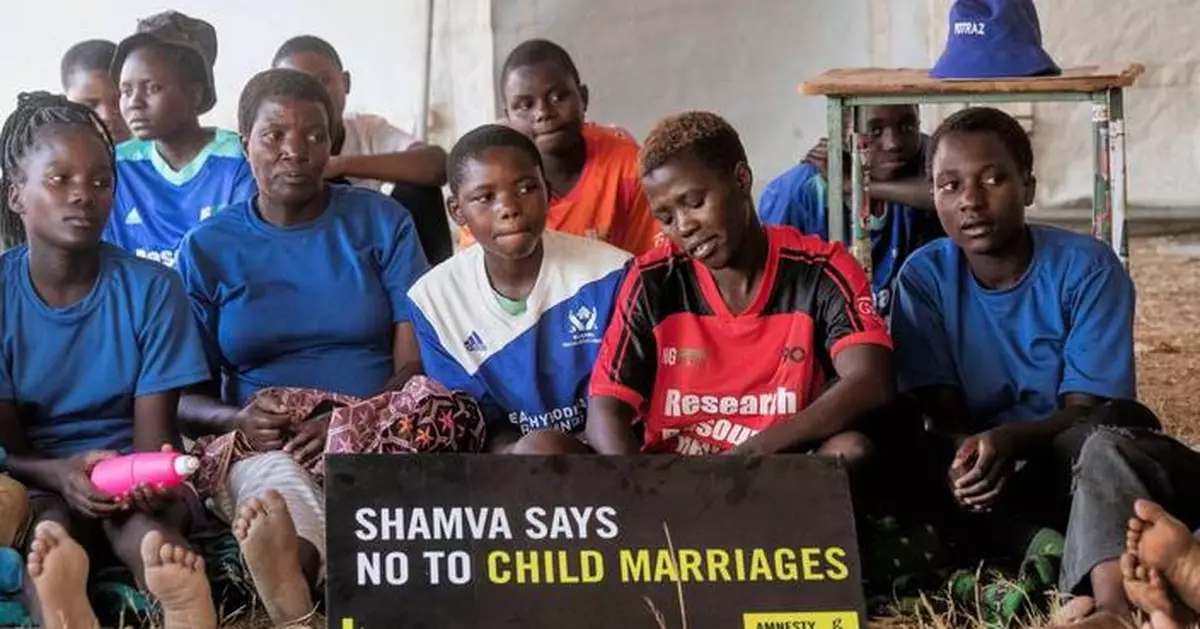
SHAMVA, Zimbabwe (AP) — Inside a white tent with a wooden fireplace in the middle, about two dozen African girls slipped off their shoes, sat on mattresses and prepared to pour their hearts out.
They held hands and their chants of “it's so nice to be here” echoed through the tent before they set about discussing sexuality, child marriage, teen pregnancy, gender bias, education, economic empowerment and the law. Nothing was off limits.
Click to Gallery
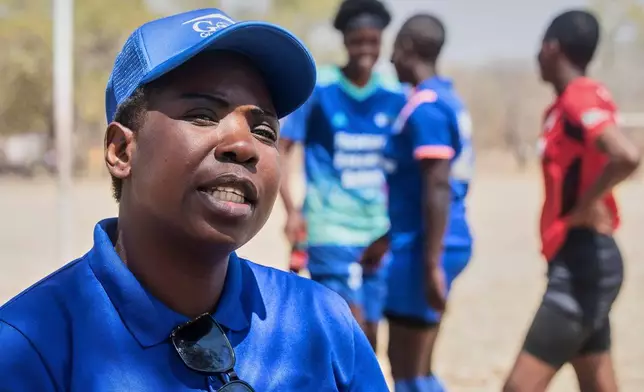
Eneti Tini, a teacher, speaks to the Associated Press, in Shamva, Zimbabwe, Friday, Aug. 29, 2025. (AP Photo/Aaron Ufumeli)

Samantha Chidodo speaks as she gives advice to girls and women about early child marriages and teen pregnancies in Shamva, Zimbabwe, Friday, Aug. 29, 2025. (AP Photo/Aaron Ufumeli)
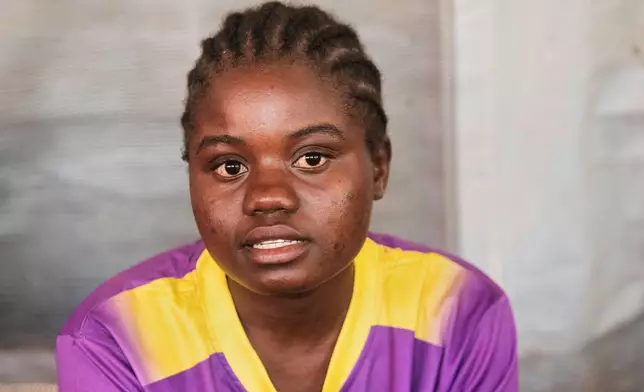
Anita Razo, a 18-year-old girl speaks to the Associated Press, in Shamva, Zimbabwe, Friday, Aug. 29, 2025. (AP Photo/Aaron Ufumeli)
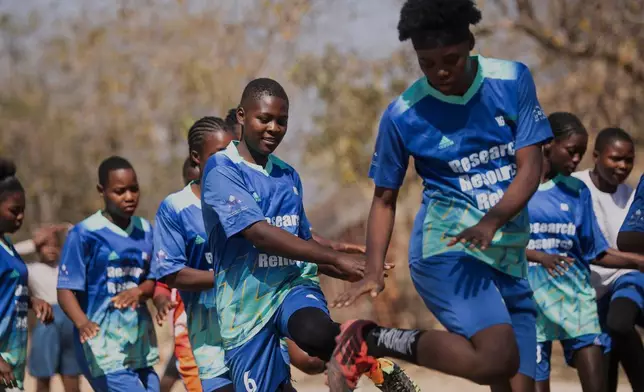
Girls warm up for a soccer match as part of activities against early child marriages and teen pregnancies at a school in Shamva, Zimbabwe, Friday, Aug. 29, 2025. (AP Photo/Aaron Ufumeli)

Girls and women sit inside a tent as they listen to their mentor speaking to them about child marriages at a school in Shamva, Zimbabwe, Friday, Aug. 29, 2025. (AP Photo/Aaron Ufumeli)
The girls' hangout in rural northeastern Zimbabwe is a revival of Nhanga, the local term for “girls’ bedroom,” an ancient traditional space once used to prepare adolescent girls for marriage. Across rural Zimbabwe, girls are now reinventing the centuries-old practice as a peer-led movement to resist child marriage, which is rife in the southern African nation.
“This is a safe space, every girl feels free,” said 18-year-old Anita Razo, who joined at 14 and now mentors younger girls.
In traditional homesteads, a round thatched hut served as Nhanga, a female-only room where girls were taught obedience, how to please husbands and moral education. It reinforced patriarchal expectations.
Today, the practice is being flipped. “The new Nhanga is a cultural innovation dealing with modern problems,” and where girls candidly tackle subjects still sensitive in many conservative homes, said Nokutenda Magama, a programs officer with Rozaria Memorial Trust, a nonprofit that works to empower rural girls and women and is behind the Nhanga revival.
Sessions include practical skills like poultry raising, farming and soap making.
The trust organizes gatherings by age group, from girls as young as five to women over 35, ensuring an age-appropriate curriculum and mentorship across generations. Elders, including senior government officials, are sometimes invited.
The reinvention comes against worrying statistics. One in three girls in Zimbabwe marries before 18, according to the United Nations Children's Fund, calling it “a national emergency demanding urgent action.” It’s a similar situation across East and southern Africa. Child marriage rates soar to above 40% in central and West Africa, with Niger, at 76%, the highest globally, according to UNICEF.
Zimbabwe and many other African countries have outlawed child marriage, even overturning laws prohibiting abortion for girls under 18, but poverty, lethargic enforcement and cultural and religious customs keep it alive.
For Samantha Chidodo, the revival offered a path back. Now 26 and a final-year law student, she was forced into an abusive marriage at 17 to a man nearly a decade older.
“All I wanted was to play and think of my future. Suddenly I had to be a mother and wife,” she said at a camp that blended tent sessions with a “girls and goals” soccer tournament.
“I didn’t even know what to do. I would be dead asleep, oblivious that I needed to breastfeed.” A woman next door would take the crying baby, feed him and return him to the sleeping teen mother, she recalled.
After two years, she walked away, enduring stigma as neighbors warned others not to associate with her. With support from Rozaria Memorial Trust, she returned to school and became one of the modern Nhanga pioneers.
“Initially we were only about 20 girls. Almost 90% of us did well, some went to college, others started projects. The community began to see our power, and encouraged their children to join,” she said. “Nhanga is now seen as cool.”
Today, more than 200 girls in her village participate. Many schools across Zimbabwe have adopted the model, which has spread to Zambia and Sierra Leone and reached African Union and United Nations forums.
Because child marriage is often rooted in culture and religion, girls sought the backing of chiefs and village heads — custodians of local customs.
Xmas Savanhu, a local village headman, said leaders now enforce rules against early marriage. Offenders must pay a cow as a fine held in trust by the chief for the girl’s education. “This ensures she can return to school without financial worries,” he said, noting that culprits are also reported to police. Chiefs also partner with NGOs to help young mothers resume their studies.
Despite progress, poverty and entrenched attitudes persist, said Enet Tini, a teacher and girls mentor whose school adopted the model.
She welcomed a government policy allowing girls to return to school after giving birth, but noted parents are often reluctant. “The gap that we have lies with the adults. They view pregnancy or child marriage as indiscipline so they think the girls should be punished,” she said, highlighting the importance of girls-led initiatives to change attitudes among themselves and the community.
Nyaradzai Gumbonzvanda, deputy executive director at U.N. Women and founder of the Rozaria Memorial Trust, called child marriage “essentially rape and sexual exploitation” and a worldwide problem, but “much higher in Africa,” where laws alone cannot end it.
“Laws are important … but it is critically essential to reach to the girls themselves, to do the shift in the social norms in our communities,” said Gumbonzvanda, who started Rozaria Memorial Trust in 2007 in honor of her late mother, who was married at 13.
Her message that solutions must involve girls themselves alongside policymakers and traditional leaders resonates with Razo, the young mentor.
“If we can pressure each other into behaving badly, then we can also influence each other to act positively,” Razo said.
For more on Africa and development: https://apnews.com/hub/africa-pulse
The Associated Press receives financial support for global health and development coverage in Africa from the Gates Foundation. The AP is solely responsible for all content. Find AP’s standards for working with philanthropies, a list of supporters and funded coverage areas at AP.org.
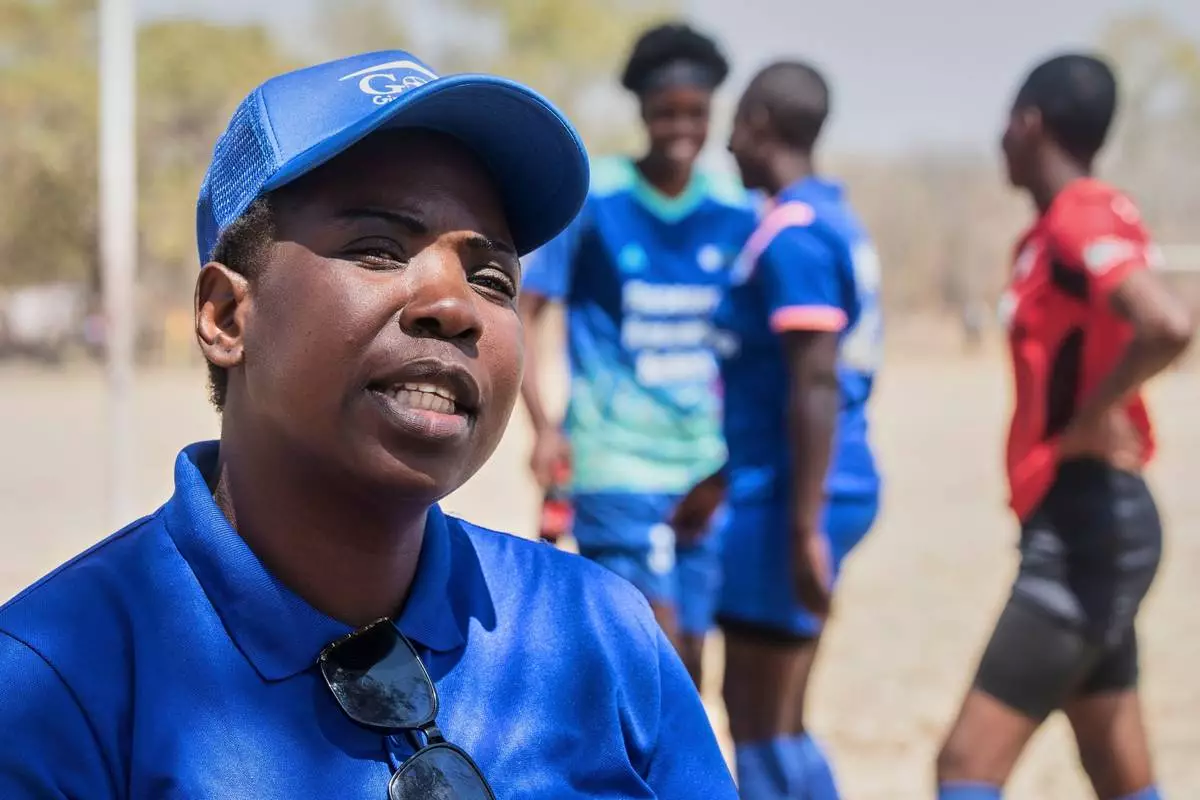
Eneti Tini, a teacher, speaks to the Associated Press, in Shamva, Zimbabwe, Friday, Aug. 29, 2025. (AP Photo/Aaron Ufumeli)
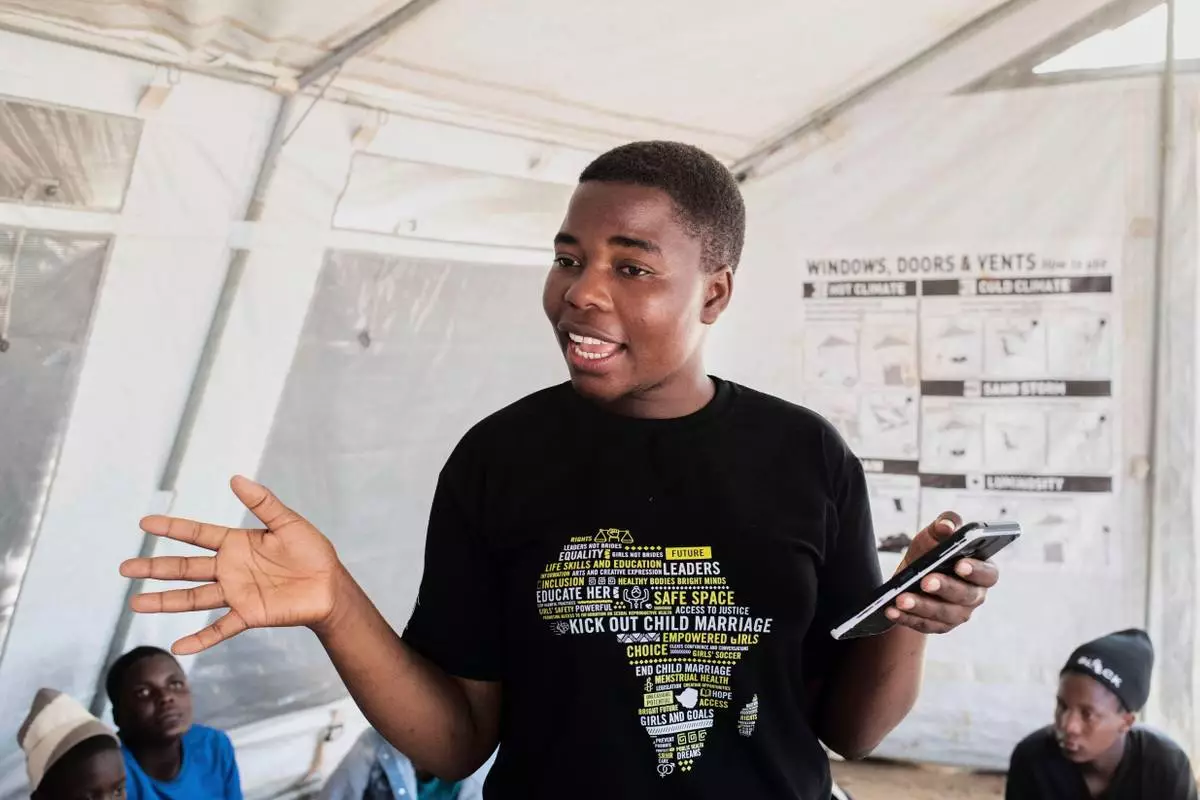
Samantha Chidodo speaks as she gives advice to girls and women about early child marriages and teen pregnancies in Shamva, Zimbabwe, Friday, Aug. 29, 2025. (AP Photo/Aaron Ufumeli)
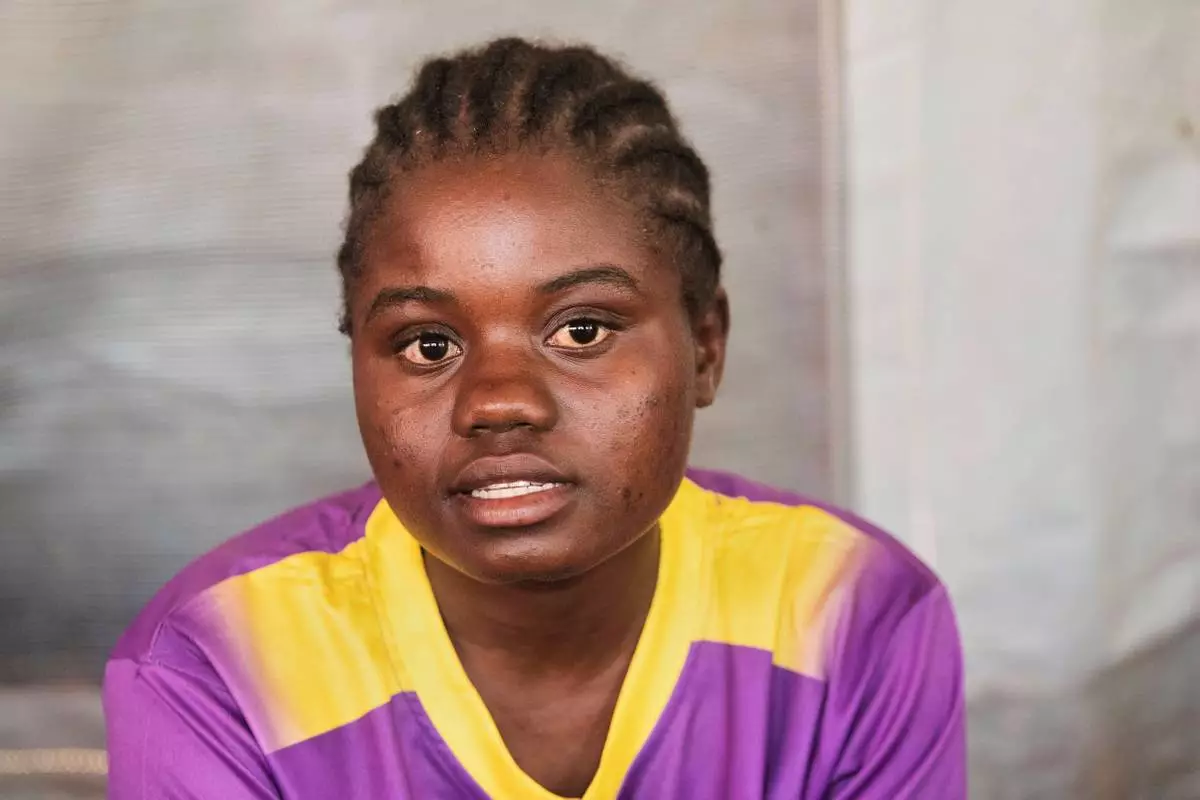
Anita Razo, a 18-year-old girl speaks to the Associated Press, in Shamva, Zimbabwe, Friday, Aug. 29, 2025. (AP Photo/Aaron Ufumeli)
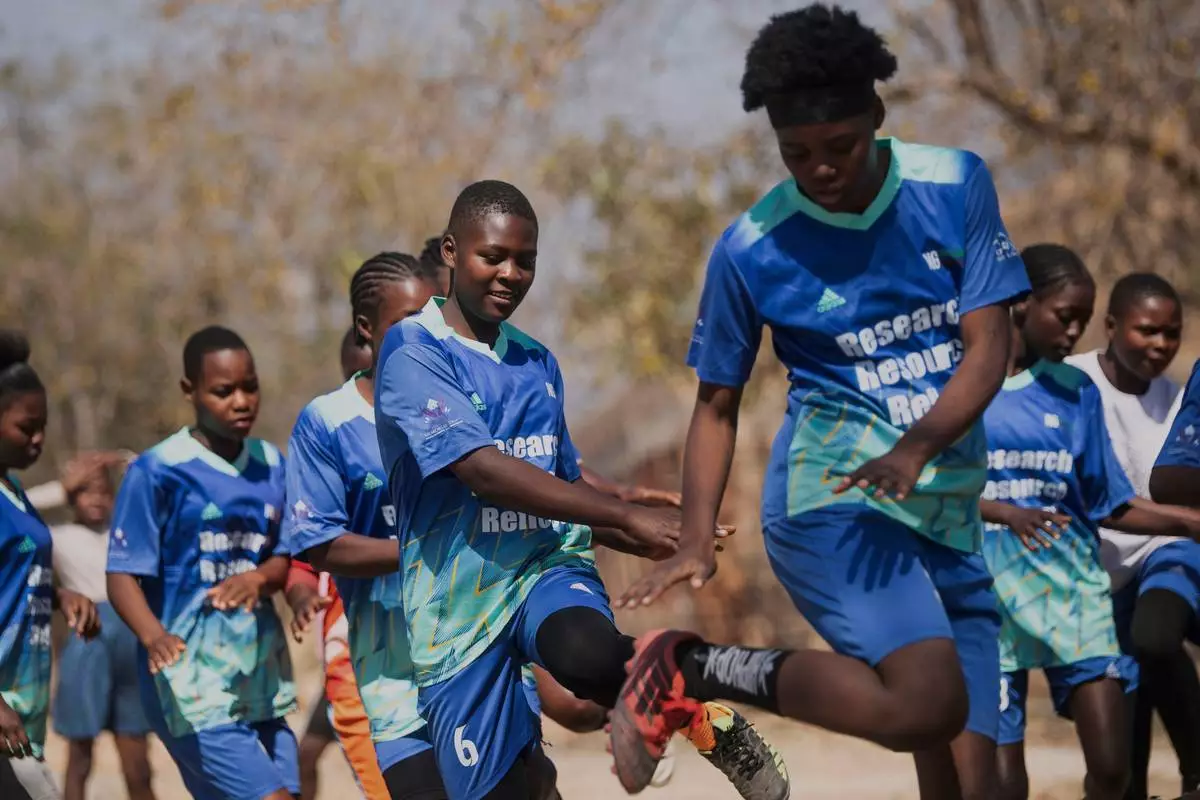
Girls warm up for a soccer match as part of activities against early child marriages and teen pregnancies at a school in Shamva, Zimbabwe, Friday, Aug. 29, 2025. (AP Photo/Aaron Ufumeli)
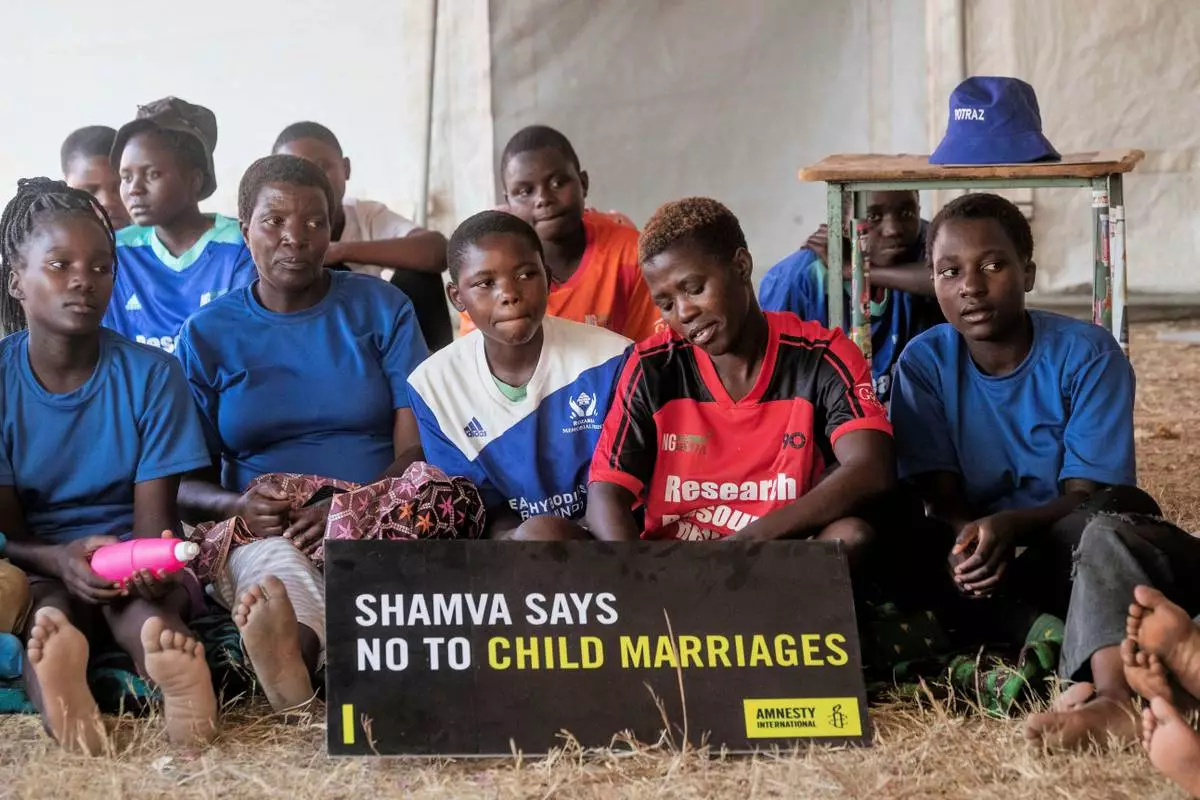
Girls and women sit inside a tent as they listen to their mentor speaking to them about child marriages at a school in Shamva, Zimbabwe, Friday, Aug. 29, 2025. (AP Photo/Aaron Ufumeli)