ANTANANARIVO, Madagascar (AP) — The military has seized power in a coup in the Indian Ocean island of Madagascar and ousted President Andry Rajoelina, who has fled the country.
Here's a timeline of major events leading up to the takeover in the former French colony off Africa's east coast:
Click to Gallery
CAPSAT military unit commander Col. Michael Randrianirina, center, reads a statement saying that the armed forces are taking control of the country from the steps of the Presidency in Antananarivo, Madagascar, Tuesday, Oct. 14, 2025. (AP Photo/ Brian Inganga)
Soldiers are greeted by people gathering for a ceremony in tribute to demonstrators killed during recent anti-government protest in Antananarivo, Madagascar, Sunday, Oct. 12, 2025. (AP Photo/Mamyrael)
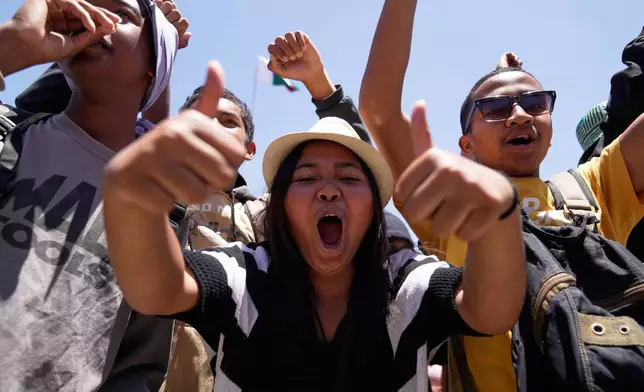
Shaniah Rakotohania, 18-year-old university student at Lycee Technique Alarabia, gestures during a protest calling for President Andry Rajoelina to step down in Antananarivo, Madagascar, Tuesday, Oct. 14, 2025. (AP Photo/Brian Inganga)
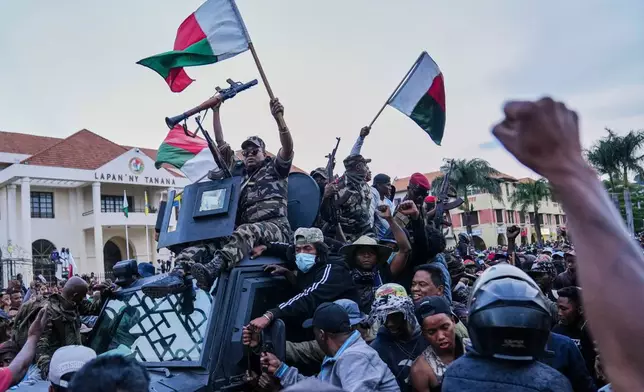
Troops loyal to CAPSAT military unit commander Col. Michael Randrianirina joins protesters to announce that the armed forces are taking control of the country in Antananarivo, Madagascar, Tuesday, Oct. 14, 2025. (AP Photo/Brian Inganga)
Thousands of young people angry at chronic water and power outages protest against the government, prompting a crackdown by security forces who use tear gas and rubber bullets. The protesters mobilize on the internet under the title “Gen Z Madagascar” and their Facebook page quickly gathers more than 100,000 followers.
Nighttime curfews are announced in the capital, Antananarivo, and other major cities.
President Andry Rajoelina fires his prime minister and the entire Cabinet in an attempt to appease the protesters. He says he has heard young Madagascans' grievances.
The protests grow, though, into wider discontent over other issues, including the cost of living, limited job opportunities and corruption and nepotism among the elite.
The United Nations says at least 22 people were killed in the early days of the protests and blames security forces for a violent crackdown to what started as peaceful protests.
Rajoelina calls for dialogue and invites youth protesters and other civic groups to talks. The protesters reject the offer, saying they won't meet with a government that kills its people. They call for protests to continue.
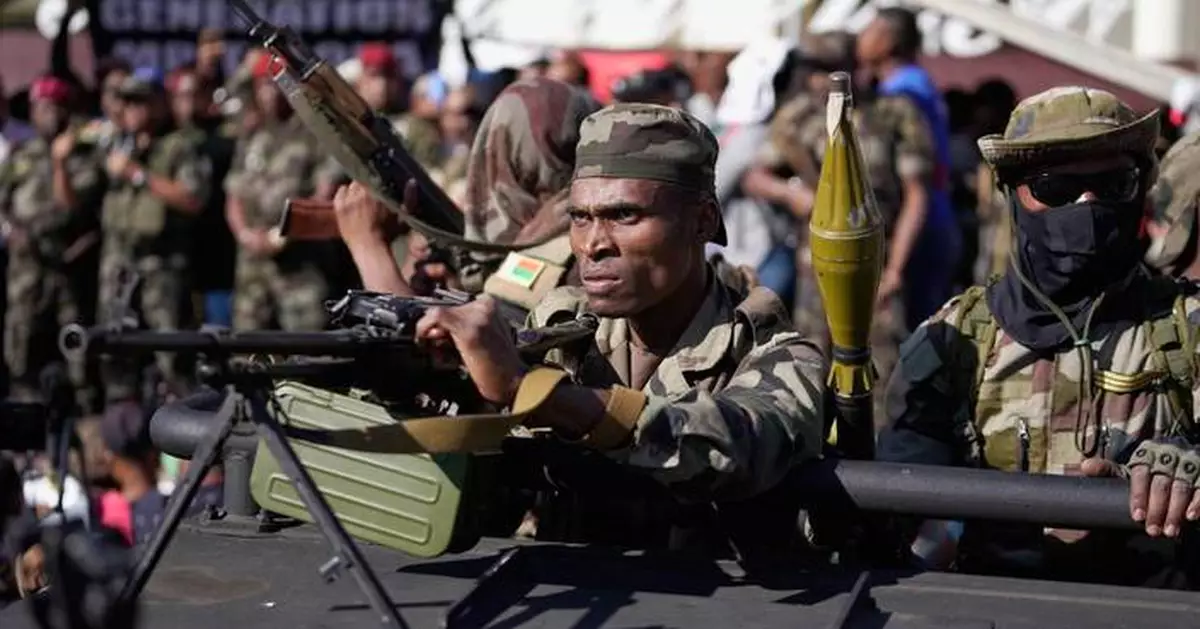
The turning point in weeks of anti-government demonstrations comes when an elite military unit rebels against Rajoelina and joins the protests. The soldiers riding in armored vehicles accompany protesters to a main square in downtown Antananarivo that has connections to previous uprisings and had been locked off by security forces.
There, Col. Michael Randrianirina, the commander of the unit, says his soldiers will disobey orders to quell the protests and he calls for Rajoelina to step down to cheers from the Gen Z protesters.
There is no reaction from Rajoelina, whose whereabouts are unknown.
Randrianirina, who is emerging as the coup leader, starts to assert his authority and says his unit is in charge of all the armed forces of Madagascar. They appoint a new general of the military, which is accepted by the minister of defense in an indication that Randrianirina is now in a position of authority.
Rajoelina breaks his silence in a statement released by his office and says there has been an illegal attempt to seize power in Madagascar. It's still not known where the president is.
After not appearing in public for days, Rajoelina makes a speech on social media and says he has fled Madagascar in fear for his life after being told there was a plot to assassinate him at his presidential palace. He calls for the constitution to be respected and says he is still the leader of the country but does not say where he is.
A tumultuous day starts with Rajoelina issuing a decree from his secret location to dissolve parliament in an attempt to block a vote by lawmakers to impeach him. Lawmakers ignore the decree and overwhelmingly vote to impeach the 51-year-old leader.
Right after the vote, Randrianirina, the military colonel, appears with other soldiers in front of an old symbolic presidential palace and announces the military is taking power. Randrianirina says a military council will be in charge of the country for at least 18 months before new elections.
Randrianirina says he will take up the position of president and will soon take the oath of office to make it official. In a later statement, he says he will be sworn in on Friday at the country's highest court.
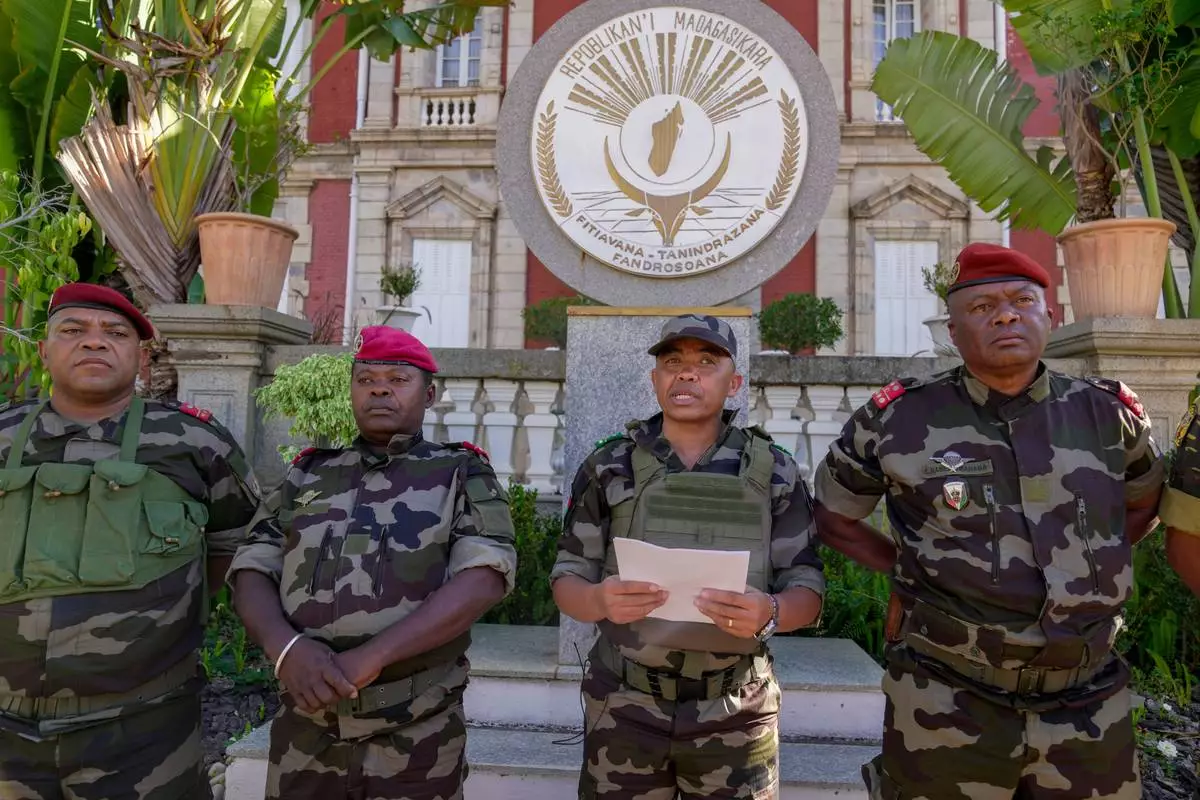
CAPSAT military unit commander Col. Michael Randrianirina, center, reads a statement saying that the armed forces are taking control of the country from the steps of the Presidency in Antananarivo, Madagascar, Tuesday, Oct. 14, 2025. (AP Photo/ Brian Inganga)
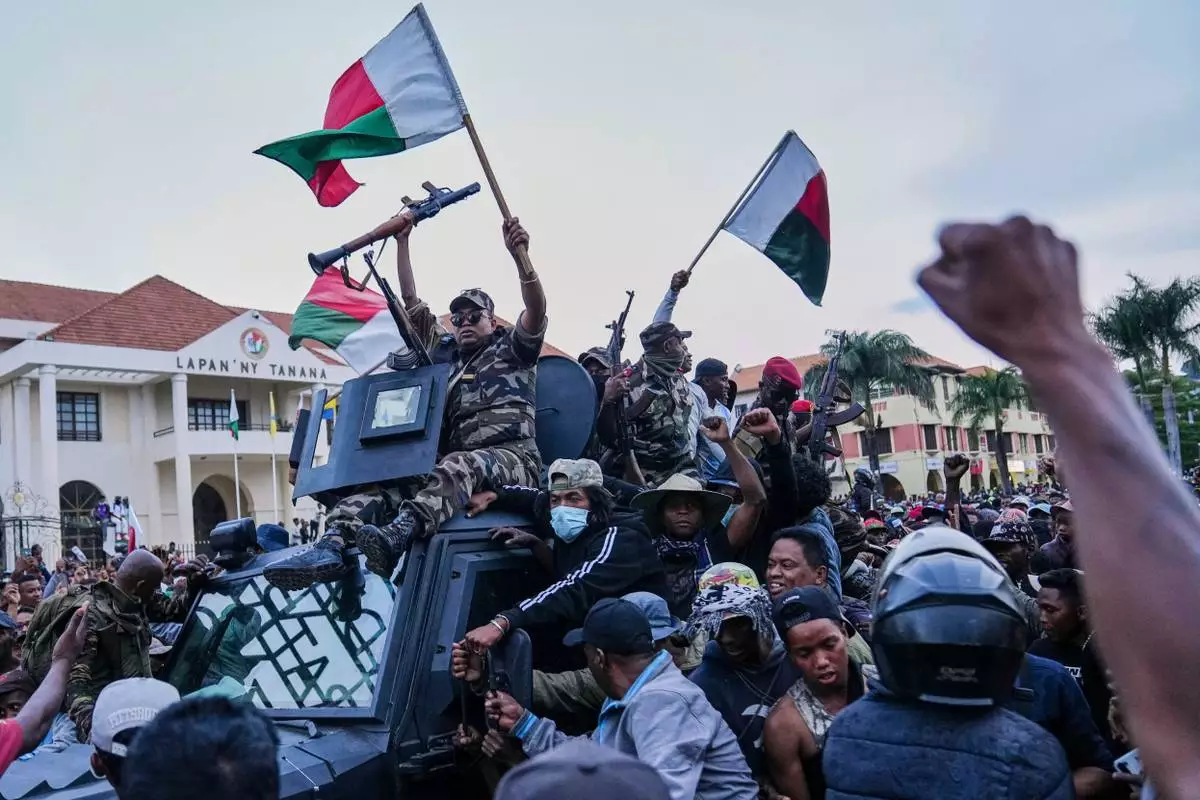
Soldiers are greeted by people gathering for a ceremony in tribute to demonstrators killed during recent anti-government protest in Antananarivo, Madagascar, Sunday, Oct. 12, 2025. (AP Photo/Mamyrael)
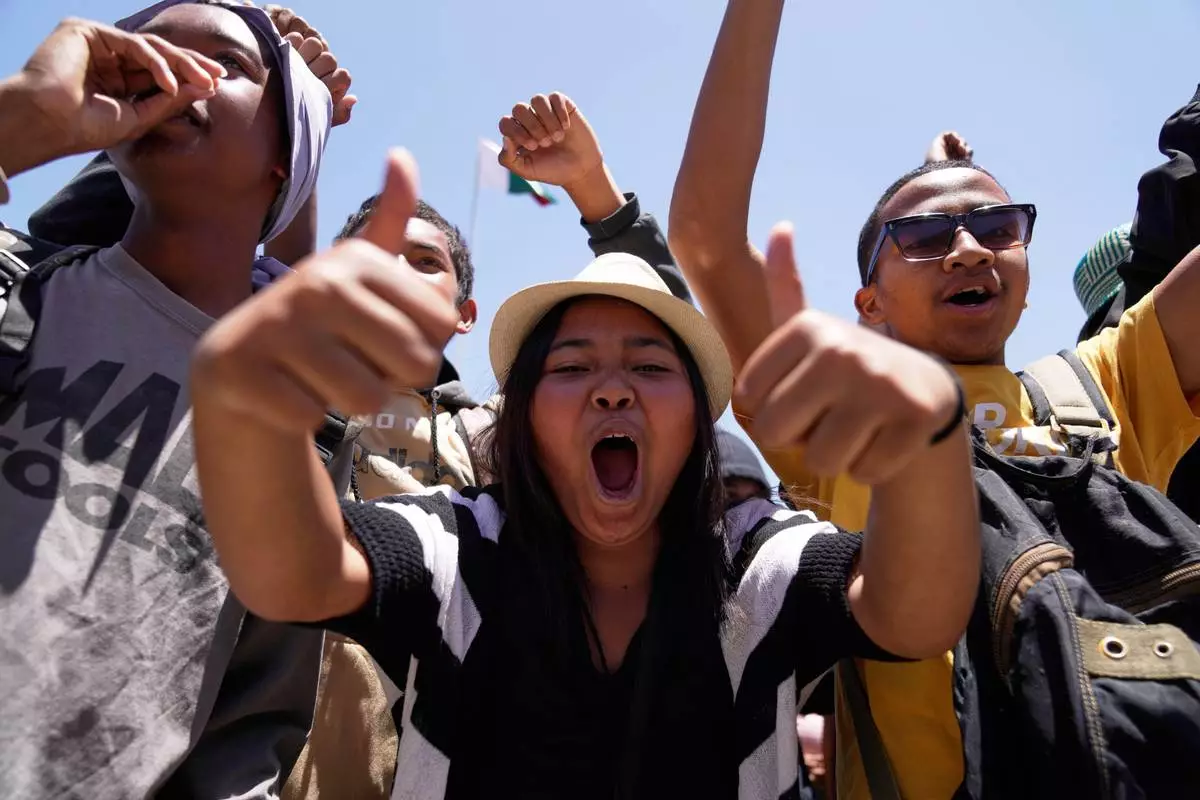
Shaniah Rakotohania, 18-year-old university student at Lycee Technique Alarabia, gestures during a protest calling for President Andry Rajoelina to step down in Antananarivo, Madagascar, Tuesday, Oct. 14, 2025. (AP Photo/Brian Inganga)
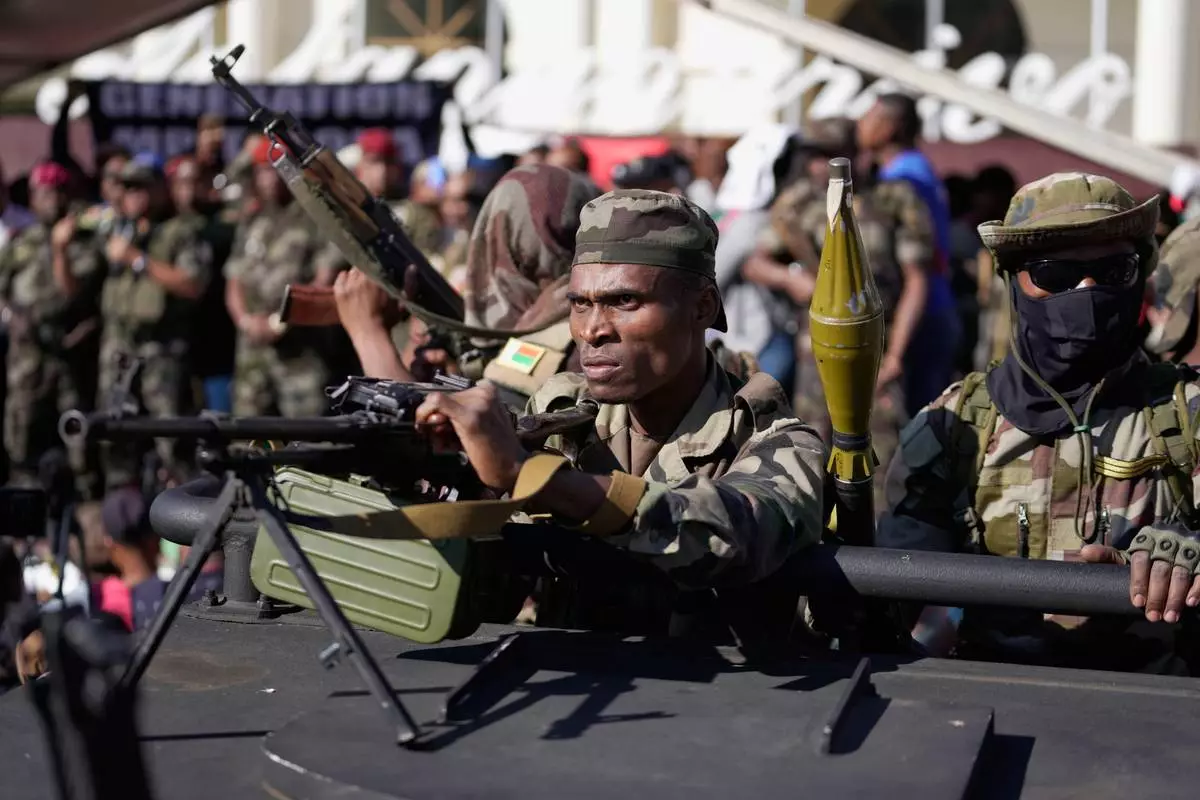
Troops loyal to CAPSAT military unit commander Col. Michael Randrianirina joins protesters to announce that the armed forces are taking control of the country in Antananarivo, Madagascar, Tuesday, Oct. 14, 2025. (AP Photo/Brian Inganga)
KAMPALA, Uganda (AP) — Uganda’s presidential election was plagued by widespread delays Thursday in addition to a days-long internet shutdown that has been criticized as an anti-democratic tactic in a country where the president has held office since 1986.
Some polling stations remained closed for up to four hours after the scheduled 7 a.m. start time due to “technical challenges," according to the nation's electoral commission, which asked polling officers to use paper registration records to ensure the difficulties did not “disenfranchise any voter.”
President Yoweri Museveni, 81, faces seven other candidates, including Robert Kyagulanyi, a musician-turned-politician best known as Bobi Wine, who is calling for political change.
The East African country of roughly 45 million people has 21.6 million registered voters. Polls are expected to close at 4 p.m. Thursday, according to the electoral commission. Results are constitutionally required to be announced in 48 hours.
Impatient crowds gathered outside polling stations expressing concerns over the delays Thursday morning. Umaru Mutyaba, a polling agent for a parliamentary candidate, said it was “frustrating” to be waiting outside a station in the capital Kampala.
“We can’t be standing here waiting to vote as if we have nothing else to do," he said.
Wine alleged there was electoral fraud occurring, noting that biometric voter identification machines were not working at polling places and claiming there was “ballot stuffing.”
“Our leaders, including Deputy President for Western Region, arrested. Many of our polling agents and supervisors abducted, and others chased off polling stations,” Wine wrote in a post on social media platform X.
Museveni told journalists he was notfied biometric machines were inoperable at some stations and he supported the electoral body's decision to revert to paper registration records. He did not comment on the allegation of fraud.
Ssemujju Nganda, a prominent opposition figure and lawmaker seeking reelection in Kira municipality, told The Associated Press he had been waiting in line to vote for three hours.
Nganda also noted biometric machines were malfunctioning, in addition to the late arrival of balloting materials, and predicted the delays likely would lead to apathy and low turnout in urban areas where the opposition has substantial support.
"It’s going to be chaos,” he said Thursday morning.
Nicholas Sengoba, an independent analyst and newspaper columnist, said delays to the start of voting in urban, opposition areas favored the ruling party.
Uganda has not witnessed a peaceful transfer of presidential power since independence from British colonial rule six decades ago.
Museveni has served the third-longest term of any African leader and is seeking to extend his rule into a fifth decade. Some critics say removing him through elections remains difficult, but the aging president’s authority has become increasingly dependent on the military led by his son, Muhoozi Kainerugaba.
Museveni and Wine are reprising their rivalry from the previous election in 2021, when Wine appealed to mostly young people in urban areas. With voter turnout of 59%, Wine secured 35% of the ballots against Museveni’s 58%, the president’s smallest vote share since his first electoral campaign three decades ago.
The lead-up to Thursday's election produced concerns about transparency, the possibility of hereditary rule, military interference and opposition strategies to prevent vote tampering at polling stations.
Uganda's internet was shut down Tuesday by the government communications agency, which cited misinformation, electoral fraud and incitement of violence. The shutdown has affected the public and disrupted critical sectors such as banking.
There has been heavy security leading up to voting, including military units deployed on the streets this week.
Amnesty International said security forces are engaging in a “brutal campaign of repression,” citing a Nov. 28 opposition rally in eastern Uganda where the military blocked exits and opened fire on supporters, killing one person.
Museveni urged voters to come out in large numbers during his final rally Tuesday.
“You go and vote, anybody who tries to interfere with your freedom will be crushed. I am telling you this. We are ready to put an end to this indiscipline,” he said.
The national electoral commission chairperson, Simon Byabakama, urged tolerance among Ugandans as they vote.
“Let us keep the peace that we have,” Byabakama said late Wednesday. “Let us be civil. Let us be courteous. Let’s be tolerant. Even if you know that this person does not support (your) candidate, please give him or her room or opportunity to go and exercise his or her constitutional right."
Authorities also suspended the activities of several civic groups during the campaign season. That Group, a prominent media watchdog, closed its office Wednesday after the interior ministry alleged in a letter that the group was involved in activities “prejudicial to the security and laws of Uganda.”
Veteran opposition figure Kizza Besigye, a four-time presidential candidate, remains in prison after he was charged with treason in February 2025.
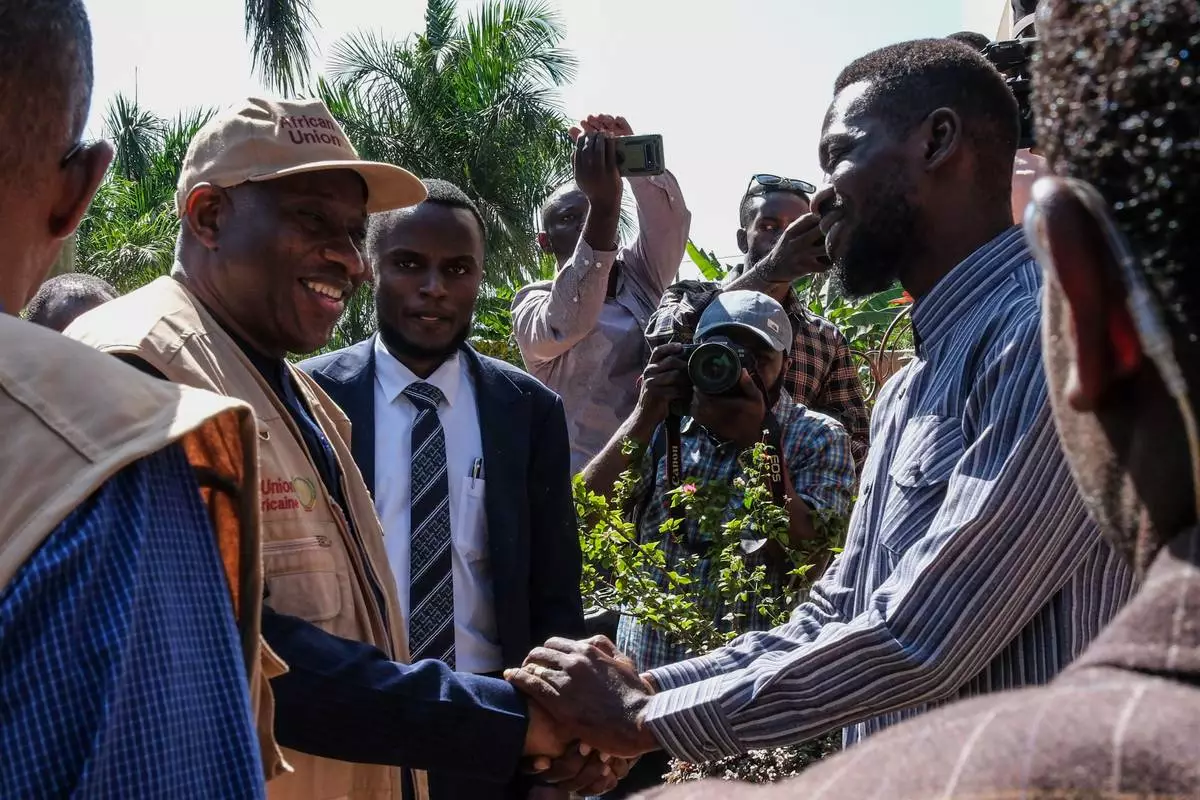
Uganda opposition presidential candidate Robert Kyagulanyi Ssentamu, known as Bobi Wine, right, greets election observers, including former Nigerian President Goodluck Jonathan, at his home in Magere village on the outskirts of Kampala, Uganda, Wednesday, Jan. 14, 2026. (AP Photo/Hajarah Nalwadda)
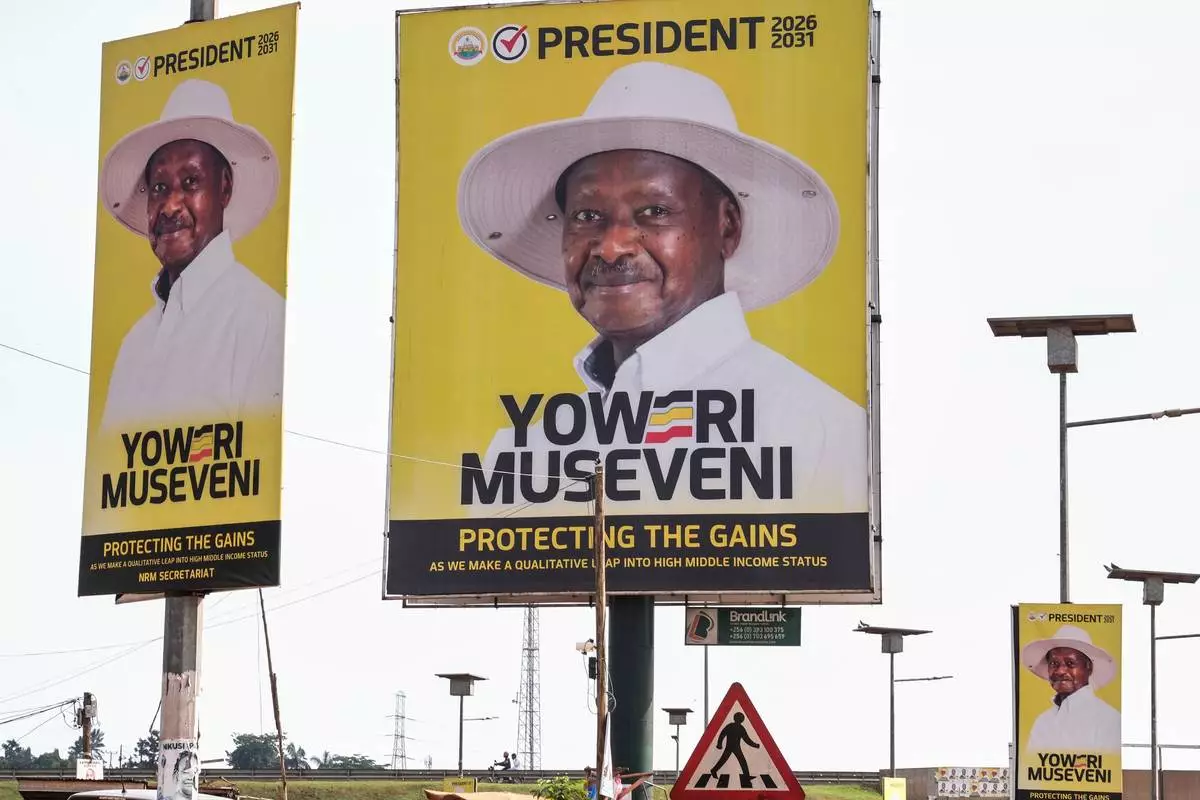
Billboards of Uganda President and National Resistance Movement (NRM) presidential candidate Yoweri Museveni are seen in Kampala, Uganda, Tuesday, Jan. 13, 2026. (AP Photo/Samson Otieno)
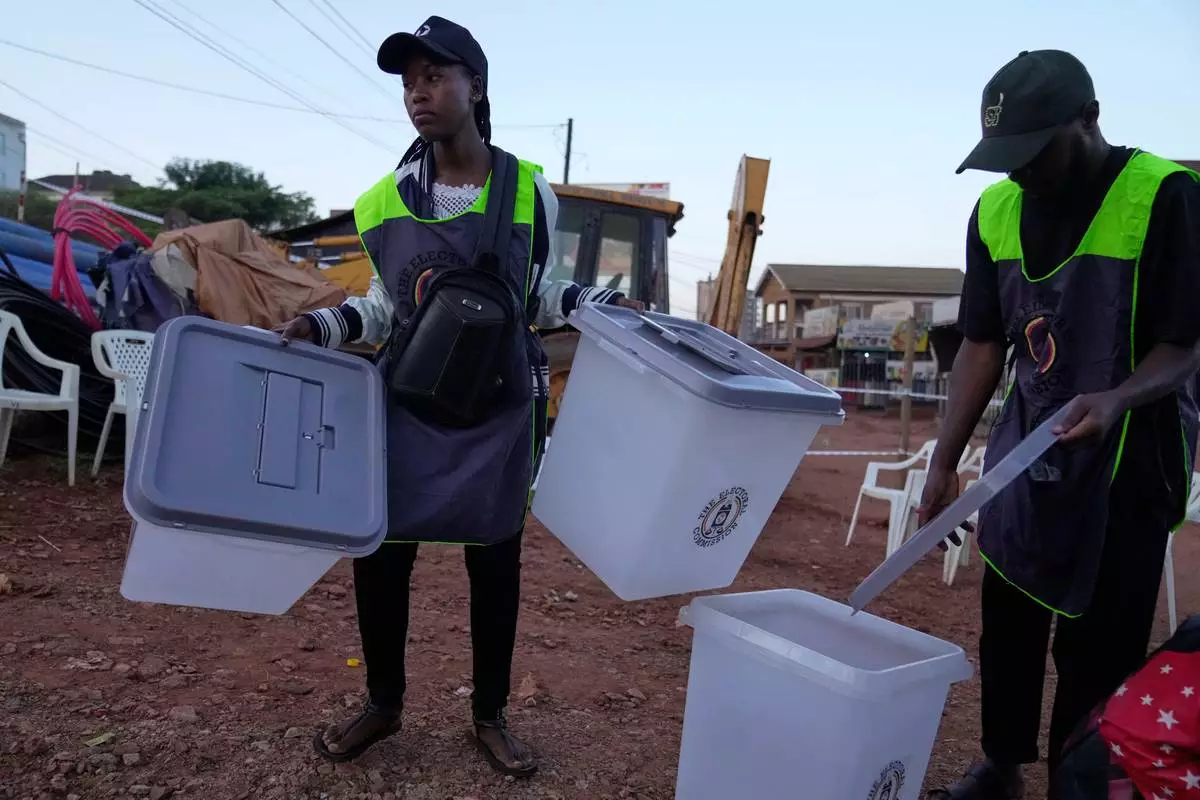
Electoral workers deliver ballot boxes to a polling station during presidential election in Kampala, Uganda, Thursday, Jan. 15, 2026. (AP Photo/Brian Inganga)
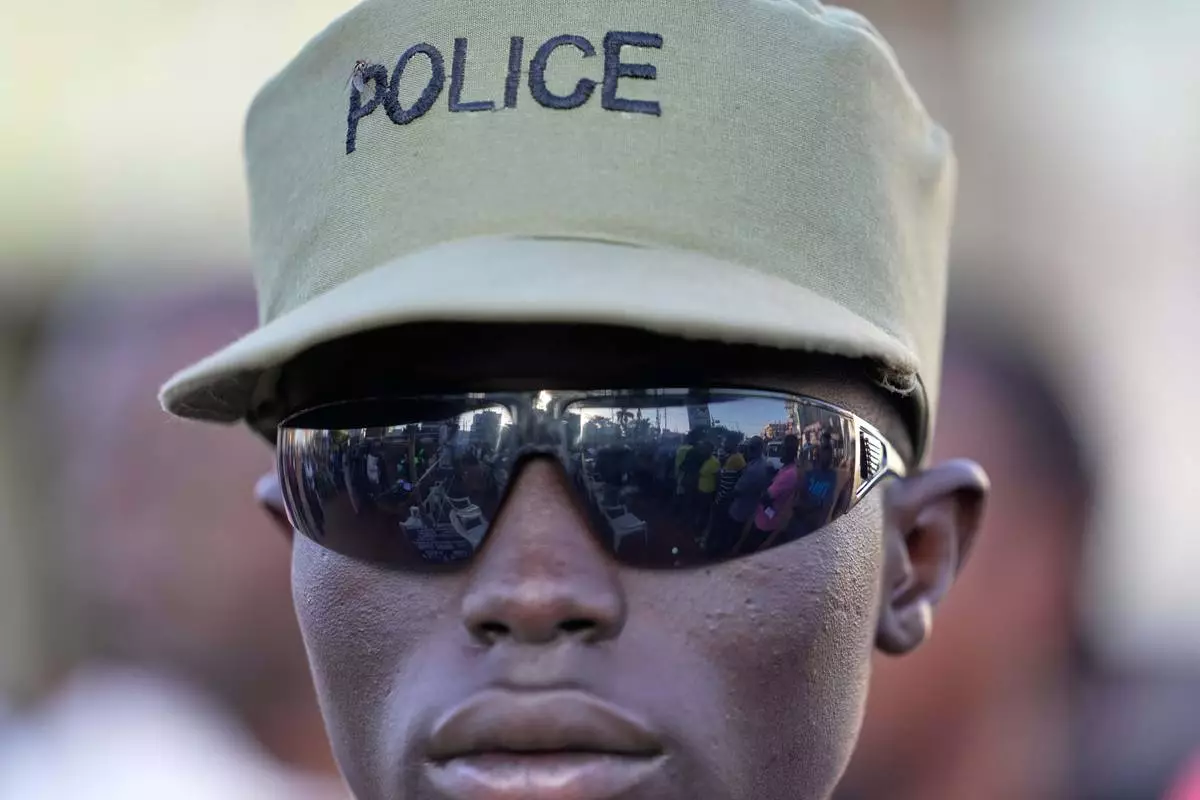
Voters are reflected in a police officer's sunglasses as they wait in line after voting failed to start on time due to system failures during presidential election in Kampala, Uganda, Thursday, Jan. 15, 2026. (AP Photo/Brian Inganga)
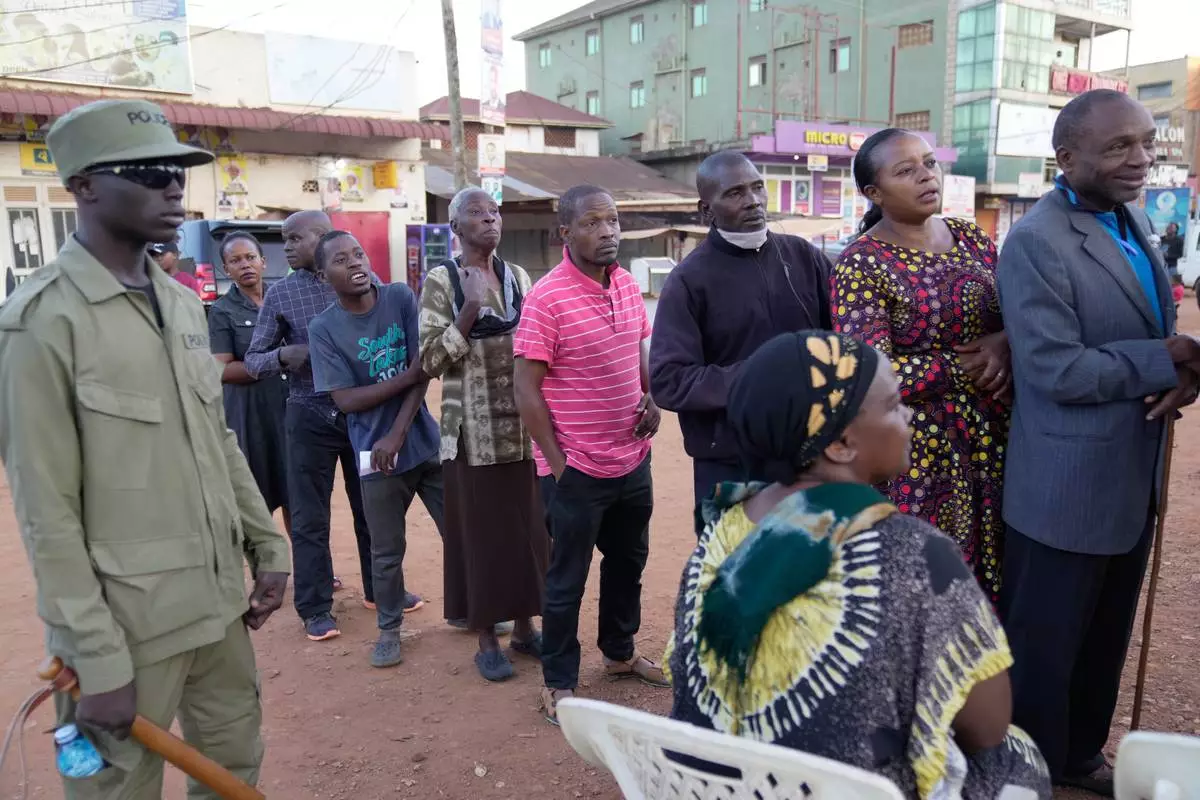
Voters wait to cast their ballots during the presidential election in Kampala, Uganda, Thursday, Jan. 15, 2026. (AP Photo/Brian Inganga)