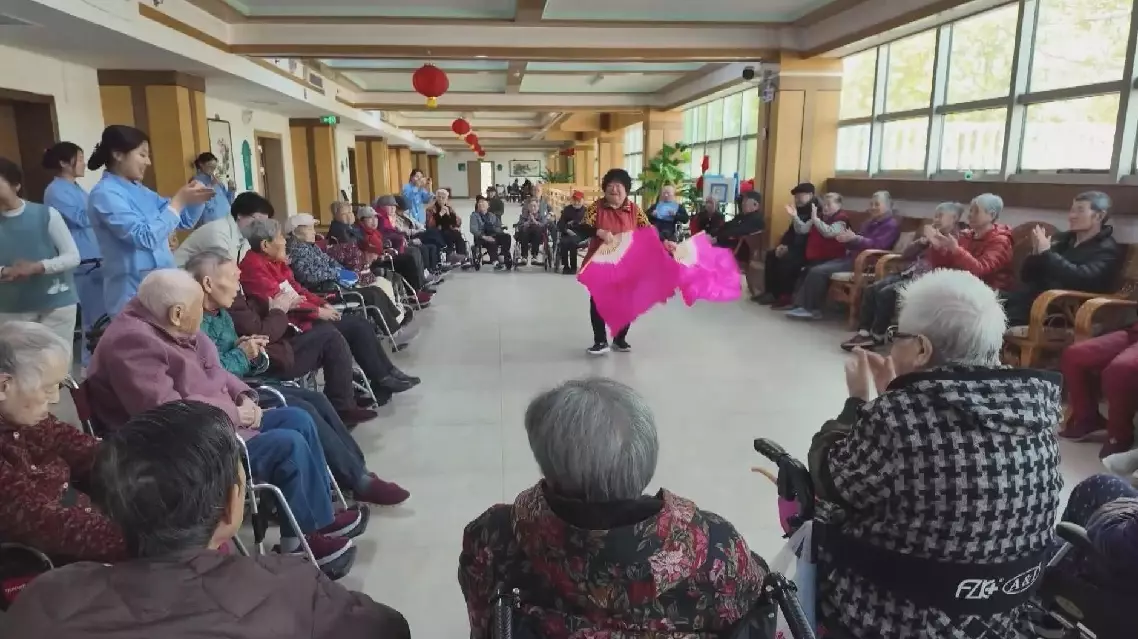
China has built a comprehensive elderly care system and expanded support for its aging population during the 14th Five-Year Plan period (2021-2025) in efforts to ensure inclusive services, social participation, and age-friendly living.
So far, the country operates 86,000 elderly canteens nationwide to provide daily meals for seniors as it has been rapidly expanding home and community-based care services.
Subsidies for seniors with moderate or severe disabilities have been extended to tens of millions of households, ensuring targeted support for those most in need.
Meanwhile, tens of millions of senior volunteers are contributing actively to community development and rural revitalization, adding what officials call "silver power" to Chinese modernization.
Over the past five years, the country has accelerated the development of a three-tier elderly care network covering both urban and rural areas, fueling the rise of a silver economy now worth trillions of yuan.
"We adhere to advancing both elderly care services and related industries. On one hand, we are expanding inclusive elderly care to ensure everyone has access to basic services. On the other hand, we are vigorously developing the silver economy by creating new business models, products, and scenarios covering seniors' needs in clothing, food, housing, transport, health and leisure. At the same time, we are also cultivating new economic growth drivers in meeting the elderly's urgent needs and improving their well-being," said Huang Shengwei, head of the aging work department from the Ministry of Civil Affairs.
During the 14th Five-Year Plan, China released a list of national basic elderly care services, providing institutional guarantees for universal service access.
More than 1.07 billion people are covered by basic pension insurance and 2.24 million homes of seniors with special difficulties have been renovated for age-friendliness.
In addition, consumption subsidies have been distributed to seniors with disabilities at the national level for the first time during the 2021-2025 period.
Moreover, the country's elderly care service system has been further improved, with over 406,000 care institutions now in place nationwide. Notably, 64.6 percent of beds in the institutions are nursing beds - surpassing the 55 percent target set in the plan ahead of schedule.
The integration of home, community, and institutional care has enabled more seniors to enjoy meal delivery, bathing, and medical assistance services conveniently within their communities.
"Our community's elderly services are really good. They bring us light meals, help with cleaning. It's lucky for us seniors to live in this era," said Cao Xiuxin, a senior resident in Changsha City, central China's Hunan Province.
During the past five year, China has also expanded support for seniors' social participation as cultural and sports facilities, as well as tourist attractions, have become more age-friendly and offer free or discounted access to seniors.
More than 68,000 elderly education centers now provide convenient learning opportunities, while the national information platform encourages seniors to continue contributing to society.
China expands elderly care system, boosts silver economy during 14th Five-Year Plan
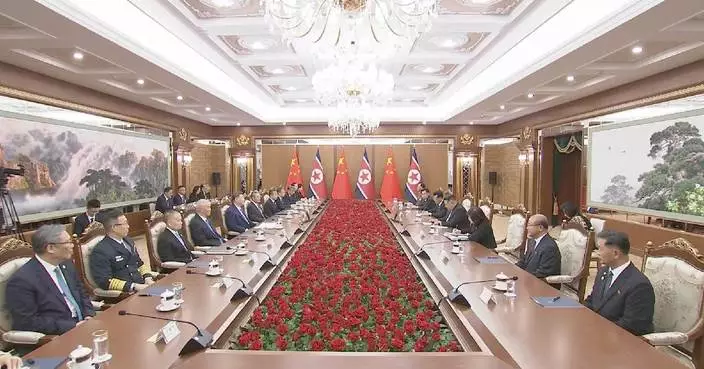
Xi Jinping, general secretary of the Communist Party of China (CPC) Central Committee and Chinese president, said on Monday that the relationship between China and the Democratic People's Republic of Korea (DPRK) stands at a new historical starting point.
Xi arrived in the DPRK capital of Pyongyang earlier on Monday to begin a two-day state visit at the invitation of Kim Jong Un, general secretary of the Workers' Party of Korea and president of the State Affairs of the DPRK, marking his first trip to the country in seven years.
Delivering a speech at a welcome banquet hosted by Kim, Xi pointed out that China and the DPRK, linked by mountains and rivers and sharing a common future, have seen their traditional friendship passed down across generations and grow ever stronger over time through the test of the evolving international landscape.
This year marks the 65th anniversary of the China-DPRK Treaty of Friendship, Cooperation and Mutual Assistance, and the China-DPRK relationship stands at a new historical starting point, Xi said, noting that he has reached important consensus with Kim during his visit.
From the strategic perspective of the future and destiny of socialism, both leaders have agreed to seize the general trend of the times, respond to the shared aspirations of the two peoples, strengthen high-level exchanges, deepen strategic communication, expand practical cooperation, enhance people-to-people bonds, promote the high-level development of China-DPRK relations, jointly open up brighter prospects for the socialist cause of both countries, and contribute to the continuous progress of human society, Xi said.
The successful convening of the Ninth Congress of the WPK this year has made strategic plans and major arrangements for the long-term development of the Party and the country's cause, ushering in a new period of comprehensive development of the DPRK's socialist cause, Xi said.
As good neighbors, good friends and good comrades, the Chinese side sincerely wishes that, under the strong leadership of the Central Committee of the WPK headed by General Secretary Kim, the DPRK people will successfully accomplish the goals and tasks set by the Ninth Congress of the WPK and make constant new achievements in the socialist cause of the DPRK, Xi said.
On behalf of the WPK, the government and the people of the DPRK, Kim extended the warmest welcome to Xi on his visit. Kim said that Pyongyang was filled with an atmosphere of friendship on this special day as the DPRK's Party, government and people warmly welcomed their most distinguished guest.
Noting that Xi's first overseas trip of the year had brought him to the DPRK, Kim said this fully demonstrated the great importance Xi attached to developing relations between the two parties and the two countries, and constituted the most valuable support for the DPRK's socialist cause.
Noting the meeting with Xi came nine months after their previous meeting, Kim said that during this meeting, they reached important consensus on further advancing DPRK-China relations with new contemporary connotations in light of new changing circumstances, and exchanged views on international and regional issues of mutual concern, which will surely accelerate the development of the DPRK-China friendship with profound historical traditions, and contribute to peace and stability in the region and the world.
The DPRK people take heartfelt joy in the remarkable achievements made by the brotherly Chinese people, Kim said, expressing belief that under the leadership of the CPC with Xi at its core, the great Chinese people will surely create greater achievements in building a great modern socialist country in all respects, realizing the Second Centenary Goal, and completing the new journey toward the great rejuvenation of the Chinese nation.
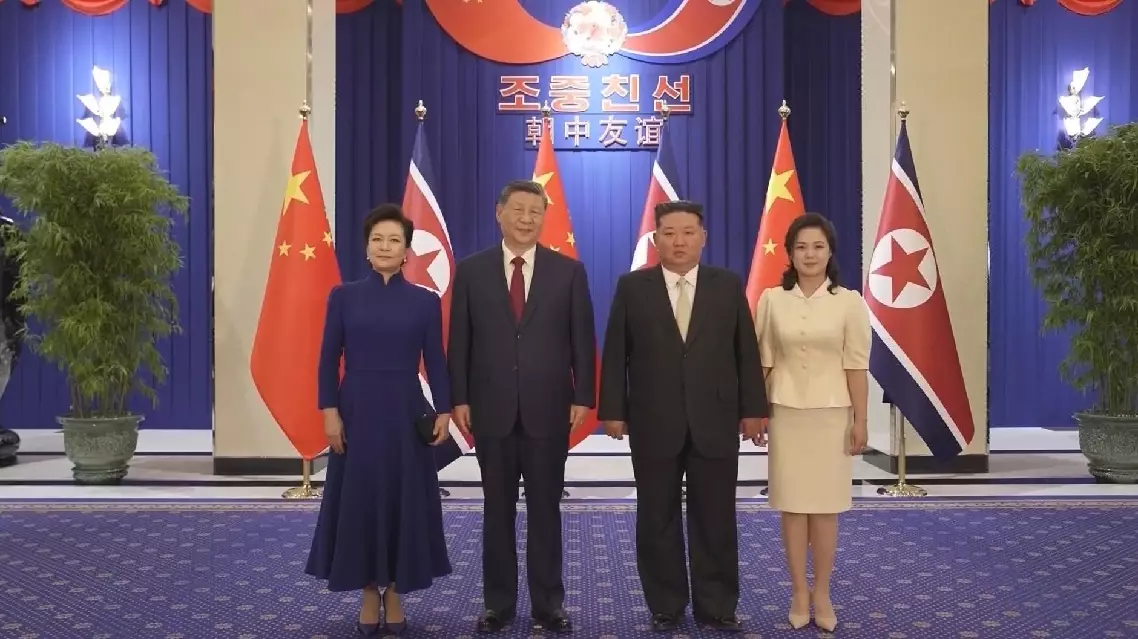
Xi says China-DPRK ties stand at new historical starting point