The 138th China Import and Export Fair, also known as the Canton Fair, concluded its first phase on Sunday in Guangzhou, capital of south China's Guangdong Province.
The five-day phase of the expo featured a wide array of eye-catching new products and technologies in various sectors, particularly those featuring smart technologies.
The second phase of the 138th Canton Fair will feature 25,000 booths across an exhibition area totaling 515,000 square meters, with a heavy focus on high-quality home living products and solutions to be presented in 15 zones.
It will provide offerings such as household goods, gifts and decorations as well as building materials and furniture.
It will also serve as a one-stop procurement platform that features both innovative designs and low-carbon concept, helping facilitate product selection and business matching between suppliers and purchasers.
"The second phase of the expo will gather about 10,000 enterprises and over 2,900 of them are high-quality enterprises with titles like national high-tech enterprises, ‘little giant’ enterprises, green manufacturing, and national industrial design centers, up over 10 percent compared with last edition. As many leading companies will take part in the second phase, they will further help promote industrial transformation and upgrading and comprehensively enhance the innovation capacity of the industries as well as their green transformation," said Zeng Ping, senior manager of exhibition operations at Canton Fair.
The autumn edition of the Canton Fair, China's largest and longest-running trade event with a history of nearly seven decades, is taking place in Guangzhou from Oct 15 to Nov 4 in three phases.
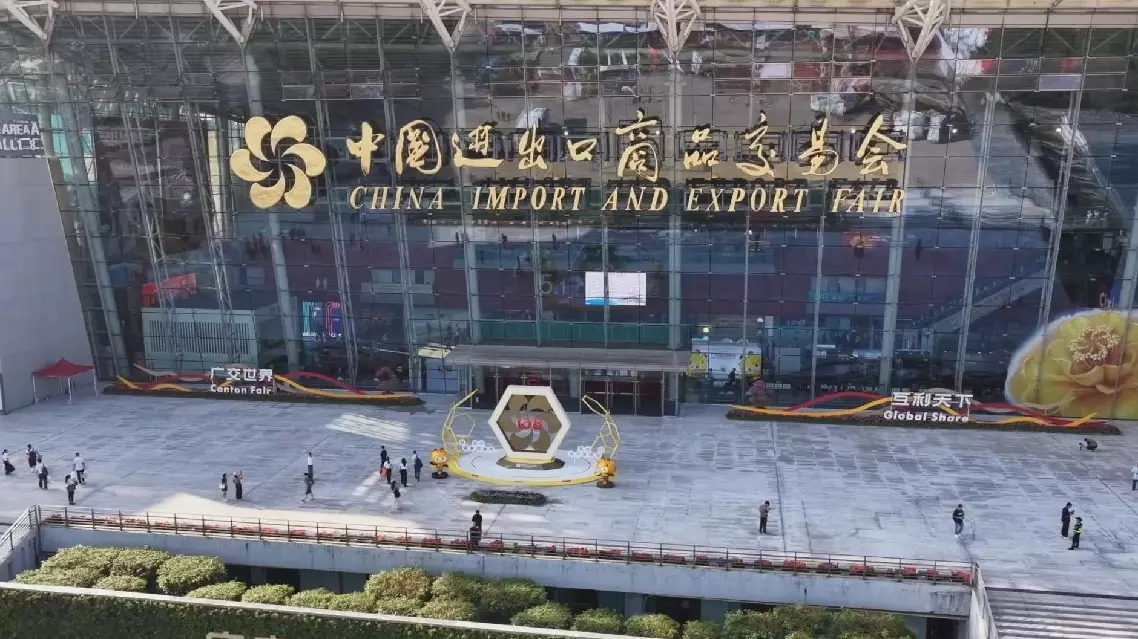
138th Canton Fair concludes 1st phase in Guangzhou
More than 1,000 coal mines in China have adopted intelligent systems, as their application expands from pilot projects to large-scale deployment, the China National Coal Association said recently.
Statistics show that by the end of 2025, a total of 1,066 coal mines nationwide have introduced smart systems, with such technologies now supporting more than 65 percent of the country's coal production capacity. The number of autonomous mining trucks in operation surpassed 4,000 units, roughly doubling on an annual basis.
The rapid adoption of smart mining is driven by robust domestic capabilities in intelligent equipment and technology. In Beijing, a newly deployed underground Internet of Things (IoT) precision positioning and management system links workers, positioning cards and operating zones, while also enabling health monitoring. Its core technologies and components are fully domestically developed and have been applied in coal mines and coal preparation plants. "This underground positioning system we've developed has a positioning deviation of less than 20 centimeters when a person or device is stationary. Even when a person or device is moving at high speeds, the margin of error remains minimal. A single device can cover a radius of 800 meters," said Wu Fengdong, general manager of China Coal Beijing Coal Mining Machinery Co., Ltd., a subsidiary of the state-owned China National Coal Group Corporation.
Since the start of the 14th Five-Year Plan period (2021–2025), cumulative investment in smart mining has exceeded 107.1 billion yuan (about 15.6 billion U.S. dollars), with intelligent technologies now widely applied, accelerating the shift from traditional mining to modern, technology-driven extraction.
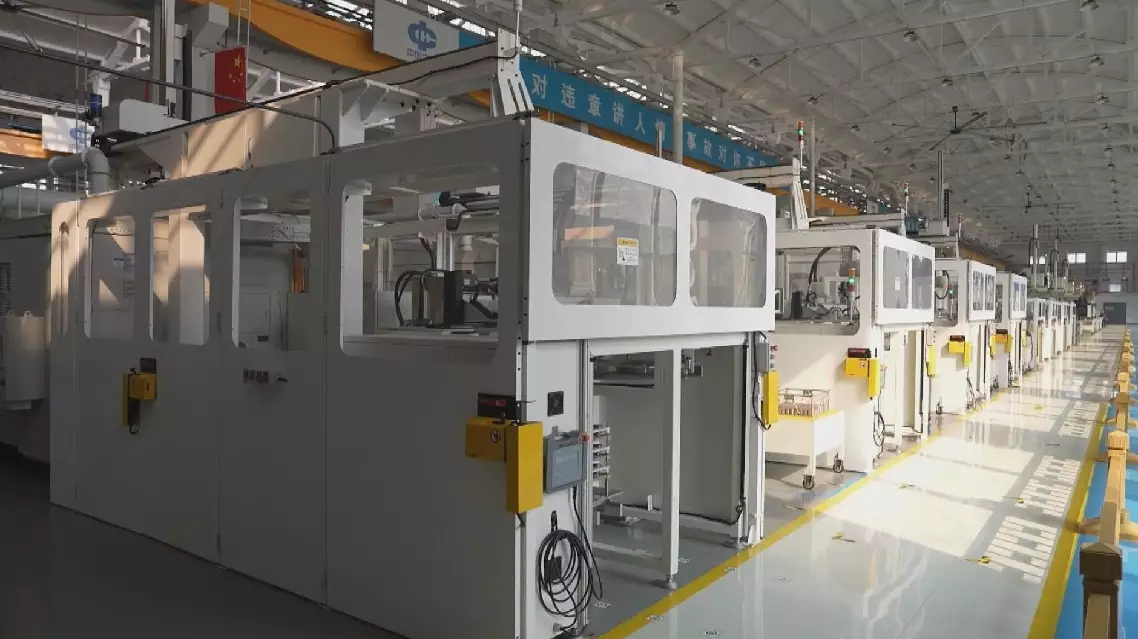
Over 60 pct of China's coal production capacity uses smart technology by end of 2025