LA PAZ, Bolivia (AP) — Bolivia's first conservative president-elect in 20 years, Rodrigo Paz, injected a sharp note of realism into his plans to tackle Bolivia's economic crisis on Monday, a day after his surprise electoral victory signaled the end of decades of leftist rule in the South American nation.
After years of government antipathy toward the U.S. under the Movement Toward Socialism party, Paz pledged to rebuild relations with Washington — and attract foreign investment to a country long locked out of international markets.
Click to Gallery
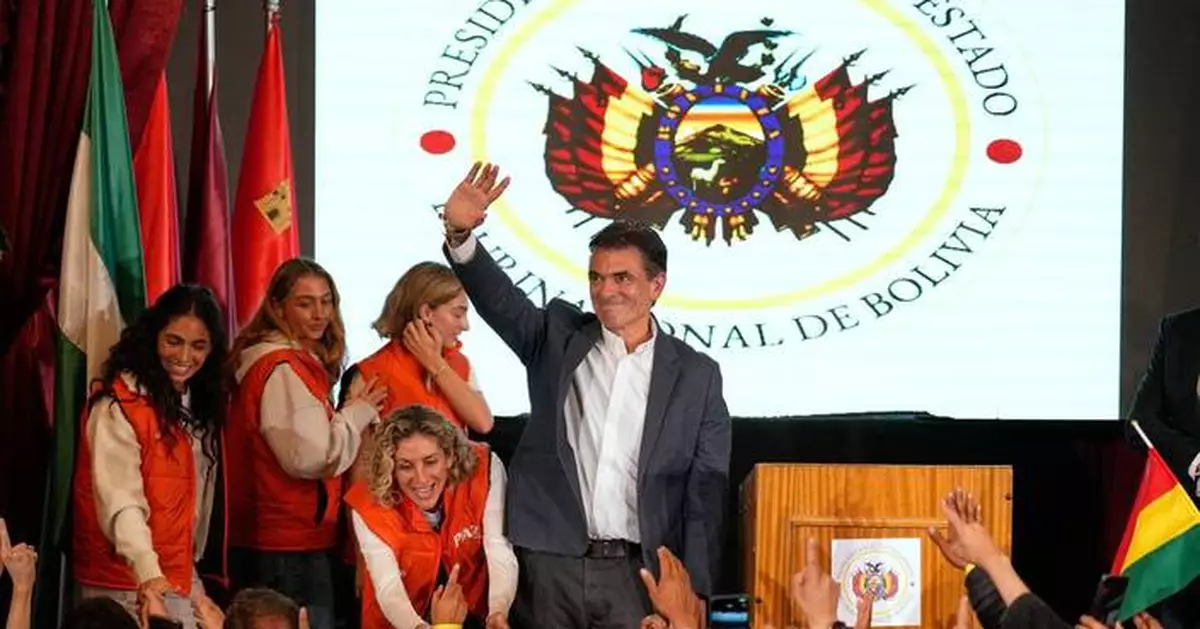
Presidential candidate Rodrigo Paz addresses supporters after preliminary results showed him leading in the presidential runoff election in La Paz, Bolivia, Sunday, Oct. 19, 2025. (AP Photo/Ivan Valencia)
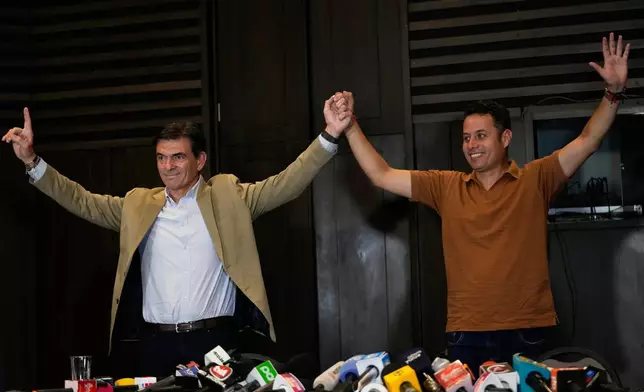
CORRECTS PEDRO TO EDMAN LARA - President-elect Rodrigo Paz, left, and his running mate Edman Lara give a press conference in La Paz, Bolivia, Monday, Oct. 20, 2025. (AP Photo/Juan Karita)
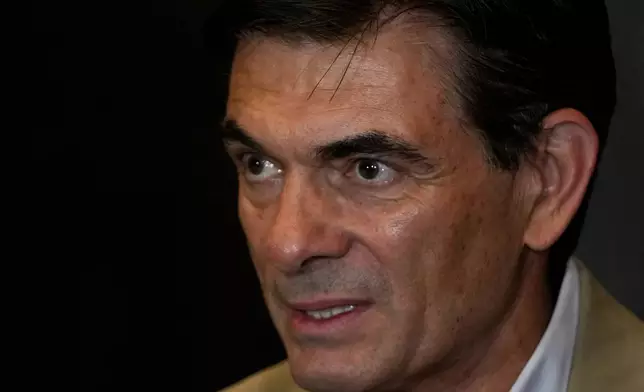
President-elect Rodrigo Paz gives a press conference in La Paz, Bolivia, Monday, Oct. 20, 2025. (AP Photo/Juan Karita)
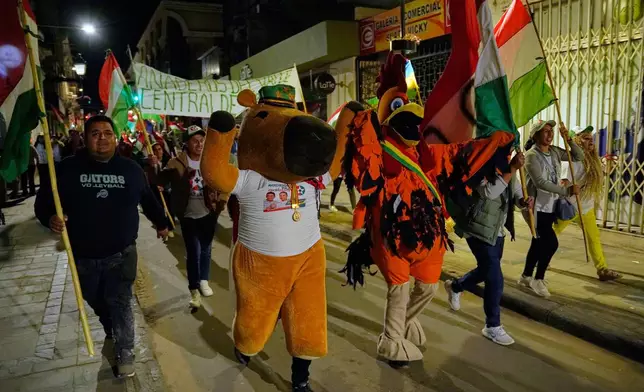
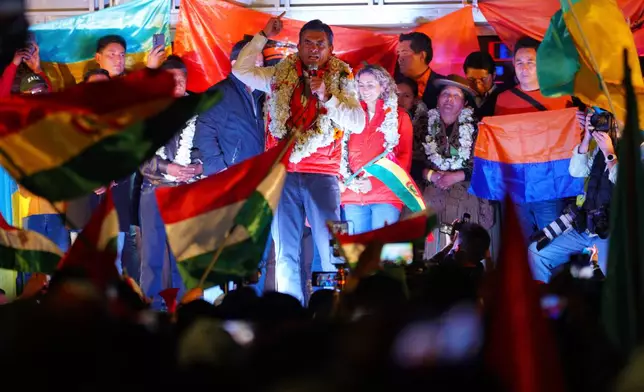
Suppoters of presidential candidate Rodrigo Paz celebrate after early results showed him leading in the presidential runoff election in Tarija, Bolivia, Sunday, Oct. 19, 2025. (AP Photo/Freddy Barragan)
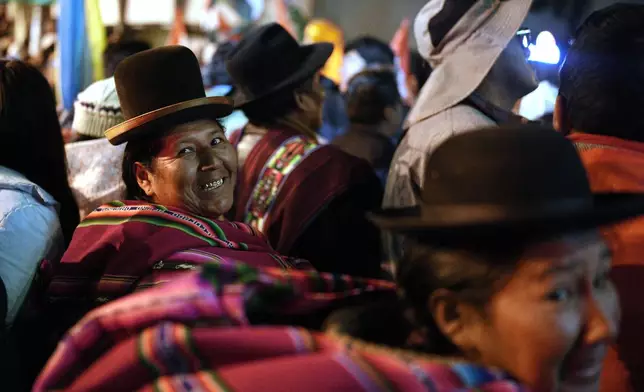
Suppoters of presidential candidate Rodrigo Paz celebrate after preliminary results showed him leading in the presidential runoff election in La Paz, Bolivia, Sunday, Oct. 19, 2025. (AP Photo/Ivan Valencia)
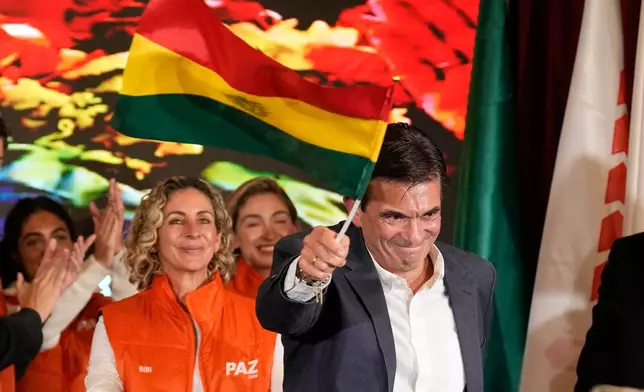
Presidential candidate Rodrigo Paz waves a Bolivian flag after preliminary results showed him leading in the presidential runoff election in La Paz, Bolivia, Sunday, Oct. 19, 2025. (AP Photo/Natacha Pisarenko)
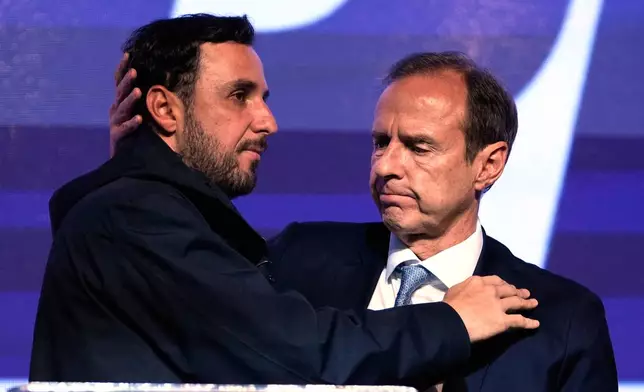
Presidential candidate Jorge "Tuto" Quiroga embraces running mate Juan Pablo Velasco, right, after early results showed them trailing in the presidential runoff election in La Paz, Bolivia, Sunday, Oct. 19, 2025. (AP Photo/Juan Karita)

Presidential candidate Rodrigo Paz waves to supporters after preliminary results showed him leading in the presidential runoff election in La Paz, Bolivia, Sunday, Oct. 19, 2025. (AP Photo//Natacha Pisarenko)
U.S. Secretary of State Marco Rubio said in a statement that Paz’s victory Sunday “marks a transformative opportunity for both nations" to work on investment, immigration, security and other matters.
“The message from Mr. Trump’s administration itself is a very clear and open signal,” Paz said at a news conference. “We will have a fluid relationship and commitments to cooperation and joint work between both nations.”
In another sign of the dramatic regional shift, Paz on Monday held a video call with Venezuelan opposition leader María Corina Machado, who was awarded the Nobel Peace Prize this month. After years of Bolivia aligning itself with Venezuela's increasingly repressive President Nicolás Maduro, Paz told Machado that his country was “here to join in the fight for Venezuela and for Latin American democracies.”
“These are very difficult times; here we have achieved a great step," he said of Bolivia's break with socialism.
Paz won 54.5% of the vote, according to preliminary results.
Paz defeated right-wing former President Jorge “Tuto” Quiroga in Sunday's presidential election runoff after a campaign in which both candidates reached out to Washington, though Quiroga was seen as having warmer ties with the Trump administration.
Quiroga pitched having the International Monetary Fund impose a fiscal shock package to right the economy, an unpopular move with many voters. Sensitive to the country’s deep-seated resentment of such international organizations under leftist rule, Paz rejected an IMF bailout.
He did reveal on Monday that he was talking to the Trump administration — among “other friendly countries” — to ensure Bolivia would have fuel imports after he takes office on Nov. 8.
“The process is underway. We are coordinating in the best way possible so that the much-needed fuel — gasoline and diesel — can arrive, and from that, we can bring calm to the population,” Paz said, without elaborating.
The commodities boom of the early 2000s sent money flowing into Bolivia under then- President Evo Morales as natural gas exports surged. But production slumped and, amid profligate spending on subsidies, the central bank has practically run out of U.S. dollars.
Without the cash to pay for imports, fuel lines stretch along the streets of major cities. Year-on-year inflation soared to 23% in September, the highest rate since 1991.
Paz — the son of former leftist President Jaime Paz Zamora — was a political unknown in the early stages of the campaign despite his two decades in politics, first as a mayor, then as a senator.
But his pick as a running mate of Edman Lara, a social media-savvy former police captain, transformed his campaign, solidifying his appeal to working-class and rural voters who saw themselves in Lara's own humble origin story and in his public struggles against what they see as a corrupt establishment.
Lara gained fame on TikTok in 2023 after being fired from the police force for denouncing corruption in viral videos.
Lara made populist promises like pension increases and cash handouts for the poor that flew in the face of Paz's grim economic arithmetic, but he helped differentiate Paz from Quiroga and whipped up excitement among many Bolivians who once belonged to the MAS party.
Morales, who governed for 14 years and was barred from this race due to a contentious court ruling on term limits, warned Paz and Lara on Monday that winning the votes of his former followers comes at a price.
“It does not give you a blank check,” Morales said. “It is a vote with a mandate ... not to apply neoliberal measures, not to submit to imperialism, not to be repressive, not to criminalize protest."
On Monday, Paz spoke soberly about the importance of cleaning house and restoring faith in Bolivia’s corruption-riddled institutions before making any splashy promises.
The leader of Paz’s economic team, José Gabriel Espinoza, told the AP that cash handouts for the poor were still financially feasible to help cushion the blow of lifting the country's expensive fuel subsidies.
Espinoza said that Congress had already approved a $3.5 billion loan to be disbursed over the coming months and that Paz is working on another $600 million to balance the books within the first 60 days of his presidency.
“Today we have a blind subsidy, we subsidize fuel for everyone. So what we’ll do is target the subsidy to poorer families through direct cash transfers, while keeping gasoline prices stable for transport workers,” said Espinoza.
When asked how he would draw foreign investment and take on foreign debt, Paz repeated: “First you put the house in order quickly."
That involves changing Bolivia's Constitution, he said, a prospect that has stirred fears among the country's Indigenous majority who finally found political representation in the 2005 election of MAS party founder Morales as the country’s first Indigenous president.
Under Morales, a 2009 constitution gave Indigenous and other grassroots groups a bigger role in electoral politics and decision-making after years of being treated as second-class citizens by Bolivia's largely white and mestizo, or mixed-race, minority. The constitution also overhauled the judicial system, making it more vulnerable to political influence.
Paz promised that his government would respect its commitment to the Indigenous majority but prioritize changes in a judiciary that for years has been seen as a political prize to be won rather than a check on government power. He pledged to convene a summit to produce concrete proposals the day after his inauguration.
To contain any frustration at his inability to fulfill his promises in the short term while pushing through difficult reforms, experts say that Paz will need to show the negotiating powers that he boasted of in his campaign.
He appeared aware of that in Monday's news conference, saying that he and Lara “have extended our hand to all political forces in Parliament.”
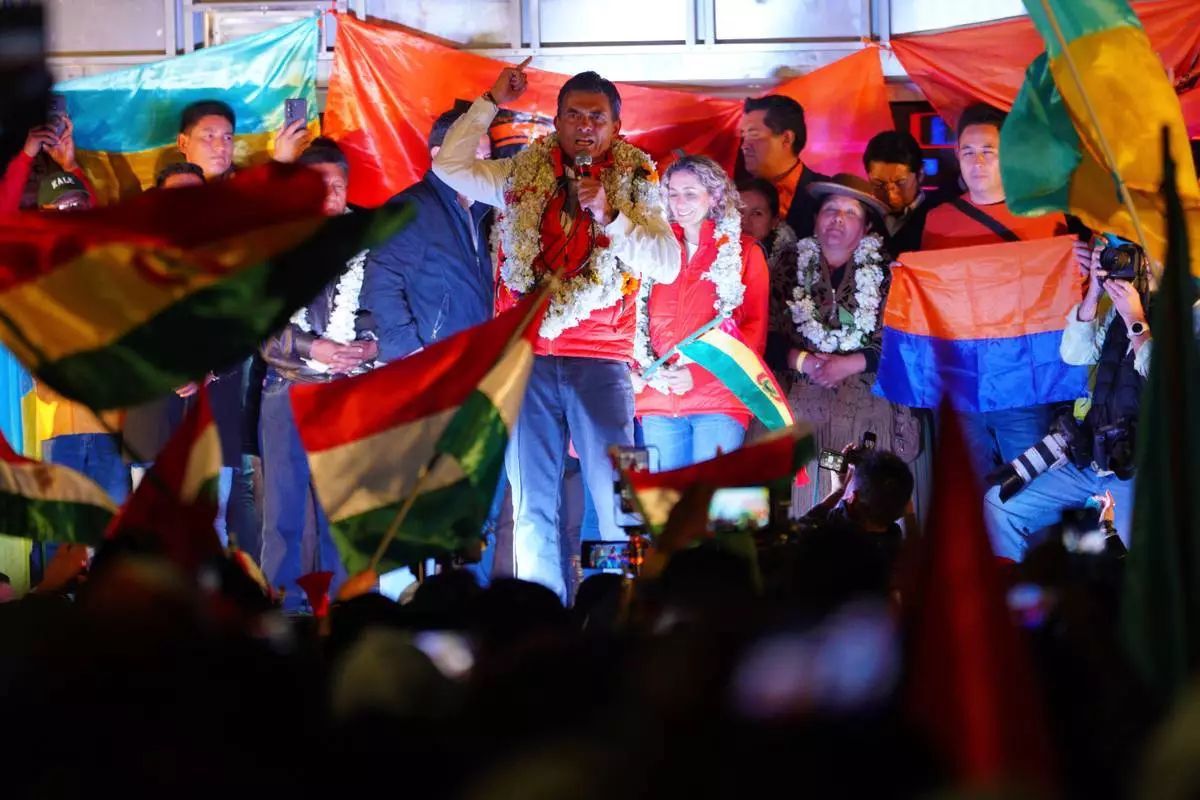
Presidential candidate Rodrigo Paz addresses supporters after preliminary results showed him leading in the presidential runoff election in La Paz, Bolivia, Sunday, Oct. 19, 2025. (AP Photo/Ivan Valencia)
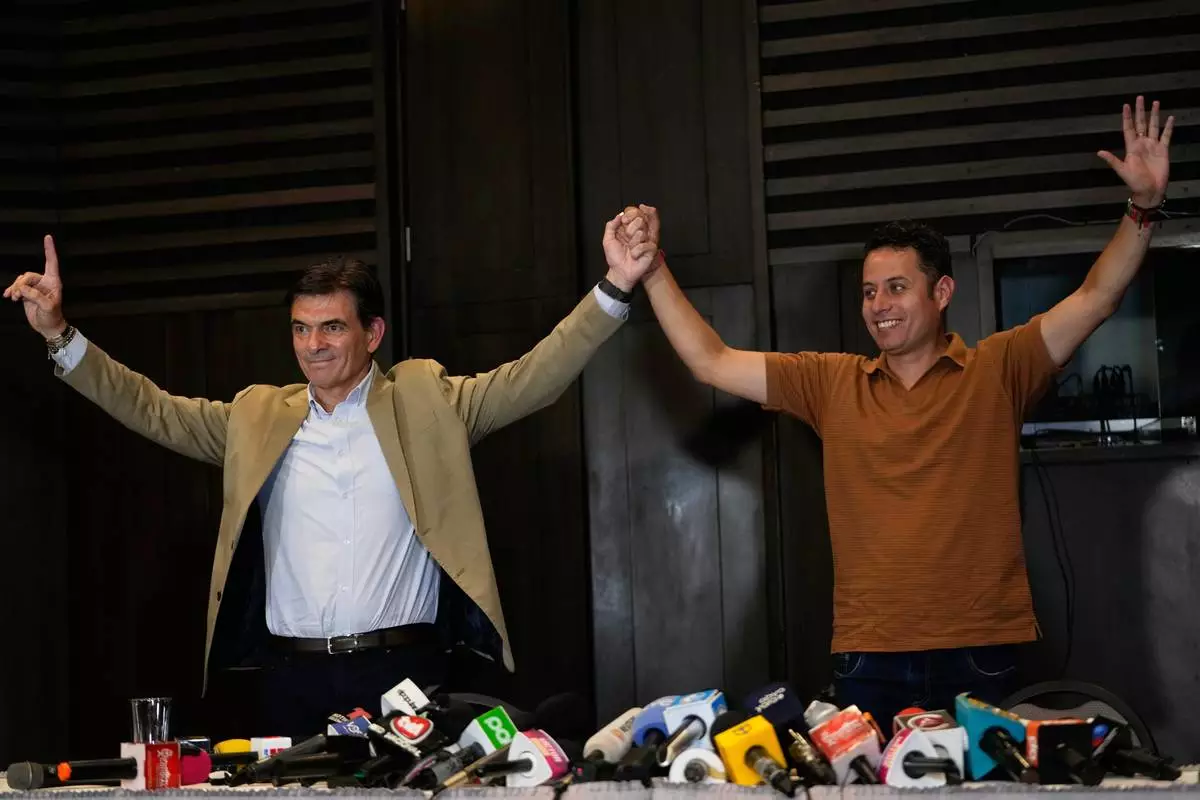
CORRECTS PEDRO TO EDMAN LARA - President-elect Rodrigo Paz, left, and his running mate Edman Lara give a press conference in La Paz, Bolivia, Monday, Oct. 20, 2025. (AP Photo/Juan Karita)
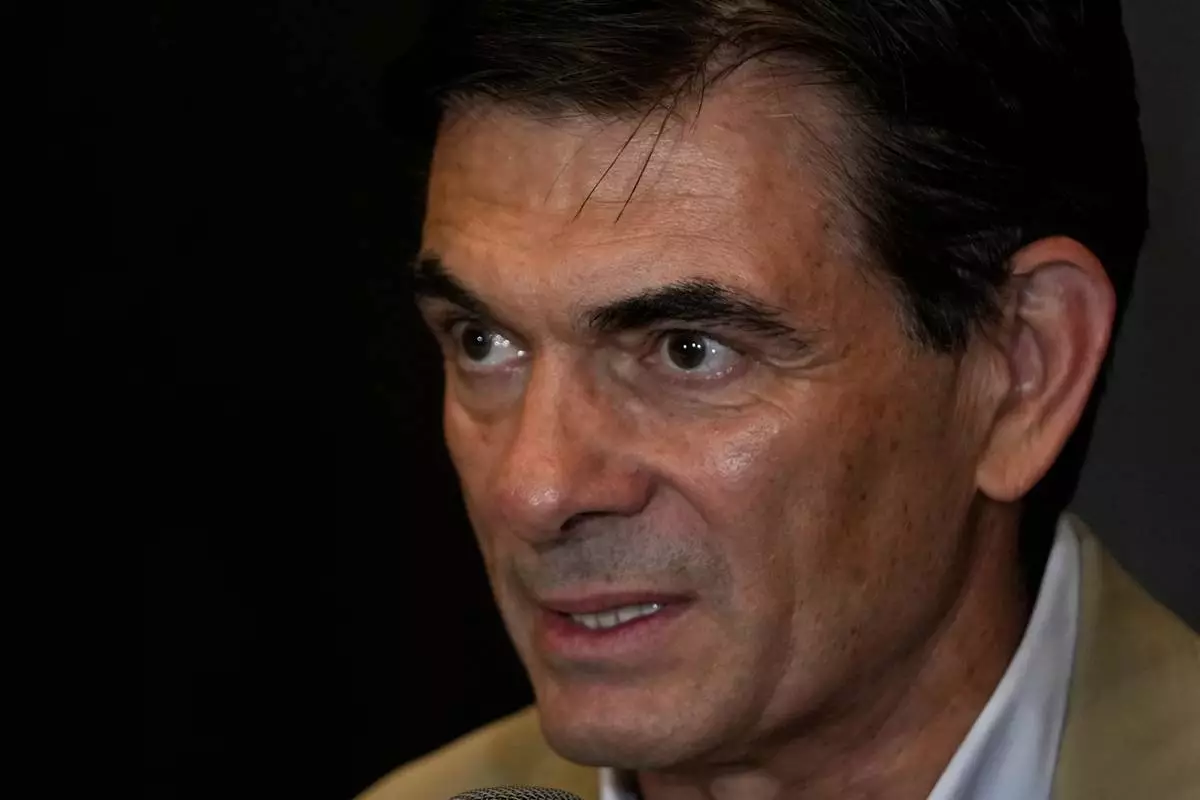
President-elect Rodrigo Paz gives a press conference in La Paz, Bolivia, Monday, Oct. 20, 2025. (AP Photo/Juan Karita)
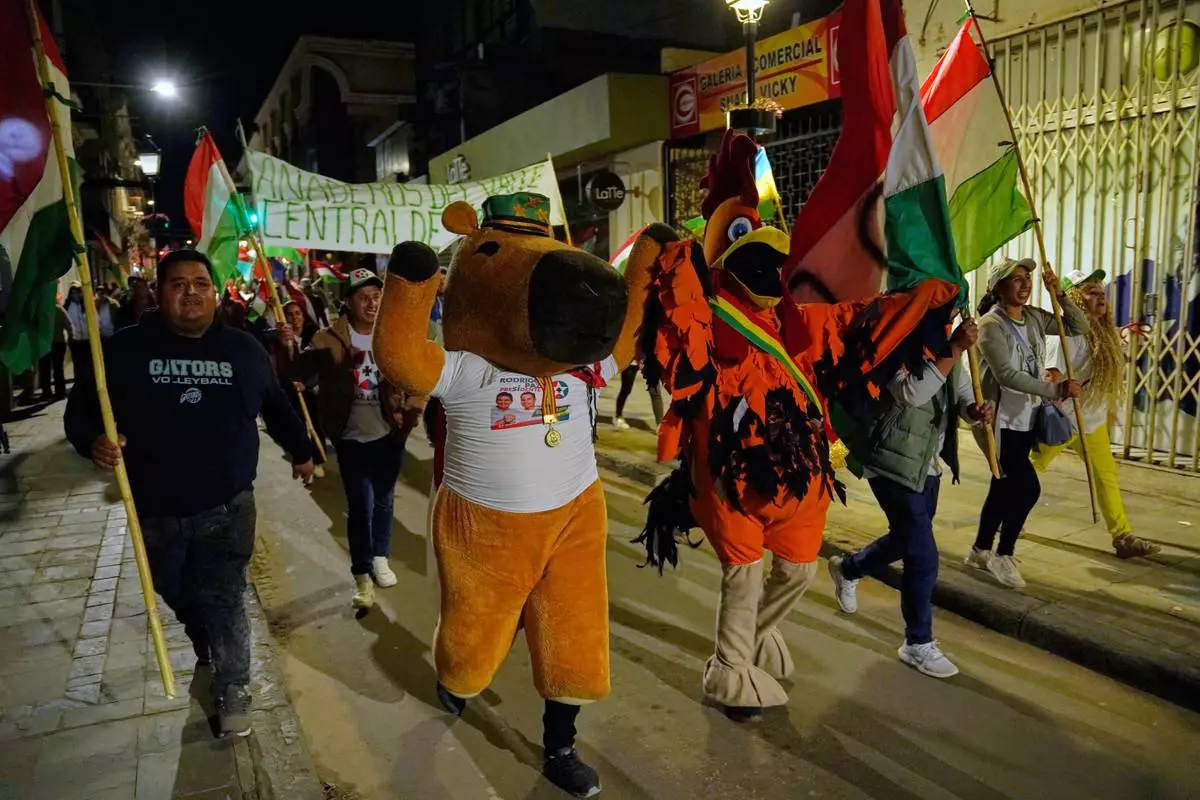
Suppoters of presidential candidate Rodrigo Paz celebrate after early results showed him leading in the presidential runoff election in Tarija, Bolivia, Sunday, Oct. 19, 2025. (AP Photo/Freddy Barragan)

Suppoters of presidential candidate Rodrigo Paz celebrate after preliminary results showed him leading in the presidential runoff election in La Paz, Bolivia, Sunday, Oct. 19, 2025. (AP Photo/Ivan Valencia)
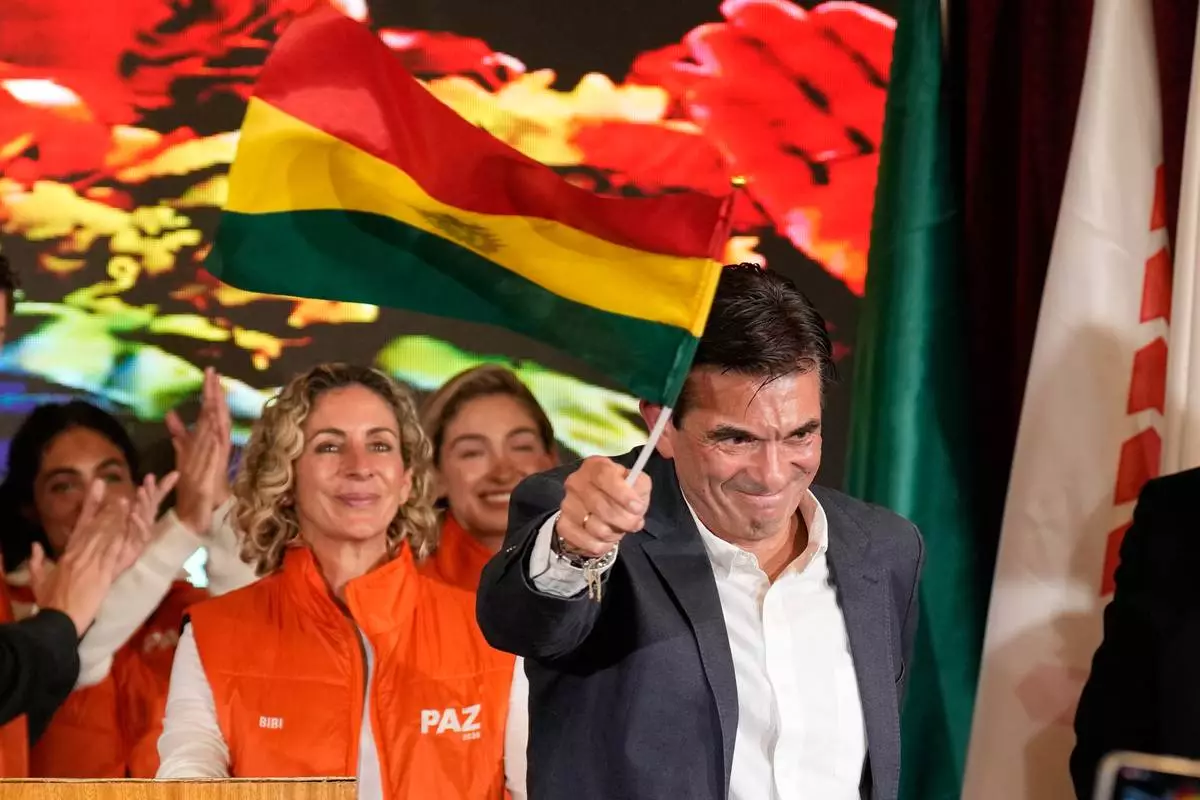
Presidential candidate Rodrigo Paz waves a Bolivian flag after preliminary results showed him leading in the presidential runoff election in La Paz, Bolivia, Sunday, Oct. 19, 2025. (AP Photo/Natacha Pisarenko)
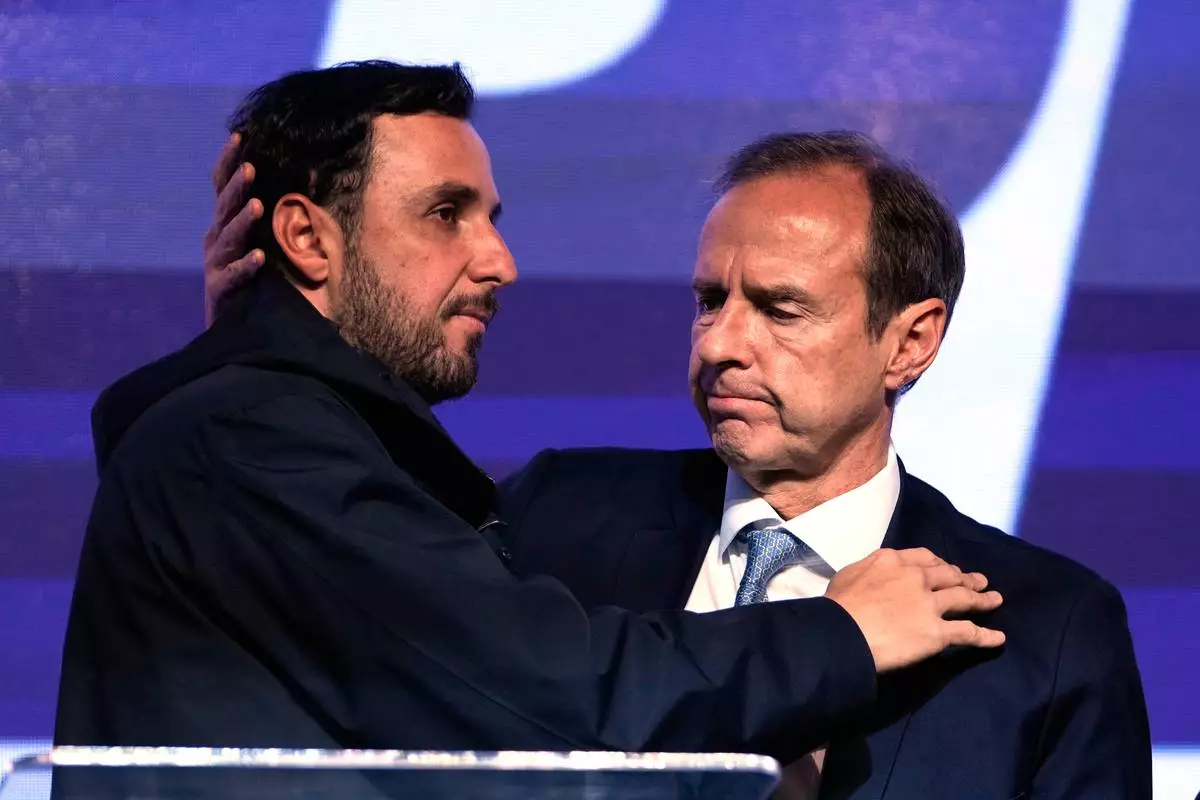
Presidential candidate Jorge "Tuto" Quiroga embraces running mate Juan Pablo Velasco, right, after early results showed them trailing in the presidential runoff election in La Paz, Bolivia, Sunday, Oct. 19, 2025. (AP Photo/Juan Karita)
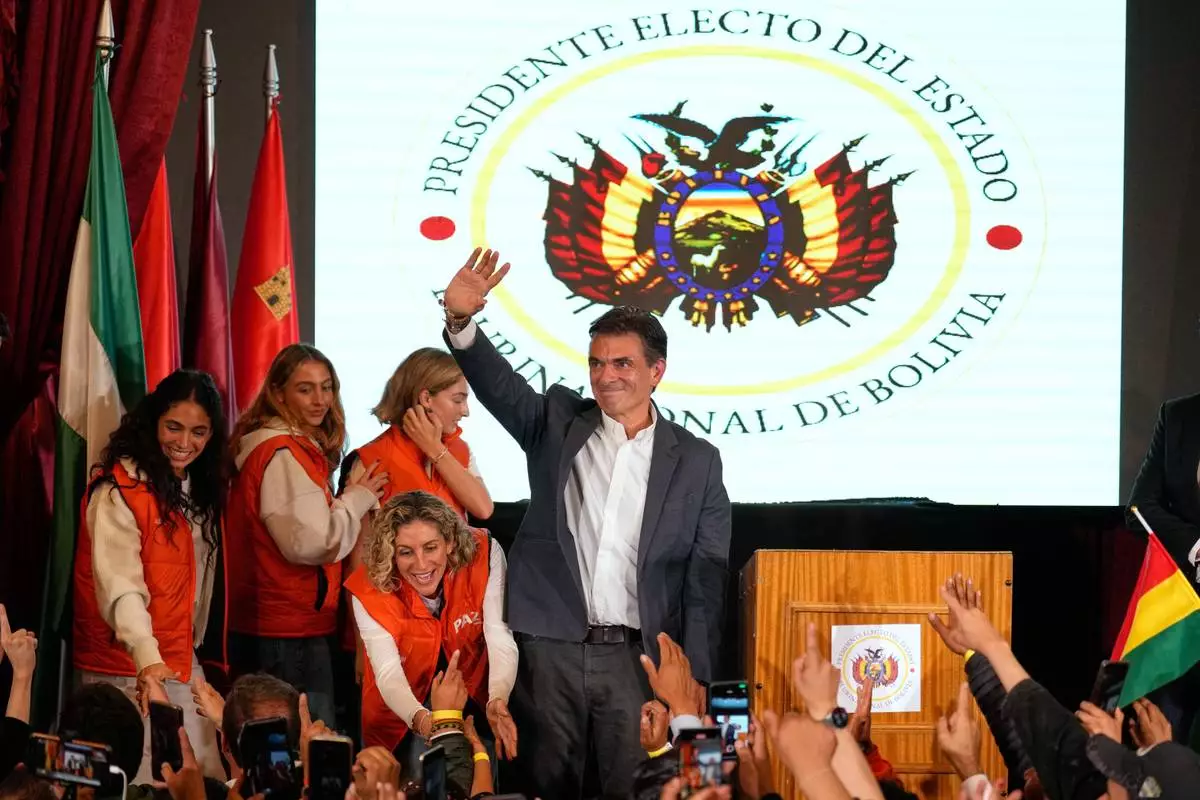
Presidential candidate Rodrigo Paz waves to supporters after preliminary results showed him leading in the presidential runoff election in La Paz, Bolivia, Sunday, Oct. 19, 2025. (AP Photo//Natacha Pisarenko)