The ceasefire in Gaza has enabled United Nations (UN) agencies to reach more people in the enclave with life-saving food, but greater access is needed to avert further suffering, a UN representative said in Geneva on Tuesday.
Abeer Etefa, senior regional communications officer and spokesperson for the World Food Programme (WFP), said that since the ceasefire between Israel and Hamas took effect, the agency has delivered over 6,700 metric tonnes of food, enough for nearly half a million people for two weeks.
"Daily deliveries continue and they're now averaging around 750 tonnes. That's much better than what we had before the ceasefire, but it's still well below our target, which is around 2,000 tonnes everyday," she said.
Etefa called for the immediate opening of all crossing points to deliver aid to Gaza residents in need.
"It's very important that we get all the border crossing points open at the moment. Since Friday, since we spoke, we still have only Kerem Shalom and Kissufim only open for the deliveries, which does not really serve the north. So it's very important we get into these border crossing points," she said.
The rubble of buildings destroyed in Israeli attacks continues to block access to northern Gaza, where a famine was declared in August.
"We need Erez, we need Zikim, we need these border crossing points to open," Etefa stressed, referring to crossings from Israel into the northern Gaza Strip.
Reaching northern Gaza with large-scale convoys is a priority.
"We've cleared roads at scale into the north," she said, "but we need these crossings open to connect to Gaza City, where conditions are especially dire."
The WFP is restoring its food distribution network, aiming for 145 distribution points across the Strip, with 26 reopened so far.
People are showing up in large numbers, grateful for the efficiency and the dignified way they can collect their rations, Etefa said.
The aid is especially crucial for "the most vulnerable" - women, children, and the elderly, she added.
While "there is cautious optimism" about how long current conditions will last, many families are saving some of their rations because they are not confident the ceasefire will hold.
"It is a fragile peace," she said.
Food prices remain prohibitive, and supplies are still insufficient.
People can find food in the market, but it's out of reach because it's extremely expensive, Etefa warned.
The WFP is also helping the most food-insecure households with a digital payment system, enabling about 140,000 people to buy food locally, with plans to double that number soon. But Etefa stressed that humanitarian aid alone cannot solve the crisis, and commercial supplies must enter to complement relief efforts.
Only a fully implemented and sustained ceasefire can allow WFP to operate at the scale needed, Etefa said.
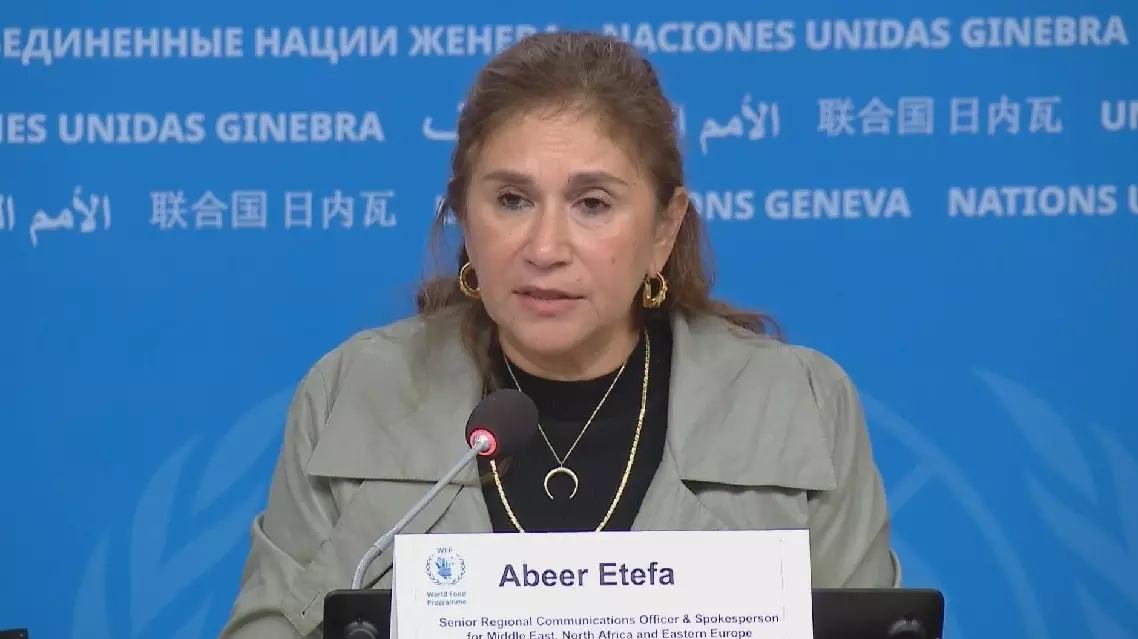
WFP calls for greater border access to accelerate delivery of food aid in Gaza
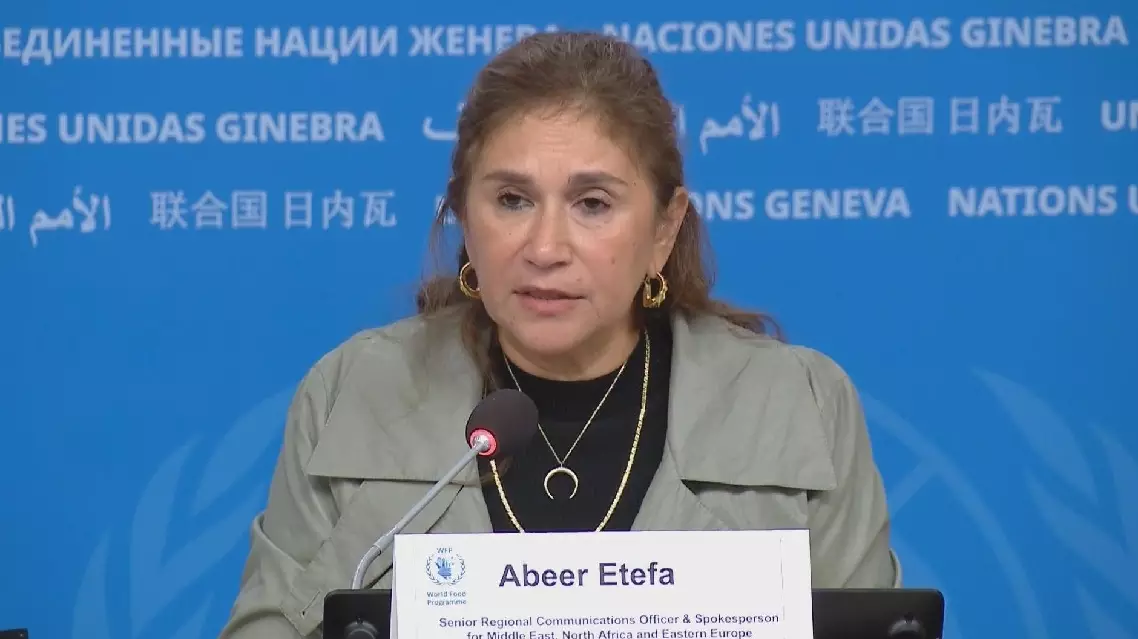
WFP calls for greater border access to accelerate delivery of food aid in Gaza