DUBAI, United Arab Emirates (AP) — Saudi Arabia appointed a prominent ultraconservative scholar late Wednesday as the country's new grand mufti, the kingdom's top religious scholar.
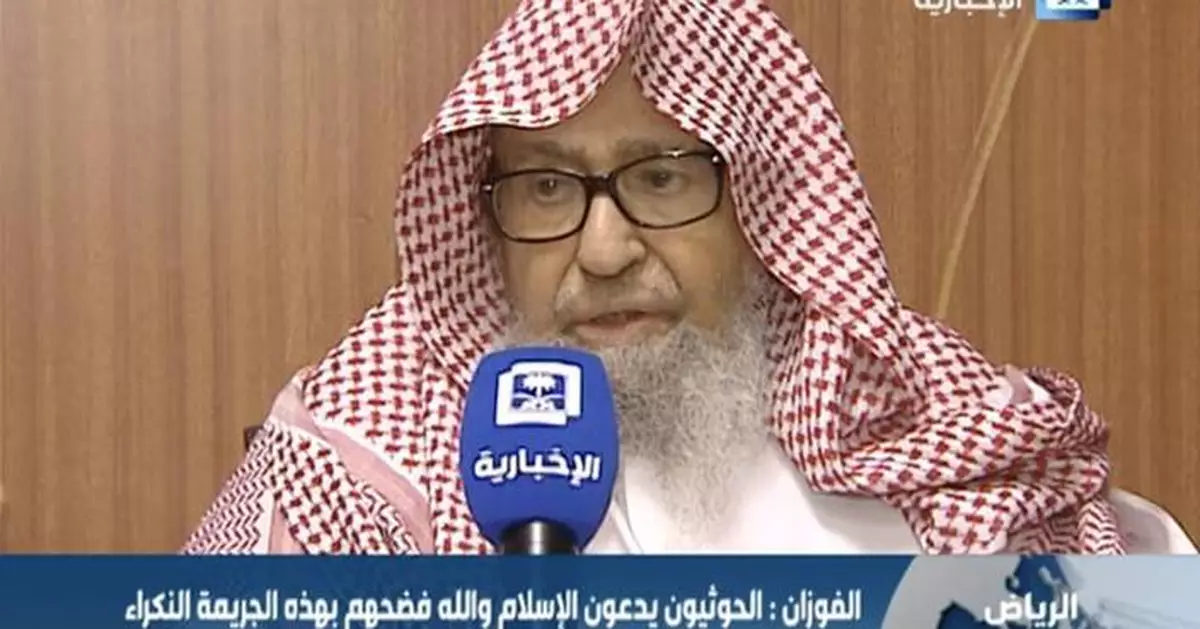
Sheikh Saleh bin Fawzan al-Fawzan, 90, took over the position, the state-run Saudi Press Agency reported. The decision came from King Salman, based on the recommendation of his son, Crown Prince Mohammed bin Salman, the report added.
Sheikh Saleh, reportedly born Sept. 28, 1935, in Saudi Arabia's al-Qassim province, studied the Quran with a local imam after his father's death. He became a prominent scholar, speaking to the faithful via the “Noor ala al-Darb,” or “Light the Way,” radio show and via multiple books he's authored and his television appearances. His fatwas, or religious orders, have been shared via social media as well.
Sheikh Saleh has faced criticism in Western media in the past for some of his pronouncements. Human Rights Watch in 2017 reported Sheikh Saleh, when asked if Sunni Muslims should view Shiite as their “brothers,” responded: "They are brothers of Satan."
The Shiite “lie about God, his prophet, and the consensus of Muslims … There is no doubt about the unbelief of these” people, Human Rights Watch separately quoted Sheikh Saleh saying at another moment.
Such comments about the Shiite from religious leaders in Saudi Arabia are common, particularly amid political tensions between the kingdom and Iran. Sheikh Saleh also criticized Yemen's Houthi rebels for firing missiles toward holy sites in the kingdom.
In 2003, Sheikh Saleh was quoted as saying: “Slavery is a part of Islam. Slavery is part of jihad, and jihad will remain as long as there is Islam.”
The sheikh also had a fatwa attributed to him in 2016 banning the mobile game “Pokémon Go” as a form of gambling. Saudi Arabia under Crown Prince Mohammed now owns a sizable stake in Nintendo and the gaming division of Niantic, the maker of “Pokémon Go.”
Sheikh Saleh takes the post after the September death of Sheikh Abdulaziz bin Abdullah al-Sheikh, who held the position of grand mufti for a quarter century.
The al-Sheikh family, descendants of Sheikh Mohammed Ibn Abdul-Wahhab, long had seen its members serve as the grand mufti. Sheikh Mohammed's ultraconservative teachings of Islam in the 18th century, widely referred to as “Wahhabism” in his name, had guided the kingdom for decades, particularly after the 1979 Islamic Revolution in Iran saw the kingdom grow even more conservative.
The grand mufti is one of the top Islamic clerics in the world of Sunni Muslims. Saudi Arabia, home to the holy cities of Mecca and Medina, hosts the annual Hajj pilgrimage required of all able-bodied Muslims once in their lives, making the pronouncements of the grand mufti that much more closely followed.
Saudi Arabia has socially liberalized under King Salman, allowing women to drive and opening movie theaters as the country tries to move its economy away from being dominated by its oil industry.
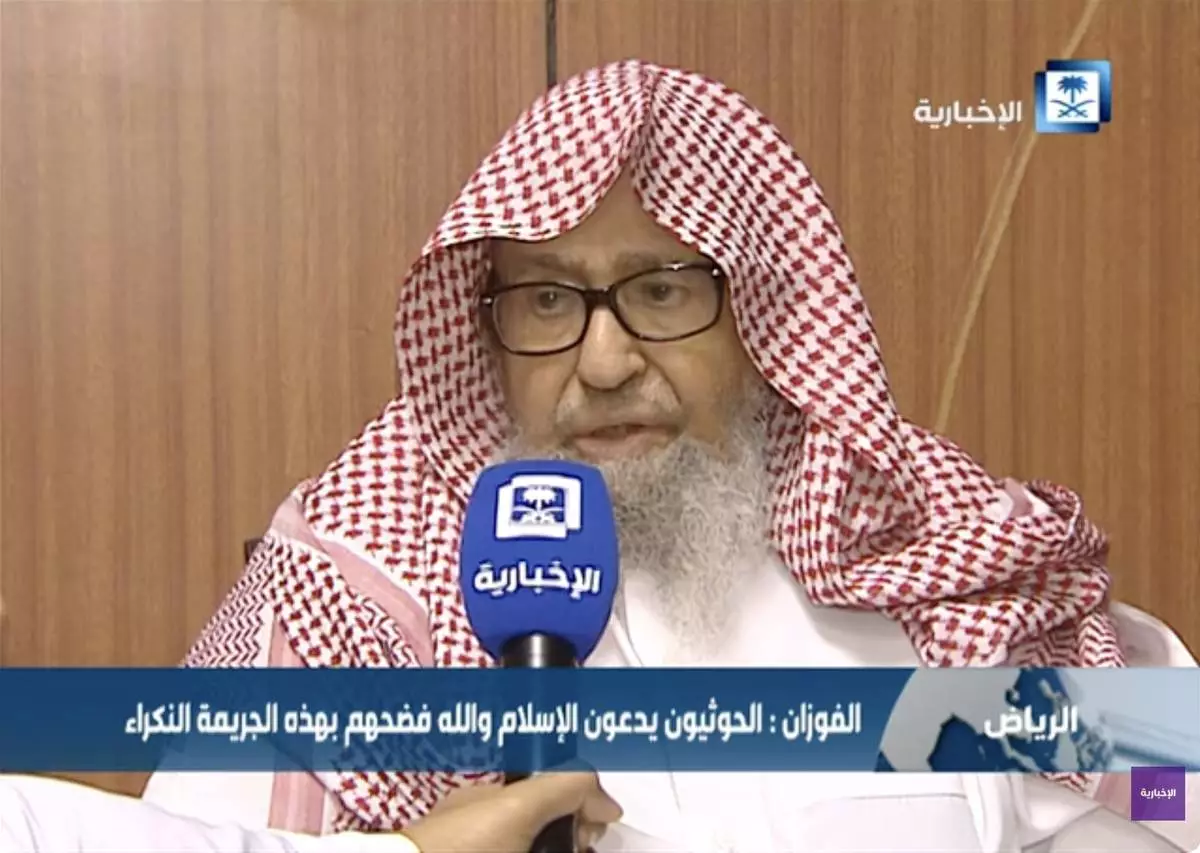
This frame grab from video shot in October 2016 by Saudi state television shows Sheikh Saleh bin Fawzan al-Fawzan, whom the kingdom named as its grand mufti on Wednesday, Oct. 22, 2025. The graphic on screen in Arabic reads: "Al-Fawzan: The Houthis claim to be Muslims, but God exposed them with this heinous crime." (Saudi state television via AP)
BEIRUT (AP) — President Donald Trump acknowledged criticizing Israeli Prime Minister Benjamin Netanyahu as “crazy” in a phone call that involved expletives, saying he was “a little bit perturbed” that Israel’s fighting with Hezbollah militants in Lebanon was holding back peace talks with Iran.
But even as the U.S. president conceded the tensions in an interview released Wednesday, he insisted that his relationship with Netanyahu was solid and that they connected, in part, because they are both “wartime” leaders.
“We’ve worked very well together. I like Bibi a lot. And I work very well with him,” Trump told The New York Post’s “Pod Force One.”
In an interview on the American business-news channel CNBC, Netanyahu responded that he and Trump sometimes have “tactical disagreements” but have “common goals” and “agree on the main things.”
“He respects me. I respect him. We always find a way to work out our differences,” the prime minister said.
The president's comments about the Monday call offered a sign of the growing pressure he faces to resolve the Iran war as higher energy prices and economic uncertainty threaten Republican prospects in the midterm elections and hamper global commerce.
Talks have dragged on for weeks as mediators seek to extend a fragile ceasefire into a more enduring truce. The negotiations are further strained by Israel’s broadening war with the Iranian-backed militia group in Lebanon. The conflicts have become increasingly intertwined as Iran insists that any potential truce in the war there must also quell the fighting in Lebanon.
Trump remained noncommittal about a timeline for settling the Iran conflict, saying the Strait of Hormuz might stay blocked through the Labor Day holiday on Sept. 7. He has insisted that Iran stop any efforts that could lead to a nuclear weapon and that the strait be reopened for shipments of oil and natural gas.
“I don’t know. I mean, I think it could be (closed through Labor Day), but I think it’s unlikely. I think that we’ll have it. I think this will resolve itself fairly quickly,” Trump said.
Iran’s Supreme Leader Mojtaba Khamenei, who succeeded his late father, is “involved” in peace talks, Trump added.
“They have a lot of respect for him,” the president said in the interview.
Trump said that Khamenei is not doing well due to wounds sustained in an airstrike, but “they say he’s giving approval because that’s the way it has been for a long, long time." Khamenei's father was killed in an airstrike when the U.S. and Israel attacked Iran at the end of February.
Meanwhile in the Persian Gulf region, Kuwait briefly shut its main airport Wednesday after Iranian drones hit a passenger terminal building, killing one person and wounding dozens. It was the latest in the back-and-forth attacks by Tehran and Washington that have tested the ceasefire.
The strike again brought home the risks to residents and travelers in Gulf countries that had considered themselves relative safe havens before the war, now in its fourth month.
The path toward a lasting ceasefire between Israel and Hezbollah remained unclear as hostilities continued in Lebanon.
An Israeli strike Wednesday hit a car on a busy highway just south of Beirut, hours before the second day of talks between Lebanon and Israel in Washington were set to take place.
The strike in Khaldeh came without warning, and it was not immediately clear if the person targeted was killed.
Israel and Lebanon on Monday reached a U.S.-brokered agreement in which Israel would not strike Beirut's southern suburbs and Hezbollah would end its attacks on northern Israel.
The agreement was made hours after Israel announced that it was going to launch strikes across the sprawling urban neighborhoods near the Lebanese capital in what would have been the most intense strikes since a nominal ceasefire went into effect on April 17.
The State Department said progress was made during the first day of talks on Tuesday. Lebanon hopes to widen the scope of the ceasefire so it becomes comprehensive across the country. Israel wants to disarm Hezbollah immediately before the Israeli military ends its operations in Lebanon and withdraws its troops from dozens of villages and towns.
Not long after the strike on Khaldeh, the Israeli military said it intercepted what it called a hostile aircraft coming from southern Lebanon, but it did not immediately blame Hezbollah. Hezbollah has not claimed a cross-border attack since the agreement.
Israeli strikes over southern Lebanon continued, especially in and around the battered cities of Tyre and Nabatiyeh. Two overnight strikes near Tyre, a coastal city, killed four Syrians and two Palestinians.
Israel warned the Christian neighborhoods in Tyre that Hezbollah members were among them. Many Lebanese Shiite Muslims fled to those areas in recent days because they were spared from the aerial bombardment along the Mediterranean coast.
After the warning, the Lebanese army deployed to the Christian district of Tyre in an effort to prevent Israeli attacks there and to show that Hezbollah has no armed presence in the area.
Israel launched an invasion of southern Lebanon days after the latest war was sparked on March 2, when Iran-backed Hezbollah fired rockets toward northern Israel in solidarity with Iran. Israeli troops have pushed deeper into Lebanon over the past week, as Hezbollah continues to claim rocket and drone attacks.
The latest round of fighting between Israel and Hezbollah has killed 3,468 people in Lebanon and displaced 1.2 million people. According to Netanyahu’s office, at least 27 Israeli soldiers and a defense contractor have been killed in or near southern Lebanon. Two civilians have also been killed in northern Israel.
Many residents of southern Lebanon remained in villages near the hostilities or returned to areas where strikes occurred after evacuation warnings.
The Al-Abdallah family returned to their home in Marwanieyh, which they left because they thought the village was unsafe following earlier strikes. A day later, two rockets hit the home, bringing down the three-story building and killing six family members, said the brother of Hassan Al-Abdallah, who was killed.
Ahmed Al-Abdallah, 13, was thrown away from the building by the force of the blasts and was the only member of his family to survive. His uncle, Eissa Al-Abdallah, said the boy has two broken legs and shrapnel wounds all over his body.
“What good is talking now? They are gone, and nothing will bring them back,” the uncle told The Associated Press in a phone call Tuesday. “This land costs blood.”
Boak reported from Washington.
This version has been updated to correct that the Iran war began at the end of February, not March.
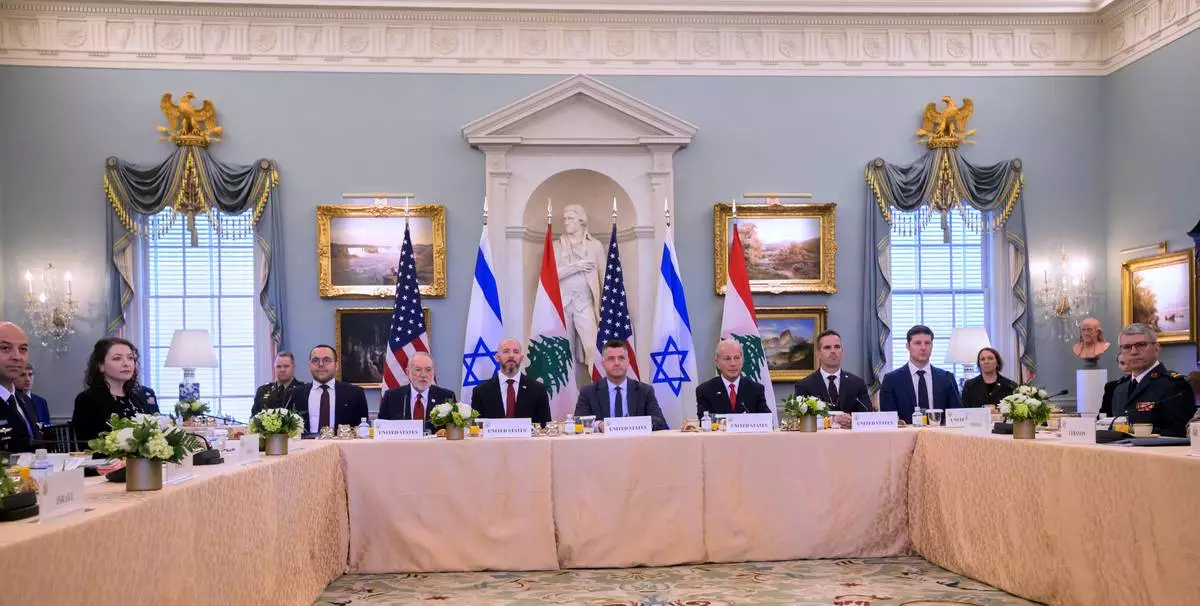
United States Ambassador to Israel Mike Huckabee, second from left, is joined by third from left: State Department Chief of Staff Dan Holler, Sr., State Department Counselor and Director, Office of Policy Planning Michael A. Needham and United States Ambassador to Lebanon Michel Issa, as they meet with Israeli Ambassador to the United States Yechiel Leiter and Lebanese Ambassador to the United States Nada Hamadeh, at the State Department, Tuesday, June 2, 2026, in Washington. (AP Photo/Rod Lamkey, Jr.)
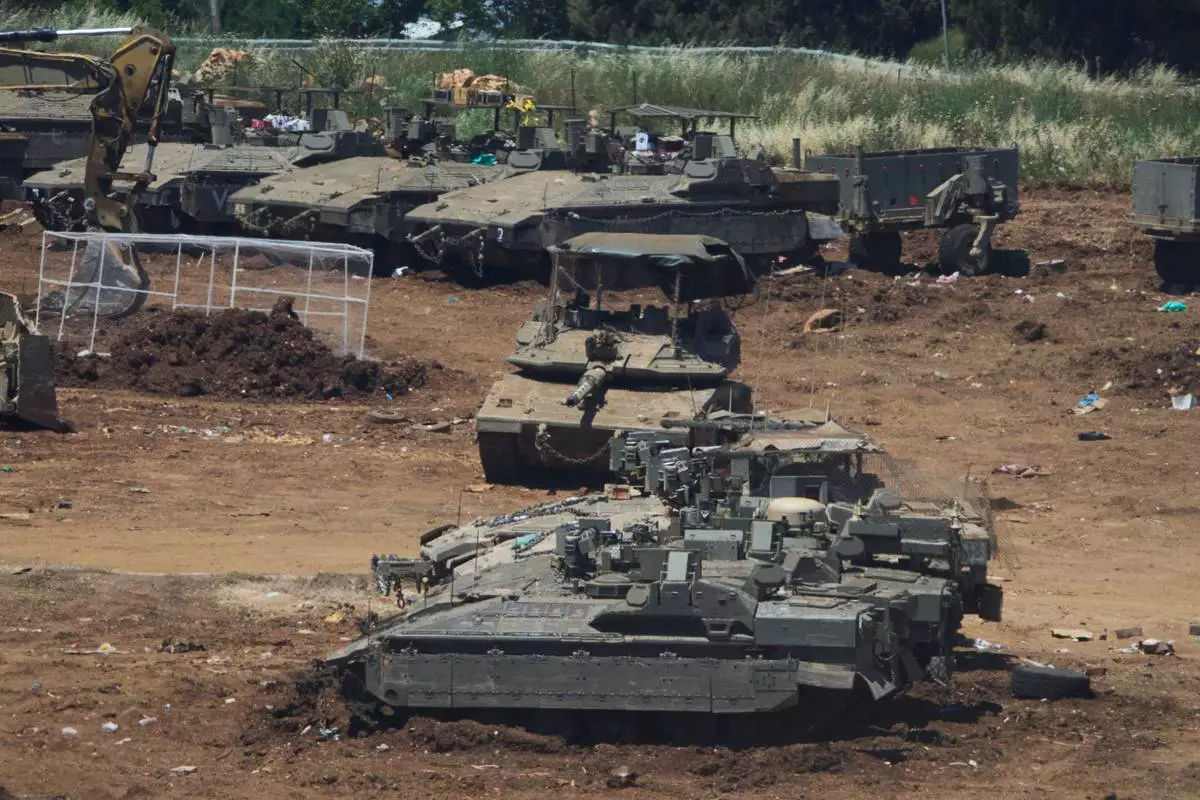
Israeli troops gather on the border with Lebanon in northern Israel, Tuesday, June 2, 2026. (AP Photo/Ariel Schalit)
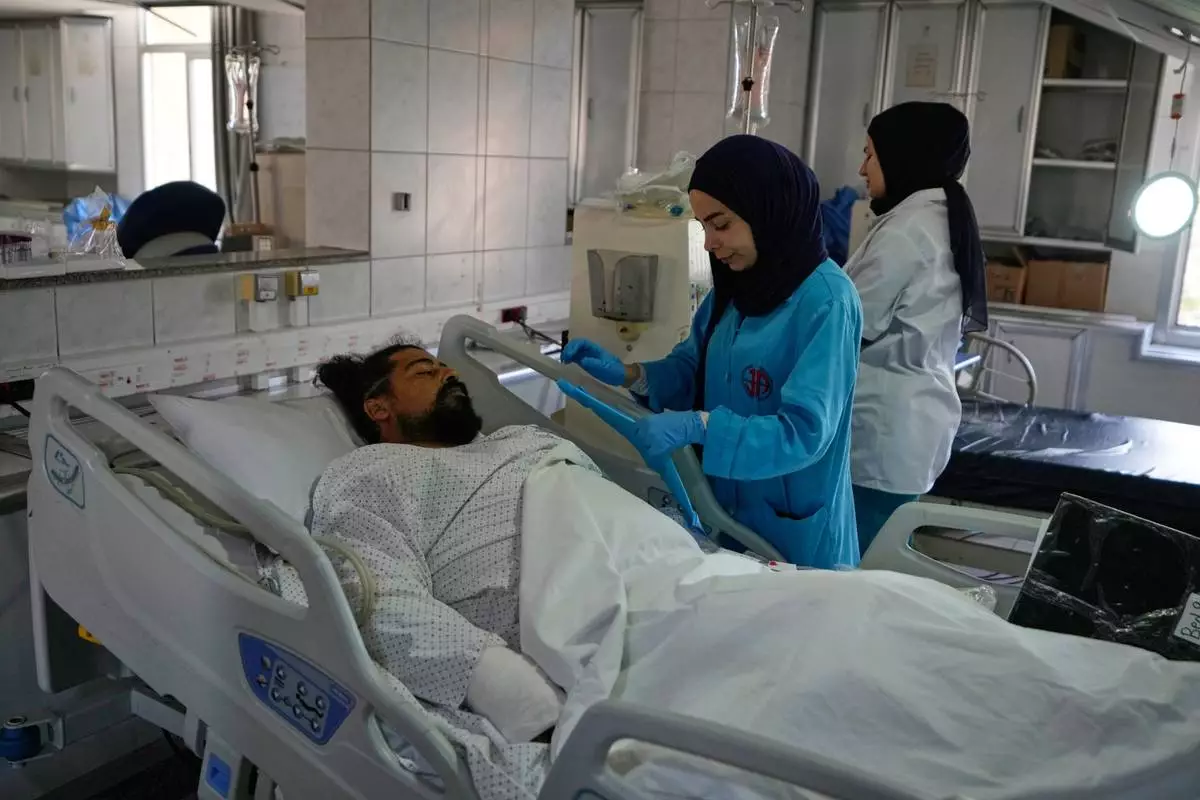
A nurse treats an injured man at the damaged Jabal Amel Hospital, following Monday's Israeli airstrike that was hit a nearby building, in the southern port city of Tyre, Lebanon, Tuesday, June 2, 2026. (AP Photo/Mohammed Zaatari)
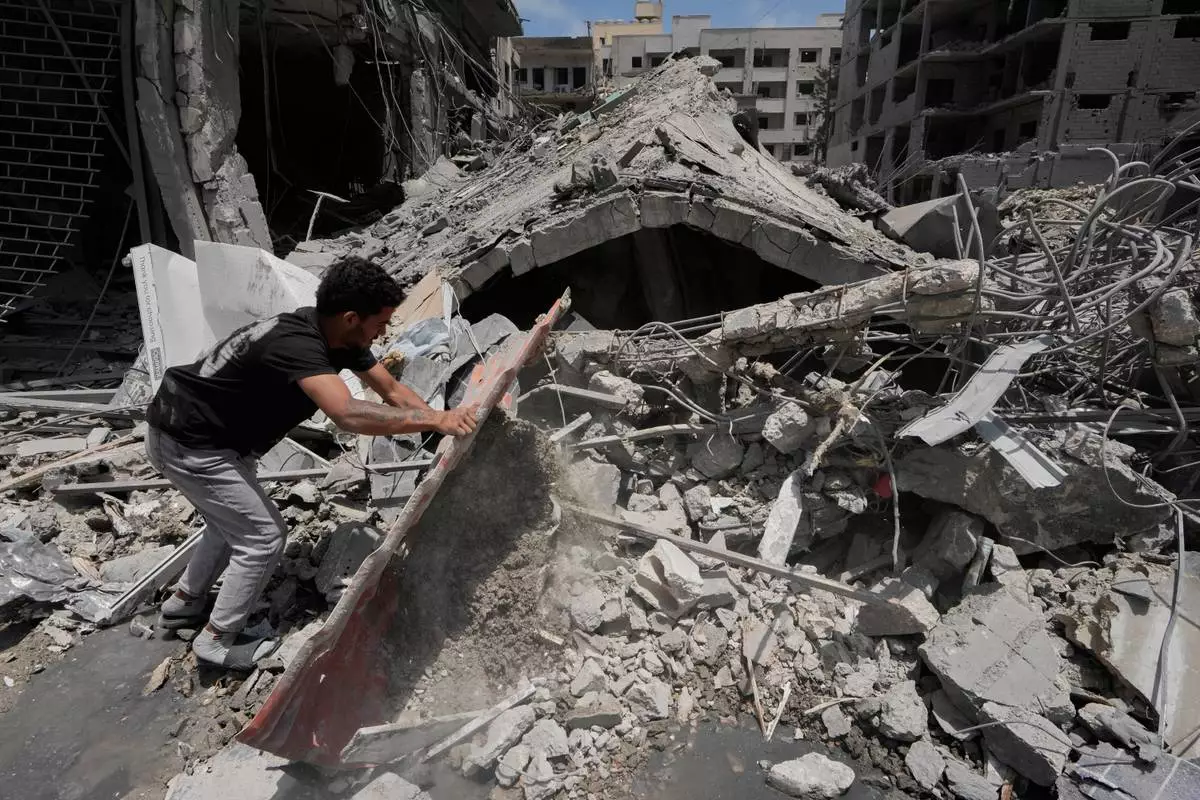
A man removes debris of a building that was hit Monday in an Israeli airstrike in the southern port city of Tyre, Lebanon, Tuesday, June 2, 2026. (AP Photo/Mohammed Zaatari)
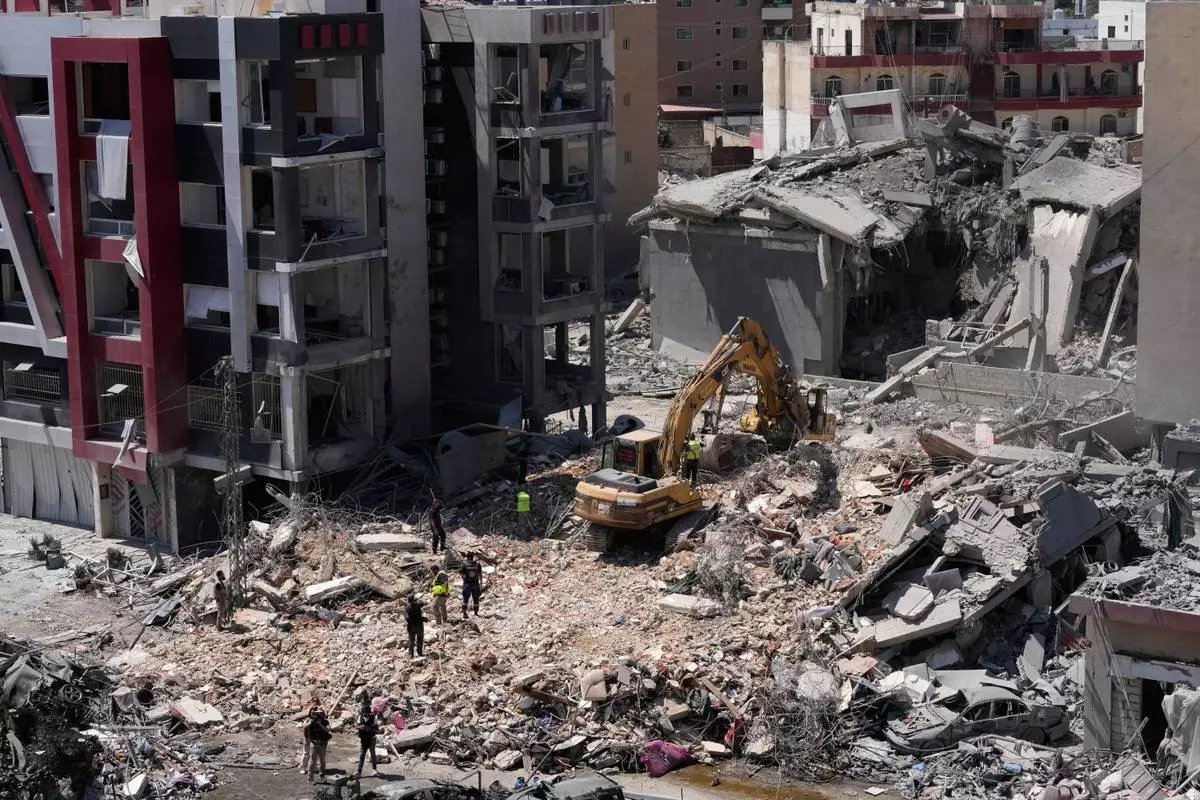
Rescue workers use an excavator, as they search for victims under the rubble of a building that was hit Monday in an Israeli airstrike in the southern port city of Tyre, Lebanon, Tuesday, June 2, 2026. (AP Photo/Mohammed Zaatari)
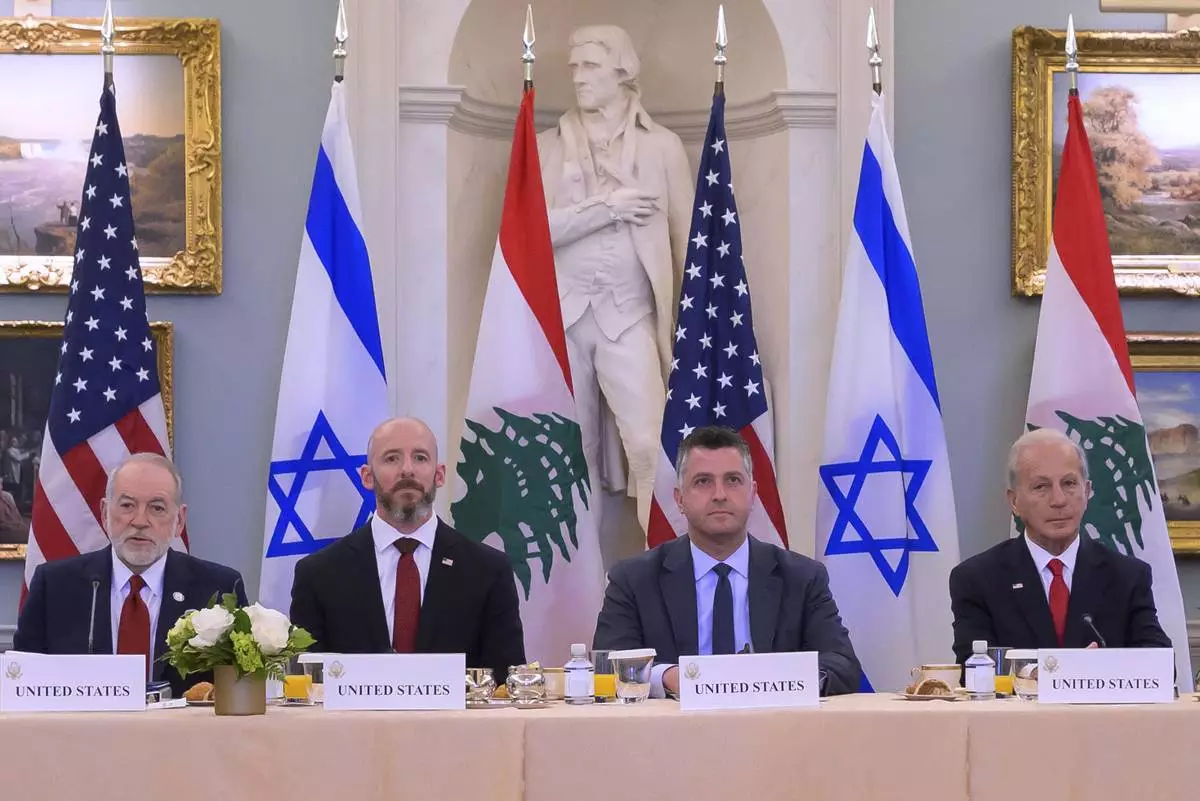
United States Ambassador to Israel Mike Huckabee, left, is joined by second from left: State Department Chief of Staff Dan Holler, Sr., State Department Counselor and Director, Office of Policy Planning Michael A. Needham and United States Ambassador to Lebanon Michel Issa, as they meet with Israeli Ambassador to the United States Yechiel Leiter and Lebanese Ambassador to the United States Nada Hamadeh, at the State Department, Tuesday, June 2, 2026, in Washington. (AP Photo/Rod Lamkey, Jr.)
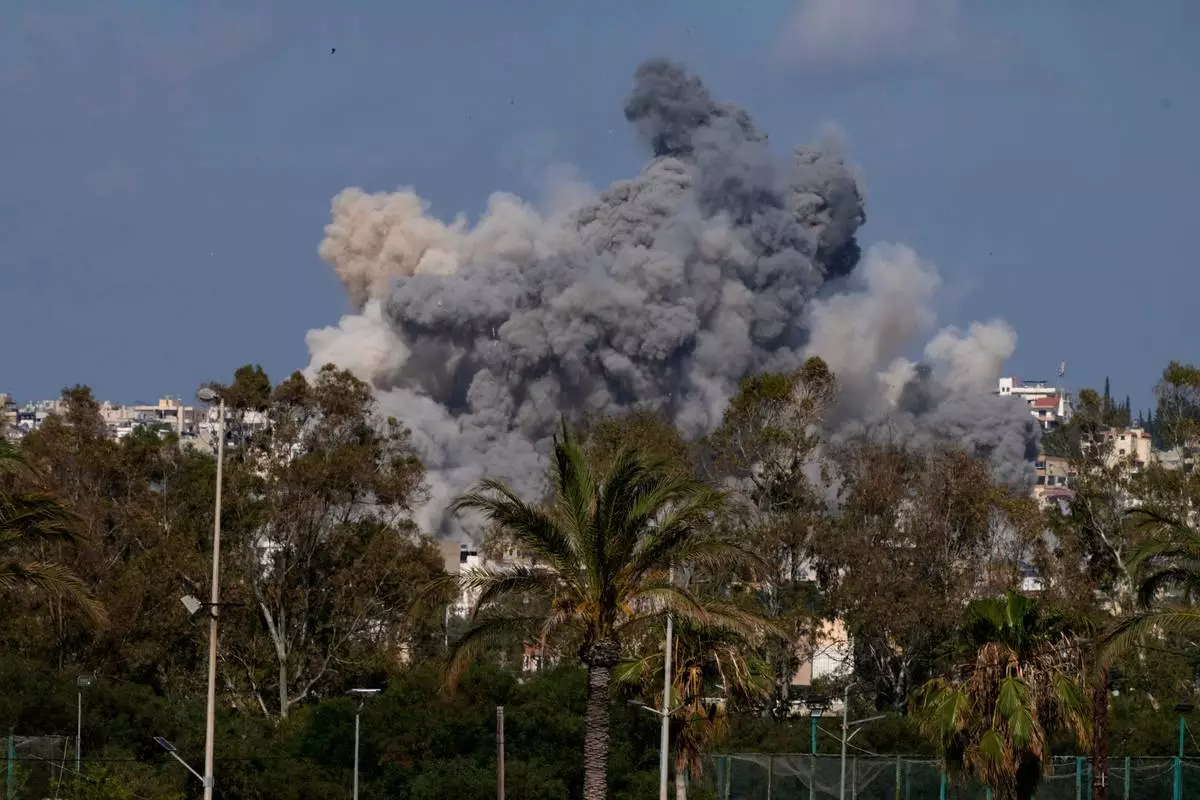
Smoke rises from an Israeli airstrike that hit Burj al-Shamali village near the southern port city of Tyre, Lebanon, Tuesday, June 2, 2026. (AP Photo/Mohammed Zaatari)