As Israel continued to delay the reopening of the Rafah border crossing between Egypt and the Gaza Strip, hundreds of trucks loaded with humanitarian aid have been stuck in the nearby Egyptian city of Al-Arish.
Despite Israel's announcement on Oct 15 that 600 aid trucks will be allowed to cross the border every day, so far only about 80 to 90 trucks have been passing through.
Fathy Fahmy, one of the aid truck drivers stationed in Al-Arish, shared his first-hand observations. Along with other truck drivers, he has been waiting for instructions to bring humanitarian supplies into Gaza.
"As you can see, we are sitting for long periods here in the desert. We have been working like this in Al-Arish since the war started. We deliver all types of goods, from all types of clothes to blankets and food," said Fahmy.
Many of the truck drivers testified that Israel has been deliberately blocking assistance to the Palestinians.
"The source of trouble is that they (Israelis) turn us back several times, and then accept the aid after pressure from the Red crescent. And they spend ages just to inspect the truck. Once, it took me seven months to deliver just one truckload, just waiting in the desert to deliver one cargo load," said Mohamed Mostafa, another truck driver.
A huge portion of the food aid spoiled during this process, he added.
Having witnessed the humanitarian crisis in the enclave, drivers said that delivering aid has been more than a job, but a genuine good cause.
"It was a beautiful place. Egyptian President Abdel Fattah al-Sisi was building three cities inside the Gaza Strip under the Reconstruct Gaza Initiative, and I used to deliver steel. These cities were not built yet when it all turned into dust. A beautiful city and lovely people there," said Fahmy.
"All of them who have hungry kids would jump on the truck to get what they could get. They would even throw rocks on the truck to force it to stop. They are so desperate. And there's nothing we can do more than that. All we want is to do good deeds for the sake of God. That's it," said Mostafa.
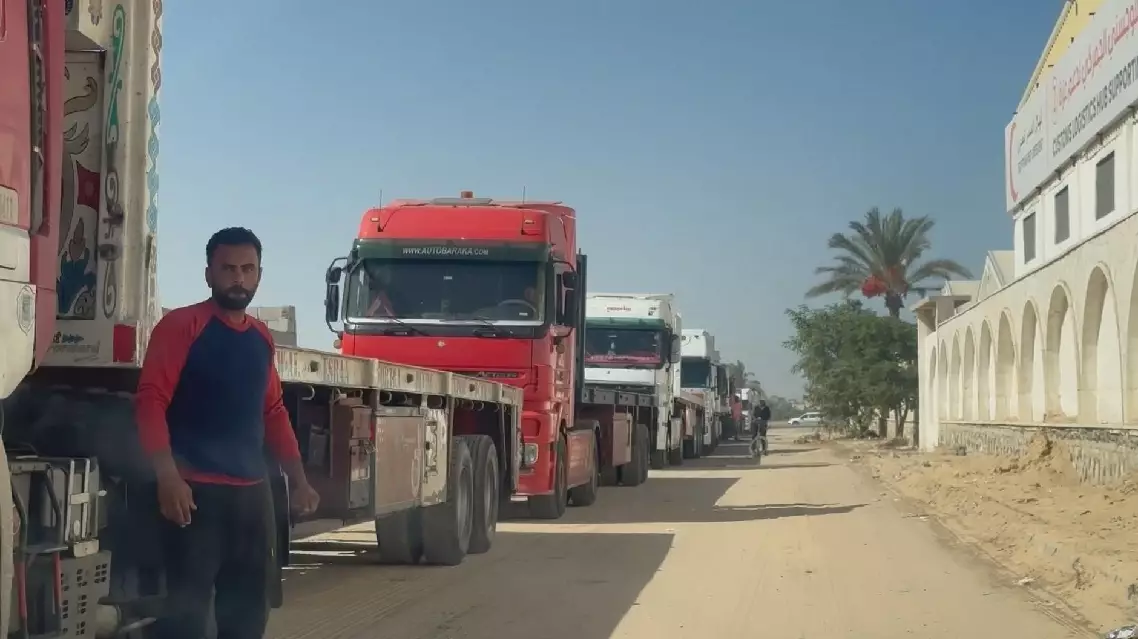
Hundreds of aid trucks stuck in Egypt as Israel delays reopening of Rafah crossing
Indonesia's first locally born baby panda Rio has attracted crowds of people to the Taman Safari Indonesia (TSI) in Bogor, south of Jakarta, since he was officially introduced to the public late last month, with visitors excited to catch a glimpse of the safari's most famous resident.
Rio was born on Nov 27 last year, weighing just 200 grams, but has since developed into a healthy 11 kilogram male as he made his public debut on May 30.
The cub was conceived by Chinese-loaned pandas Cai Tao and Hu Chun, and is Indonesia's first giant panda bred in captivity.
Many Indonesians used to have to travel all the way to China if they wanted to see a baby panda. Now, they are delighted to have a beloved bear right at home.
"I am grateful that Taman Safari Indonesia has been given the opportunity to build good bilateral relations between Indonesia and China. This is an activity that I think has a direct impact not only on people who love pandas, but can also be a learning medium, including for students who today come in large numbers. I am very happy because finally Taman Safari has been able to breed a panda after three failed trials. So, it's all just very touching," said Dr. Missie Gustini, a visitor.
Rio lives in a lavish structure called the Panda Palace along with his parents, who arrived from China in 2017 in an act of "panda diplomacy" which aimed to mark 60 years of ties between Indonesia and China.
Rio is taken as a shortened version of his full name, Satrio Wiratama, which means 'brave' and 'noble warrior'. The team at the safari say this name was chosen to symbolize the conservation partnership between Indonesia and China.
"The main message is about conservation. I think conservation doesn't see countries, doesn't see boundaries. When you talk about conservation, a Chinese animal, we can do conservation in Indonesia. Indonesian animals, you can do conservation in Europe. So, if you're an expert in Europe, you're an expert in Africa, you can contribute to conservation for the whole world. I think having this baby Rio is just, what do you call it, it's kind of opened up the possibilities for conservation efforts all over the world, for all of the species, especially the endangered species all over the world," said Aswin Sumampao, president director of the Taman Safari.
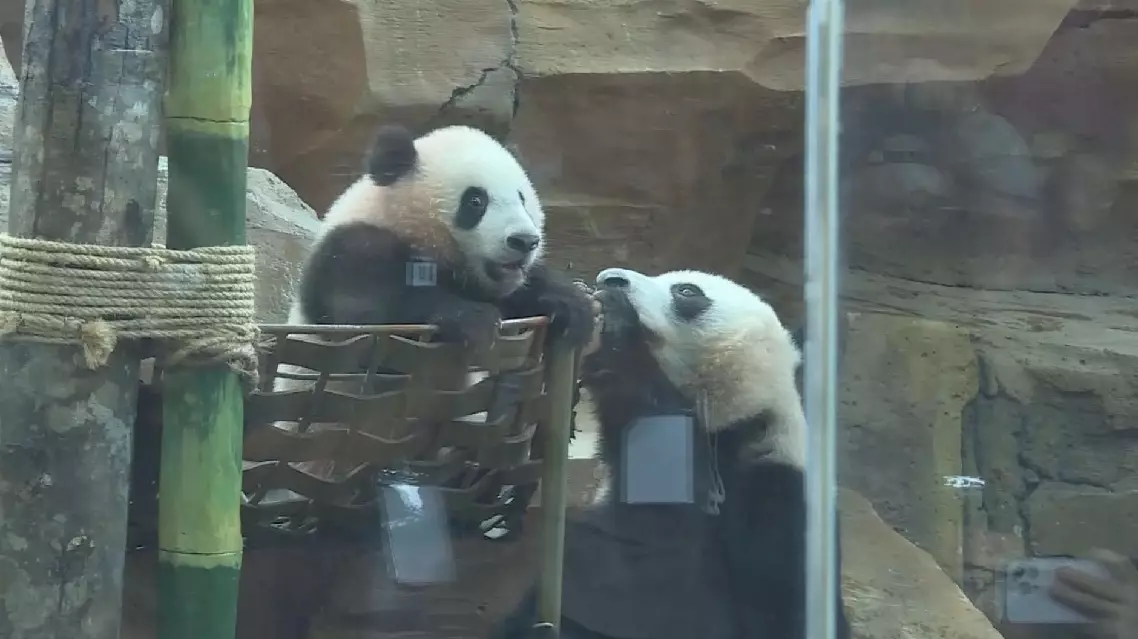
Indonesian-born giant panda cub enjoys popularity after meeting public