China will continue its important role in reshaping the global multilateral system and addressing challenges, the United Nations (UN) Resident Coordinator in China Siddharth Chatterjee said on Friday.
He made the comments in an interview with China Media Group (CMG) in Beijing on the UN Day, and expressed appreciation for China's role in the UN over the years.
This year marks the 80th anniversary of the UN's founding and UN Charter's entry into force.
This year also marks Chatterjee's fifth year serving as UN Resident Coordinator in China. He has personally witnessed and promoted the deepening cooperation between the UN and China.
On the occasion of the UN's 80th anniversary, Siddharth Chatterjee said that China has always walked side by side with the UN.
"China is a very important member of the [UN] Security Council. It is also the largest troop contributor. It is an extremely important member state of the United Nations system. So I thank China's role through both the Belt and Road [Initiative] and the Global Development Initiative, and I welcome the announcement by President Xi Jinping on the Global Governance Initiative, which I think will be crucial, because we see that the Global Governance Initiative, as the Secretary General has already remarked, is a very positive development," said Siddharth Chatterjee.
The global initiatives proposed by China closely align with the spirit of the UN Charter, he said.
"In fact, we would encourage member states to come up with initiatives that help to restore the primacy of the multilateral system, the primacy of the United Nations on all counts. I welcome it. And I find that the Global Development Initiative, the Global Governance Initiative, the Global Civilization Initiative, very much respond to the nuances of the UN Charter," said Chatterjee.
Over its 80 years, the UN has promoted unprecedented development in human history. Yet current global development continues to expose vulnerabilities, he noted.
He expressed appreciation for China's actions in helping address global crises and noted that China will continue contributing to the peace and development urgently needed in today's world.
"The convergence of political will, of strong public policies and strong partnerships, have leapfrogged China. What has happened is it is the first time in human history that over 800 million people were lifted out of poverty. It is the first time that one fifth of the world's population can be fed with just nine percent of the world's arable land. And it is the first time that we have seen such a great development in human progress. It's not just affecting China; it affects the world. I have lived half my career in Africa, and I have seen firsthand the difference the Belt and Road Initiative has made. Now that it has achieved this level of progress in the South-South space - it's to share its knowledge; it's to share its experiences," said Siddharth Chatterjee.
China's crucial role will reshape the multilateral system in the future, he said.
"I believe that China's leadership will be crucial in the reshaping of the multilateral system. I think their contribution to the five overarching areas that we spoke to in terms of the pact for the future, around global governance, around peace and security, around accelerating the Sustainable Development Goals on AI, science and technology and finally on youth and future generations, is absolutely critical. China can be a bridge builder, China can be a harmonizer, and China can be very supportive of the United Nations system to strengthen the multilateral system," he said.
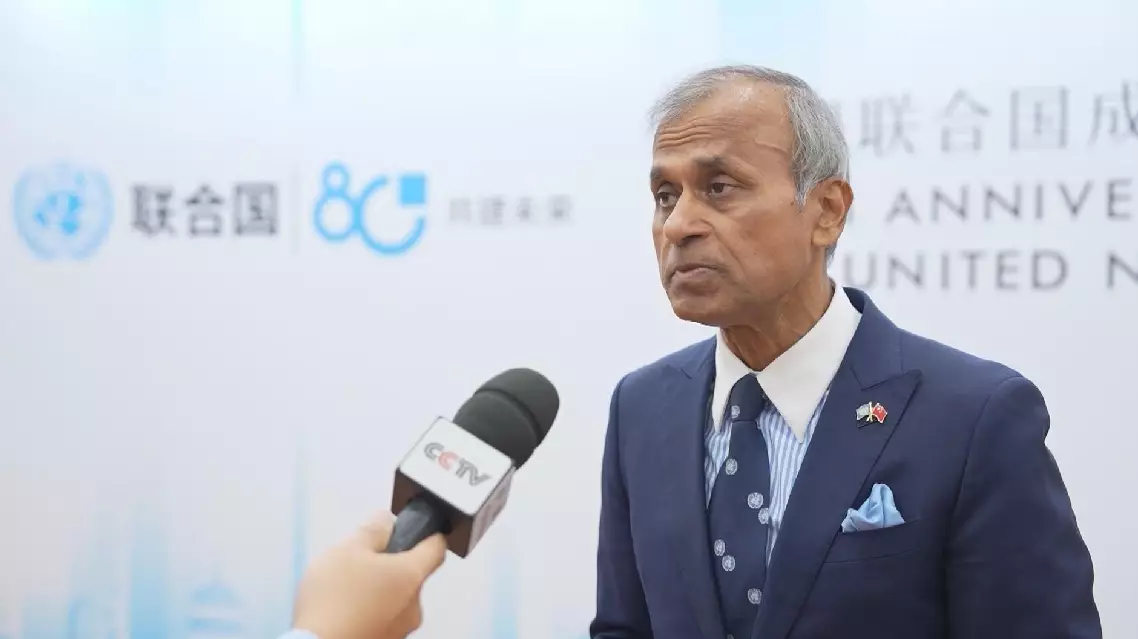
UN official on China's role in reshaping multilateral order
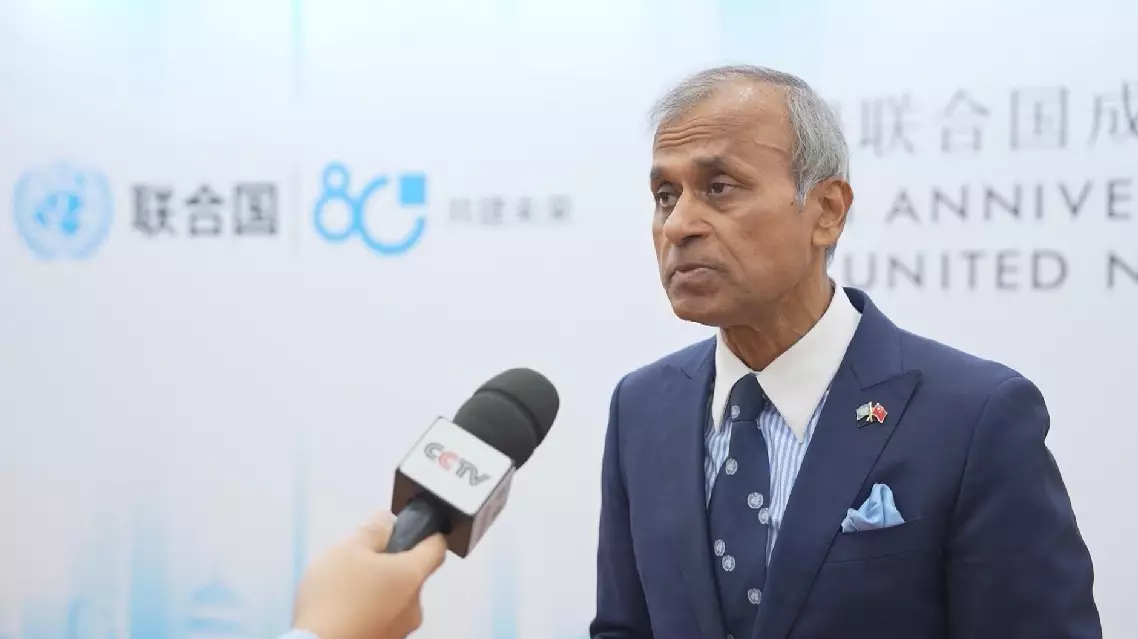
UN official on China's role in reshaping multilateral order