China's experience in eradicating poverty offers valuable lessons for the rest of the world, said Kishore Mahbubani, former permanent representative of Singapore to the United Nations, in an interview aired Friday.
Mahbubani highlighted the historic significance of China lifting hundreds of millions of people out of poverty, describing it as a powerful example of effective governance, in an exclusive interview with China Central Television (CCTV) in Shanghai.
"So, for a country like China to lift 800 million people out of poverty, the sense of personal liberation that people get when they escape poverty is so powerful. I experienced it, I came out of poverty. I can understand how these 800 million people feel. And so the sense of personal liberation is enormous. It takes an incredible amount of good governance to eradicate poverty. And so clearly, China has done some things exceptionally right to be able to rescue so many people from poverty," he said.
He also noted that China's success has reflected governance capacity that merits serious study.
"And if we can move into a world 10 to 20 years from now, where every country in the world replicates what China has done and eradicates poverty, then we would have improved the human condition dramatically. And that's why China's governance needs to be studied carefully by all the countries in the world," said Mahbubani.
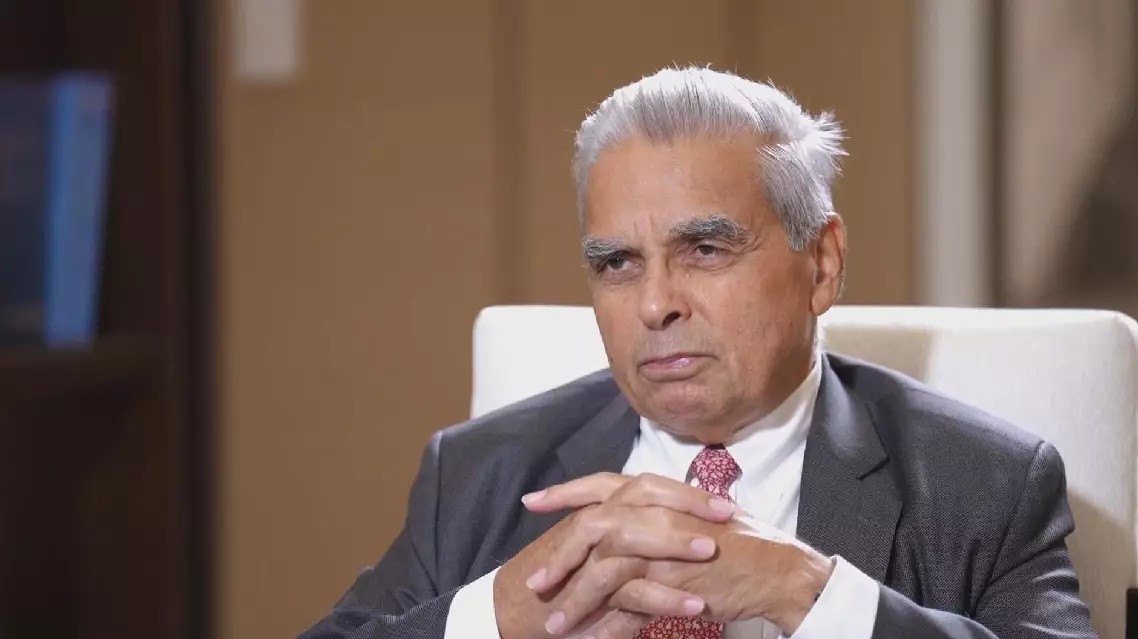
China's poverty alleviation experience worth global study: former Singaporean diplomat
A group of Japanese citizens held a study session in Shibuya, Tokyo on Saturday to reflect on Japan's history of aggression during World War II and voice opposition to the government's push for constitutional revision and military buildup.
During the session, the organizers screened videos about Japan's invasion of China, stressing that only a genuine understanding of history can the country be prevented from starting another aggressive war.
"We must earnestly study history and understand what the Japanese military did to China and other Asian countries, and what Japan has done in the past. Without understanding this part of history, it is very difficult to truly oppose war," said an organizer of the session.
At the Liberal Democratic Party (LDP) convention in Tokyo last Sunday, Japanese Prime Minister Sanae Takaichi declared that "the time has come" to reform the Constitution, saying that "we would like to hold next year's convention with a proposal for a constitutional amendment in sight."
The ruling party also formally announced its new policy vision, recognizing its goal of revising the Constitution as "critically needed" in shaping Japan's future security framework.
Japan's Constitution, which took effect in 1947, is often referred to as the pacifist Constitution because its Article 9 renounces war as a sovereign right and prohibits Japan from possessing "war potential" such as military forces.
The ruling party's move has sparked widespread concern and criticism in Japan as it could mark a significant turning point in Japan's postwar trajectory.
"The constitution clearly states that Japan forever renounces war. To change that would be equivalent to Japan reemerging on the world stage as an imperialist, war-waging nation. I believe all Japanese people must stand up to stop this," said a participant.
"We must never allow Takaichi's tendency to wage war. We must resolutely prevent Japan from going to war again," said another participant.
"The so-called enhancing 'deterrence' does not prevent war from happening. If all countries keep enhancing their military preparations in the name of deterrence, there will be no end to it. I think this actually serves the vested interests of imperialist capitalists and the arms industry, so we must never allow endless increases in defense budgets and arms races. Tax money should be used to improve the lives of workers and ordinary people," said another participant.
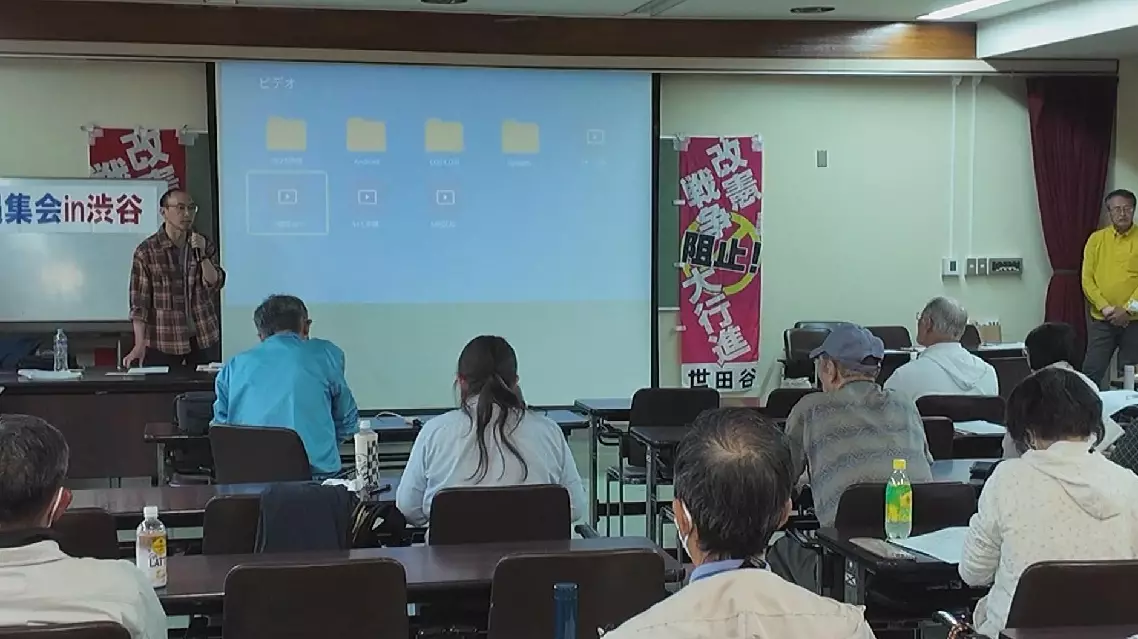
Japanese citizens hold study session to reflect on WWII aggression, oppose constitutional revision
Japanese citizens hold study session to reflect on WWII aggression, oppose constitutional revision