SÖLDEN, Austria (AP) — When Paula Moltzan opened the Alpine skiing World Cup season this weekend with her career-best result in giant slalom, the American was left with one question.
Was she maybe peaking too early?
Click to Gallery
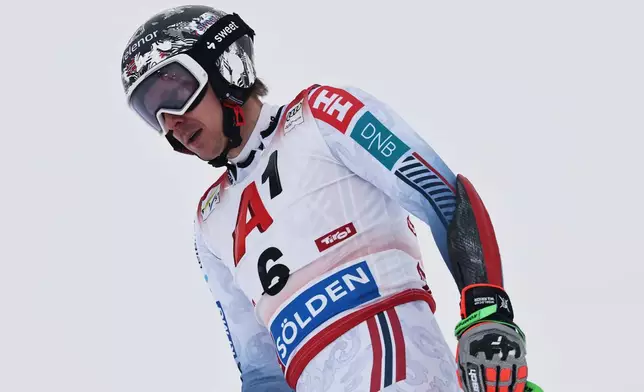
Norway's Henrik Kristoffersen reacts at the finish area of an alpine ski, men's World Cup giant slalom, in Soelden, Austria, Sunday, Oct. 26, 2025. (AP Photo/Marco Trovati)
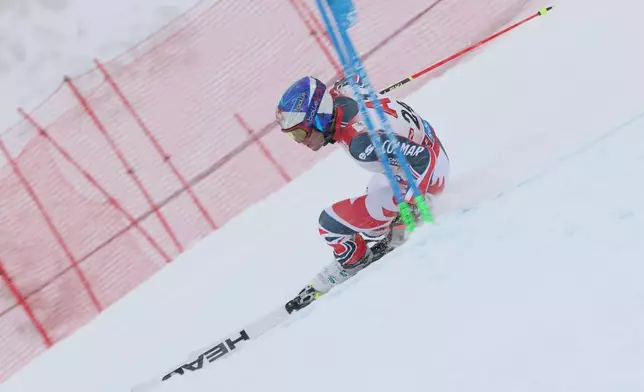
France's Alexis Pinturault competes in an alpine ski, men's World Cup giant slalom, in Soelden, Austria, Sunday, Oct. 26, 2025. (AP Photo/Alessandro Trovati)
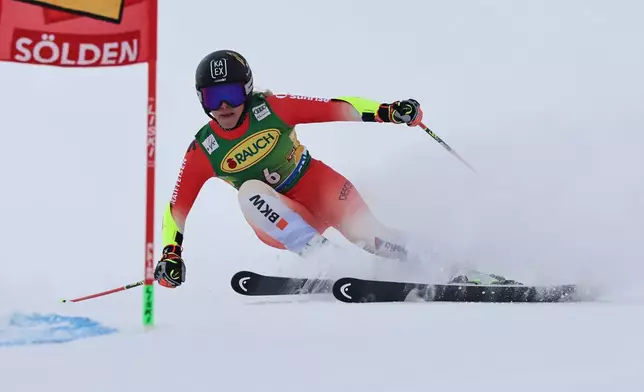
Switzerland's Lara Gut Behrami competes in an alpine ski, women's World Cup giant slalom, in Soelden, Austria, Saturday, Oct. 25, 2025. (AP Photo/Marco Trovati)
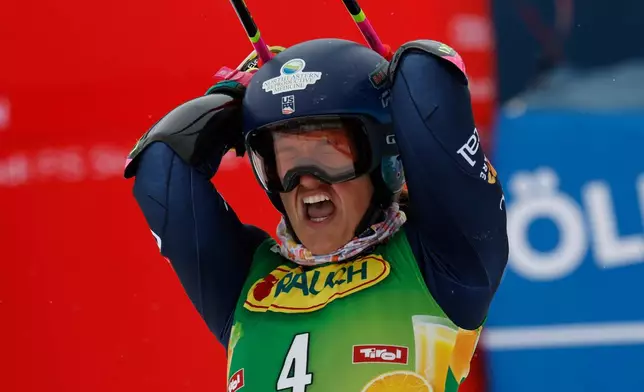
United States' Paula Moltzan celebrates at the finish area of an alpine ski, women's World Cup giant slalom, in Soelden, Austria, Saturday, Oct. 25, 2025. (AP Photo/Alessandro Trovati)
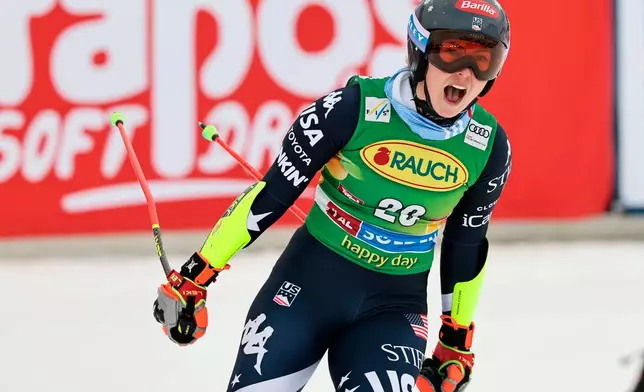
United States' Mikaela Shiffrin celebrates at the finish area of an alpine ski, women's World Cup giant slalom, in Soelden, Austria, Saturday, Oct. 25, 2025. (AP Photo/Marco Trovati)
With the 2026 Milan-Cortina Olympics still more than three months away, she might rather prefer to hit top form a bit later.
“No, I don’t think so,” Moltzan said. “I’m just hoping that I’m building a really wide base to build off.”
While the annual five-month-long World Cup campaign is generally regarded by skiers as their most important stage, the chance to compete for Olympic medals comes along only once every four years.
So, can skiers build their World Cup season in such a way that they are at their best come February? Do they even want to do so?
“Yes, there is peaking,” said Moltzan, who came runner-up to Austrian winner Julia Scheib in Saturday’s giant slalom.
“My coaches keep track and so they know where I’m at in recovery and where I am in the peaking cycle. They know how many days I’ve skied, they know how many turns I’ve taken, they know the load that I’ve taken,” added the American, who is the GS bronze medalist from the 2025 worlds eyeing her second Winter Olympics after 2022.
All the data her coaches collect will help her “to be lining up just OK for the Olympics,” Moltzan said.
Two-time Olympic champion Mikaela Shiffrin, though, has a slightly different approach than her teammate.
According to Shiffrin, picking a peak moment in a season is “not really possible” in ski racing.
“I have a big priority on the World Cup races as well, so it’s more to get to a high level of racing and then to just try to keep the energy on a daily basis, just not to go too far past them,” said Shiffrin, who became the youngest ever Olympic slalom champion at age 18 in 2014 and added GS gold four years later.
“I need to be strategic each day about how much training I’m doing, how I spend my time, how I use my energy, and to make sure there’s enough recovery days built into a plan. It’s like we try to get to a top level and then hold that.”
Opinions vary on whether it’s possible, or even desirable, to plan an entire World Cup season around the Olympics which, for some skiers, might consist of just a single race.
For Austrian speed specialist Vincent Kriechmayr the question answers itself.
“We have the most important classics just before, so you have to time it in a way that you are in a good shape even before the Olympics,” said Kriechmayr, referring to the downhills in Wengen and Kitzbühel in mid-January.
From a coaching perspective, there is no clear answer because of unpredictable factors coming into play, according to Roland Assinger, the head coach of the Austria women’s team.
“At Olympics and world championships, it always depends on the shape of the day,” said Assinger, a World Cup downhill racer in the 1990s who didn’t qualify for the Olympics.
“We have seen so many times that in a whole season, it doesn’t go well, but at Olympics or worlds, suddenly the highlight is there, and you get surprise winners.”
Racers from other nations weigh in with similar opinions, like Sofia Goggia and Lara Gut-Behrami.
Despite her home Olympics coming up, Goggia prepared for this season like she did for any other.
“Skiing is an outdoor sport, we have so many variables during the season and day by day,” the 2018 downhill gold medalist from Italy said. “So, you better ski the most you can and give the 100% of what you have to give every day on skis.”
Gut-Behrami has announced her retirement for next year, but the 2022 Olympic super-G champion will still treat the 2025-26 season like any other.
“I always build my season one race after the other,” the Swiss standout said. “The most important is to focus on each race. To be top fit in February, you have to be in form during the entire season.”
On the men’s side, a former overall World Cup champion believes success can be planned, as long as you compete in a single discipline.
And this is exactly what Alexis Pinturault is doing, coming off two seasons marred by knee injuries. Formerly an allrounder, the Frenchman now solely focuses on the giant slalom, the discipline in which he took Olympic bronze both in 2014 and 2018.
“I think it’s possible,” Pinturault said. “But it also depends on what the goal for the World Cup season is. When your goal is to make the globes, then it makes the Olympics more complicated.”
Not complicated at all is Henrik Kristoffersen’s advice.
“The best way to be best prepared for the Olympics is to win all the races,” said the Norwegian tech specialist, who has a silver and bronze from three previous Olympics. "If you come in the rhythm, you get into the flow.”
Eric Willemsen on X: https://x.com/eWilmedia
AP skiing: https://apnews.com/hub/alpine-skiing
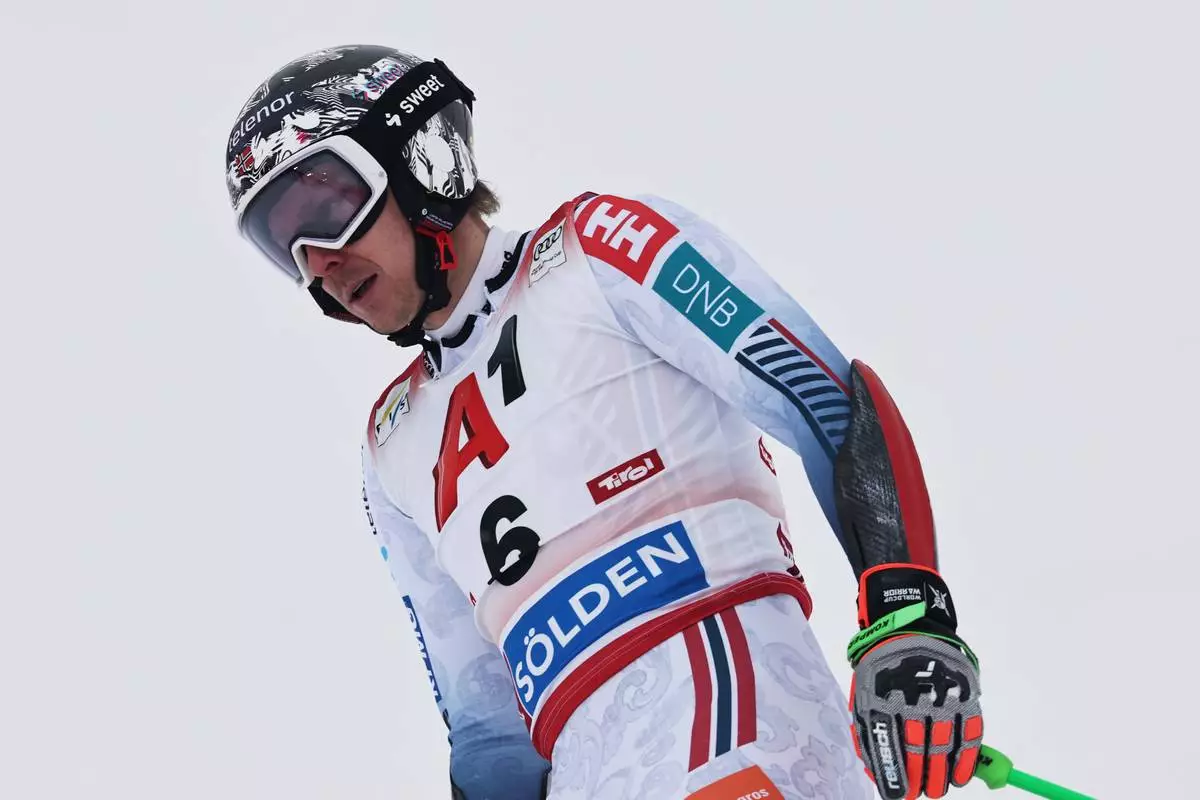
Norway's Henrik Kristoffersen reacts at the finish area of an alpine ski, men's World Cup giant slalom, in Soelden, Austria, Sunday, Oct. 26, 2025. (AP Photo/Marco Trovati)
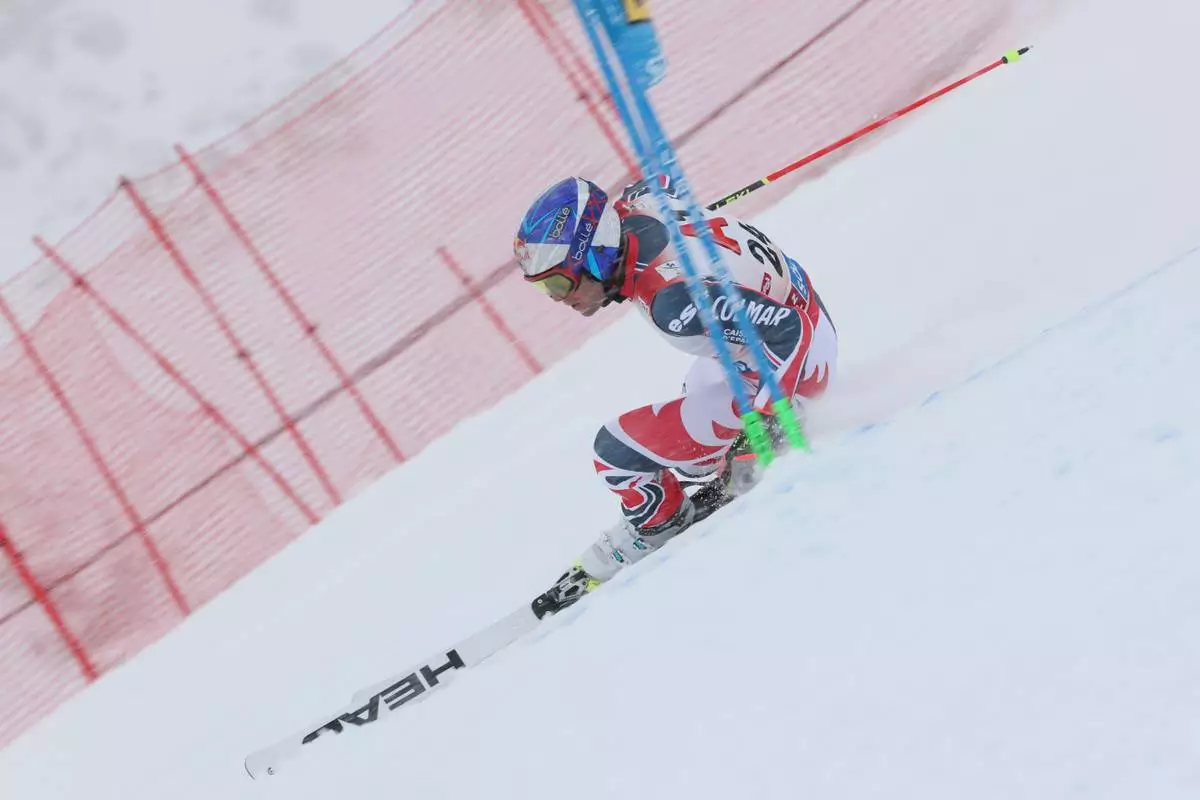
France's Alexis Pinturault competes in an alpine ski, men's World Cup giant slalom, in Soelden, Austria, Sunday, Oct. 26, 2025. (AP Photo/Alessandro Trovati)
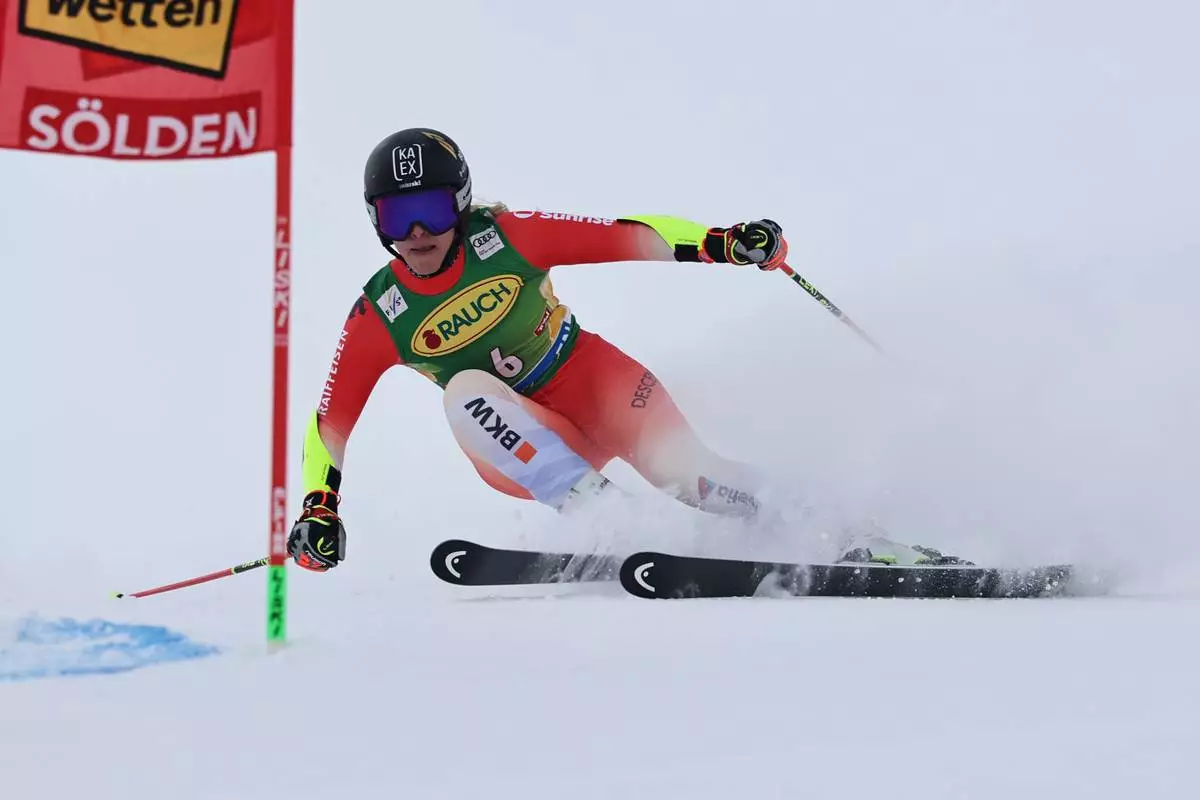
Switzerland's Lara Gut Behrami competes in an alpine ski, women's World Cup giant slalom, in Soelden, Austria, Saturday, Oct. 25, 2025. (AP Photo/Marco Trovati)
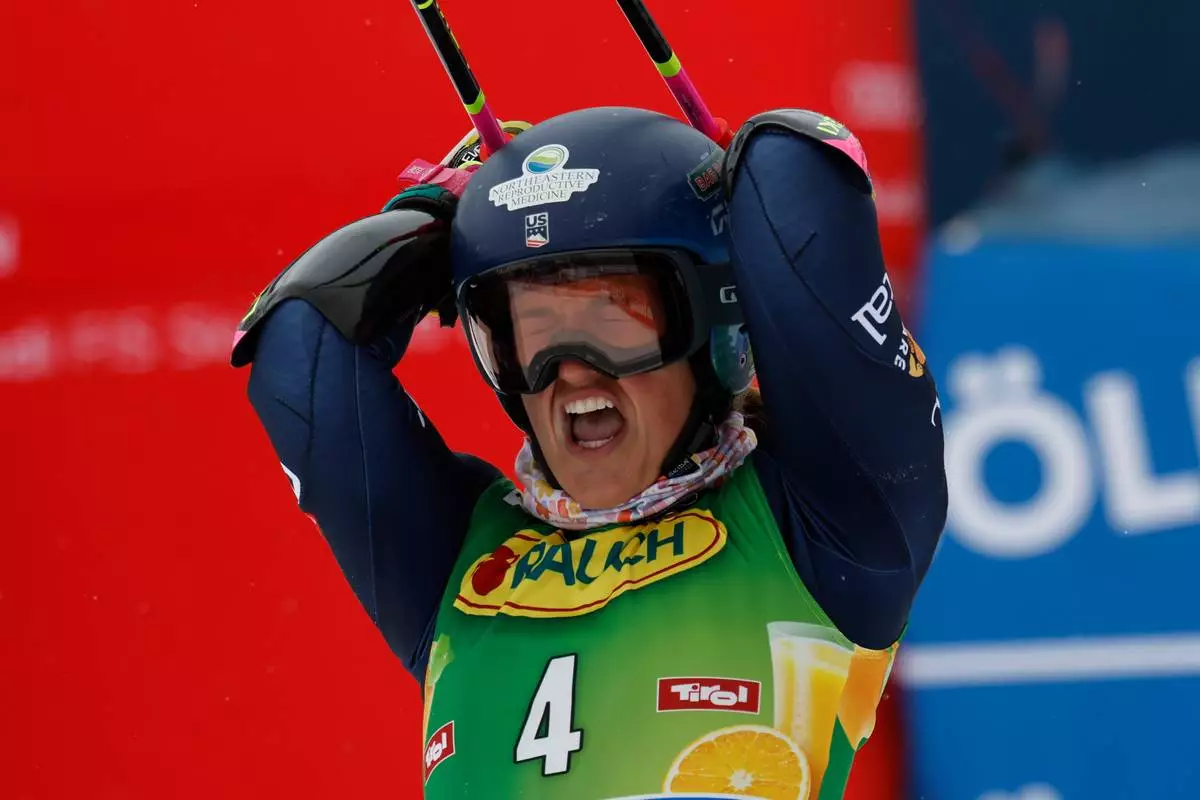
United States' Paula Moltzan celebrates at the finish area of an alpine ski, women's World Cup giant slalom, in Soelden, Austria, Saturday, Oct. 25, 2025. (AP Photo/Alessandro Trovati)
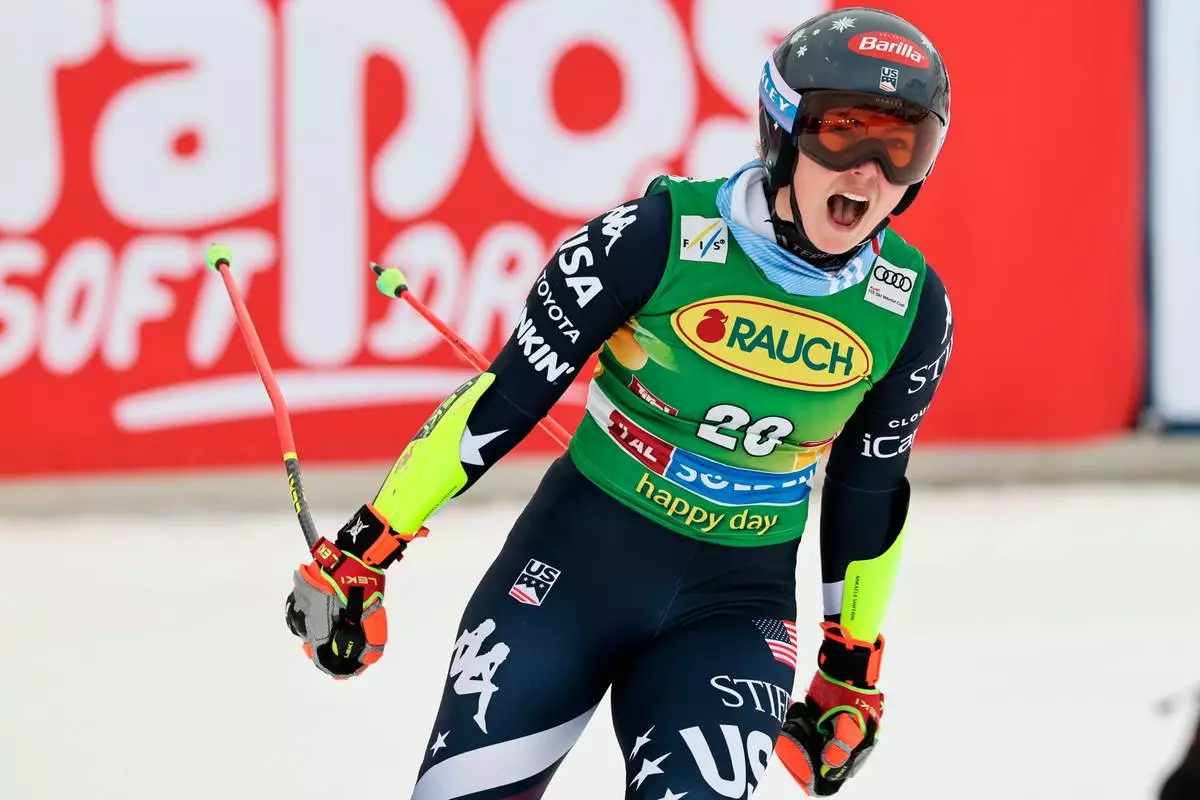
United States' Mikaela Shiffrin celebrates at the finish area of an alpine ski, women's World Cup giant slalom, in Soelden, Austria, Saturday, Oct. 25, 2025. (AP Photo/Marco Trovati)