Skip to Content Facebook Feature Image

Helical Fusion Achieves Milestone Toward Commercial Fusion Energy, Advancing to Integrated Demonstration Device

News

Helical Fusion Achieves Milestone Toward Commercial Fusion Energy, Advancing to Integrated Demonstration Device
News

News

Helical Fusion Achieves Milestone Toward Commercial Fusion Energy, Advancing to Integrated Demonstration Device

2025-10-27 11:00 Last Updated At:11:10

TOKYO--(BUSINESS WIRE)--Oct 26, 2025--

Helical Fusion Co., Ltd., a world-leading developer of the Helical Stellarator, has completed a critical performance test of a high-temperature superconducting (HTS) coil—a core component of commercial fusion reactors. The company has now commenced manufacturing and construction of its integrated demonstration device, Helix HARUKA.

More Images

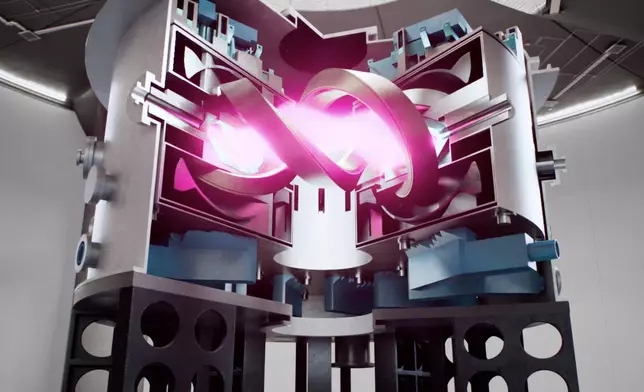
Conceptual rendering of Helix KANATA, Helical Fusion’s first commercial fusion power plant planned for the 2030s
Conceptual rendering of Helix KANATA, Helical Fusion’s first commercial fusion power plant planned for the 2030s

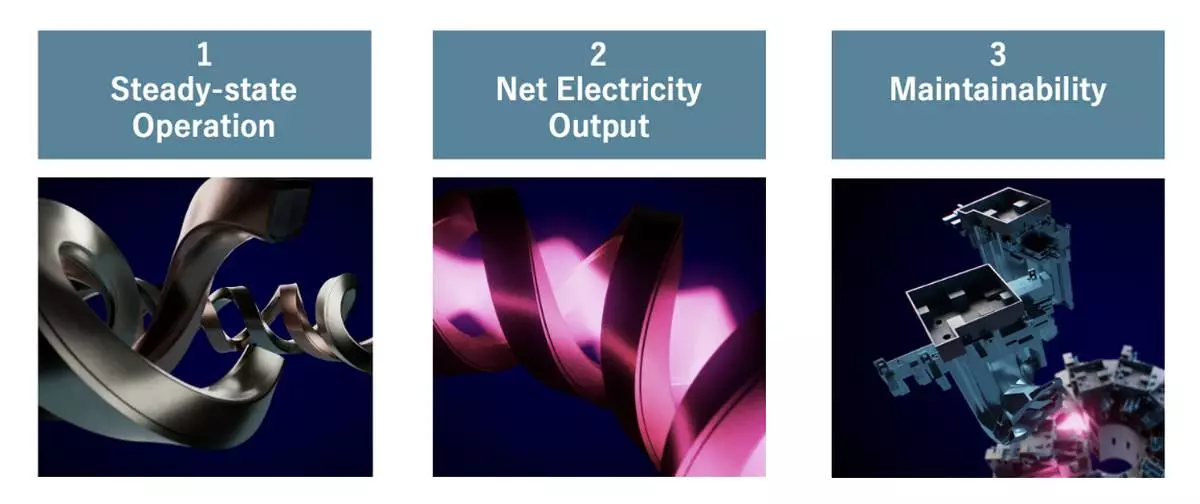
The three essential criteria for commercially viable fusion energy
The three essential criteria for commercially viable fusion energy

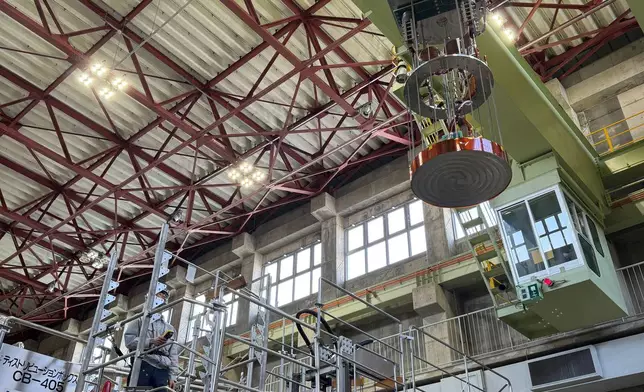
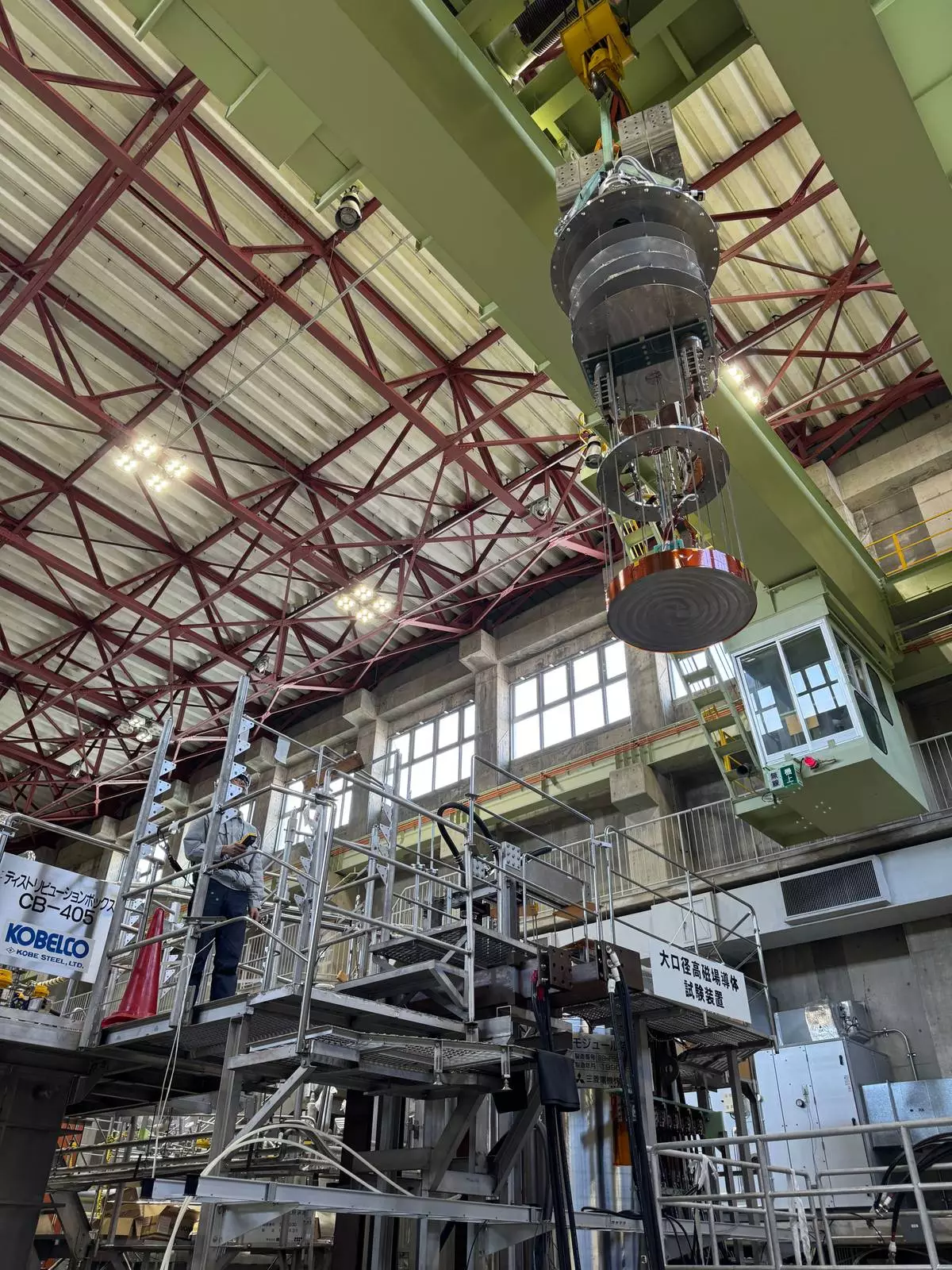
HTS coil being loaded into NIFS’s large-diameter high-field conductor testing facility in Gifu, Japan
HTS coil being loaded into NIFS’s large-diameter high-field conductor testing facility in Gifu, Japan

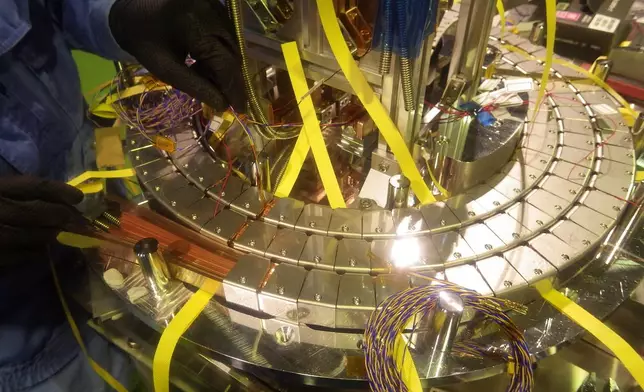
“Double Pancake Coil” used for the latest HTS test by Helical Fusion

“Double Pancake Coil” used for the latest HTS test by Helical Fusion

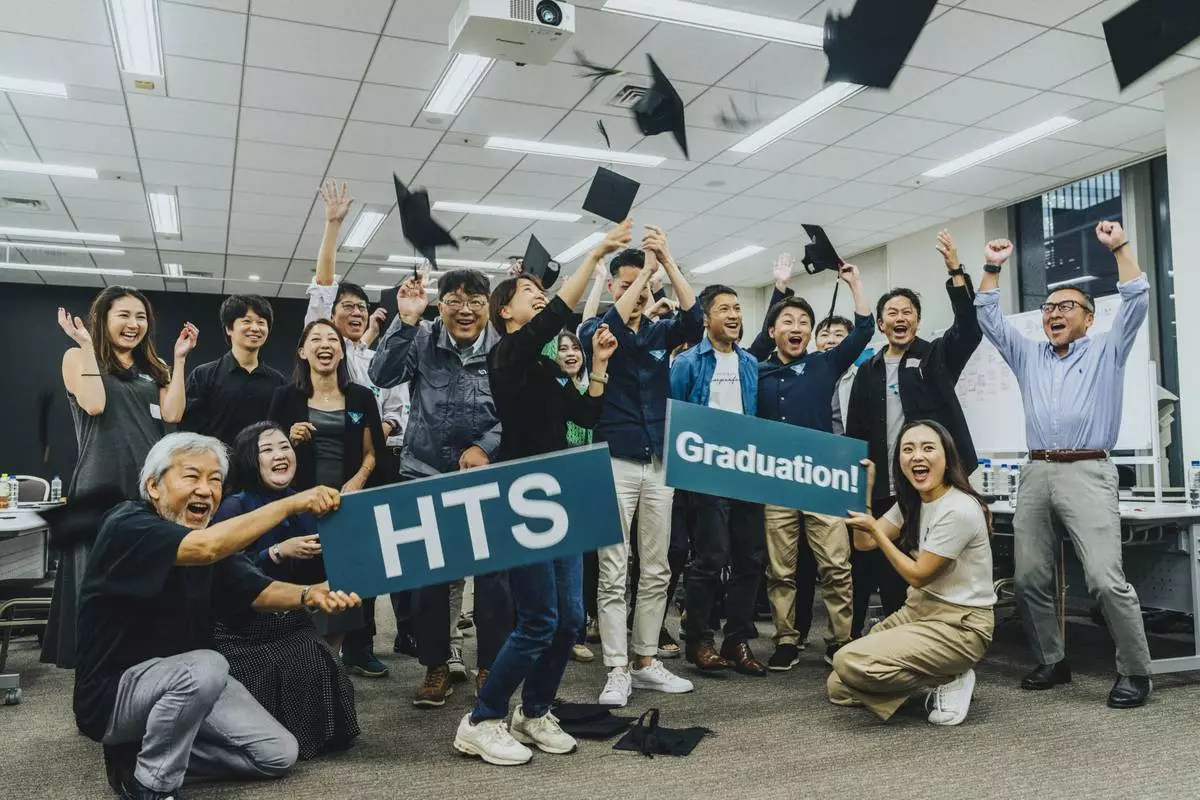
Helical Fusion members celebrating the successful HTS test with an “HTS Graduation!” sign and graduation caps

Helical Fusion members celebrating the successful HTS test with an “HTS Graduation!” sign and graduation caps

This press release features multimedia. View the full release here: https://www.businesswire.com/news/home/20251026597002/en/

Watch the key points of this release in a 2-minute video: https://youtu.be/UhgQHfKtvow

Helical Fusion is the only company in the world building upon expertise in the Helical Stellarator approach, accumulated for more than 60 years at national institutes and national universities, which has been proven to possess the optimal characteristics for commercial power generation. As the sole inheritor of this knowledge from the National Institute for Fusion Science (NIFS), Helical Fusion is driving the Helix Program to realize the world’s first commercially viable fusion power plant using the Helical Stellarator.

Under the Helix Program, the company aims to complete performance tests of its two key technologies—HTS magnets and the integrated blanket/divertor system—by the end of the 2020s. By the 2030s, Helical Fusion plans to achieve full system integration through Helix HARUKA and begin steady-state power generation with its fusion pilot plant, Helix KANATA.

About the Performance Test

Significance

This milestone marks the world's first successful demonstration of an HTS coil constructed with a fully-functional large-scale conductor:

Using NIFS’s unique large-diameter, high-field testing facility, the conductor achieved stable superconducting current flow at 40 kA under a 7-tesla external magnetic field at 15 K (-258°C).

This result establishes Helical Fusion as one of the world’s leading contenders in the race toward commercial fusion energy and meets the technical threshold required to advance to the integrated demonstration device, Helix HARUKA.

Strong Collaboration with the National Laboratory and the Government

Since its founding in 2021, Helical Fusion has worked closely with NIFS through multiple joint research initiatives. In March 2024, a dedicated joint research team and lab space were established at NIFS to accelerate the development of HTS magnets and blanket/divertor systems - a model of Japan’s public-private partnership in fusion innovation.

The company’s progress is supported by Japan’s SBIR Phase 3 program, the first national grant scheme dedicated to fusion energy under the Ministry of Education, Culture, Sports, Science and Technology (MEXT). The establishment of this program was strongly initiated by Ms. Sanae Takaichi, the current Prime Minister of Japan, during her tenure as Minister for the Cabinet Office, where she championed the inclusion of fusion energy as a national strategic priority. Helical Fusion received the program’s largest amount, JPY 2 billion (≒USD 13 million).

Importance of HTS Magnet Development

Fusion reactors require magnetic fields strong enough to confine plasma exceeding 100 million degrees Celsius. For commercial plants, these fields must be generated efficiently and compactly — a challenge that makes HTS technology indispensable.

While many companies produce HTS materials, only a few possess the capability to design and engineer full-scale superconducting systems for real reactor environments. Helical Fusion’s success demonstrates its technical leadership in this domain.

About the Helix Program

The Helix Program targets the launch of the world’s first commercially viable fusion power plant in the 2030s through its Fusion Pilot Plant, Helix KANATA. The program defines three essential requirements for commercially viable fusion power:

Out of more than 50 fusion development projects worldwide—spanning tokamak and laser-based approaches—the Helical Stellarator is uniquely capable of meeting all three criteria with existing technologies. The Helix Program aims to be the world’s first initiative to realize all of these requirements by the 2030s.

Powered by a strong partnership with NIFS and supported by Japan's world-class manufacturing industry, Helical Fusion is committed to leading the global fusion energy sector—a market expected to reach trillions of dollars in scale in the coming decades.

Comment from Co-Founder, CEO Takaya Taguchi

This achievement is undoubtedly a remarkable laboratory milestone born from Japan’s strong collaboration between industry, government, and academia.

Yet, more importantly, it marks a global turning point — a moment when everyone pursuing or believing in commercial fusion must recognize Helical Fusion as one of the most promising contenders for realization.

I am immensely proud of our joint team with the National Institute for Fusion Science (NIFS) — the giant of fusion research from which our company originated — and deeply grateful to our Japanese manufacturing partners whose craftsmanship made this success possible.

As we move forward to the next stage, we invite the world to watch closely and share in the excitement of what comes next.

Comment from Co-Founder, CTO Junichi Miyazawa

The development of high-temperature superconducting (HTS) magnets marks a powerful shift from laboratory research to real-world implementation.

Over years of dedicated work, the global fusion community has advanced material and magnet technologies that did not even exist when I began our research — technologies that now give us strong confidence in achieving commercial fusion power.

This successful test is the culmination of many years of development and close collaboration with partners across academia and industry. We will channel our deepest gratitude into the continued progress of Helix HARUKA and Helix KANATA.

About Helical Fusion Co., Ltd.

Helical Fusion is a Japan-based startup developing the world’s first commercially viable net power fusion plant, leveraging the expertise of the Helical Stellarator and inheriting more than 60 years of national fusion research.

Helical Fusion has raised JPY 5.2 billion (≈USD 34 million) to date and targets commercial operation in the 2030s under its “Helix Program”.
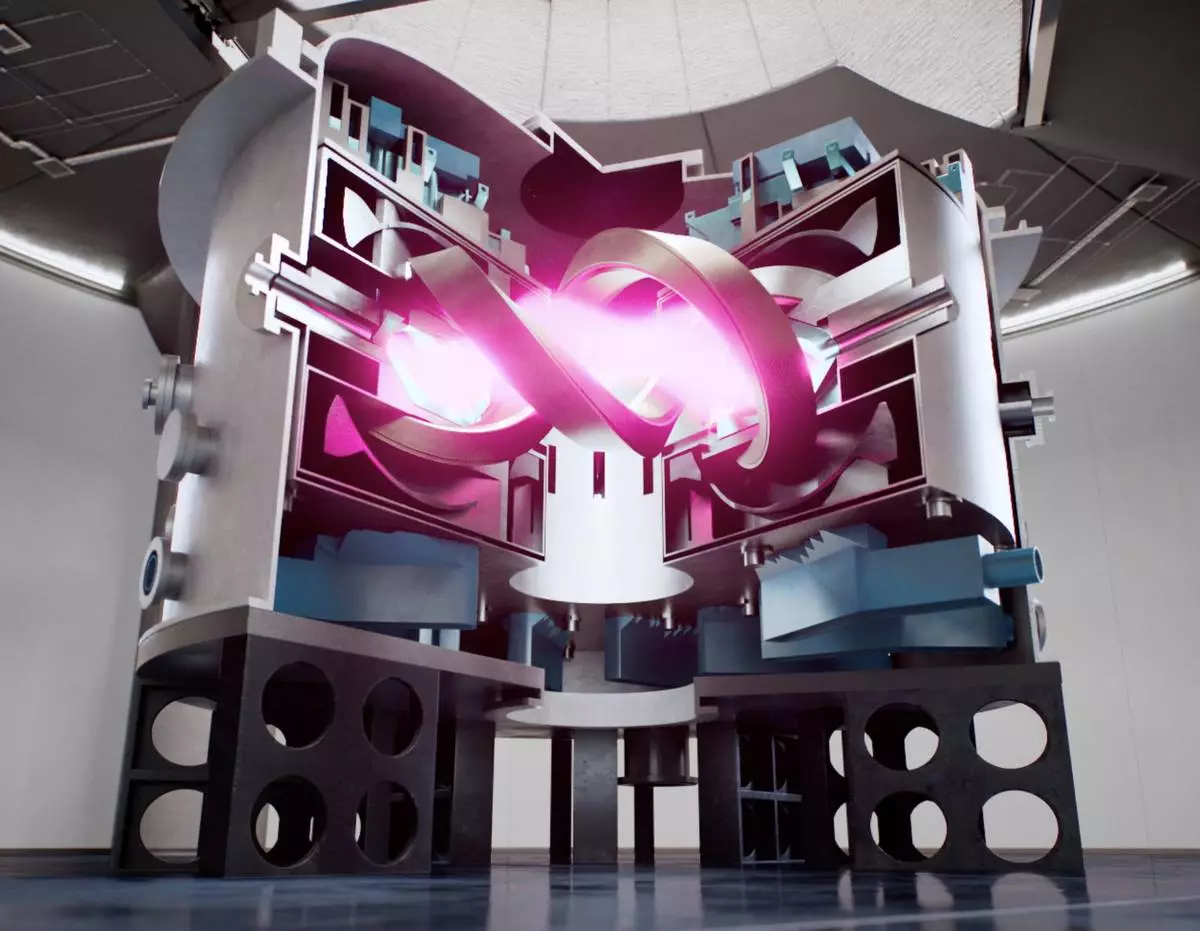
 

Conceptual rendering of Helix KANATA, Helical Fusion’s first commercial fusion power plant planned for the 2030s
Conceptual rendering of Helix KANATA, Helical Fusion’s first commercial fusion power plant planned for the 2030s

The three essential criteria for commercially viable fusion energy
The three essential criteria for commercially viable fusion energy

HTS coil being loaded into NIFS’s large-diameter high-field conductor testing facility in Gifu, Japan
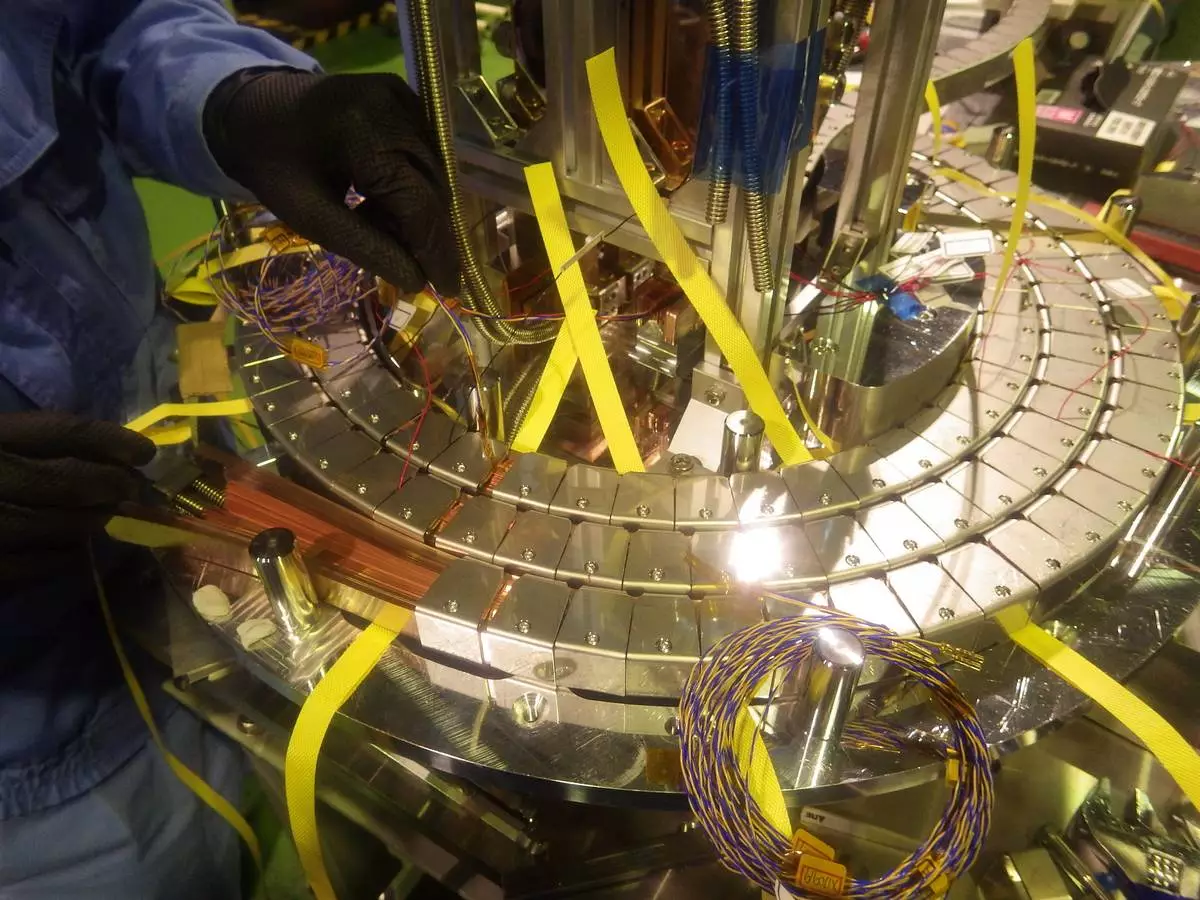
HTS coil being loaded into NIFS’s large-diameter high-field conductor testing facility in Gifu, Japan

“Double Pancake Coil” used for the latest HTS test by Helical Fusion

“Double Pancake Coil” used for the latest HTS test by Helical Fusion

Helical Fusion members celebrating the successful HTS test with an “HTS Graduation!” sign and graduation caps


Helical Fusion members celebrating the successful HTS test with an “HTS Graduation!” sign and graduation caps
BATON ROUGE, La. (AP) — Louisiana lawmakers passed a new congressional map Friday designed to pick up a Republican seat while leaving the state with just one of its two majority-Black House districts represented by Democrats.

Approval of the new House map came a month after the U.S. Supreme Court struck down the state’s current map as an illegal racial gerrymander, weakening the landmark 1965 federal Voting Rights Act. That decision intensified a national redistricting battle fueled by President Donald Trump’s efforts to protect the Republicans’ slim House majority in the midterm elections.

Louisiana Republicans had considered drawing a map giving the party a shot at winning all six of the state’s U.S. House seats. But that would have required adding more Black voters to Republican-held districts, potentially backfiring with losses. Some Republicans said a 5-1 map better protects U.S. House Speaker Mike Johnson from facing a difficult reelection.

Republican Gov. Jeff Landry is expected to sign the new map into law.

In the weeks following the Supreme Court’s decision, several other Republican-controlled Southern states have seized upon a weakened federal Voting Rights Act to try to redraw their own congressional districts. It’s the latest flare-up in a heated national redistricting battle heading into the November elections, spurred along by President Donald Trump.

So far, Republicans are winning the redistricting contest. But that doesn’t necessarily mean they will win a narrowly divided U.S. House in November. So far, Republicans think they could gain as many as 14 seats from their redistricting efforts, while Democrats think they could gain six seats from new districts in California and Utah.

In Louisiana, Republicans currently hold four of six congressional seats on a court-ordered map drawn in 2024 to comply with the Voting Rights Act by including a second district with a majority-Black population.

That map, however, was challenged in court, and the Supreme Court responded on April 30 by striking it down as an illegal racial gerrymander.

Landry postponed the state’s U.S. House primary, scheduled for May 16, until later this summer to allow time for Republican lawmakers to draw and pass a new map.

The proposed map redraws Democratic U.S. Rep. Cleo Fields' district, clustering it around predominantly white communities in the Baton Rouge area and southern Louisiana. It also adds part of Baton Rouge to a heavily Democratic, majority-Black district based in New Orleans currently represented by Democratic U.S. Rep. Troy Carter.

More lawsuits were expected over the new map.

Democrats say the proposed map could still constitute a racial gerrymander because it packs Black voters into a single congressional district. Meanwhile, the plaintiffs in the U.S. Supreme Court's decision criticized the Legislature's map for leaving a majority-Black district in place.

Several other Southern states also have acted on redistricting since the Supreme Court's decision.

Florida’s Legislature passed new congressional districts just hours after the ruling, completing a redrawing that was in the works in anticipation of the decision. It could yield Republicans as many as four additional seats in the midterm elections.

Tennessee adopted new U.S. House districts a week after the ruling, carving up a majority-Black district based in Memphis in a Republican attempt to win an additional seat.

In Alabama, Republicans are attempting to pick up another seat by redrawing two districts where Black residents compose a majority or close to it. Democrats hold both seats, and the proposal is mired in a court battle.

South Carolina’s Senate, meanwhile, decided against redistricting, despite pressure from Trump.

Mary Anne Mushatt, of the League of Women Voters and the Orleans Parish Democratic Committee, right, hugs Rep. Tammy T. Phelps, D-District 3, after a redistricting plan to eliminate a majority-Black congressional district, in response to a U.S. Supreme Court ruling, was passed by the House in Baton Rouge, La., Thursday, May 28, 2026. (AP Photo/Gerald Herbert)

Mary Anne Mushatt, of the League of Women Voters and the Orleans Parish Democratic Committee, right, hugs Rep. Tammy T. Phelps, D-District 3, after a redistricting plan to eliminate a majority-Black congressional district, in response to a U.S. Supreme Court ruling, was passed by the House in Baton Rouge, La., Thursday, May 28, 2026. (AP Photo/Gerald Herbert)

A person opposed to the redistricting plan reacts as she leaves the Louisiana House chambers after the plan to eliminate a majority-Black congressional district, in response to a U.S. Supreme Court ruling, was passed in Baton Rouge, La., Thursday, May 28, 2026. (AP Photo/Gerald Herbert)

A person opposed to the redistricting plan reacts as she leaves the Louisiana House chambers after the plan to eliminate a majority-Black congressional district, in response to a U.S. Supreme Court ruling, was passed in Baton Rouge, La., Thursday, May 28, 2026. (AP Photo/Gerald Herbert)

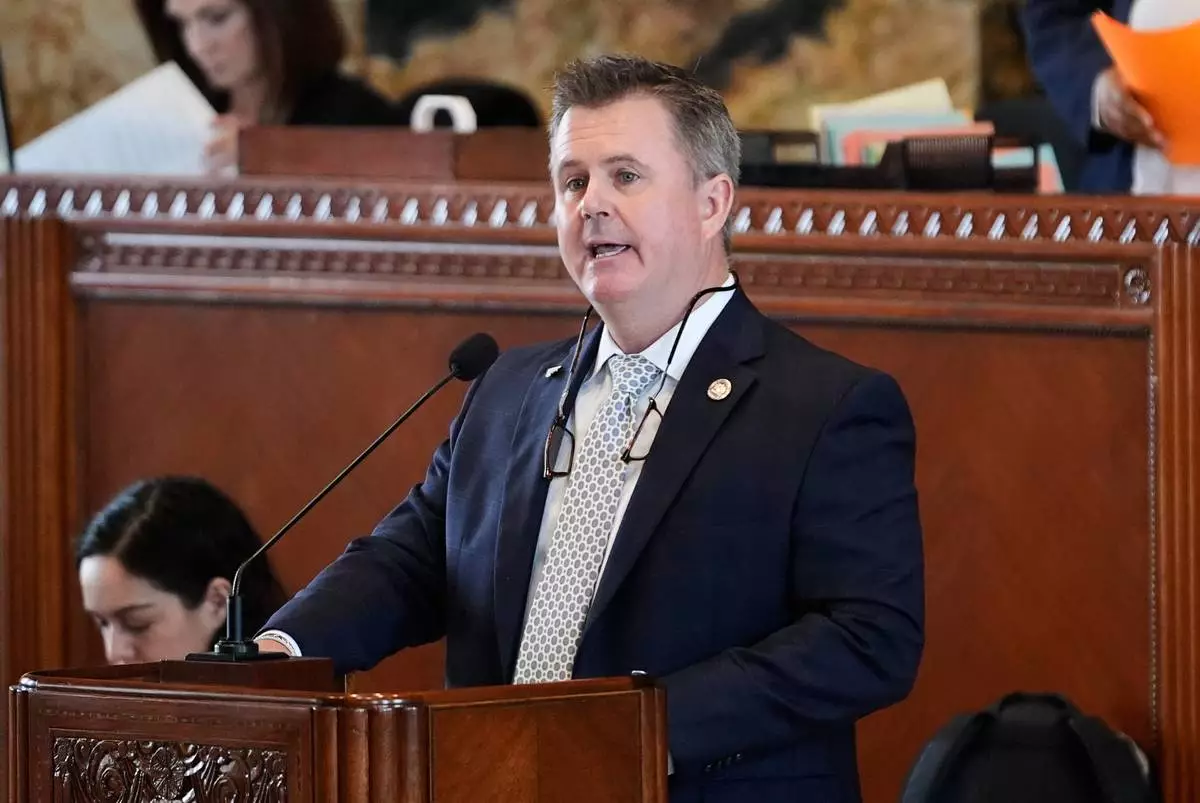
Louisiana Rep. Gerald Beaullieu, IV, R-Dist 48, speaks prior to a Louisiana House vote on a redistricting plan to eliminate a majority-Black congressional district in response to a U.S. Supreme Court ruling, in Baton Rouge, La., Thursday, May 21, 2026. (AP Photo/Gerald Herbert)

Louisiana Rep. Gerald Beaullieu, IV, R-Dist 48, speaks prior to a Louisiana House vote on a redistricting plan to eliminate a majority-Black congressional district in response to a U.S. Supreme Court ruling, in Baton Rouge, La., Thursday, May 21, 2026. (AP Photo/Gerald Herbert)

Louisiana Rep. Kyle M. Green, Jr., D-Dist 83, speaks prior to a Louisiana House vote on a redistricting plan to eliminate a majority-Black congressional district in response to a U.S. Supreme Court ruling, in Baton Rouge, La., Thursday, May 21, 2026. (AP Photo/Gerald Herbert)

Louisiana Rep. Kyle M. Green, Jr., D-Dist 83, speaks prior to a Louisiana House vote on a redistricting plan to eliminate a majority-Black congressional district in response to a U.S. Supreme Court ruling, in Baton Rouge, La., Thursday, May 21, 2026. (AP Photo/Gerald Herbert)

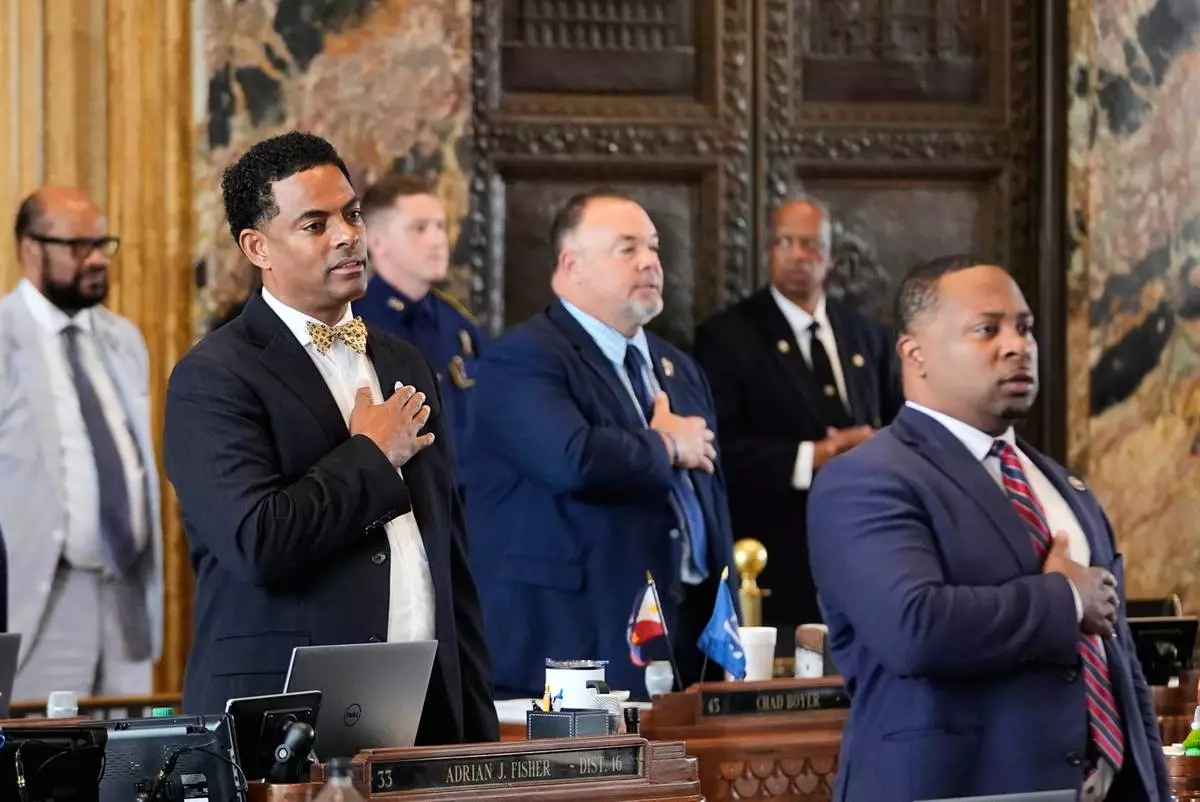
Louisiana Reps. Adrian Fisher, D-Dist 16, left, Chad Michael Boyer, R-Dist 46, and C. Travis Johnson, D-Dist 21, right, recite the pledge of allegiance prior to a house vote on a redistricting plan to eliminate a majority-Black congressional district in response to a U.S. Supreme Court ruling, in Baton Rouge, La., Thursday, May 21, 2026. (AP Photo/Gerald Herbert)

Louisiana Reps. Adrian Fisher, D-Dist 16, left, Chad Michael Boyer, R-Dist 46, and C. Travis Johnson, D-Dist 21, right, recite the pledge of allegiance prior to a house vote on a redistricting plan to eliminate a majority-Black congressional district in response to a U.S. Supreme Court ruling, in Baton Rouge, La., Thursday, May 21, 2026. (AP Photo/Gerald Herbert)

Recommended Articles