SEOUL, South Korea (AP) — South Korea this week will host leaders from major Pacific Rim economies, including the United States, China and Japan, for an annual summit that has long championed free trade.
But this year’s Asia-Pacific Economic Cooperation meetings come as U.S. President Donald Trump continues to send shock waves around the world with his sweeping tariffs and other measures upending the postwar global trade order, unsettling both allies and rivals.
Click to Gallery
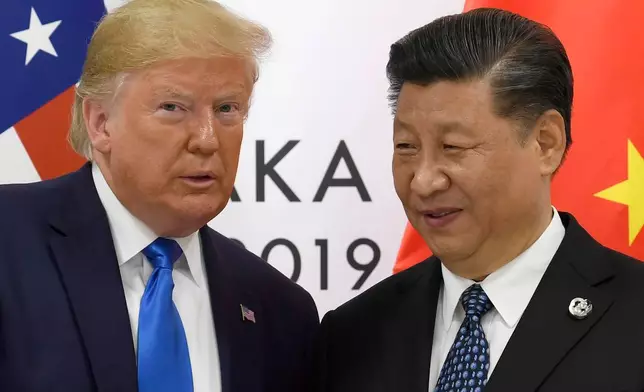
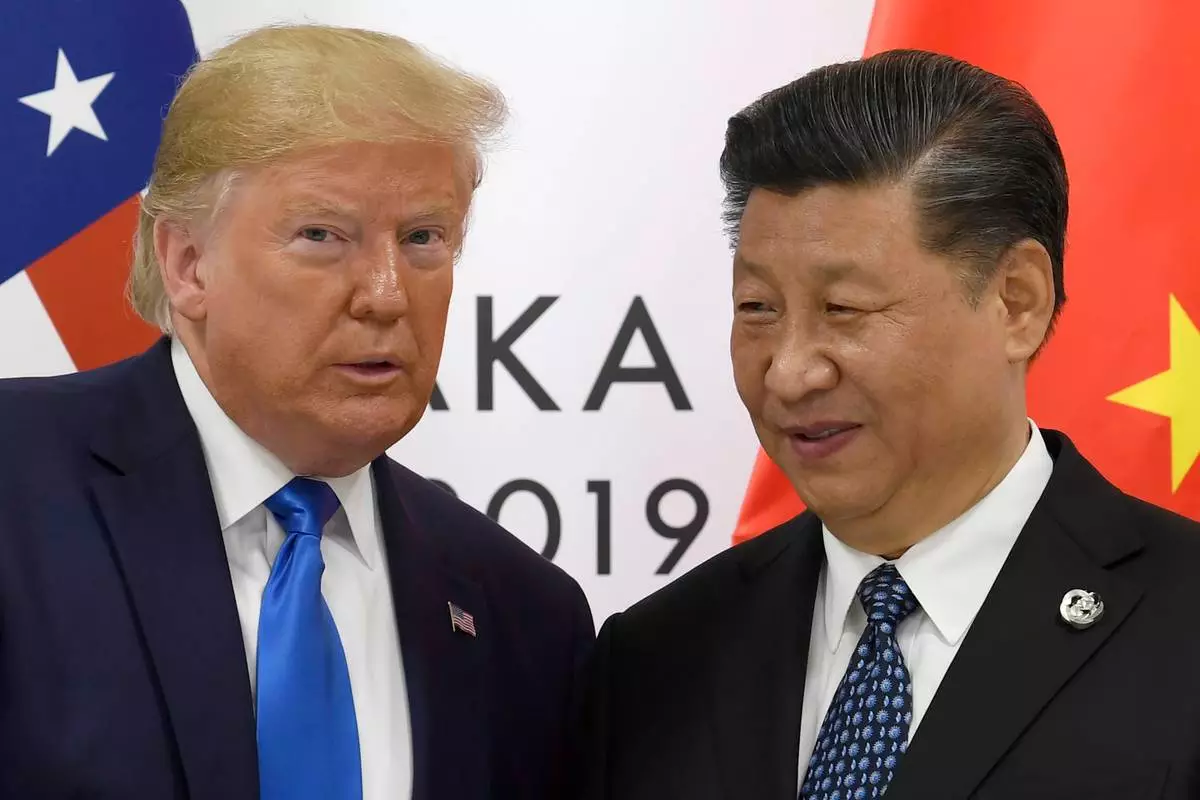
FILE - U.S. President Donald Trump poses for a photo with Chinese President Xi Jinping during a meeting on the sidelines of the G-20 summit in Osaka, western Japan, on June 29, 2019. (AP Photo/Susan Walsh, File)
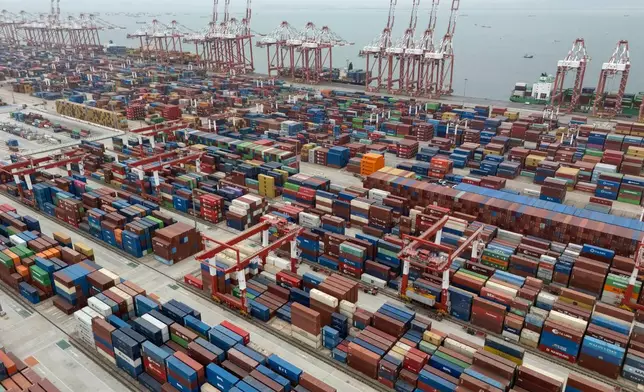
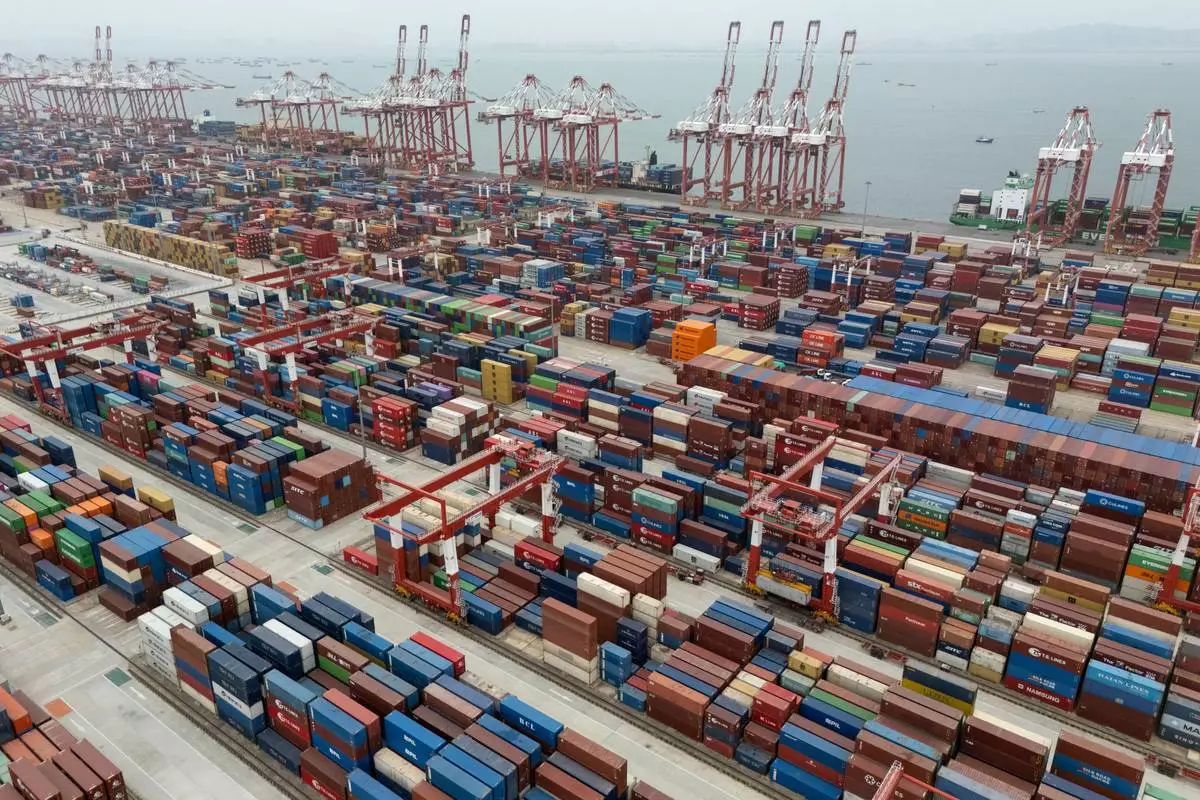
FILE - Shipping containers are seen ready for transport at the Guangzhou Port in the Nansha district in southern China's Guangdong province, April 17, 2025. (AP Photo/Ng Han Guan, File)
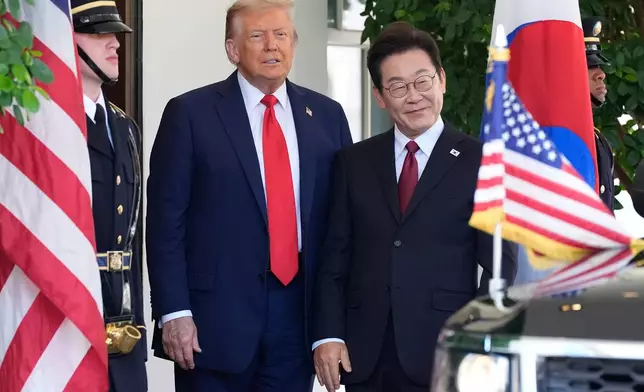
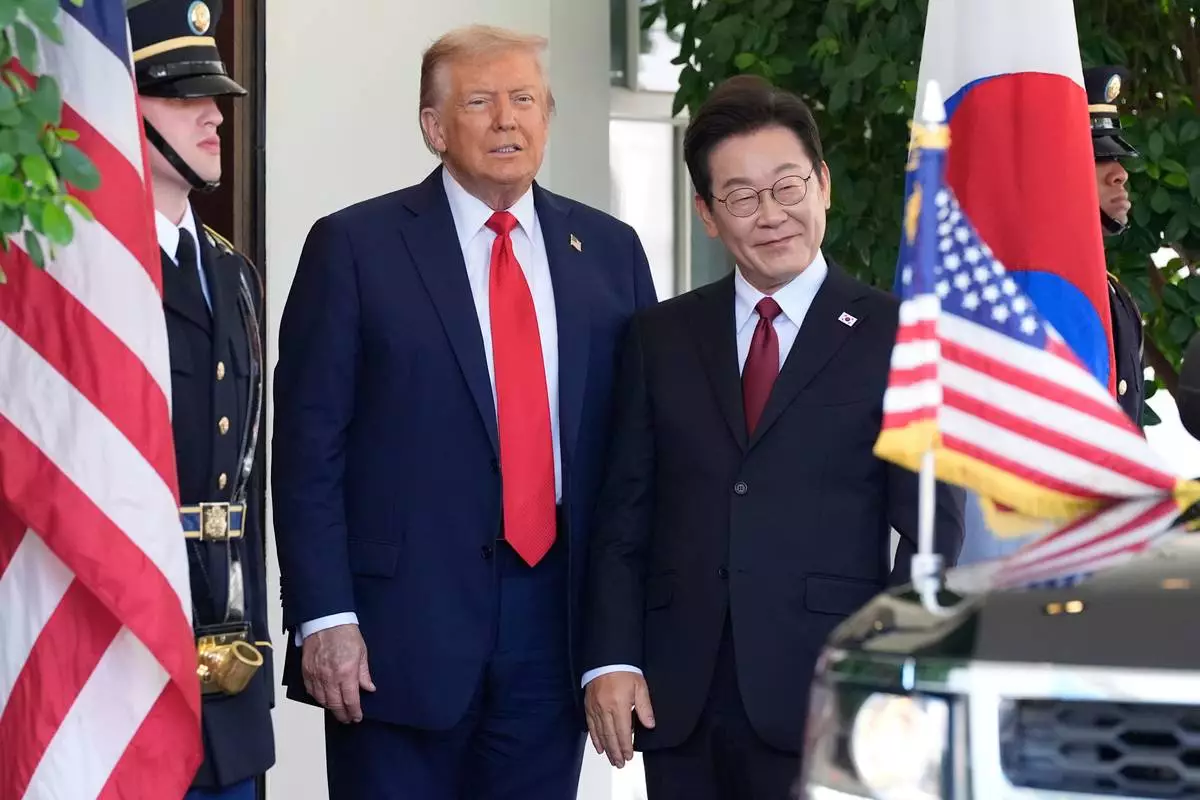
FILE - President Donald Trump, left, greets South Korean President Lee Jae Myung upon his arrival at the White House, on Aug. 25, 2025, in Washington. (AP Photo/Alex Brandon, File)
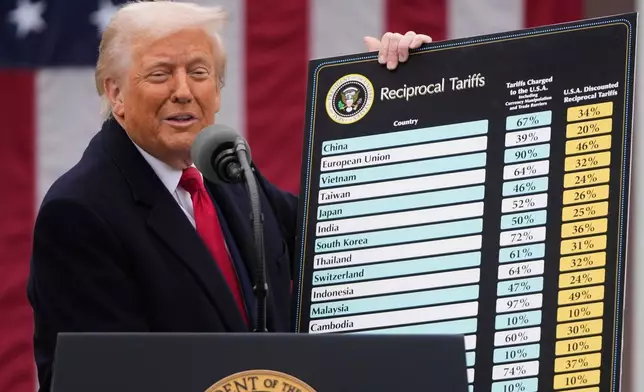
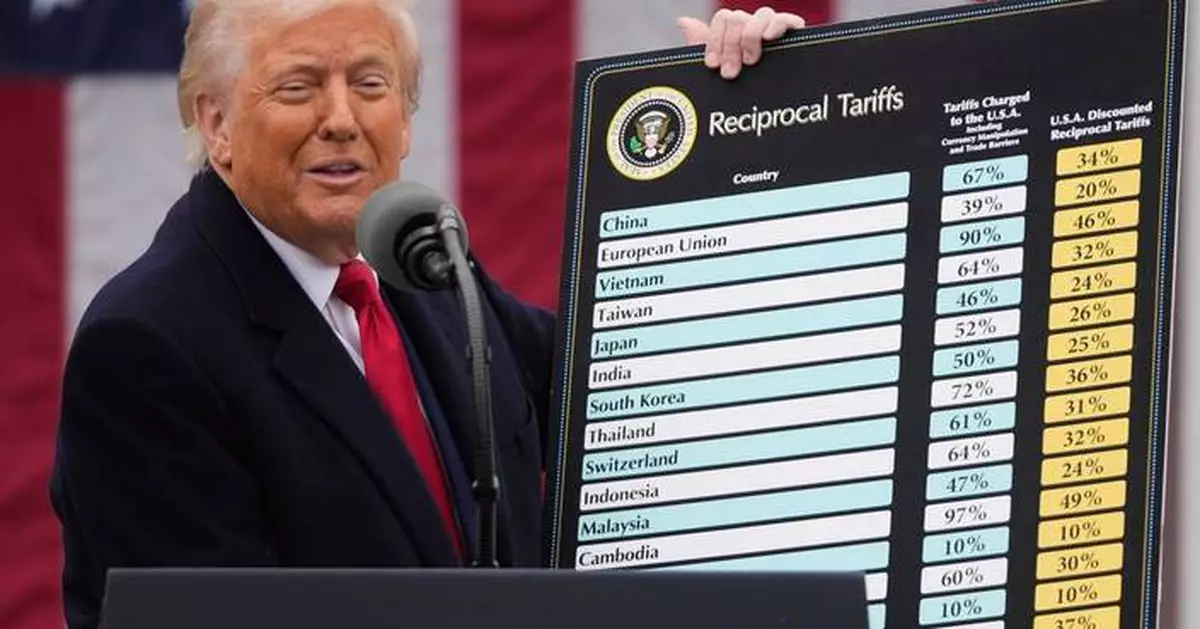
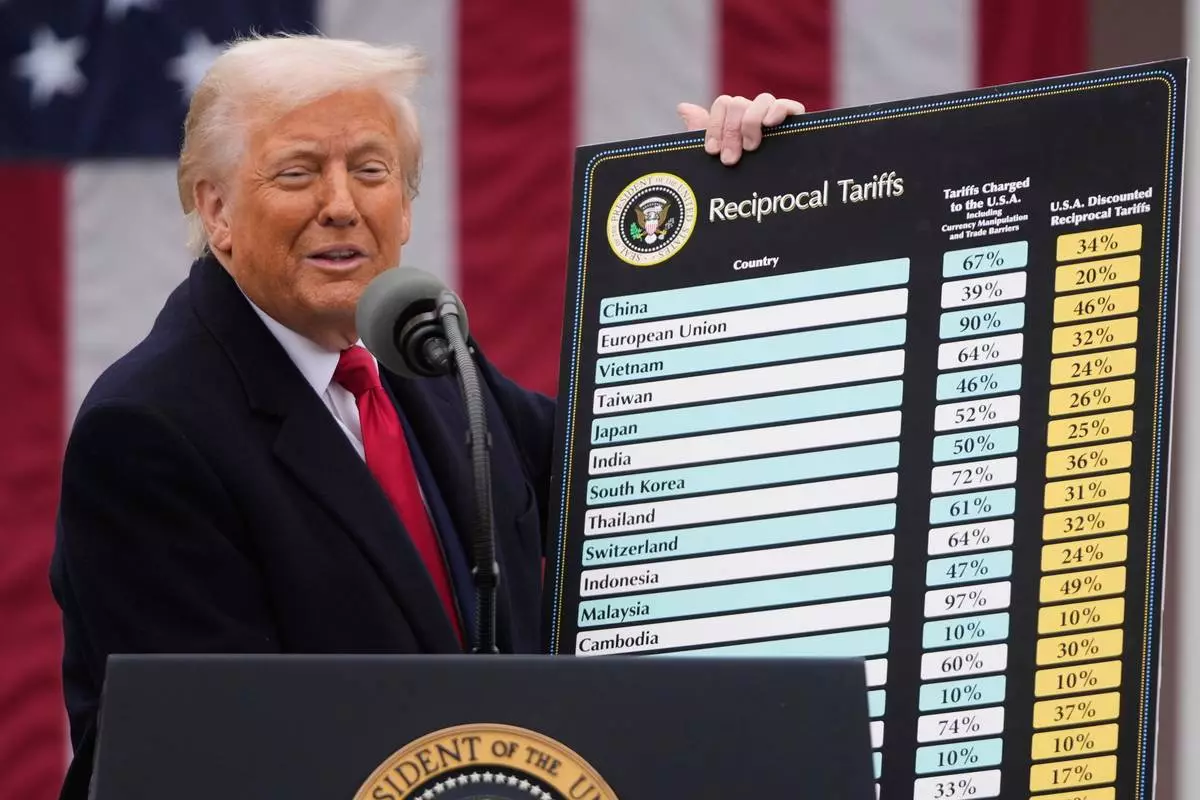
FILE - President Donald Trump speaks during an event to announce new tariffs in the Rose Garden at the White House, on April 2, 2025, in Washington. (AP Photo/Mark Schiefelbein, File)
The multilateral gathering in Gyeongju is expected to be overshadowed by a sideline event — a face-to-face meeting on Thursday between Trump and Chinese leader Xi Jinping — as their intensifying trade war leaves the South Korean hosts in a difficult balancing act.
Here's look at this year’s APEC meeting:
Established in 1989 as a 12-member forum to promote free trade and economic cooperation, APEC now has 21 members, including the United States, South Korea, China, Japan, Australia and Russia. The members wield significant collective weight, accounting for 37% of the world’s population and more than half of global trade in goods as of 2024, according to South Korean government data.
Each year, one of APEC’s members hosts the annual leaders’ meeting, serving as its chair. A flurry of high-level bilateral meetings typically take place on the sidelines of APEC’s main conference, underscoring the forum’s role as a platform for dialogue and cooperation.
This year’s summit will be held from Oct. 31 to Nov. 1 in the southern city of Gyeongju, a cultural hub home to three UNESCO World Heritage sites.
APEC has a narrow focus limited to trade and economic issues and has no military component. Still, experts say APEC’s strength is its ability to bring together countries that might otherwise compete aggressively or even clash, enabling collaboration on major initiatives, though without binding agreements.
In the buildup to the summit, members hold a series of ministerial and other meetings to discuss practical cooperation on various issues, and economists have credited the forum with helping reduce tariffs and other trade barriers in past years.
“While APEC is inherently a loose organization and has its limitations, it has carried symbolic significance as all the leaders come together, and even if discussions were somewhat vague, they could still gain influence over time,” said Kim Tae-hyung, a professor at Seoul’s Soongsil University. “But the atmosphere is completely different this year and we might not see the usual range of discussions or topics that were often addressed at the forum.”
Having last chaired APEC in 2005, during the height of postwar globalization, South Korea now faces a far trickier challenge as host, navigating a trade landscape transformed in the months since Trump returned to the White House.
Long shaped by the United States and its allies promoting free trade and multilateralism, the forum now faces a stark contrast under Trump, whose steep tariffs and unilateral trade measures have shaken its closest allies.
“The United States drove the launching of APEC with the goal of expanding global cooperation under a rules-based international order, but now, the Trump administration is precisely rejecting all of that,” said Park Won Gon, a professor at Seoul’s Ewha Womans University.
The situation is likely to force APEC’s pro-American members — particularly host South Korea — into a delicate balancing act, calibrating their diplomatic and public messages to advocate free trade without alienating Washington, while trying to prevent China from seizing the stage as a self-styled defender of global order, Park said.
The main event will likely be Thursday’s bilateral in Busan between Trump and Xi, their first since the U.S. president began his second term.
Trump and Xi in recent months have been locked in an escalating trade war, with Washington imposing high tariffs and tightened technology controls and China retaliating with curbs on rare earth shipments, one of its key sources of leverage.
It's unclear whether either leader will be willing to make major concessions, but it’s possible the meeting could ease tensions, said Ban Kil Joo, a professor at South Korea’s National Diplomatic Academy.
They likely wouldn’t meet if they weren’t confident about reaching some sort of agreement, Ban said.
Trump's meeting with Xi will come after his bilateral talks with South Korean President Lee Jae Myung in Gyeongju on Wednesday. Trump’s trip to South Korea will follow a visit to Japan where he met the country’s new prime minister, Sanae Takaichi, who is also expected to attend the APEC forum.
Both Seoul and Tokyo have pledged hundreds of billions in U.S. investments while seeking to avoid the Trump administration’s highest tariffs, which they fear would batter their auto industries and other major exports. However, Washington and Seoul have struggled to reach a deal, with South Korean officials rejecting U.S. demands for upfront payments, which they fear could trigger a financial crisis, and proposing loans and loan guarantees instead.
South Korean Foreign Minister Cho Hyun in a radio interview last week said it could be difficult for APEC leaders to issue a joint statement strongly endorsing free trade, given their differing positions. He instead anticipated a broader declaration emphasizing peace and prosperity in the Pacific region.
Instead of being caught up in the Washington-Beijing rivalry, South Korean should use its role as chair to convey a message from “middle power” nations promoting free trade and global cooperation, said Choi Yoon Jung, an analyst at Seoul's Sejong Institute.
“APEC’s strength is that we can bring together countries engaged in disputes and let them discuss practical cooperative steps, even when there could be no immediate, substantial breakthroughs,” Choi said.
South Korean officials said this year’s APEC meeting will also address the rising role of artificial intelligence and demographic challenges faced by developed economies, including low birth rates and aging populations.
“Different countries have different issues related to population, but artificial intelligence is a crucial issue for the entire world, for which no regulatory norms or standards exist to govern it,” said Park, adding that it would be meaningful for technology-savvy South Korea to carve out a role in developing norms and standards for AI.
FILE - U.S. President Donald Trump poses for a photo with Chinese President Xi Jinping during a meeting on the sidelines of the G-20 summit in Osaka, western Japan, on June 29, 2019. (AP Photo/Susan Walsh, File)
FILE - Shipping containers are seen ready for transport at the Guangzhou Port in the Nansha district in southern China's Guangdong province, April 17, 2025. (AP Photo/Ng Han Guan, File)
FILE - President Donald Trump, left, greets South Korean President Lee Jae Myung upon his arrival at the White House, on Aug. 25, 2025, in Washington. (AP Photo/Alex Brandon, File)
FILE - President Donald Trump speaks during an event to announce new tariffs in the Rose Garden at the White House, on April 2, 2025, in Washington. (AP Photo/Mark Schiefelbein, File)