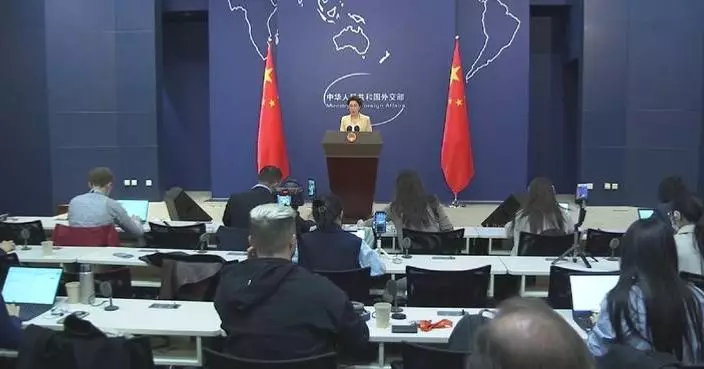
Mexico and the United States have launched a joint crackdown to intercept the flood of U.S.-sourced firearms fueling cartel violence, pledging tighter border controls, real-time intelligence sharing, and coordinated prosecutions.
The joint operation by Mexico and the U.S. commits new resources across the countries' shared 3,000-kilometer border in an effort to intercept more of the illegal guns that flow south and end up in the hands of narco-terrorists and other criminals.
The Security Implementation Group will meet regularly to coordinate actions by the U.S. and Mexico to dismantle the narco-terrorists, end the fentanyl crisis, strengthen border security, combat illicit finance, prevent fuel theft, and increase investigations and prosecutions to halt the flow of drugs and illicit firearms that fuel narco-terrorism.
Data from the Mexican government shows that seven of every ten murders in the country are committed with a firearm, and the overwhelming majority of those weapons can be traced back to the U.S.
"It's estimated more than 17 million firearms are currently circulating in Mexico, the vast majority of them trafficked from the U.S.," said Jonathan de Vicente, MUCD Political Advocacy director.
Since its launch in September, Mission Firewall has served as the intelligence-sharing backbone of the U.S.-Mexico joint task force, streamlining digital coordination to track and intercept illicit firearms more effectively.
"There are border controls, but Mexico must be stricter, while the U.S. should impose tougher penalties on those who sell weapons so easily. Real-time intelligence between both countries could produce meaningful results," said Arturo Ortiz, international security consultant.
However, not everyone agrees with Mexico's stance.
"I don't think the Mexican government has standing to complain about the business practices that are regulated by the United States government. Perhaps they should focus more on enforcing their laws within their jurisdiction," said Rick Briscoe, U.S. gun advocate from Open Carry Texas.
"Without a strong internal firearms policy, even binational cooperation will fail," said Vicente.
For both governments, the challenge will be keeping cooperation alive long enough to make a difference, particularly during these stormy political times.
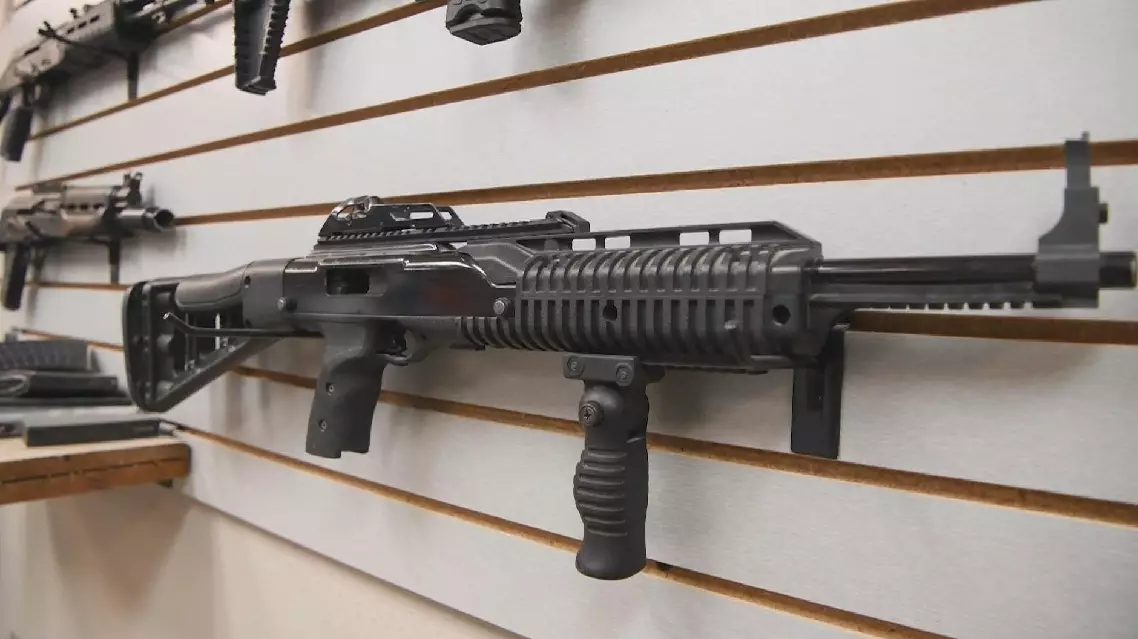
US, Mexico launch joint crackdown on gun trafficking