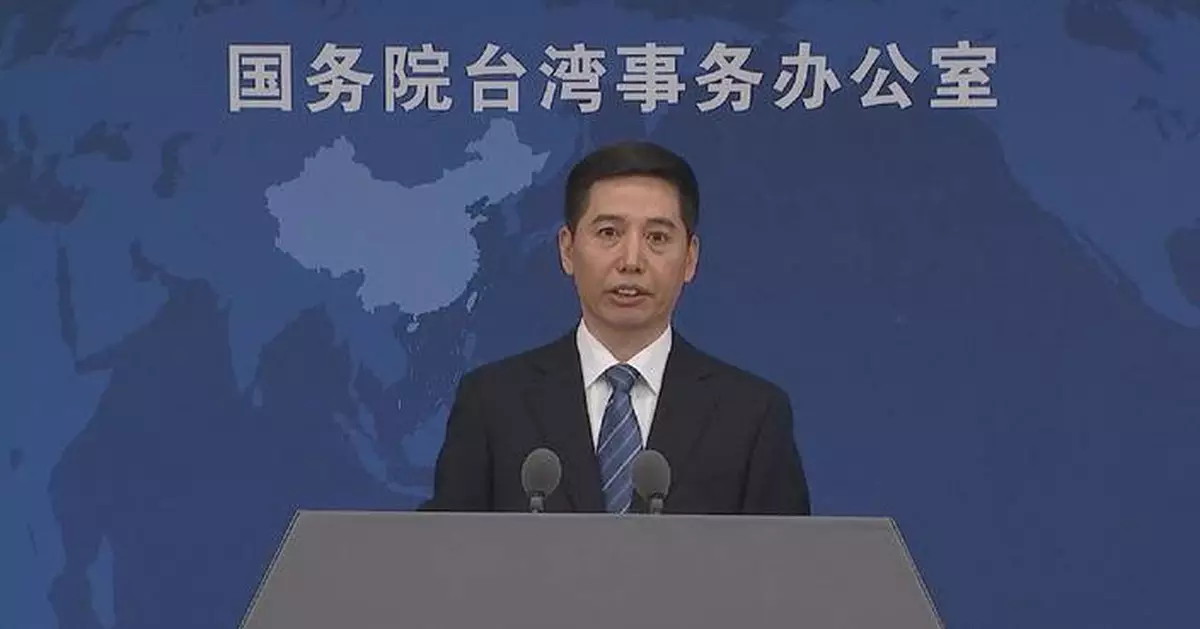
A Chinese mainland spokesman on Wednesday called on the compatriots in Taiwan to firmly oppose separatist activities and recognize the great importance of the 1992 Consensus reached between the two sides of the Taiwan Strait.
Peng Qing'en, spokesman for the Taiwan Affairs Office of the State Council, made the statement at a press conference in Beijing in response to the remarks made by an official with Taiwan's mainland affairs council saying that the Democratic Progressive Party (DPP) authorities in Taiwan will not accept the political premise that Taiwan is part of China, as implied in the 1992 Consensus.
Peng emphasized that the 1992 Consensus is the solid anchor for peace and stability across the Taiwan Strait.
"In 1992, the two sides of the Taiwan Strait reached a consensus through consultations, in which they orally affirmed that 'both sides of the Taiwan Strait adhere to the one-China principle,' which is the 1992 Consensus. The 1992 Consensus clearly defines the nature of cross-Strait relations, lays the political foundation for cross-Strait dialogue and consultation, and serves as the anchor for peace and stability across the Taiwan Strait," said the spokesman.
Peng warned that denying the consensus and deviating from the one-China principle could lead to heightened tensions and instability across the Taiwan Strait.
"Upholding the 1992 Consensus ensures the improvement and development of cross-Strait relations and benefits compatriots in Taiwan. Conversely, denying the 1992 Consensus and deviating from the one-China principle leads to tension and instability of cross-Strait relations, harming the interests of the Taiwan compatriots," he said.
The spokesman charged that the DPP authorities' acts of smearing and distorting the consensus undermine the political foundation for cross-Strait relations and harm the interests of the compatriots on both sides of the Taiwan Strait.
"The DPP authorities have smeared, slandered, and defamed the 1992 Consensus for a long time, which has seriously undermined the shared political foundation of cross-Strait relations and harmed the interests of the compatriots on both sides of the Taiwan Strait. We hope that the vast majority of the Taiwan compatriots will correctly understand the important significance of the 1992 Consensus, resolutely resist separatist activities, and join hands with mainland compatriots to promote peaceful and integrated development of cross-Strait relations and jointly create a bright future for the cross-Strait relations," he said.
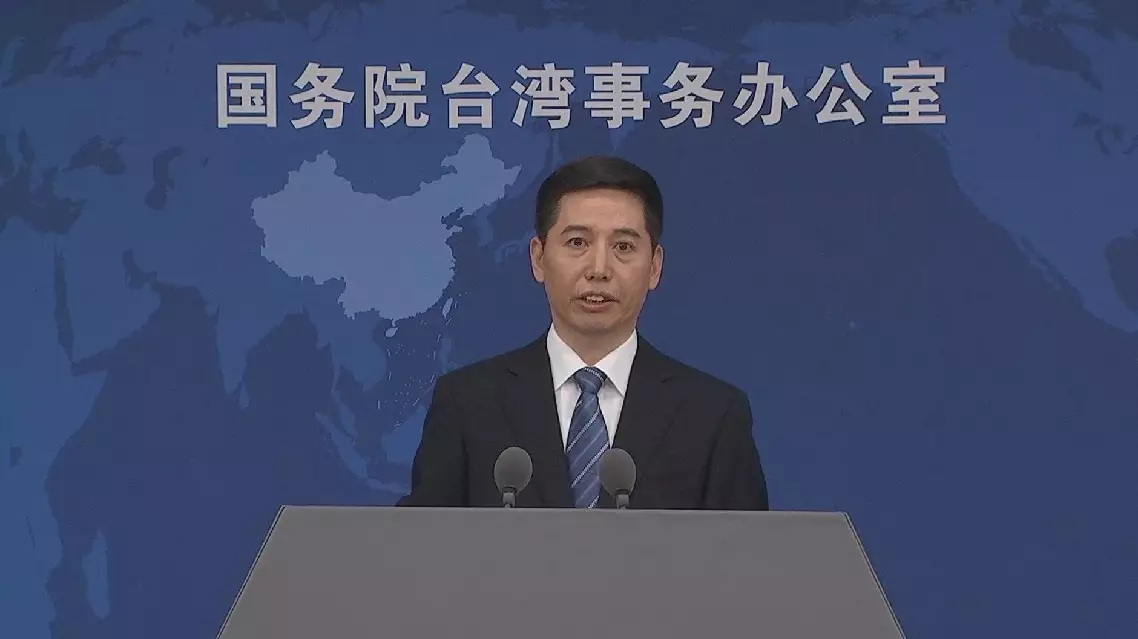
Mainland spokesman calls on Taiwan compatriots to reject separatism
Iranian President Masoud Pezeshkian said Sunday that decisions on war and negotiations rest with Iran's leadership and the Supreme National Security Council, as U.S. Defense Secretary Pete Hegseth said the two countries were still expected to sign a memorandum of understanding later in the day.
At a meeting on Sunday, Pezeshkian said that everyone must obey the decisions made by Iran's Supreme Leader, adding that the Iranian government simultaneously pursues the well-being of its people, national sovereignty, and the development of regional relations.
He stressed that through internal unity, proactive diplomacy, and economic reforms, Iran will overcome challenges.
On the same day, prior to Israel's attack on Lebanon, a source close to the Iranian negotiating team said a Qatari negotiating delegation was in Tehran, Iran's capital, and that the Iranian side was using the Qatari team to convey to the United States the terms it hoped to include in an Iran-U.S. agreement, as well as specific details it considered important.
The source emphasized that no final decision had been reached yet.
Regarding the ups and downs in the negotiations, the source said that, despite setbacks, Iran remains committed to the principle that all of its concerns must ultimately be fully taken into account. The source added that even if Iran's positions are fully reflected in the agreement, Tehran will not sign any deal within the timeframe announced by U.S. President Donald Trump.
On Sunday, the Israeli military again launched an airstrike in Beirut's southern suburbs in Lebanon.
In response, Iranian Parliament Speaker Mohammad Bagher Ghalibaf said on social media that the Israeli strike had once again shown the United States "either lacks the will to fulfill its commitments or the ability to do so," making it impossible to continue the dialogue process.
Meanwhile, U.S. Defense Secretary Pete Hegseth said Sunday that the U.S. and Iran still had a good chance of signing a memorandum of understanding later in the day, which would restart cargo traffic through the Strait of Hormuz and lift U.S. blockades on Iranian ports.
In an interview with U.S. media, Hegseth said the two countries are "on track to" sign a deal to end fighting on Sunday.
"It's not a matter of if, it's a matter of when," he said.
Hegseth said that after the agreement is signed, the U.S. and Iran will have 60 days to negotiate a longer-term peace arrangement and tackle broader issues, including Iran's nuclear program.
He said that the agreement is performance-based, meaning that no funds will be released to Iran until the Iranian side performs.
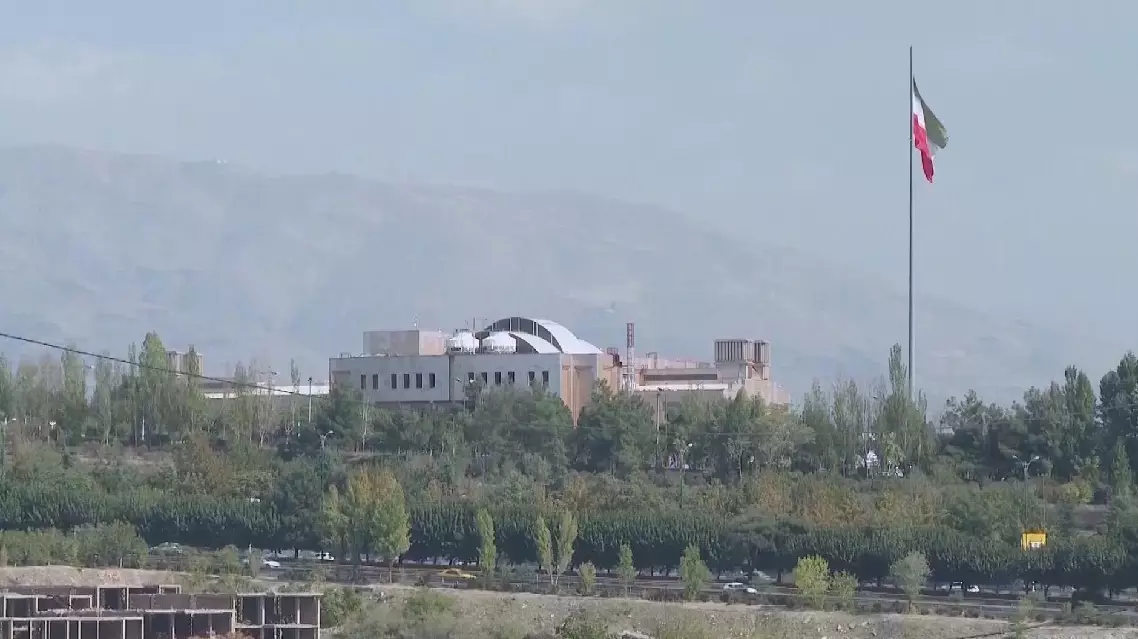
Iranian president says Iran's leadership decides on war, talk; US defense secretary expects MoU signed on Sunday