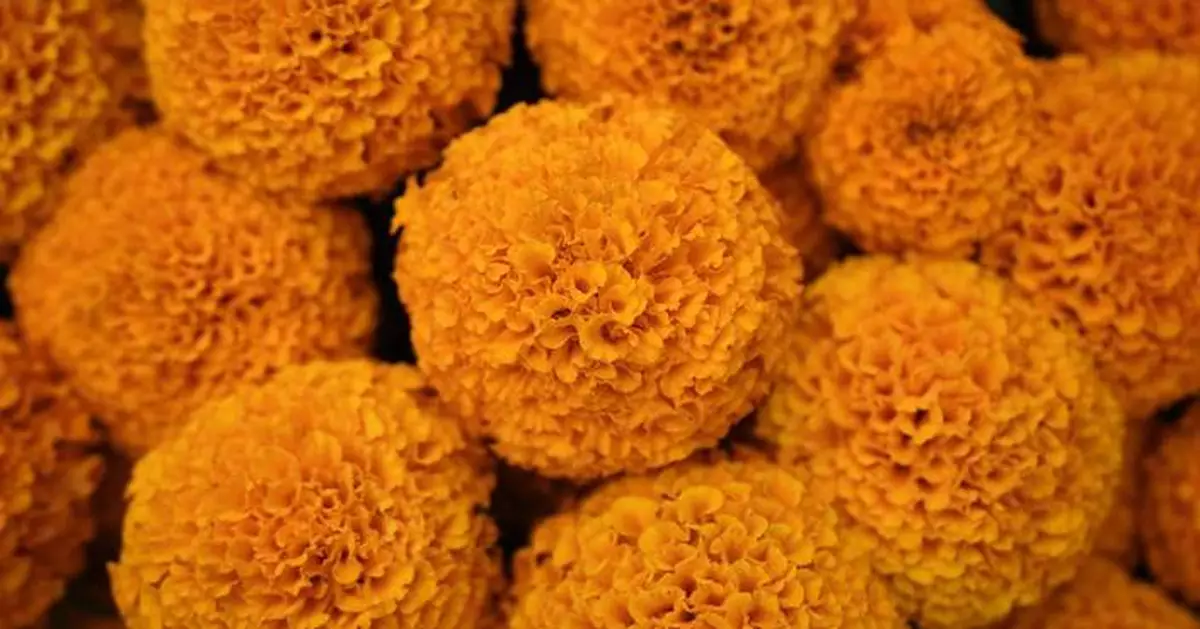
MEXICO CITY (AP) — Lucia Ortiz trudges through endless fields of cempasuchil flowers, the luminescent orange petals of which will soon cloak everything from city streets to cemeteries across Mexico.
Here, in the winding canals and farms on the fringes of Mexico City, the flower also known as the Mexican marigold has been farmed for generations, and takes the spotlight every year in the country's Day of the Dead celebrations.
Click to Gallery
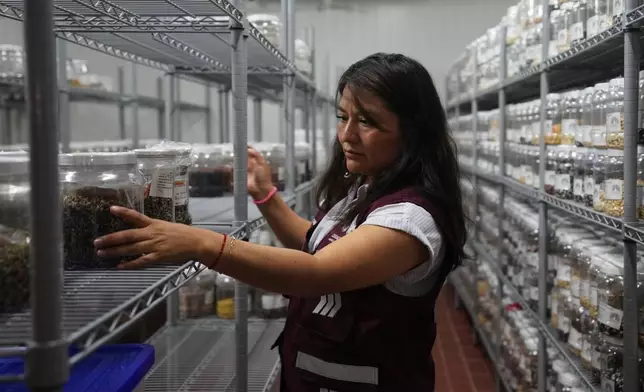
Biologist Clara Soto Cortés, head of the seed bank known as Toxinachcal, stands inside the refrigerated room where native seeds are kept, in the Xochimilco borough of Mexico City, Friday, Oct. 24, 2025. (AP Photo/Claudia Rosel)
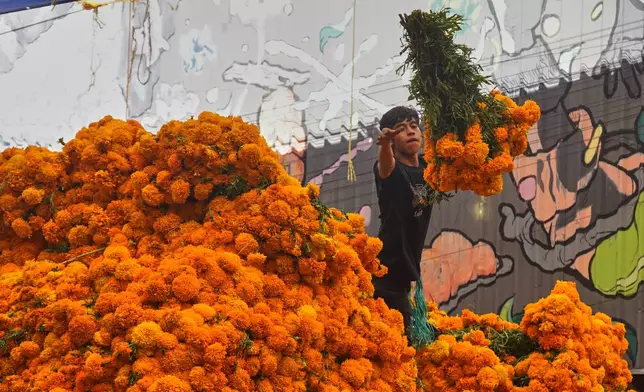
A worker unloads marigold flowers, known as cempasuchil, used during Day of the Dead celebrations, at the Jamaica flower market in Mexico City, Monday, Oct. 27, 2025. (AP Photo/Jon Orbach)

Catrina sculptures stand in a field of cempasuchil flowers in San Luis Tlaxialtemalco on the outskirts of Mexico City, Friday, Oct. 17, 2025. (AP Photo/Claudia Rosel)
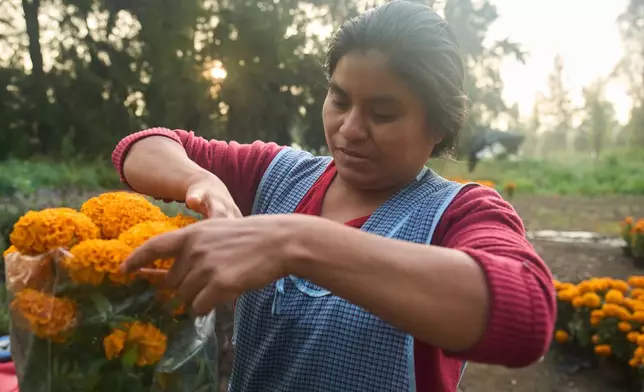
Flor Jimenez packages cempasuchil flowers on her farm as she grows the marigolds in preparation for Day of the Dead celebrations in Xochimilco on the outskirts of Mexico City, Thursday, Oct. 16, 2025. (AP Photo/Claudia Rosel)
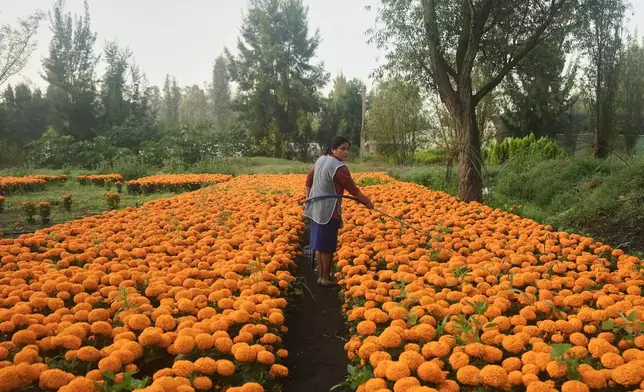
Flor Jimenez waters her crop of cempasuchil flowers in preparation for Day of the Dead celebrations in Xochimilco where marigolds are grown on the outskirts of Mexico City, Thursday, Oct. 16, 2025. (AP Photo/Claudia Rosel)
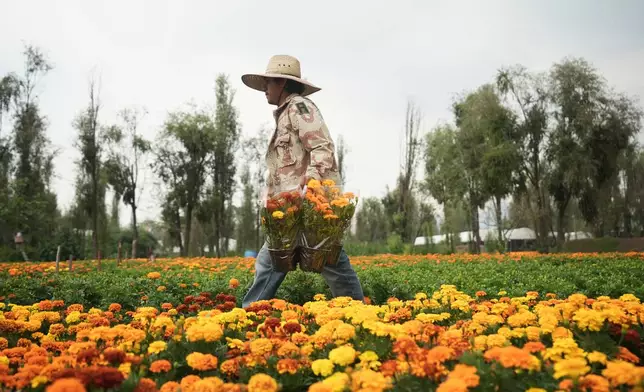
Farmer Jesus Cuaxospa works on his farm where he grows cempasúchil flowers in San Luis Tlaxialtemalco on the outskirts of Mexico City, Oct. 17, 2025, in preparation for Day of the Dead celebrations. (AP Photo/Claudia Rosel)
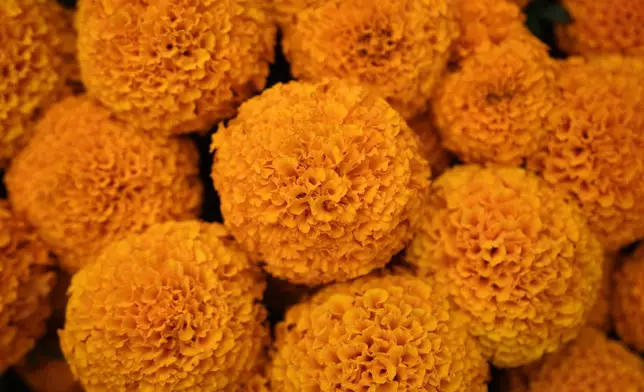
Cempasuchil in full bloom in the Xochimilco borough of Mexico City, Friday, Oct. 17, 2025, ahead of the Day of the Dead celebrations. (AP Photo/Claudia Rosel)
But as 50-year-old Ortiz and other farmers busily bundle clusters of the plant to sell in markets around the capital, they quietly wonder what will be left of their livelihood down the line.
That’s because cempasuchil growers say they’ve been left reeling by torrential rains, stretching drought and other impacts from climate change — caused by the burning of fuels like gas, oil and coal — that have grown increasingly common.
Farmers, who depend on the ebbs and flows of the weather to cultivate their crops, are on the front line on the climate crisis. This year alone, cempasuchil producers said they lost up to half their flower crop from heavy rains and flooding.
“This year, we lost a lot. We struggled to even grow the cempasuchil. There were moments in which we didn’t have the money to buy fertilizer we needed,” Ortiz said. “With the cempasuchil plants, we’ve sometimes been left with nothing.”
The orange flower has become a symbol of the country’s celebrations that take place every Nov. 1 and 2. Also known as the “flower of the dead”, the cempasuchil is believed to be a point of connection between the worlds of the dead and the living, with bright petals that light the path of dead souls to the altars set out by their family.
The flowers are also a crucial economic engine across Mexico, which commerce groups predict will rake in nearly 2.7 million dollars for farmers in 2025.
Ortiz and her family began growing the flower 30 years ago in their small plot of land in Xochimilco, a rural borough in the south of Mexico City where residents have continued to carry on ancient farming techniques using canals that wind through farmlands like a maze.
Every year, locals begin to plant the marigold seeds in July, and grow the plants as the rainy season winds down. But they say that they’ve been dealt a heavy blow for consecutive years as heavy rains, drought, floods and other climate shifts have made it increasingly difficult to keep their crops alive.
This year, torrential rains stretching on for months wiped out more than 37,000 acres of crops across the country, according to government figures. In a visit to cempasuchil fields earlier this month in Xochimilco, Mexico City Mayor Clara Brugada said that as many of 2 million marigold plants were put at risk. Despite that, she said that production this year simultaneously broke a record of 6 million plants as farmers ramp up to meet increasing demand even as growing the flower has become more precarious.
Ortiz said the excess of rain has brought on pests, diseases and rotted the roots of her plants. She estimates she lost at least 30% of her crop, while others say they’ve lost closer to 50%.
The family has been forced to drop money on insecticides, fertilizer and more to save their crops. As they have, razor thin profit margins have turned into losses, and they’ve had to cut back on basics like beef and sweets to make ends meet.
“If I were to take a hard look at all our losses, I’d be incredibly disillusioned and even not want to grow them anymore,” she said. “We’re just trying to push forward and make sure this keeps going on.”
Just down the road from Ortiz’s farm, government scientists are searching for long-term solutions beyond the short-term economic relief provided by the local government. In a small seed bank known as Toxinachcal, men in white suits meticulously pick through sprouts in a lab dish.
The scientists have been at work for a year and a half saving up thousands of seed variants of native plant species, including 20 variants of cempasuchil, in jars lining giant freezers in the hopes that the storage facility will be a key tool in fighting the most adverse effects of climate change.
Biologist Clara Soto Cortés, head of the seed bank, said part of the reason that the crop has been devastated is because farmers in recent years have elected to use a hybrid marigold seed variant from the United States.
The seed produces a shorter, more uniform-looking plant that is easier to sell en-masse and in places like supermarkets.
But that means farmers have turned away from sturdier, native breeds, which have longer stocks and widely vary in color, size and texture. The genetic diversity of these Mexican breeds makes them more resilient to drastic climate shifts like the ones seen this year, Soto said.
“These native seeds have adapted to different geographies, in high altitudes and low, in places where there's a lot of rain or there's none at all, or where they need to be resistant to insects,” she said.
“The (hybrid) seeds have been bred for another purpose. It doesn't have the genetic diversity needed to take on climate change.”
If more climate events, like the floods that roiled producers wipe out an entire crop, Soto said the bank will make seeds available to local producers to recover their crops – this time with a more resilient variant that their ancestors have been farming for centuries.
Meanwhile, growers are scrambling to bounce back in the short term, saying the losses also represent a threat to the farming tradition their families have struggled to maintain on the edge of the dense city of 23 million people.
Carlos Jiménez, 61, has long worked the fields of Xochimilco, but began to grow the shorter marigold plants eight years ago when he noticed the hybrid was more marketable. As he's lost more crops and gotten lower prices for the plants because of the mildew gathering at their roots, he said he's begun considering ways to adapt, like building greenhouses.
“The plants get sick, they rot, and our business is snuffed out,” Jiménez said. “And with it goes our tradition because it's our economy."
Producers like Ortiz have considered the same. But their losses mean they have no money to build added infrastructure. Her family and other farmers have called on local authorities for help, but say they've received just pennies on the dollar of what they need to bounce back. Though the local government has said it continues to work to help offset the blow felt by farmers.
She said she's begun to look at other crops she might be able to farm that are more resilient than the crinkled orange flowers.
Others like Jiménez said that while the roots of plants may rot around him, for now he's holding strong.
“This plant has a deeper meaning to our lost loved ones,” he said. “These are traditions we carry down from our ancestors. They can't just disappear.”
Read more of AP’s climate coverage.
The Associated Press’ climate and environmental coverage receives financial support from multiple private foundations. AP is solely responsible for all content. Find AP’s standards for working with philanthropies, a list of supporters and funded coverage areas at AP.org.
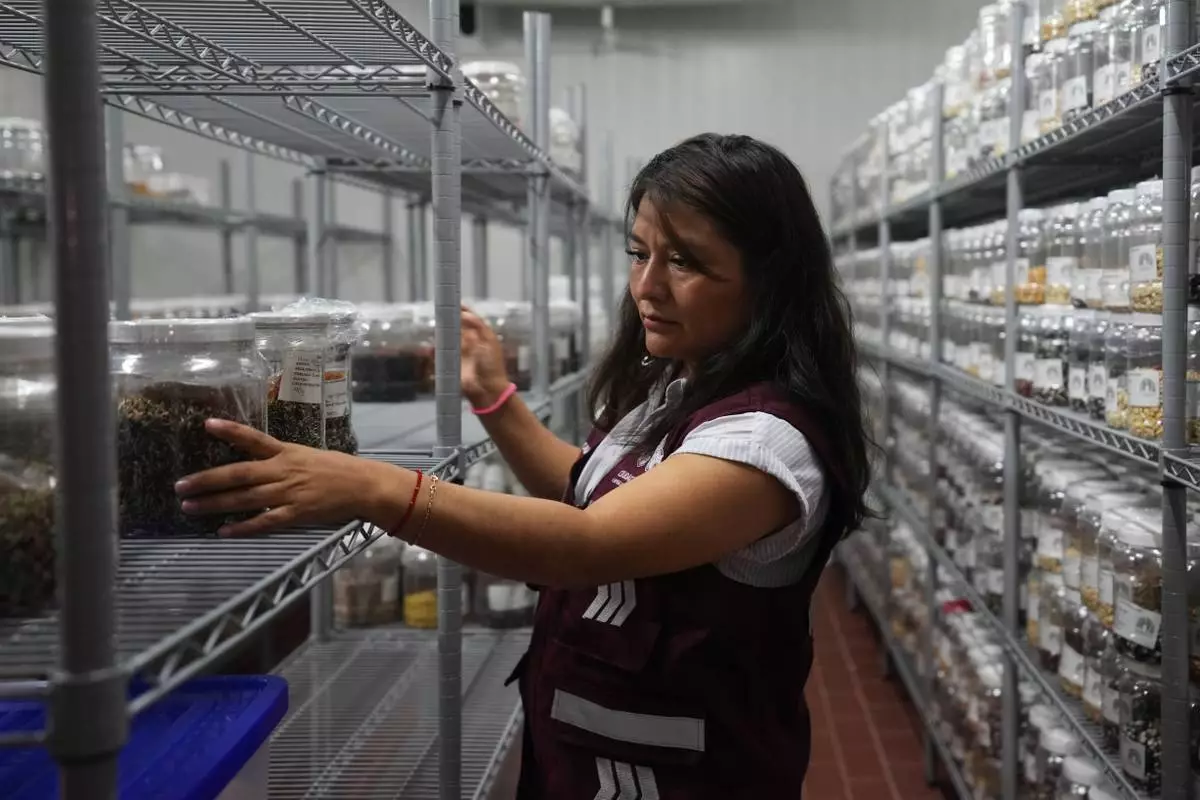
Biologist Clara Soto Cortés, head of the seed bank known as Toxinachcal, stands inside the refrigerated room where native seeds are kept, in the Xochimilco borough of Mexico City, Friday, Oct. 24, 2025. (AP Photo/Claudia Rosel)
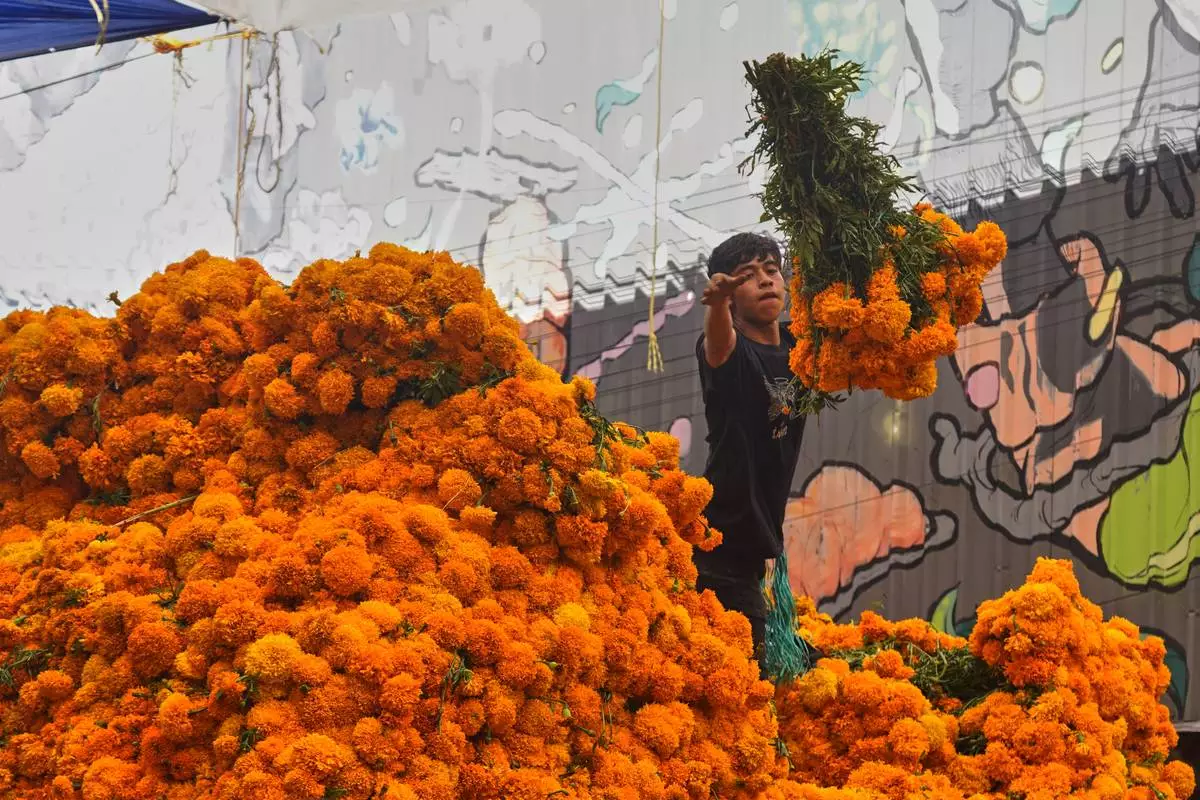
A worker unloads marigold flowers, known as cempasuchil, used during Day of the Dead celebrations, at the Jamaica flower market in Mexico City, Monday, Oct. 27, 2025. (AP Photo/Jon Orbach)
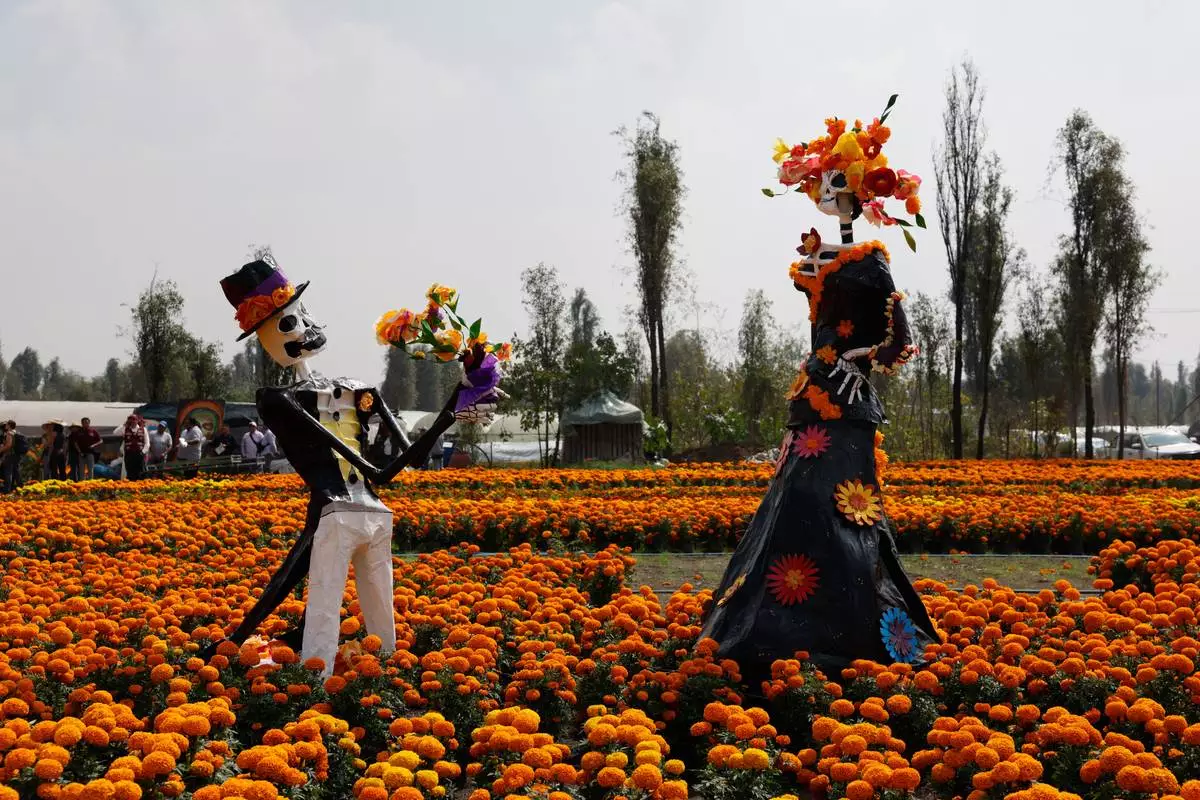
Catrina sculptures stand in a field of cempasuchil flowers in San Luis Tlaxialtemalco on the outskirts of Mexico City, Friday, Oct. 17, 2025. (AP Photo/Claudia Rosel)
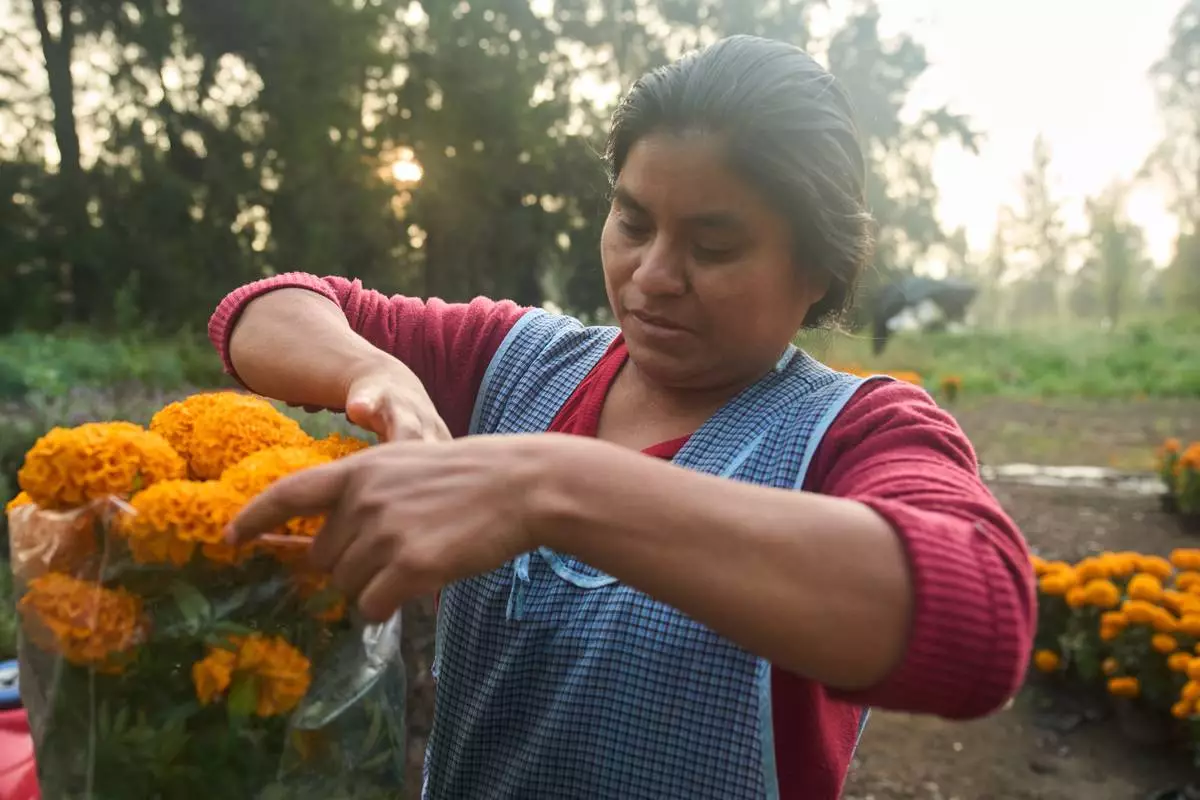
Flor Jimenez packages cempasuchil flowers on her farm as she grows the marigolds in preparation for Day of the Dead celebrations in Xochimilco on the outskirts of Mexico City, Thursday, Oct. 16, 2025. (AP Photo/Claudia Rosel)
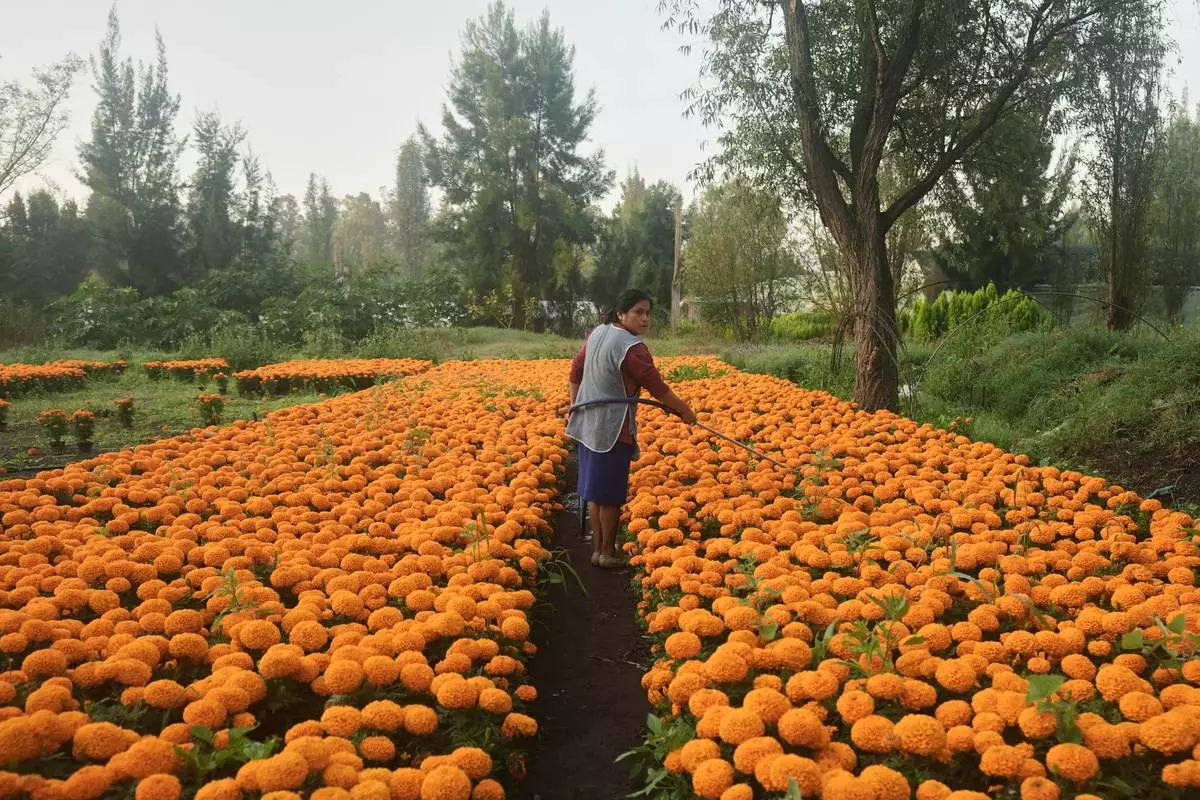
Flor Jimenez waters her crop of cempasuchil flowers in preparation for Day of the Dead celebrations in Xochimilco where marigolds are grown on the outskirts of Mexico City, Thursday, Oct. 16, 2025. (AP Photo/Claudia Rosel)
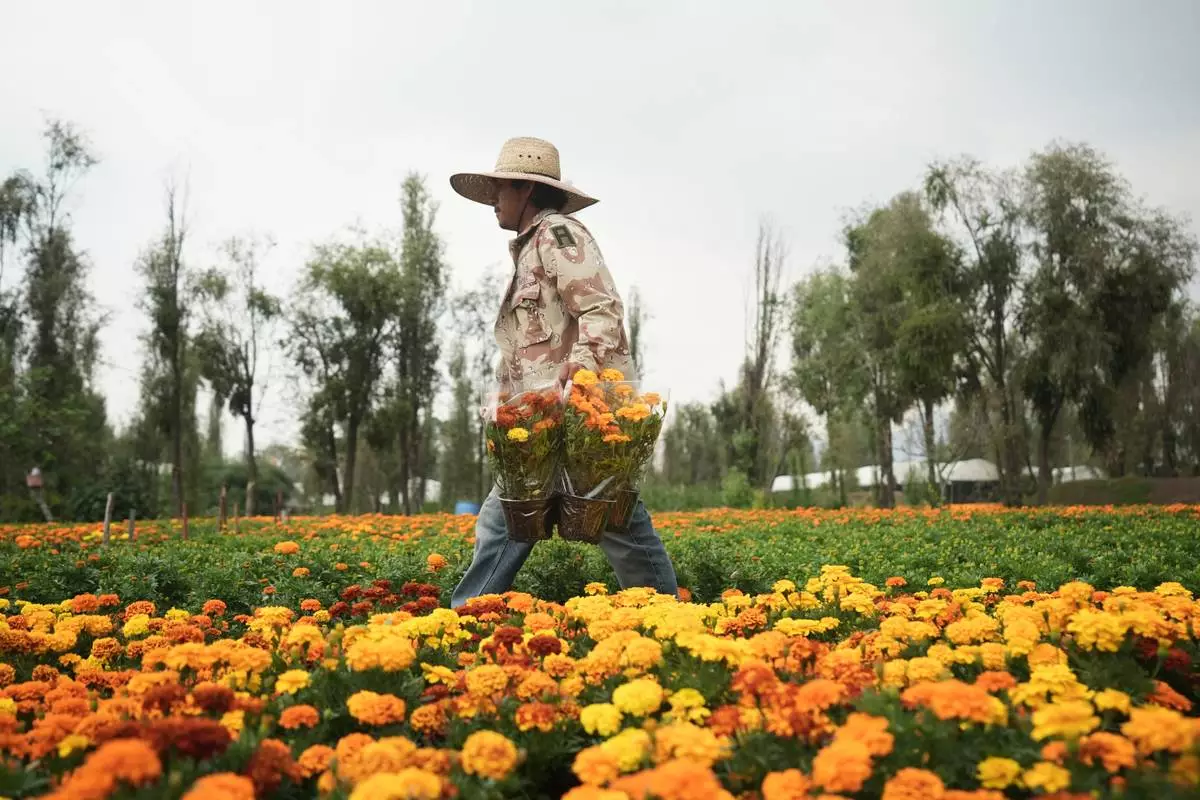
Farmer Jesus Cuaxospa works on his farm where he grows cempasúchil flowers in San Luis Tlaxialtemalco on the outskirts of Mexico City, Oct. 17, 2025, in preparation for Day of the Dead celebrations. (AP Photo/Claudia Rosel)
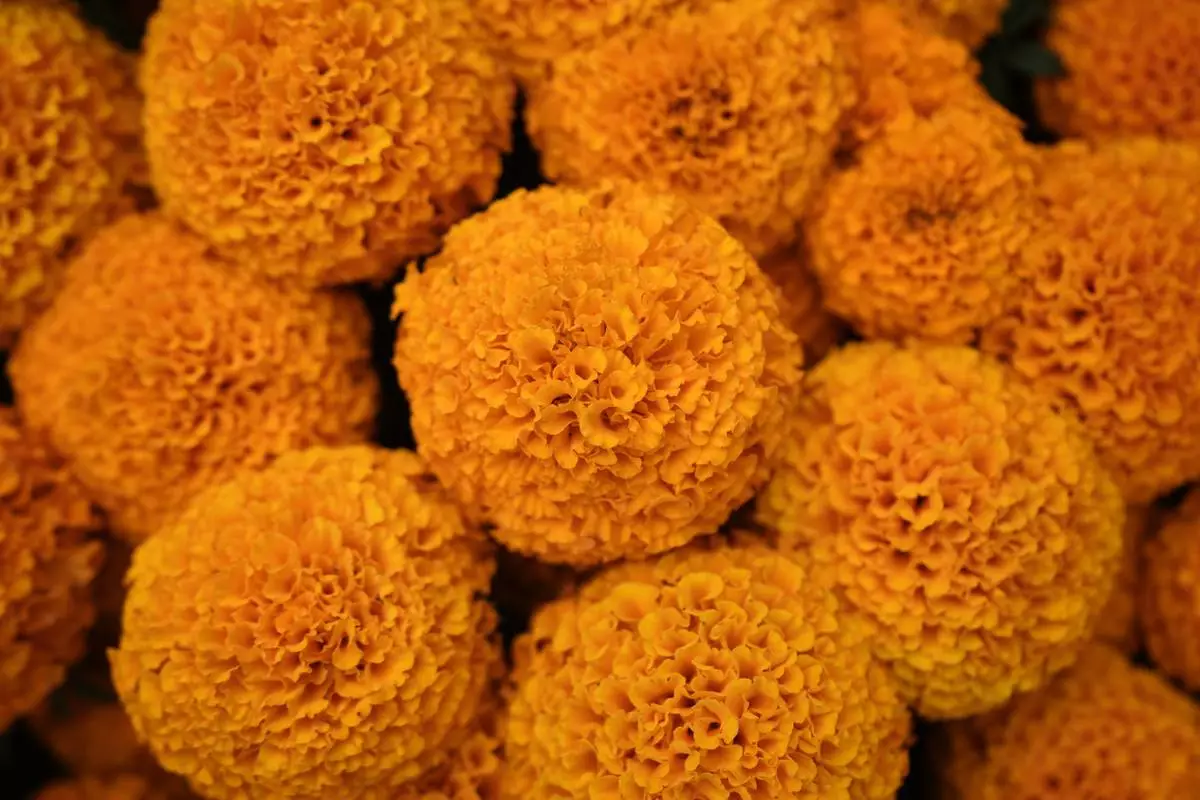
Cempasuchil in full bloom in the Xochimilco borough of Mexico City, Friday, Oct. 17, 2025, ahead of the Day of the Dead celebrations. (AP Photo/Claudia Rosel)